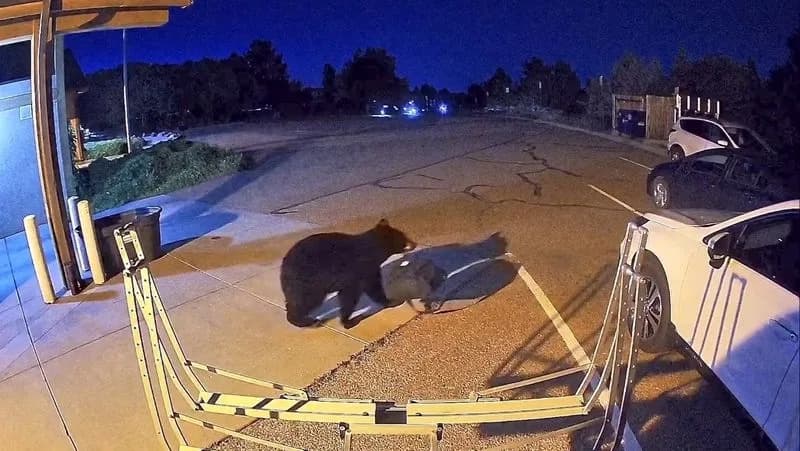
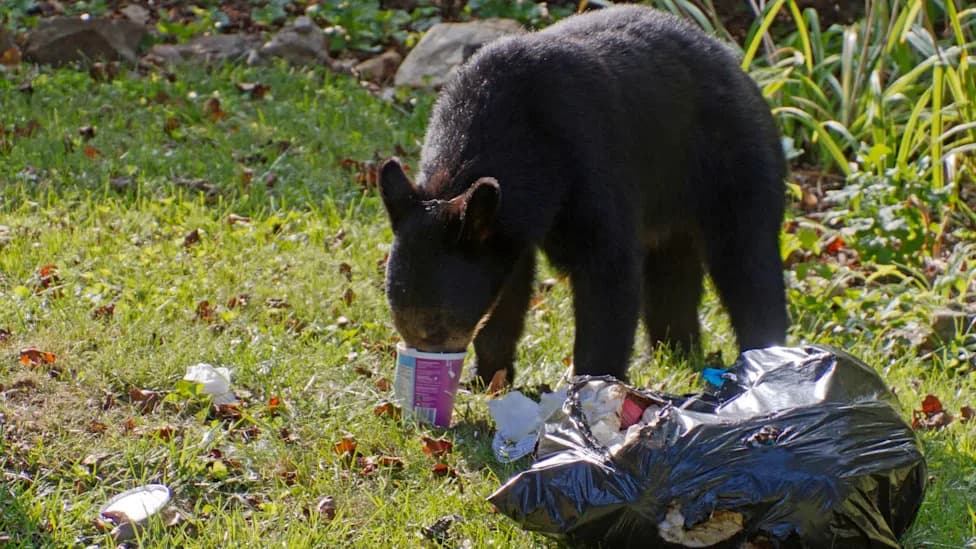
Drought, low snowpack and wildfire damage have driven an "unprecedented" rise in black bear conflicts across Colorado and parts of Wyoming in 2026. Colorado Parks and Wildlife logged more than 6,000 reports through Aug. 13 and a record number of attacks, as hungry bears in hyperphagia increasingly enter campsites, homes and neighborhoods seeking food. Officials urge strict food and trash management, carrying accessible bear spray and reporting all bear activity to reduce dangerous conditioning and protect both people and bears.
Drought Fuels 'Unprecedented' Spike in Bear Conflicts — Colorado and Wyoming See Record Encounters
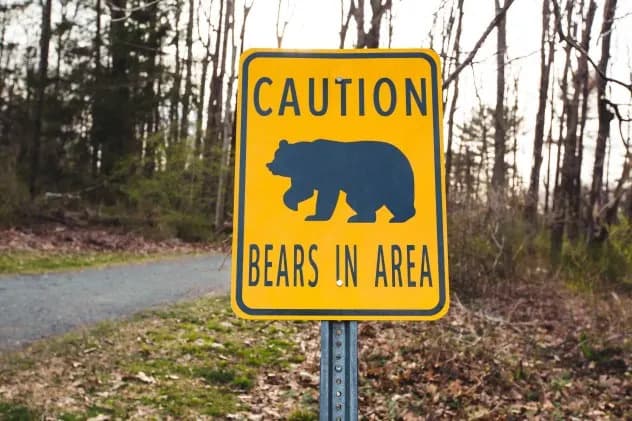
Bear sign, hike with caution sign. (Photo by Jena Ardell/Getty Images)
Drought, diminished snowpack and wildfire damage have combined with human food sources to produce a record surge in black bear activity across parts of the American West. Colorado has recorded an unusually high number of human-bear encounters this year, and officials warn that hungry bears in late-summer hyperphagia are taking greater risks—entering tents, homes and campsites as they seek calories before winter.
Recent Attacks and Local Responses
Sept. 11 — Tent Bite Near South Fork, Colorado
On Friday, Sept. 11, a woman was bitten through her tent at Park Creek Campground in the Rio Grande National Forest near South Fork at about 5:30 a.m. MDT. Emergency Medical Services treated her for a puncture wound; she later received follow-up care at Rio Grande Hospital. Investigators found a bite mark in the tent, claw marks and dark hairs outside the shelter.
Rick Basagoitia, Area Wildlife Manager in Monte Vista, said: "The bite in this incident was more likely an act of surprise than aggression. There is no history of conflict or damage." The forest closed the campground for the weekend prior to its scheduled seasonal closure on Sept. 14.
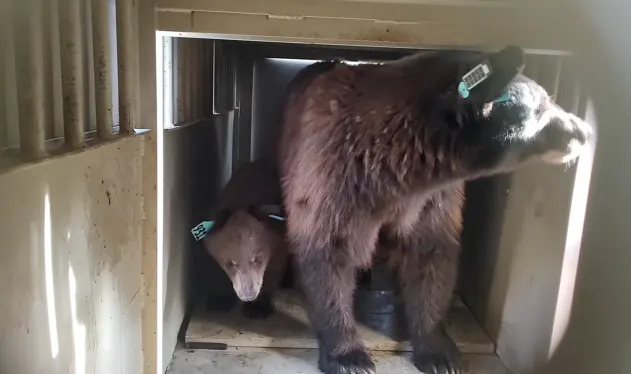
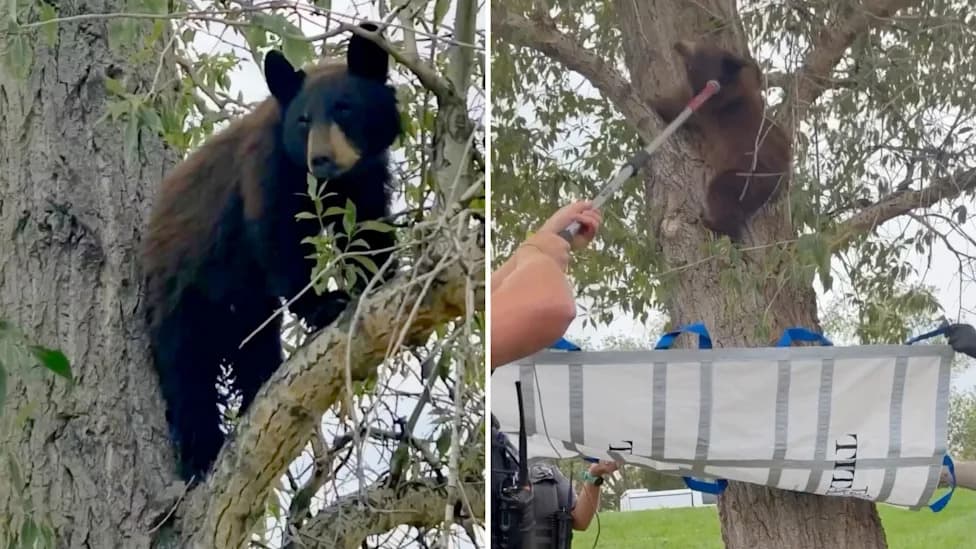
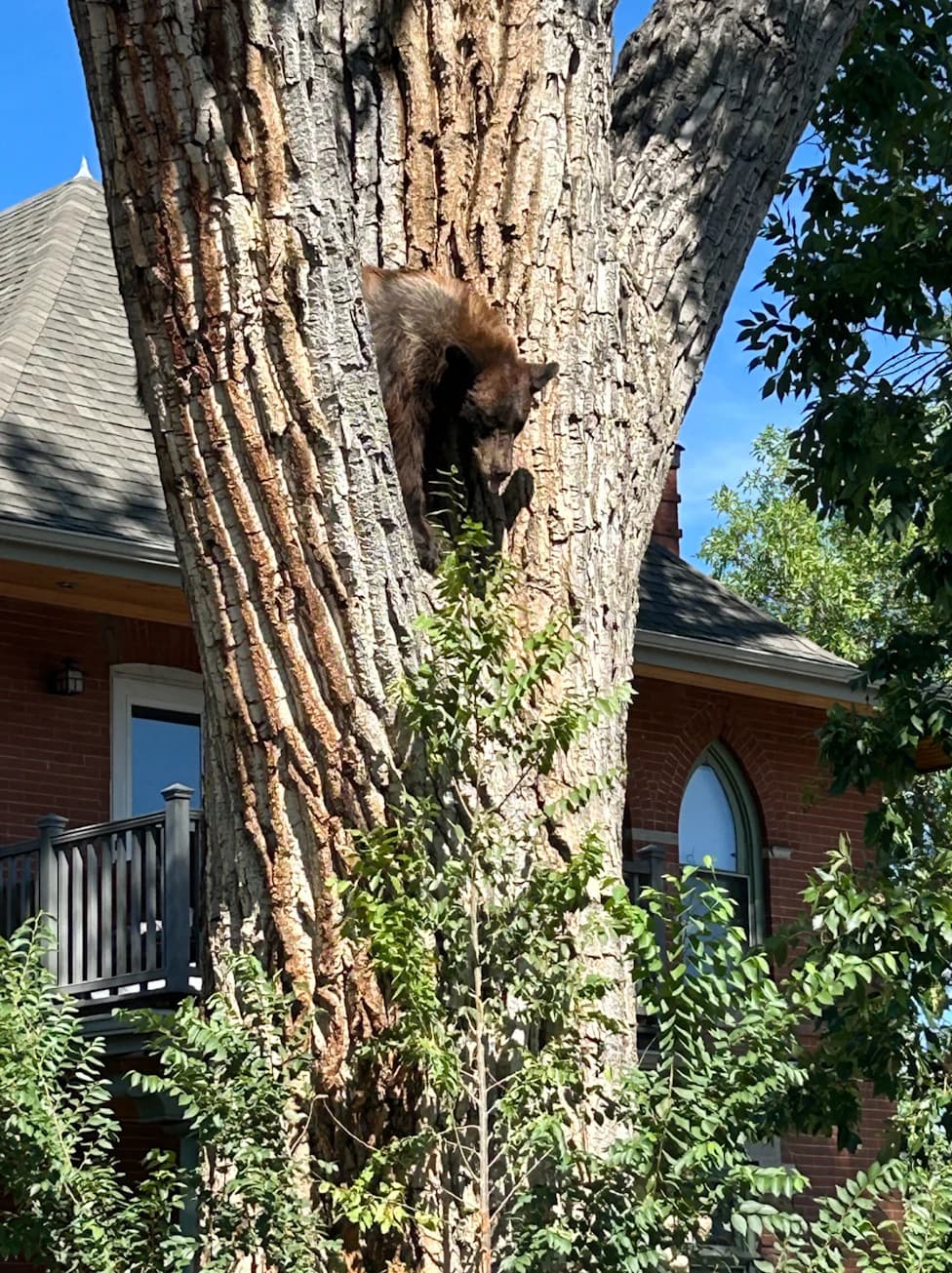
A mamma bear and cub during relocation near Durango, Colorado in September 2026. (Image credit: Colorado Parks and Wildlife Durango)
Sept. 13 — Bear Enters Durango Bedroom
A separate incident on Sunday, Sept. 13, in Durango involved a 17-year-old who reported that a black bear tore off a window screen at about 2 a.m., entered her bedroom and approached her bed. The girl hid under multiple blankets; when she made a noise the bear huffed and swiped, leaving scratches and bruising on her stomach. The animal left after she stood and yelled. CPW set a trap to capture and remove the animal; agency staff reported another nearby residence entry the following Monday.
Luke Clancy, District Wildlife Manager, noted the teenager was fortunate to be covered by blankets when the bear swiped. Adrian Archuleta, CPW Area Wildlife Manager in Durango, warned the animal "has exhibited behavior that threatens human health and safety" and said the bear had shown little fear of entering homes.
Relocation and Lethal Removal
Earlier in September, Colorado Parks and Wildlife relocated a female bear and her cub out of downtown Durango after repeated visits to trash cans. The animals were moved to higher-elevation habitat with more abundant natural foods.
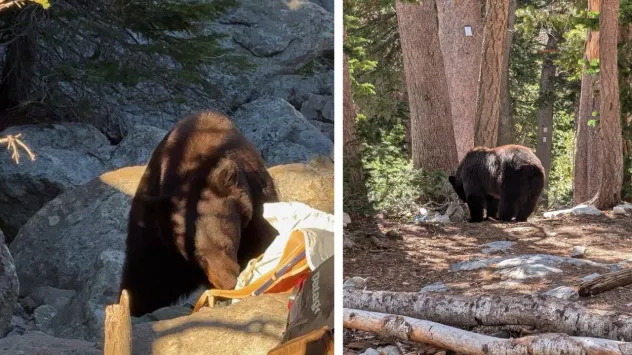
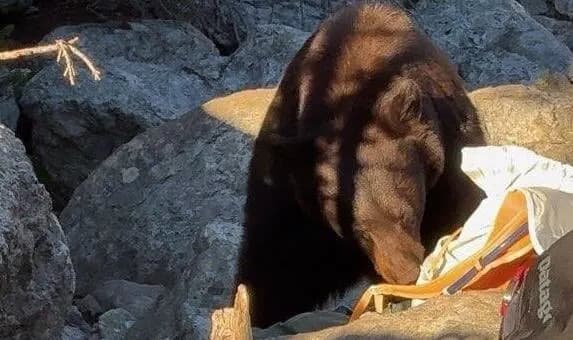
A black bear gets into abandoned food and gear among trees, logs and boulders in the Delta Lake area in Grand Teton National Park. NPS officials said the bear was "lethally removed" on Sept. 15, 2026. (Image credit: NPS)
In Wyoming, Grand Teton National Park staff lethally removed a black bear near Delta Lake on Sept. 11 after the animal repeatedly received human food rewards and began approaching visitors. Park officials said the removal was necessary because conditioning to human food had created an unacceptable safety risk.
"We need to be clear — this bear was lethally removed because of poor decisions made by park visitors," Grand Teton officials said. The park urged visitors to secure food and gather belongings immediately if a bear approaches.
Wider Causes: Drought, Snowpack Loss and Hyperphagia
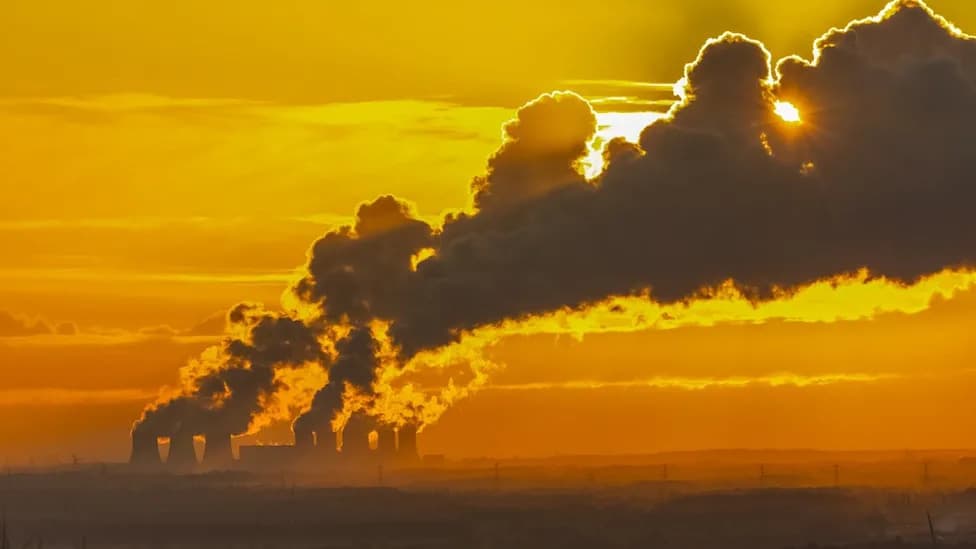
A Western Regional Climate Center report found that snowpack water content hit record lows across eight Western states, including Colorado and Wyoming. By early June, 75% of the West was experiencing at least moderate drought and 51% was in severe drought. Those conditions—along with wildfire impacts on vegetation—have reduced berries, nuts, plants and other foods bears rely on.
That shortage is especially consequential now because bears enter hyperphagia in late summer and fall, a period when they can forage up to 20 hours per day and may consume as many as 20,000 calories daily to build fat reserves before denning. With natural foods scarce, some bears are traveling farther and taking greater risks, increasingly encountering people and human food sources.
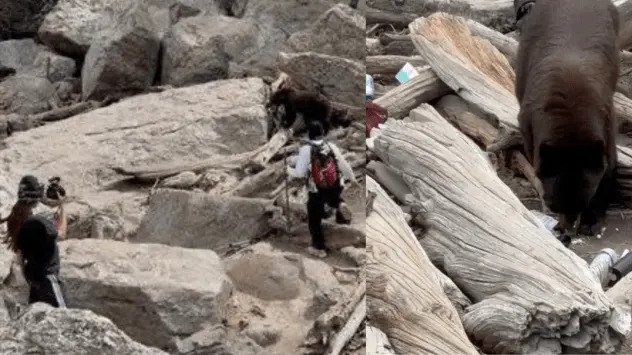
Visitors approaching within feet of a black bear near Delta Lake at Grand Teton National Park. (Image: NPS)
Statistics and Reports
Colorado Parks and Wildlife called 2026 an "unprecedented bear conflict year." From Jan. 1 through Aug. 13, CPW logged 6,129 bear sighting and conflict reports—nearly double the 3,115 reports received during the same period in 2025—and exceeding the 5,299 reports recorded for all of 2025. Colorado is on track for its highest number of bear reports since CPW launched its statewide digital reporting system in 2019.
Safety Recommendations
Wildlife agencies stress that preventing bears from obtaining human food is the most effective way to reduce conflicts and protect both people and animals. Recommended actions include:
- Secure food and trash in bear-resistant containers or inside locked buildings.
- Remove bird feeders and promptly clean grills after use.
- Keep doors, windows and vehicles locked; close windows at night or when away.
- Carry bear spray where it can be reached immediately—do not keep it buried in a backpack.
- If a bear approaches, do not run: back away slowly, speak loudly, wave your arms and stand your ground if it continues to approach.
- Report all bear activity and conflicts to Colorado Parks and Wildlife (CPW) or local park authorities.
Officials emphasize that even a single food reward can condition a bear to associate people with easy meals, escalating risk and often leading to relocation or lethal removal. Preventing access to human food remains the best strategy to protect communities and allow wild bears to remain wild.
Help us improve.