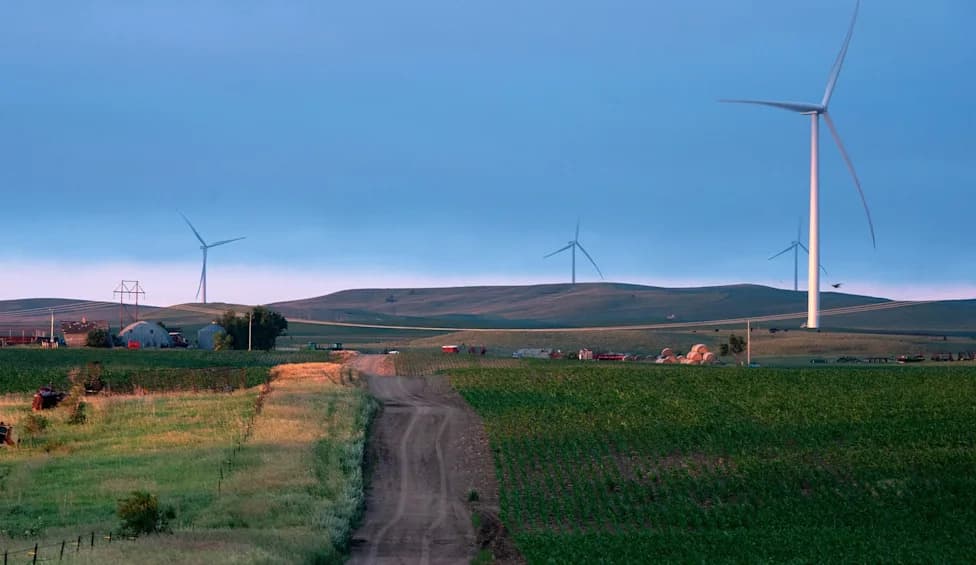
Peter Ferrell, a fourth-generation rancher in Kansas' Flint Hills, says 50 wind turbines on his land have supplied about half his income since 2006, stabilizing the ranch's finances. Developed into the Elk River Wind Power project by Greenlight Energy Resources, the installation now produces enough electricity for roughly 60,000 homes while cattle grazing and prairie habitat persist. Ferrell frames the decision as stewardship that helps maintain family ownership and has become a resource for other landowners exploring similar arrangements.
How 50 Wind Turbines Helped a Kansas Ranch Stay in the Family
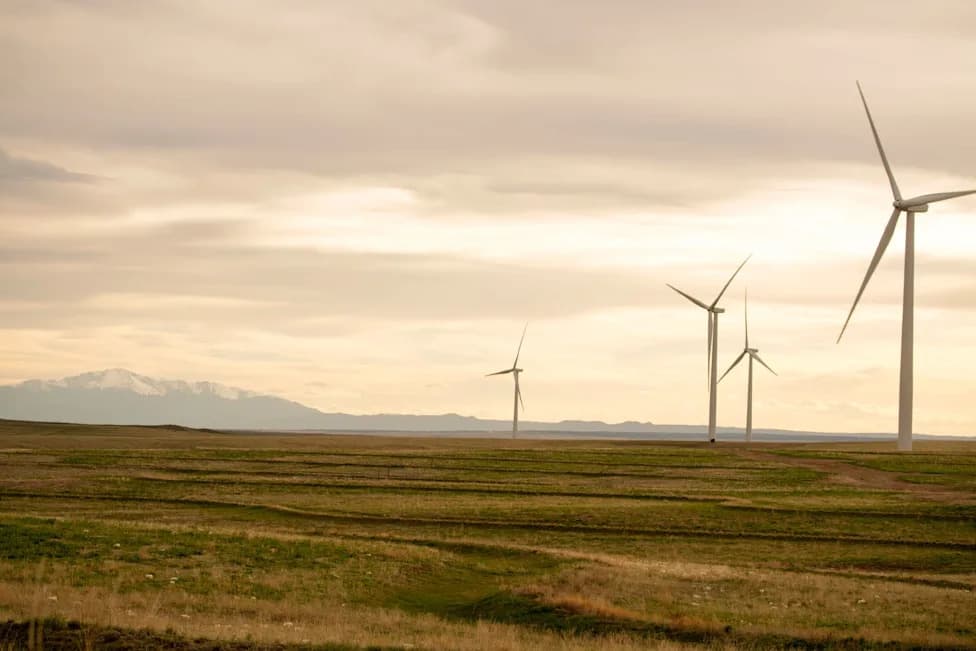
Photo Credit: iStock
A Kansas rancher who once feared wind turbines might change his landscape now says they achieved something more important: they helped preserve his family's ranch for future generations.
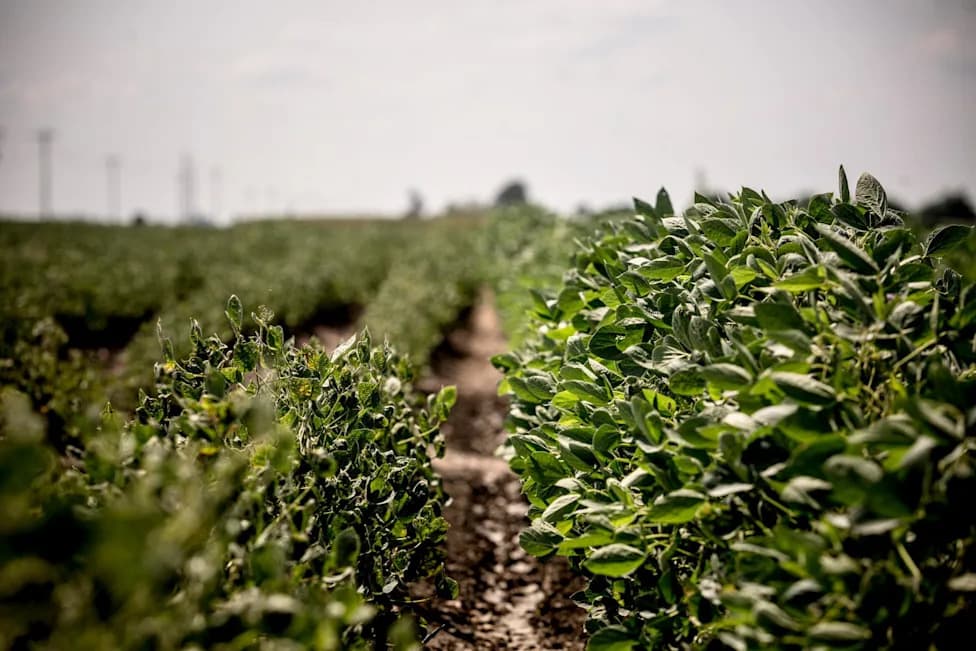
Since 2006, the 50 turbines on Peter Ferrell's Flint Hills property have supplied roughly half of his annual income, smoothing out revenue swings that are common in cattle production. Ferrell, a fourth-generation rancher, initially hesitated — worried turbines could mar the scenery, harm prairie chickens, or feel at odds with ranching traditions. In practice, he says, the change has been economic rather than ecological: cattle continue to graze, native prairie remains intact, and prairie chickens still nest on the land.
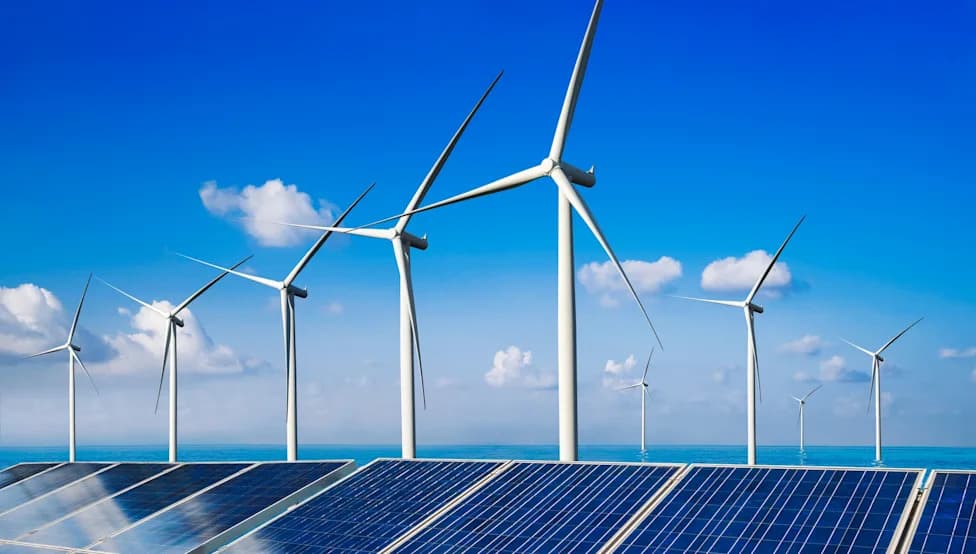
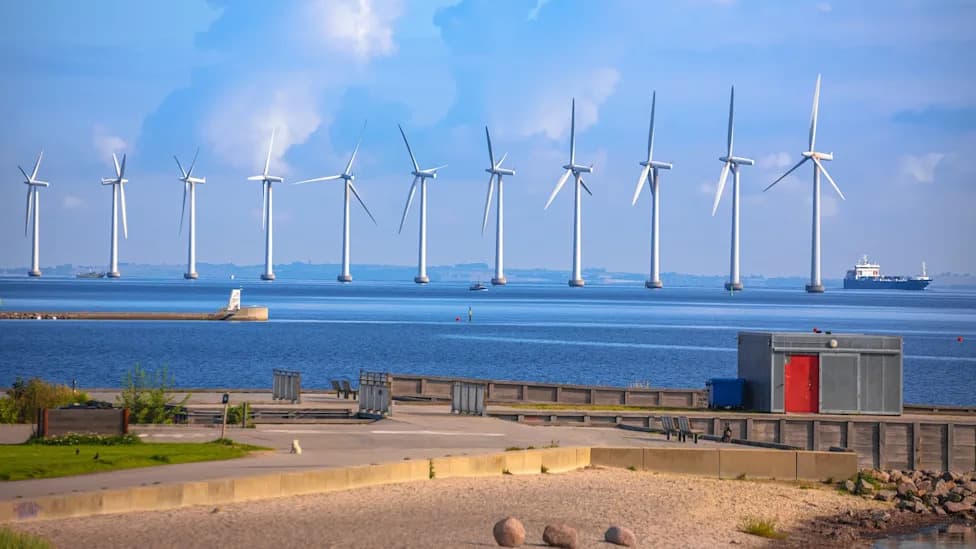
After Greenlight Energy Resources led development, the project became the Elk River Wind Power installation, which now generates enough electricity for about 60,000 homes. That added renewable capacity helps communities reduce reliance on higher-polluting generators and provides price stability because it does not depend on volatile fuel markets.
"My family has been here since 1888, and that weighs heavily on my decision to engage in practices that can be carried on generation after generation without depleting the resources," Ferrell said. "Both the grass and the wind will be here for generations."
Hosting wind turbines can give landowners steady royalty payments while allowing them to keep using the land for agriculture. That dependable second income can be decisive for farms and ranches facing debt, weather risks, and fluctuating commodity prices — helping families cover costs, avoid selling ancestral land, and plan for the next generation.
Benefits Beyond the Ranch
Wind projects also strengthen local tax bases, create construction and maintenance jobs, and cut air pollution associated with fossil fuels — improving public health for communities downwind of conventional power plants. Ferrell says the royalties have reshaped what is possible for his family's future: "I have two grown children and four grandkids, and they love this place. Because of the wind farm, they'll be able to perpetuate it without financial burden."
Across the U.S., developers, utilities, and landowners increasingly embrace "working lands" models that let renewable energy coexist with farming and ranching. Ferrell's ranch is a clear example: turbines occupy only part of the acreage while the cattle operation continues across the grazing landscape. He has also become a resource for neighbors considering the same option: after the wind farm was built, his phone "rang off the hook" with calls from other farmers and ranchers.
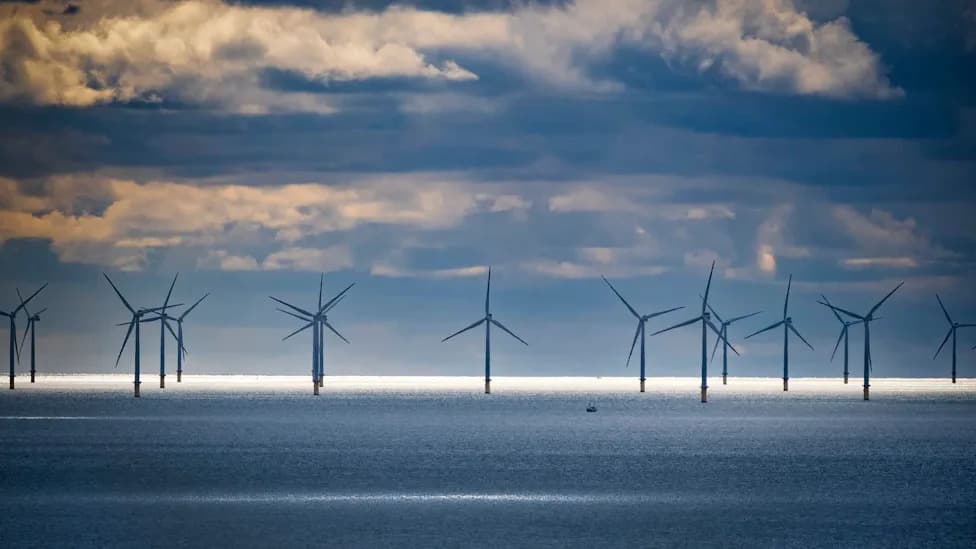
Local examples underscore the range of impacts: in Howard County, Iowa, wind development generated nearly $3 million for a small farming community, and large offshore builds — such as a recent project completed by Dominion Energy off Virginia's coast — show how benefits scale on a broader level.
While concerns about aesthetics and wildlife remain part of the conversation, Ferrell's experience illustrates that carefully sited wind development can provide reliable income, preserve working landscapes, and help keep family farms and ranches in operation for generations to come.
Help us improve.