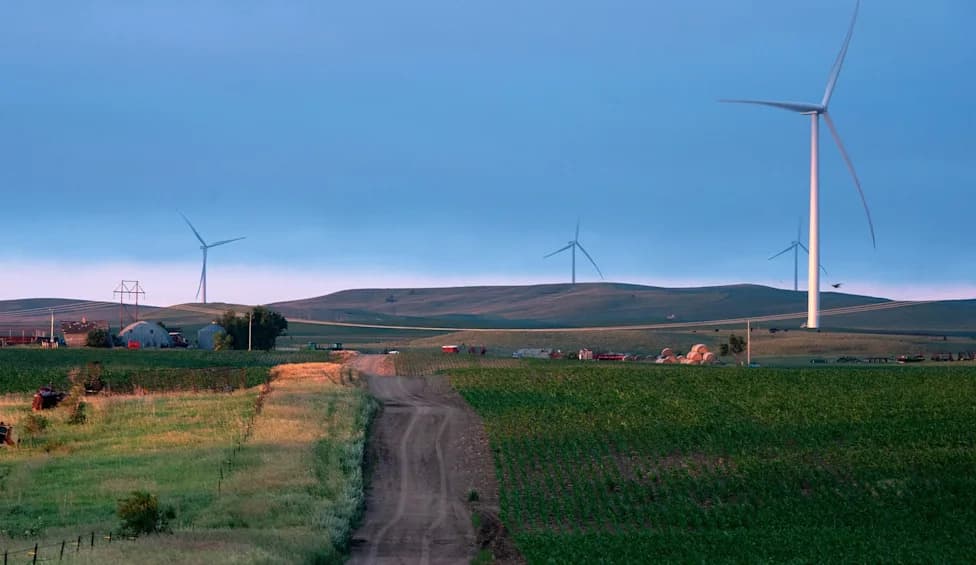
Maine regulators approved an 800 MW onshore wind farm in Aroostook County and a 111-mile transmission line that would be the state's largest clean-energy project. The plan, directed by a 2021 law from Gov. Janet Mills, still requires federal approval but is designed to send renewable power into the New England grid. The Maine Public Utilities Commission estimates up to $425 million in consumer benefits over the project's lifetime, driven by multi-state cost-sharing, long-term contracts, and added generation capacity.
Maine Approves 800 MW Wind Farm and 111‑Mile Transmission Line — Project Could Save Consumers Up To $425M
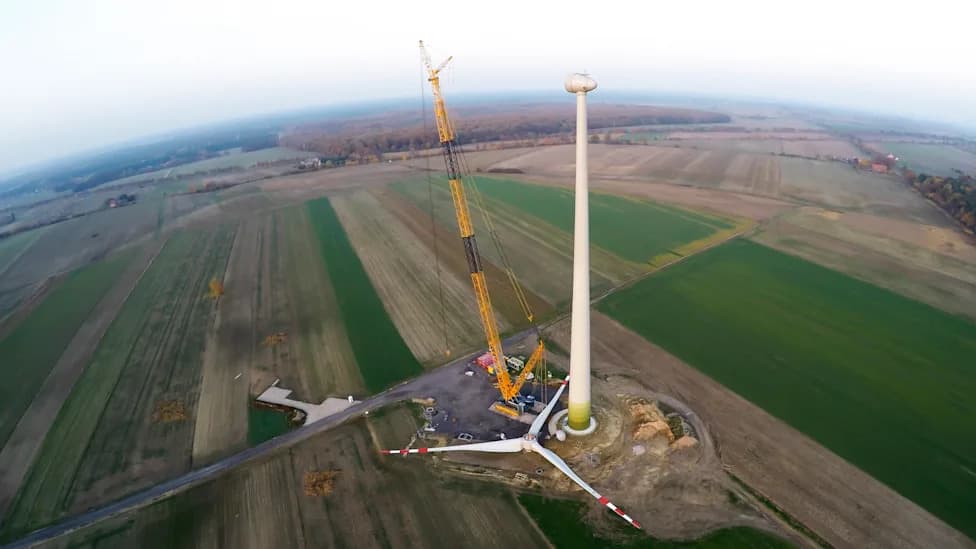
Photo Credit: iStock
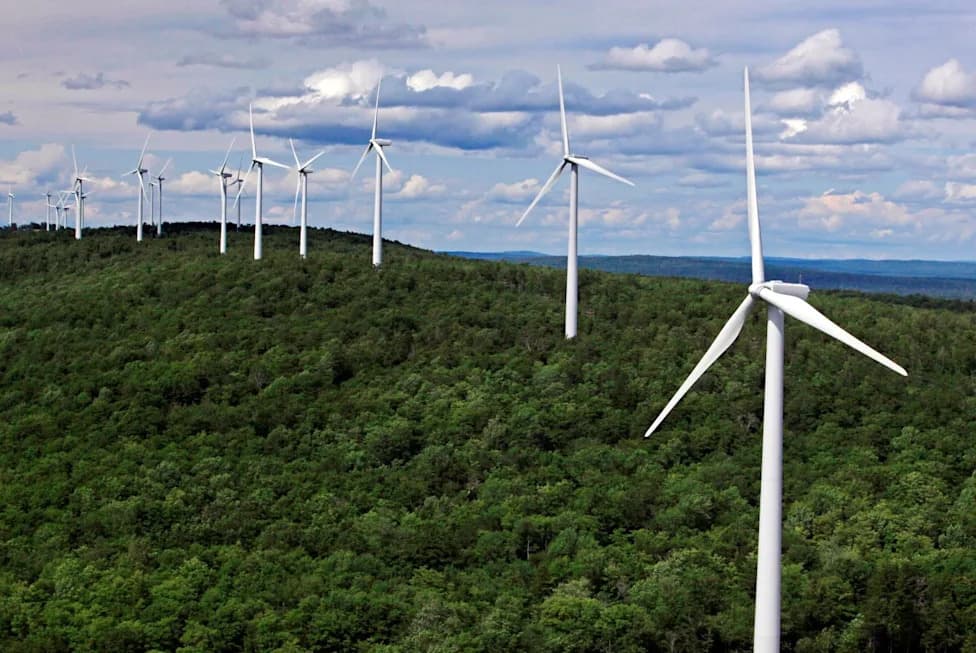
Maine regulators have approved a plan to build an 800-megawatt onshore wind farm in Aroostook County paired with a 111-mile transmission line to link the project to the New England grid. If federal regulators grant the necessary approvals, the development would be the largest clean-energy project in Maine's history and could add substantial renewable capacity to the region.
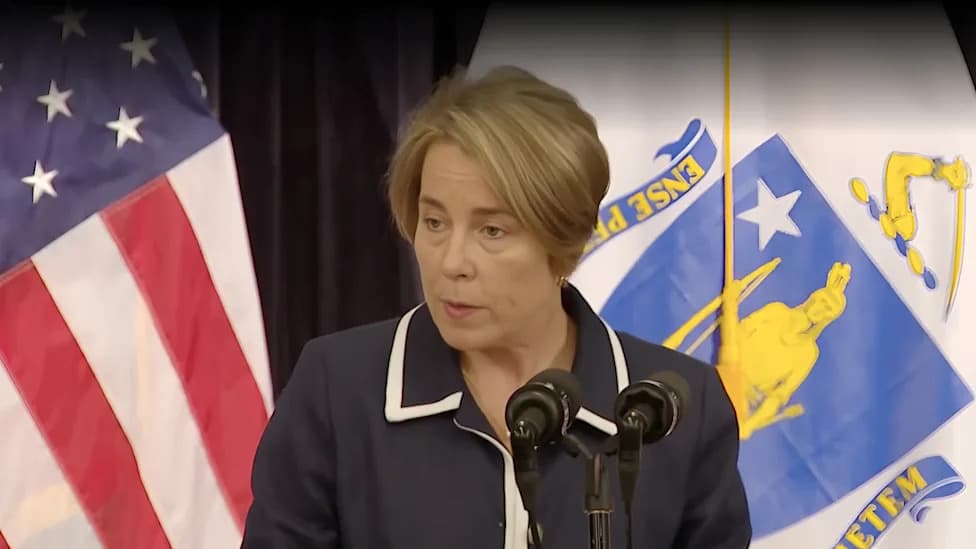
The initiative stems from a 2021 law signed by Governor Janet Mills directing state agencies to pursue renewable energy development in northern Maine and the transmission needed to deliver that power to the broader New England network. Maine regulators selected San Francisco–based Clearway Energy to develop the wind farm; Avangrid, the parent company of Central Maine Power, is expected to build the transmission line, according to the Portland Press Herald.
How Costs, Contracts, And Capacity Could Deliver Savings
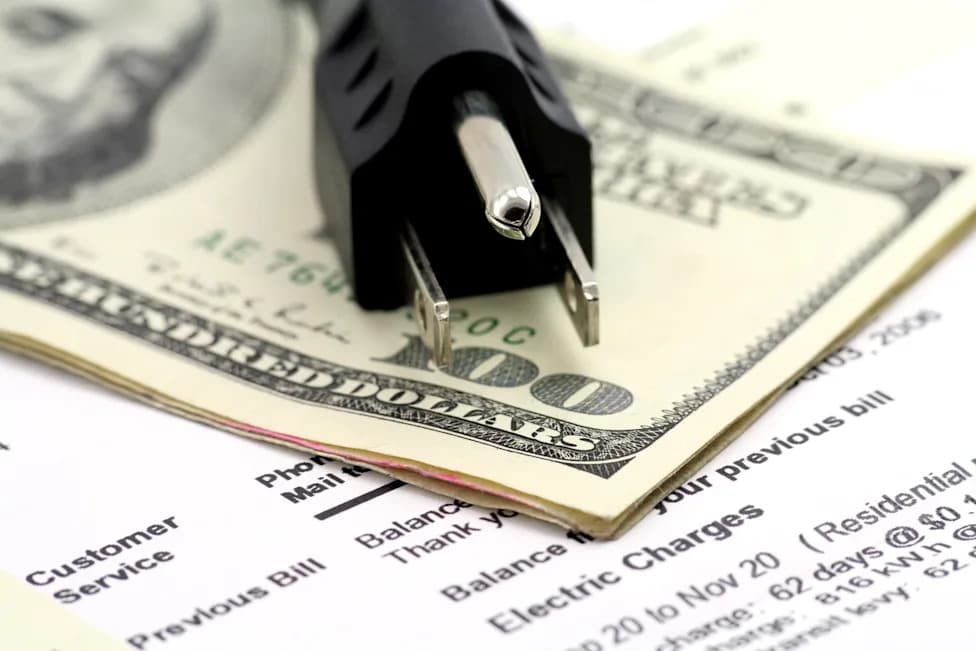
The Maine Public Utilities Commission estimates Maine consumers could see up to $425 million in net benefits over the project's lifetime. Regulators point to three main drivers of those savings:
- Multi-State Cost Sharing: The transmission line cost will be allocated across five states — Maine, Massachusetts, Connecticut, Vermont, and Rhode Island — meaning Maine ratepayers would cover roughly one-tenth of the transmission expense.
- Long-Term Contracts: Multi-decade power and transmission agreements can lock in competitive prices compared with some other generation and fuel-dependent options.
- Added Generation Capacity: An 800 MW wind installation represents a major new source of supply at a time when regional demand can spike, helping lower wholesale prices during peak periods.
Regulators expect about three-quarters of the wind farm's output to remain in Maine, with roughly one-quarter exported to neighboring states. Beyond direct price effects, the project could reduce Maine's exposure to volatile fossil-fuel markets, cut air pollution associated with combustion, support the state's climate goals, and create local construction and long-term operations jobs.
What Comes Next And National Context
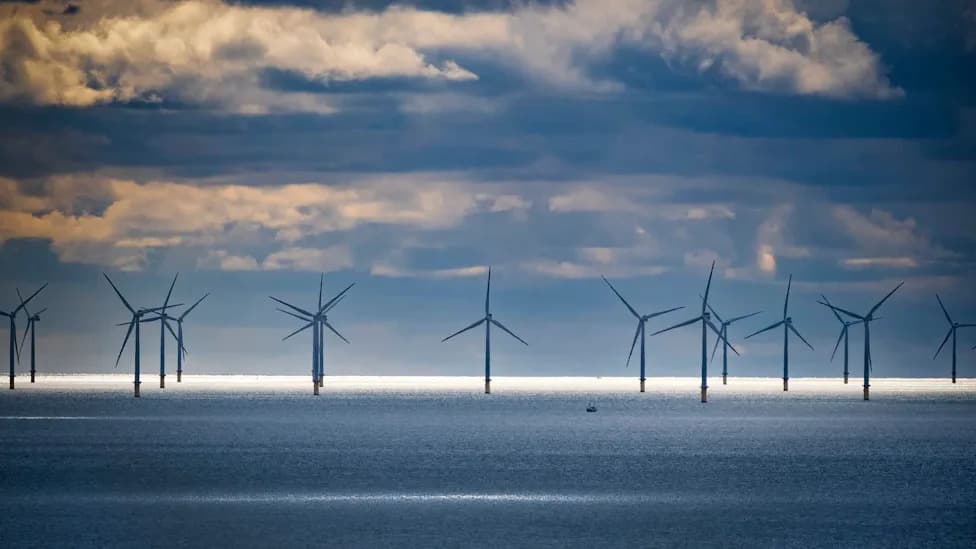
Federal approval and permitting remain required before construction can begin. Large wind projects across the U.S. show that permitting, transmission upgrades and construction timelines can shape how and when benefits arrive. Recent examples include milestones for Dominion Energy's offshore project off Virginia, South Coast Wind's approval in New England, and federal backing for Sunrise Wind — each illustrating stages from regulatory approval to infrastructure build-out and eventual power delivery.
In short: the Maine plan links major onshore wind capacity with long transmission reach and multi-state cost-sharing, promising significant consumer savings and regional clean-energy benefits if it clears federal review and moves forward.
Help us improve.