Denmark's wind turbines briefly produced about 140% of national electricity demand during a very windy, low-consumption window around 3 a.m., and the excess was exported. The country plans two offshore "energy islands" (North Sea: 3–4 GW, expandable to 10 GW; Baltic: 3 GW) that could manage vast wind output and support green hydrogen. The event highlights the need for storage, stronger transmission links and flexible demand to convert short-lived surpluses into long-term system value.
When Wind Blows: Denmark Briefly Generated 140% Of National Electricity Demand — Surplus Exported
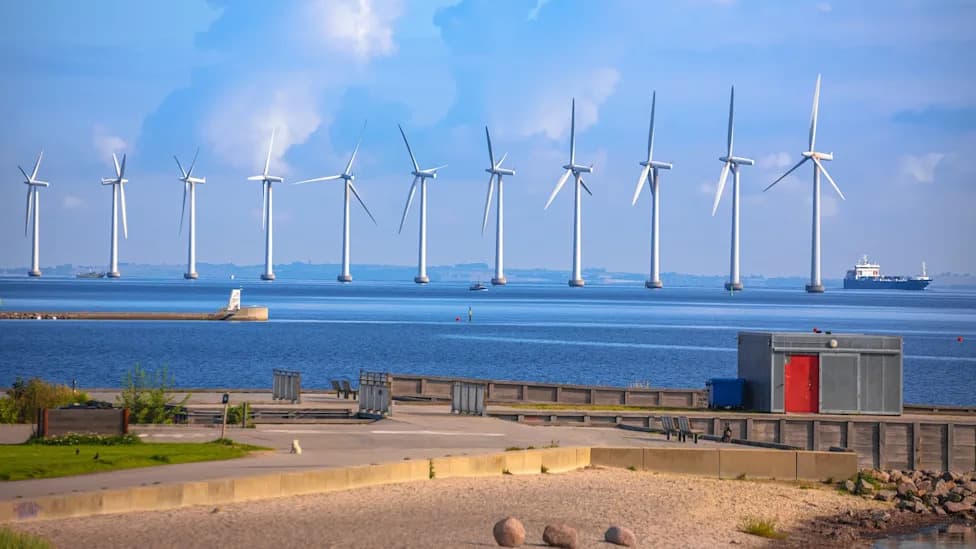
Photo Credit: iStock
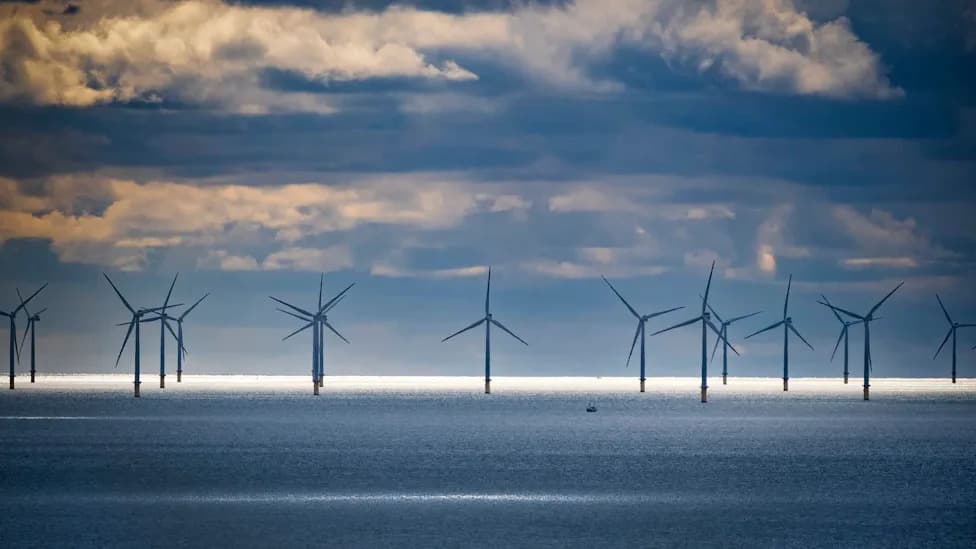
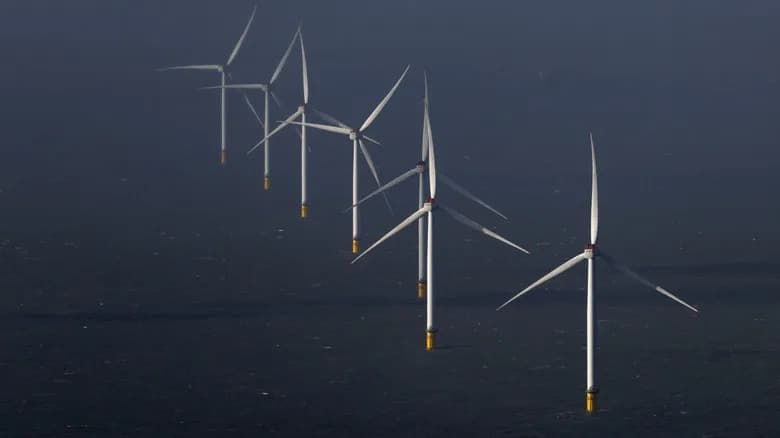
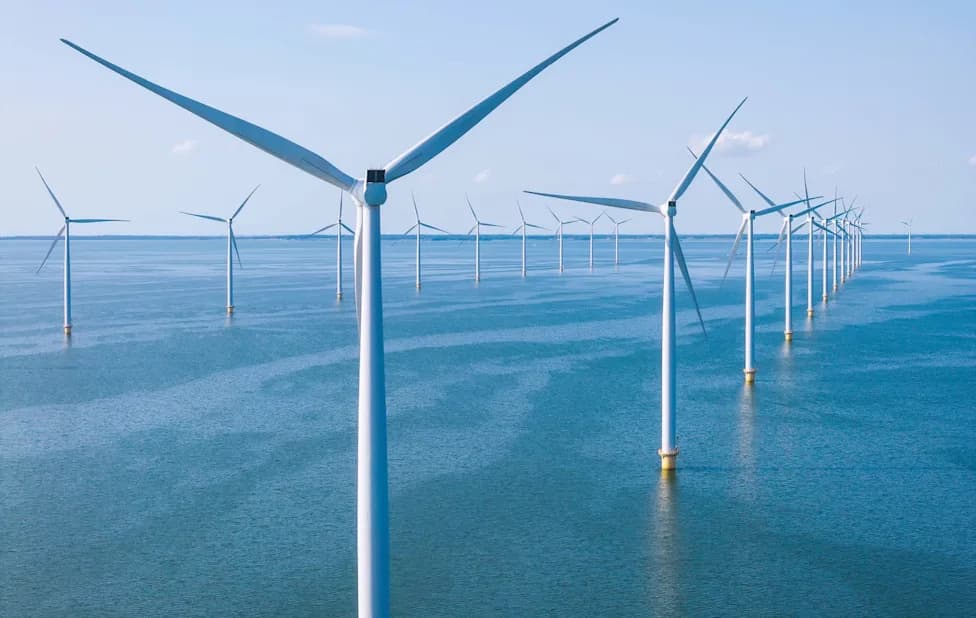
Denmark offered a vivid demonstration of how a wind-dominated grid behaves when weather and demand align: in the early hours of one night, exceptionally strong winds pushed wind generation to roughly 140% of the country's domestic electricity consumption. The spike occurred at about 3 a.m., when overnight demand was unusually low, and the surplus power was exported to neighboring grids.
CleanTechnica and Danish authorities noted this was a brief snapshot driven by both unusually strong winds and light overnight consumption, not a reflection of daily or seasonal averages. Still, the episode highlights both the promise of abundant renewable generation and the operational challenges that come with it.
Planned Offshore "Energy Islands"
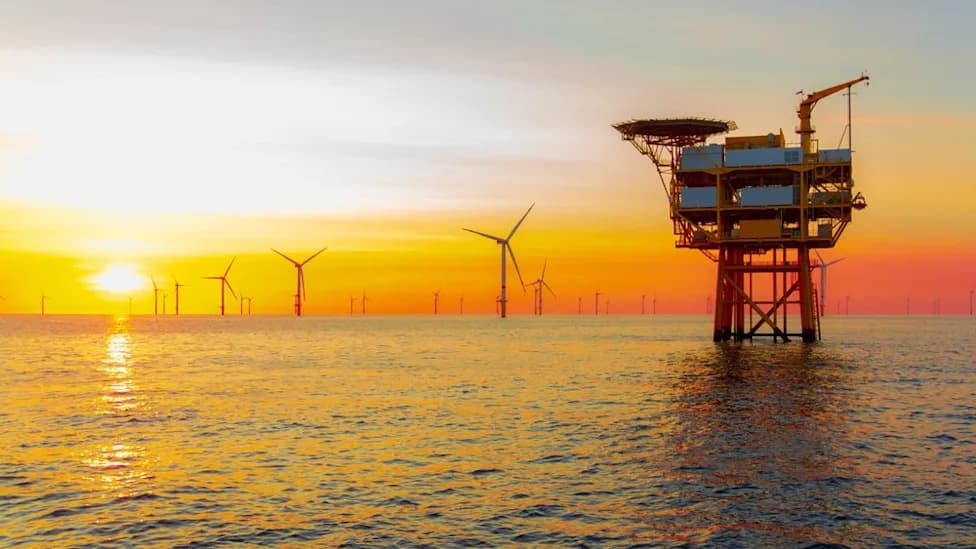
To better manage large volumes of offshore wind, Denmark is planning two artificial "energy islands"—one in the North Sea and one in the Baltic Sea. The Danish Energy Agency estimates the combined projects could oversee enough wind capacity to serve roughly 5 million households. The North Sea hub is planned to start at 3–4 gigawatts (GW) with potential expansion to 10 GW, while the Baltic Sea facility is expected to add about 3 GW.
Operating as green power plants at sea, the islands are expected to play a major role in the phasing-out of fossil fuel energy sources in Denmark and Europe, the Danish Energy Agency says.
Turning Surplus Into Value
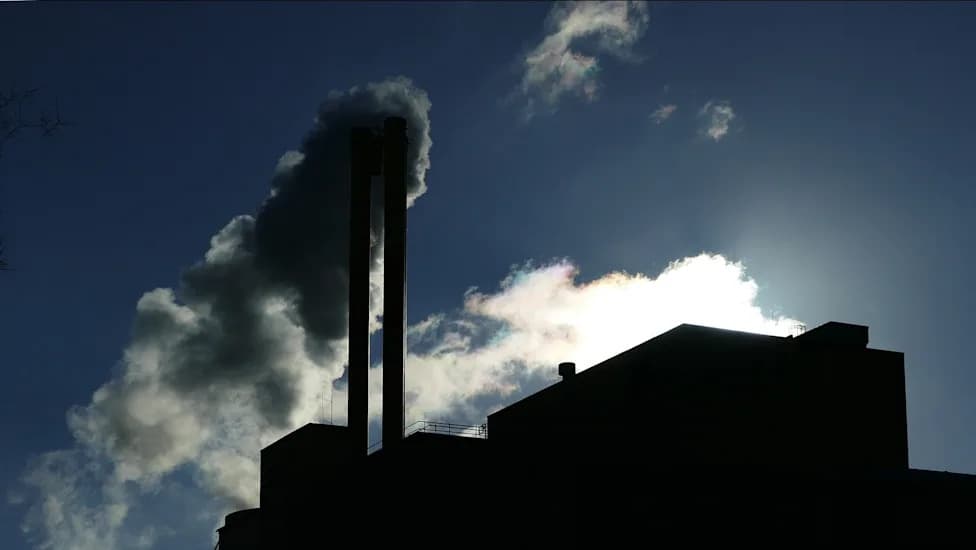
Large-scale offshore wind generates electricity without burning coal, oil, or gas, cutting air pollution and greenhouse gas emissions. But when generation outstrips local demand, systems need options to capture that value. Denmark exported the excess in this case, but longer-term strategies include broader interconnections, energy storage, flexible demand and new offshore uses such as green hydrogen production.
Practical flexibility measures already under discussion or piloted include vehicle-to-grid and vehicle-to-home systems that let electric vehicles absorb and later return power, large battery installations, and industrial loads that can be scheduled to consume surplus renewable energy.
Broader Context
The episode also underscores differing policy environments. The U.S. has significant offshore wind potential along the Atlantic, Pacific and Gulf coasts—the U.S. Department of Energy has estimated that power from oceans and rivers could meet a large share of national electricity needs—but federal leasing and permitting policies have at times slowed project development. For example, President Donald Trump directed the Interior Department to pause new offshore wind leasing in U.S. waters.
More clean generation reduces fossil-fuel use, but to make spikes like Denmark's a consistent system advantage, grids need investments in transmission, storage, market design and demand-side flexibility to turn momentary surpluses into reliable, usable energy.
Help us improve.