New analysis of more than 11,000 U.S. adults aged 18–44 found that lower routine levels of the liver enzymes AST and ALT were associated with a higher likelihood of early‑onset colorectal cancer. AST or ALT below 14 U/L correlated with roughly a 65–68% higher likelihood of diagnosis versus midrange values, while higher or rising enzyme values tended to be linked with lower likelihood. Experts stress this is an association, not proof of causation, the findings are not yet peer‑reviewed, and current screening guidance (start at 45 for average risk) remains unchanged.
Routine Blood Tests May Reveal Clues to Early‑Onset Colorectal Cancer, New Analysis Finds

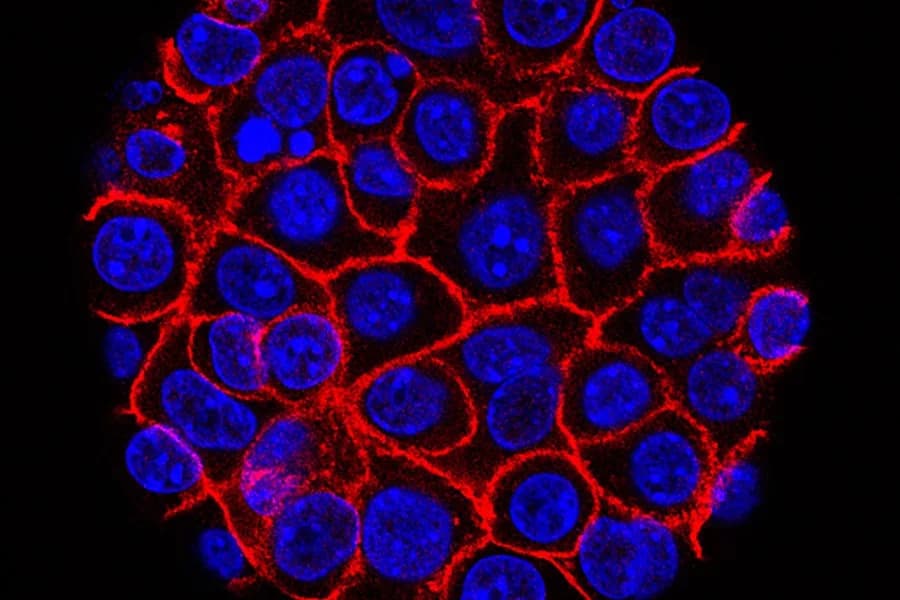
Lower levels of liver enzymes were linked to greater risk of early-onset colorectal cancer in a new analysis, but it's an association, not a cause, researchers say. - FluxFactory/E+/Getty Images/File
Routine blood work taken during a standard clinic visit may contain unexpected signals about the likelihood of developing colorectal cancer before age 45, a new analysis by Epic Research suggests. The study found an inverse association between common liver enzymes — aspartate transaminase (AST) and alanine transaminase (ALT) — and early‑onset colorectal cancer diagnoses.
Study Overview
Researchers reviewed electronic health records for more than 11,000 U.S. adults aged 18–44 who had their first colorectal cancer screening test between 2017 and 2025 and at least one AST or ALT measurement in the three years before screening. The analysis compared people diagnosed with colorectal cancer within one year of screening with those who were not.
Key Findings
The team reported that lower enzyme values were associated with a higher likelihood of an early colorectal cancer diagnosis:
- AST <14 U/L was linked to a 65% higher likelihood of early‑onset colorectal cancer compared with AST 14–29 U/L.
- ALT <14 U/L was linked to a 68% higher likelihood compared with ALT 14–29 U/L.
- Higher values were associated with lower likelihoods: AST ≥30 U/L with a 22% lower likelihood and ALT ≥30 U/L with a 29% lower likelihood.
- Rising AST or ALT over the three years before screening was associated with a roughly 26–27% lower likelihood of a colorectal cancer diagnosis; falling values showed no clear association.
Researchers used the midrange (14–29 U/L) as the comparison group because it fell near the center of observed values.
What This Means — And What It Doesn’t
Experts emphasize these results show an association, not causation. The analysis has not yet been peer‑reviewed, and the measured "low" AST/ALT values would generally still be considered clinically normal. Lower enzyme readings may reflect broader physiology such as lower muscle mass, frailty or nutritional differences rather than a direct marker of liver disease.
"Clinically, we tend to watch for high liver enzymes, so seeing that low AST and ALT were associated with a higher likelihood of early‑onset colorectal cancer stood out," said Kersten Bartelt of Epic Research. She cautioned that the study was not designed to explain why the association exists.
Clinical Guidance
Current U.S. screening guidance remains unchanged: average‑risk adults should begin colorectal cancer screening at age 45, with earlier screening for those with higher risk (family history, symptoms or other risk factors). Blood‑based screening tests (for example, the Shield test) have recently been added by the American Cancer Society as an option for average‑risk adults 45 and older who decline or have not completed other screening modalities, but colonoscopy remains the gold standard and is required to confirm a diagnosis after a positive blood test.
Context and Next Steps
A prior UK study of more than 375,000 people similarly observed an inverse relationship between AST/ALT and colorectal cancer risk, suggesting a reproducible signal worth investigation. Researchers say follow‑up work should test whether metabolic, nutritional or other underlying factors explain the enzyme differences and whether routine labs could eventually help target screening or diagnostic evaluation.
Bottom line: Do not change screening behavior based on a single AST or ALT result. Discuss any concerns, symptoms (for example, unexplained weight loss, rectal bleeding or persistent abdominal pain), or family history with your clinician and follow established screening recommendations.
Help us improve.