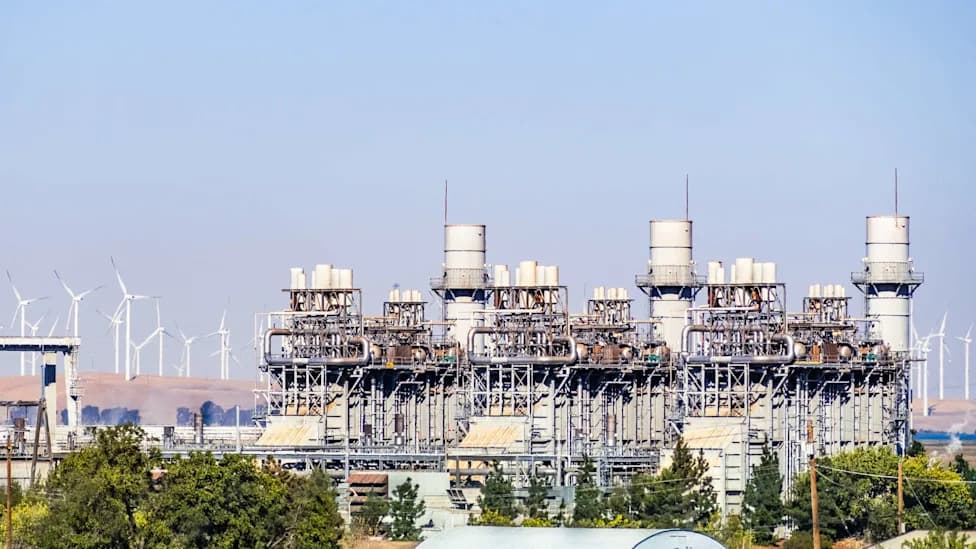
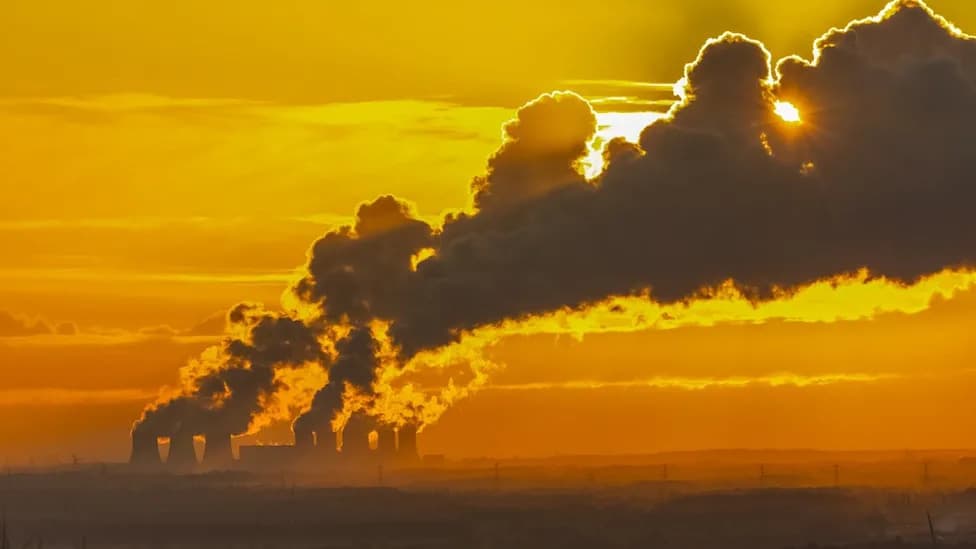
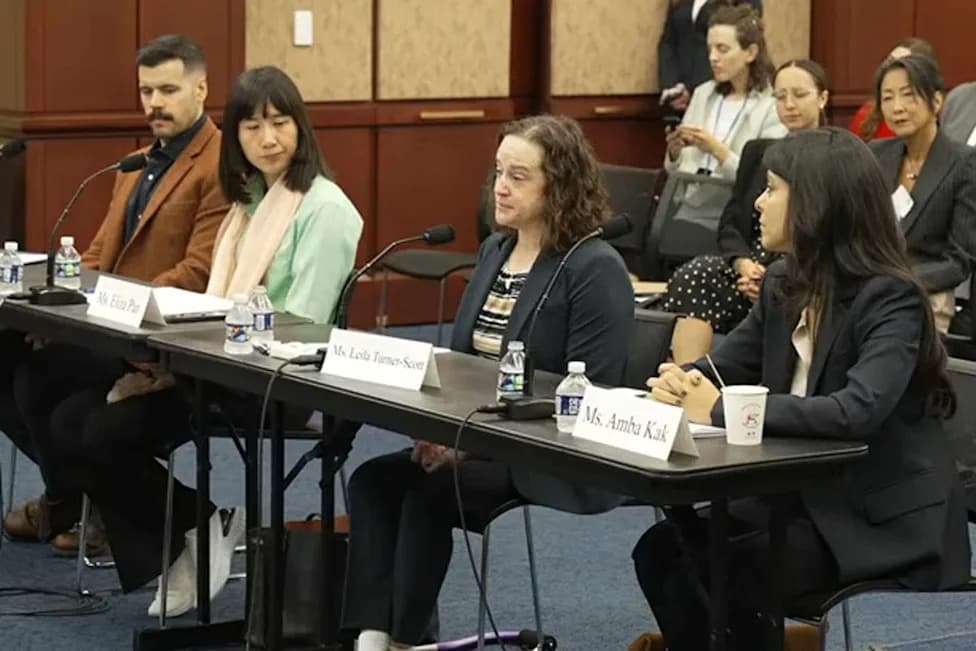
The EPA has repealed most of the Biden-era 2024 carbon-pollution rule for fossil-fuel power plants and is proposing to rescind remaining greenhouse-gas standards, arguing that the Clean Air Act does not authorize such climate regulation. The repeal will take effect 60 days after publication in the Federal Register; the agency will hold a public hearing and a 45-day comment period. Supporters say the move reduces costly burdens on utilities and aids grid reliability; opponents warn it will raise pollution and health risks for nearby communities and plan legal challenges.
EPA Repeals Most 2024 Power-Plant Climate Rule — Communities and Cities Sound the Alarm
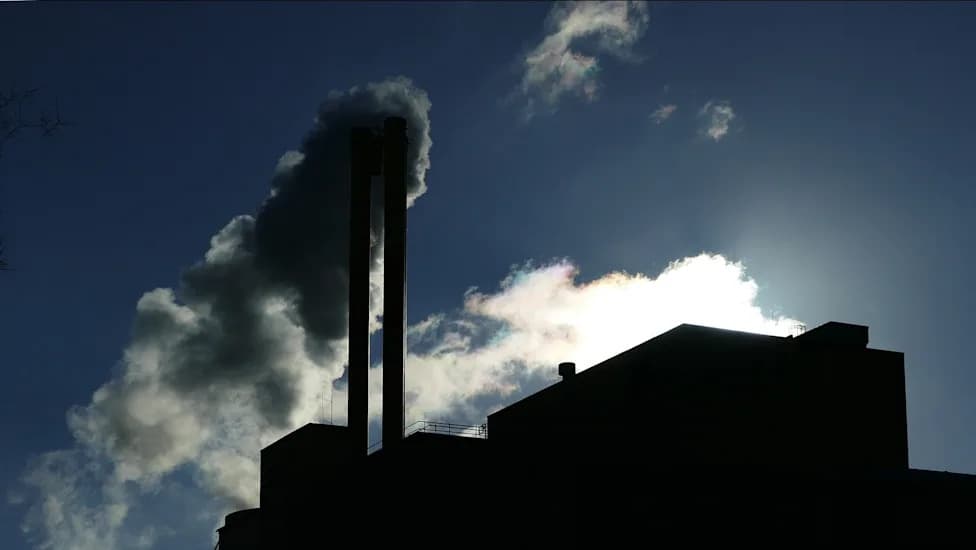
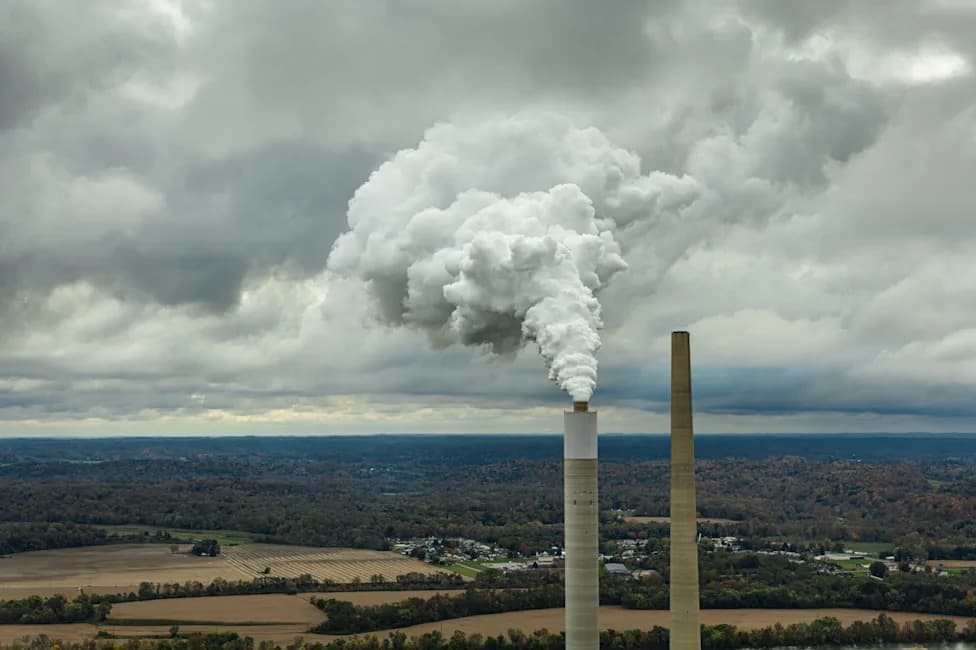
Photo Credit: iStock
The Environmental Protection Agency has moved to repeal the bulk of the Biden-era 2024 carbon-pollution rule for fossil-fuel power plants and has proposed rescinding the remaining greenhouse-gas standards for the sector, according to reporting by Utility Dive. The agency says the Clean Air Act does not authorize regulating power-plant greenhouse gas emissions for the purpose of addressing climate change.
What the EPA Has Done and What Comes Next
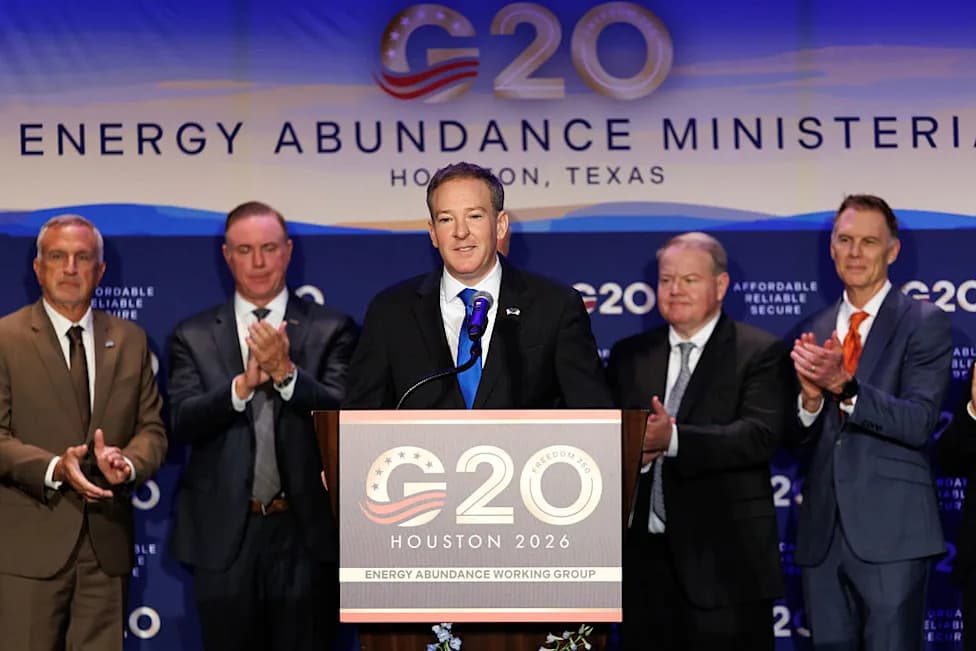
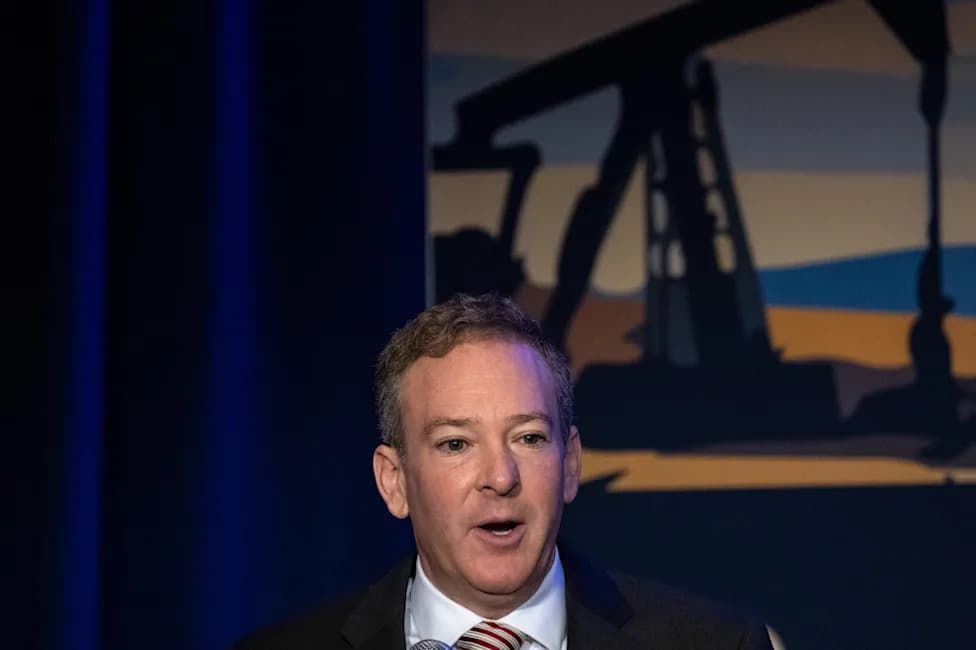
Administrator Lee Zeldin announced that the agency has completed repeal of most elements of the 2024 rule and is separately proposing to withdraw the remaining standards. The repeal is scheduled to take effect 60 days after publication in the Federal Register. The EPA also plans a public hearing and will open a 45-day public comment period on the broader proposal.
Legal Rationale and Context
In defending the move, the EPA cited the Trump administration's reversal of the 2009 Endangerment Finding and pointed to the Supreme Court's Loper Bright decision as supporting precedent for narrowing federal carbon regulation authority. These legal arguments are likely to be contested in court by states, municipalities, and advocacy groups.
Why This Matters
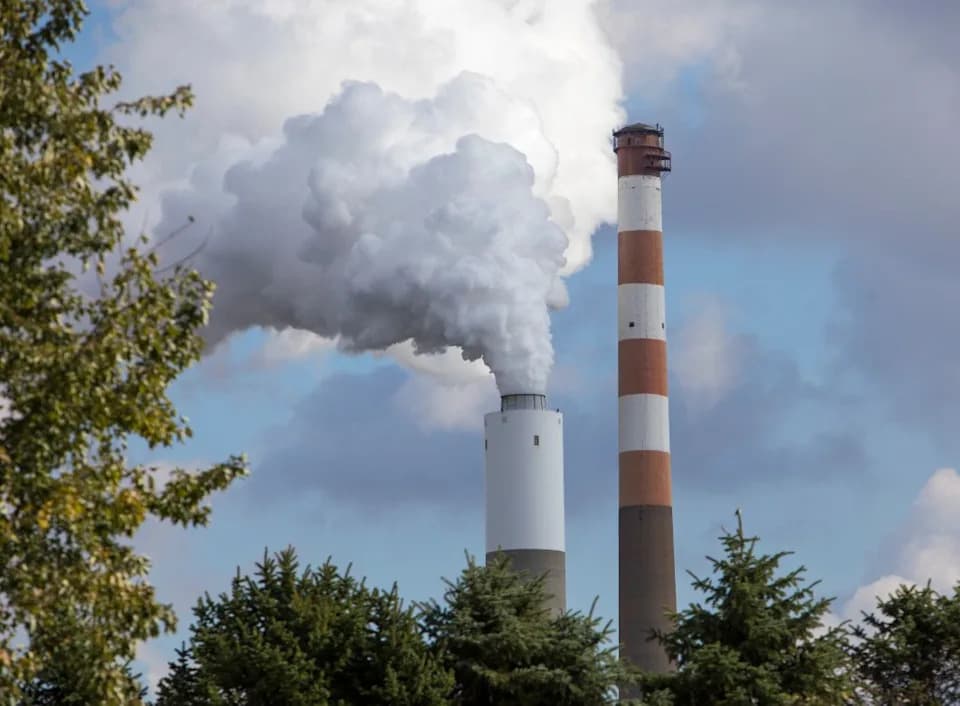
Power plants are a major source of climate-warming emissions. Federal limits were intended to steer the electricity sector toward cleaner generation over time. Weakening those standards could slow emissions reductions that help limit rising temperatures, worsening wildfires, more intense storms and flooding, and other climate impacts that disproportionately affect frontline communities.
NASA: "Human activities (primarily the human burning of fossil fuels) have warmed Earth's surface and its ocean basins, which in turn have continued to impact Earth's climate."
Reactions: Utilities, Advocates and Officials
Supporters of the rollback argue that the prior rules were costly and unrealistic for utilities. Rachael Marsh, Chief Legal Officer at the Edison Electric Institute, said regulatory certainty is needed for long-term investments that support grid reliability and that the industry will work with EPA on a "durable and achievable regulatory framework." Jim Matheson, CEO of the National Rural Electric Cooperative Association, called the Biden-era limits "unlawful, unrealistic and unachievable," while Michelle Bloodworth of America's Power said they effectively forced premature plant closures or reliance on expensive carbon-capture technology.
Opponents counter that the rollback ignores public-health and economic costs from increased pollution and delayed climate action. Former EPA officials, environmental groups, and state and local leaders have vowed to organize opposition and pursue litigation. Connecticut Attorney General William Tong said, "We've fought every one of these reckless rollbacks, and we're ready to sue again now to protect our health and safety." Climate Mayors Executive Director Kate Wright urged the EPA to work with local leaders to protect public health instead of removing safeguards.
Outlook
Expect prolonged legal and policy battles. Utilities, regulators, cities, states and advocacy organizations are likely to clash over what constitutes a practical, long-term regulatory framework for power generation — and who should bear the costs when federal climate protections are rolled back. Federal courts and the Supreme Court have recently been central players in shaping power-plant regulation, and additional judicial challenges appear likely.
Key sources: Utility Dive reporting; EPA announcements; NASA climate statement.
Help us improve.