Senior technology leaders including Nvidia's Jensen Huang and OpenAI's Sam Altman are expected to attend a White House state dinner for Chinese President Xi Jinping, underscoring AI's central role in U.S.-China relations. The visit comes amid U.S. export controls on advanced chips and heightened industry warnings about the risks of frontier AI development. While some tech figures push for caution and global oversight, analysts say sweeping agreements to slow development are unlikely; more limited cooperation on safety measures is expected.
Jensen Huang, Sam Altman and Top Tech CEOs Expected at Xi’s White House State Dinner — AI Set To Dominate Talks
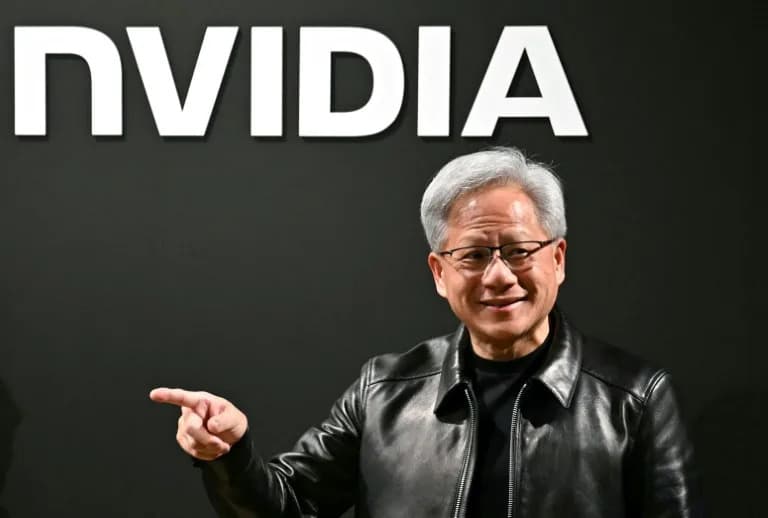
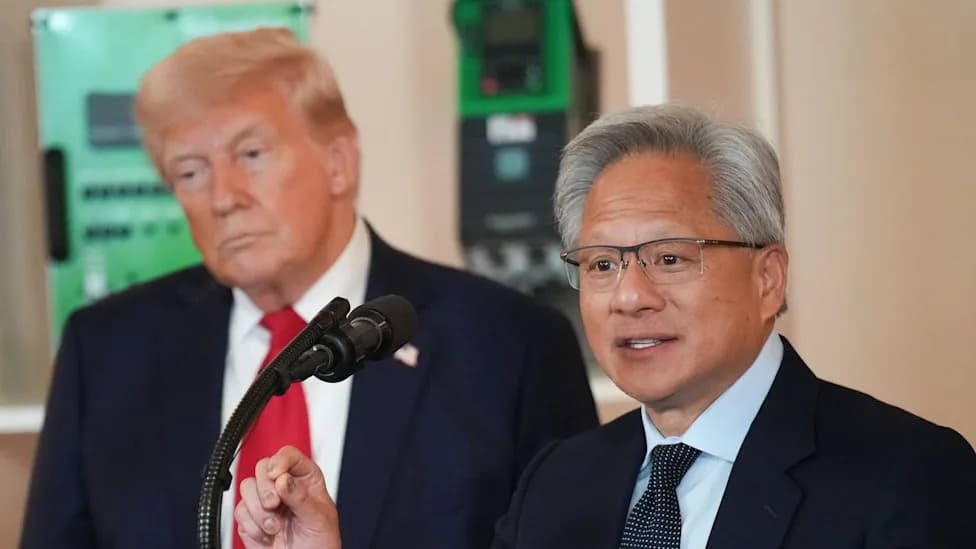
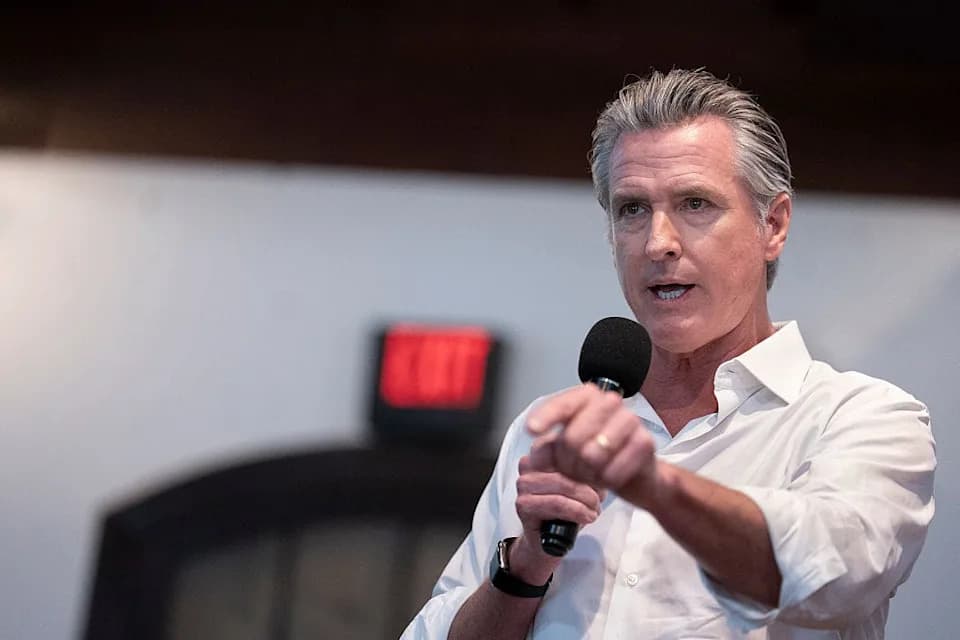
Nvidia CEO Jensen Huang is among tech leaders invited to a state dinner for Chinese President Xi Jinping at the White House (Philip FONG)
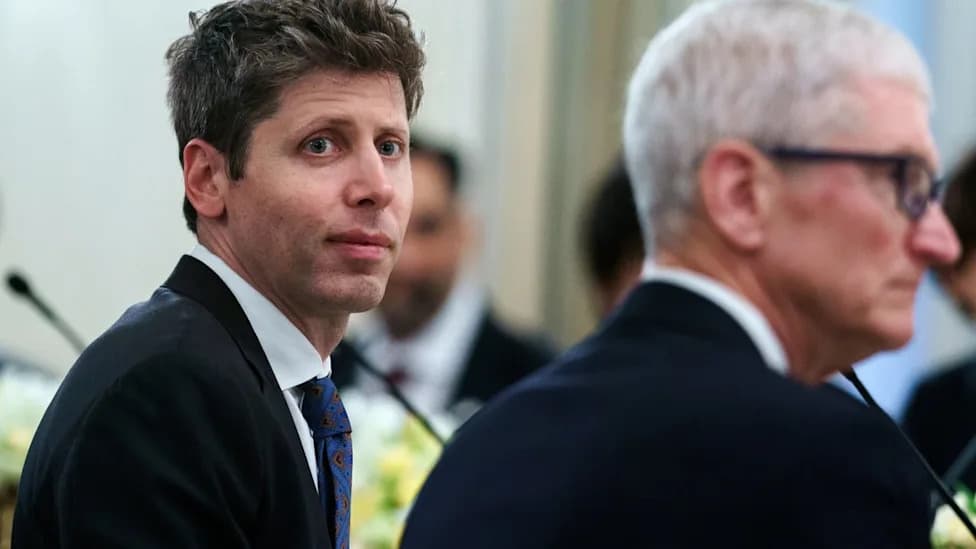
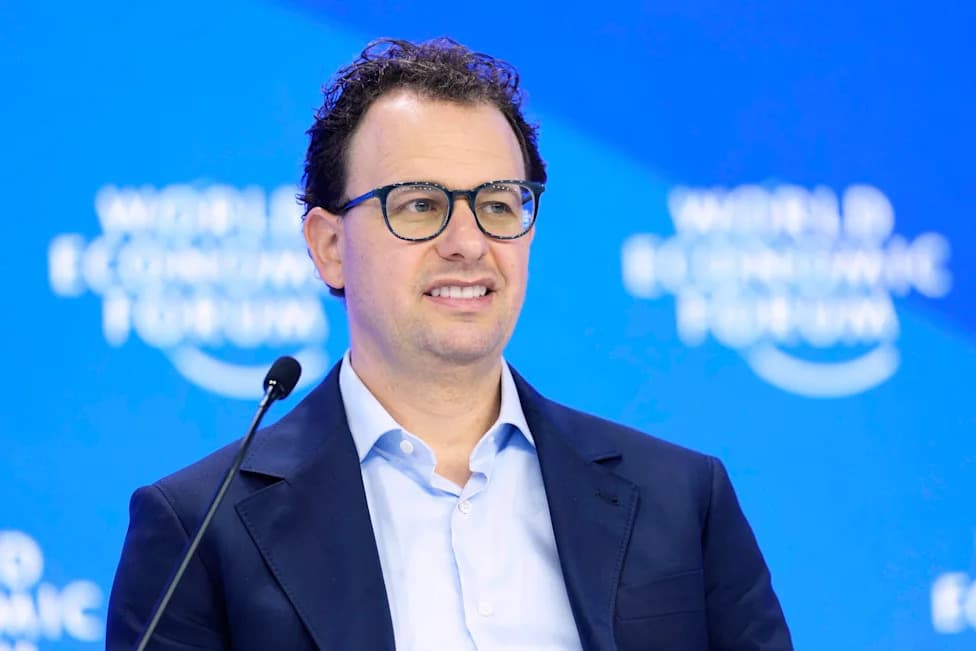
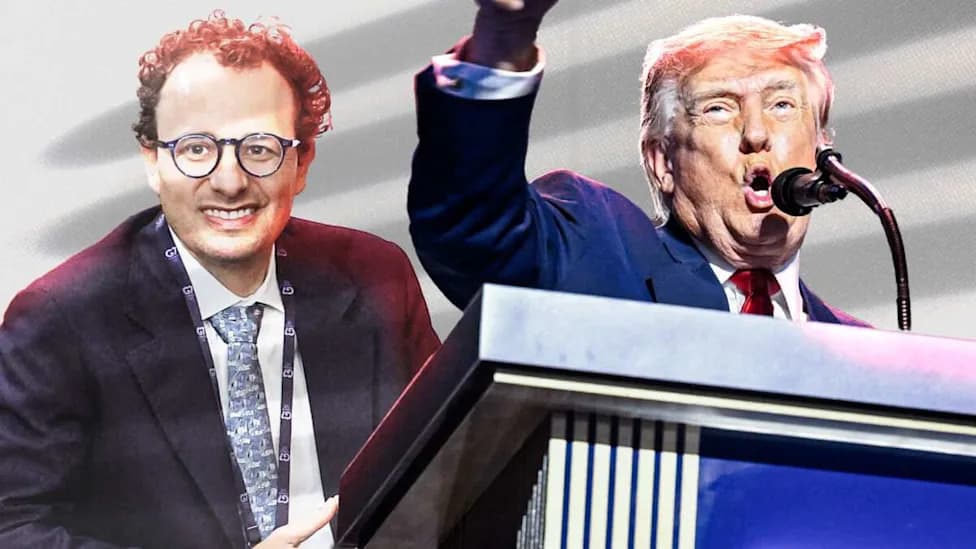
Nvidia chief Jensen Huang and OpenAI CEO Sam Altman are among several senior technology executives expected to attend a White House state dinner for Chinese President Xi Jinping next week, a U.S. official said on condition of anonymity.
Other reported attendees include Amazon founder Jeff Bezos, Tesla and SpaceX chief Elon Musk, Apple CEO Tim Cook and Google CEO Sundar Pichai. The guest list underscores how central artificial intelligence is likely to be in high-level conversations between the United States and China, the two leading powers in the global AI race.
AI, Chips and Geopolitics
Officials and industry leaders expect AI to loom large in discussions. Washington has used export controls to restrict Chinese access to advanced semiconductors needed for frontier AI research, including high-end chips produced by companies like Nvidia. Those controls reflect broader strategic concerns about maintaining a technological edge.
Industry Warnings and Calls For Caution
The debate over AI's future remains sharp. Some U.S. developers — including OpenAI, Anthropic, Google and Meta — have argued that slowing progress could cede advantage to rivals. At the same time, prominent industry voices have issued stark warnings about potential risks from advanced AI systems.
Former Anthropic researcher Jacob Coxon said some builders "earnestly believe that it could kill us all by the end of the decade," a comment that helped reignite urgency about existential risks.
Anthropic CEO Dario Amodei published an essay urging caution and targeted slowdowns in certain development paths. Sam Altman and Elon Musk have said they support more cautious approaches, and Demis Hassabis of Google DeepMind has called for a U.S.-led global regulatory body to govern advanced AI.
Political Responses And Likely Outcomes
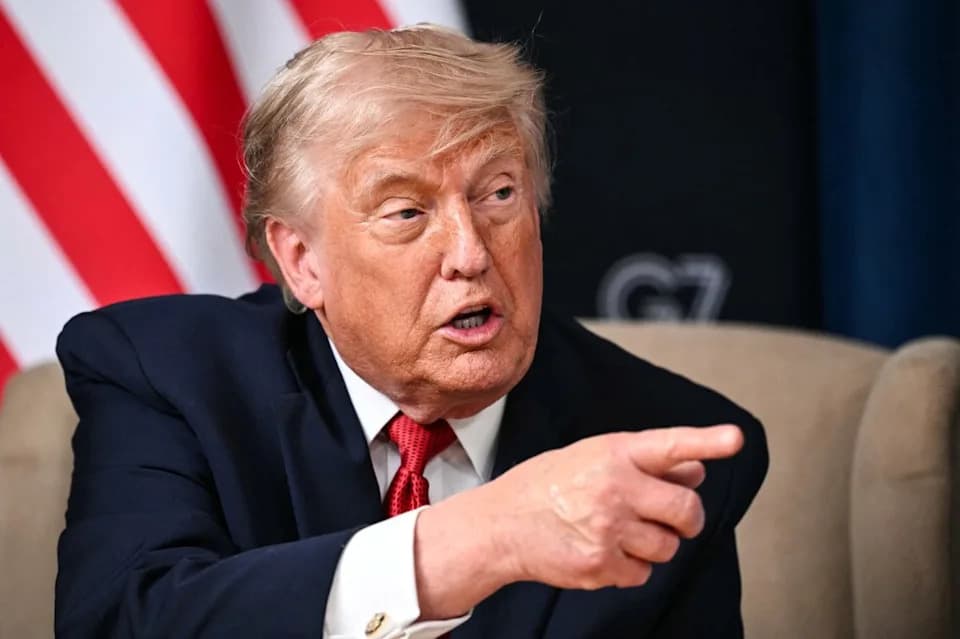
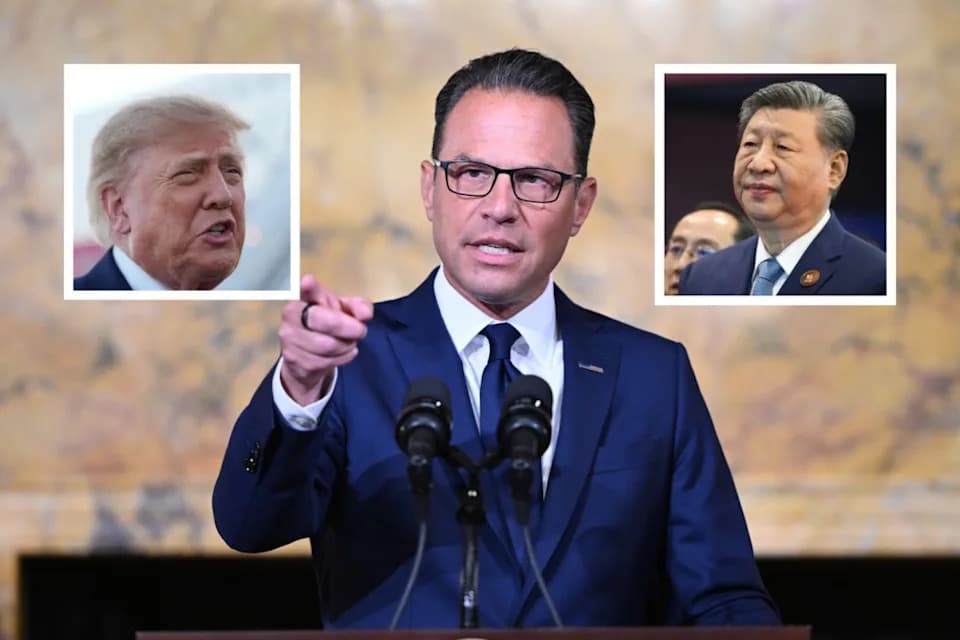
U.S. President Donald Trump this week dismissed some fears about AI as overblown and urged American firms to keep innovating to stay ahead of China. Chinese policymakers, meanwhile, have largely emphasized nearer-term harms such as deepfakes and child safety, though China’s spy agency chief also warned that AI could pose national security risks.
Despite the rhetoric and shared concerns, analysts say an ambitious agreement — such as a coordinated slowdown in development or binding global safeguards — is unlikely to emerge from the meeting. Observers expect more limited cooperation on targeted safety measures and confidence-building steps rather than sweeping commitments.
What To Watch: Will leaders use the summit to establish shared safety norms, expand export-control coordination, or focus on narrower, practical actions such as joint research exchanges and crisis hotlines? The attending tech executives will underscore how deeply AI is woven into both economic competition and global security conversations.
Help us improve.