The D.C. Circuit found the Department of Energy exceeded its authority by using emergency powers to keep the J.H. Campbell coal plant in Michigan operating past its scheduled retirement. The court said the emergency statute is a narrow, last-resort tool and rejected claims of speculative grid shortages. Keeping Campbell online produced thousands of tons of pollution and about $259 million in added costs that Consumers Energy seeks to recover from ratepayers. The ruling narrows future use of "energy emergency" powers and could affect related cases.
Appeals Court Rules DOE Overstepped by Keeping Michigan Coal Plant Open Under Emergency Authority
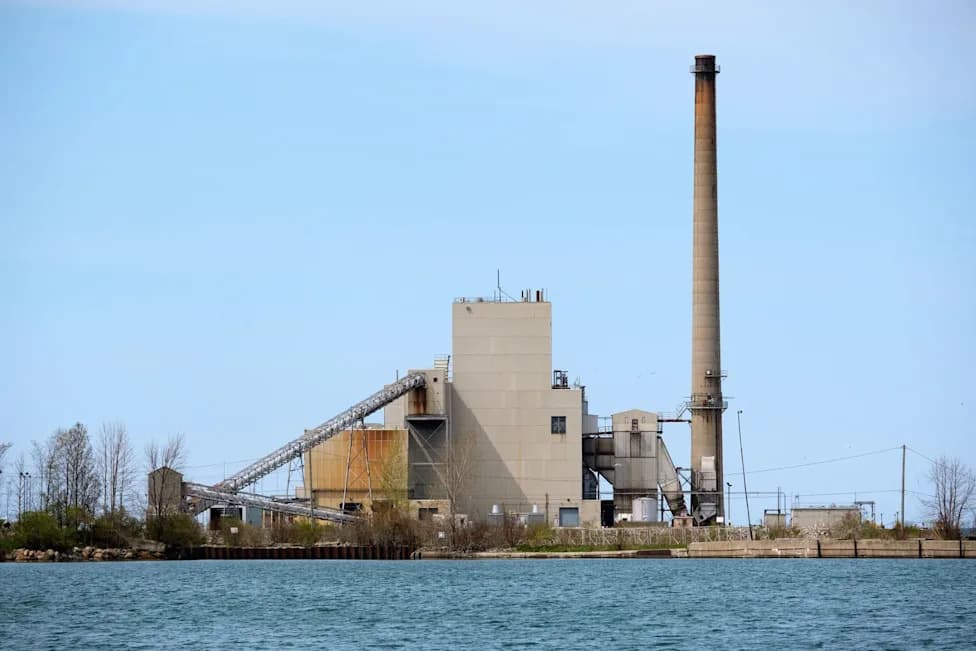
Photo Credit: iStock
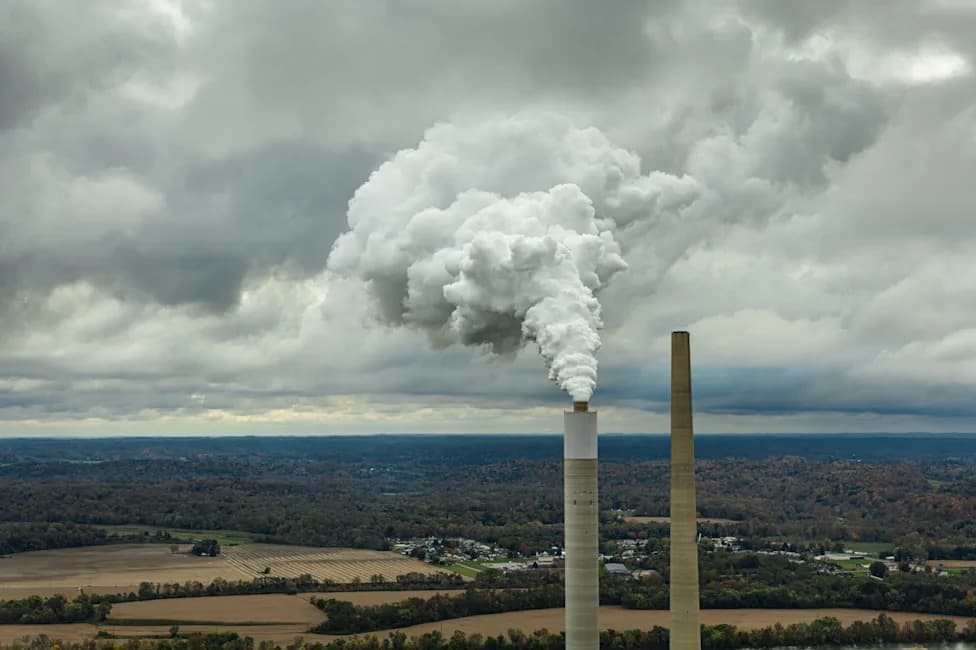
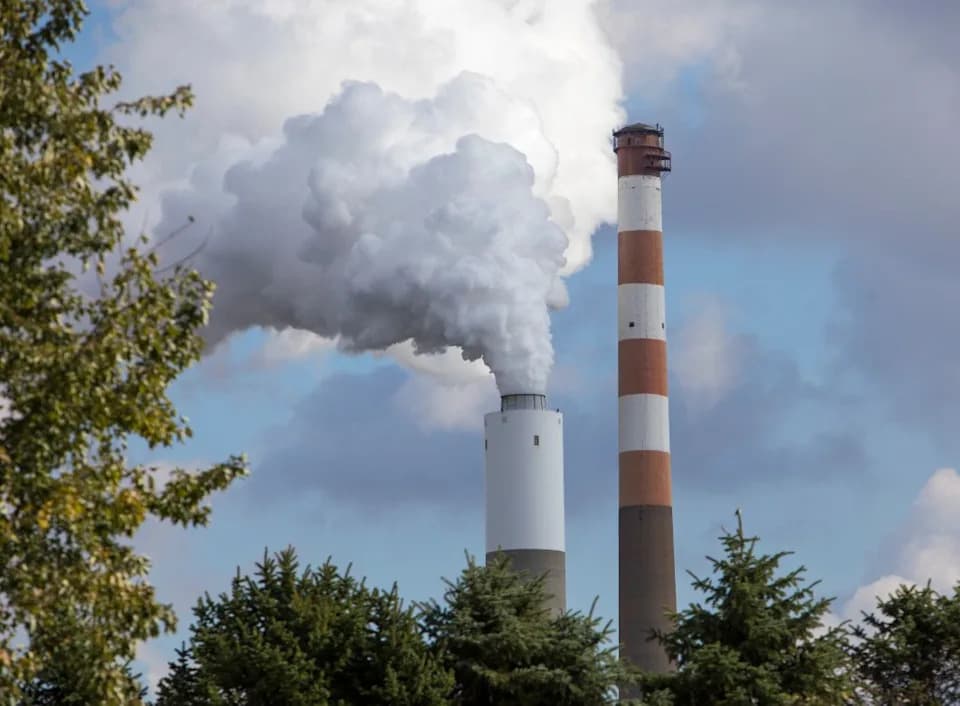
The U.S. Court of Appeals for the D.C. Circuit ruled that the Department of Energy exceeded its statutory authority when it used emergency powers to keep the J.H. Campbell coal-fired power plant in West Olive, Michigan, running past its scheduled retirement. The decision is one of the first clear judicial limits on the administration's use of so-called "energy emergency" authorities and could affect other pending cases involving older fossil-fuel units.
What the Court Said
In an opinion by Judge Cornelia Pillard, the court said the emergency statute "is essentially a narrow, last-resort backstop" and cannot be stretched into a broad vehicle for prolonging the life of aging fossil-fuel plants based on speculative grid-shortage claims. The D.C. Circuit rejected the administration's argument that potential outages and rising data-center demand justified keeping Campbell online.
"The emergency statute is essentially a narrow, last-resort backstop." — Judge Cornelia Pillard
Environmental and Financial Consequences
Since the order to keep the unit operating, the Campbell facility has emitted roughly 1,000 tons of nitrogen oxides (NOx), 2,000 tons of sulfur dioxide (SO2), and about 140 tons of particulate matter. The Environmental Defense Fund (EDF) estimates that the added pollution could be linked to roughly 100 asthma cases among about 3,000 residents in West Olive.
Economically, the decision to keep Campbell online has also been expensive: EDF and other reports put the added cost near $259 million. Consumers Energy is seeking to recover those costs from ratepayers in Michigan and 10 other states, a move that has raised concerns about who ultimately pays for temporary policy decisions.
Broader Implications
Campbell is one of seven fossil-fuel plants targeted by the administration's emergency declarations. Environmental groups say the ruling narrows how the Department of Energy can apply those powers and could inform several related lawsuits that have been effectively paused pending this decision. Advocates want courts to require officials to demonstrate a real, concrete emergency before invoking emergency authorities to keep polluting units online.
Legal observers note the administration could seek a rehearing in the D.C. Circuit or appeal to the U.S. Supreme Court, which would extend the dispute and potentially delay final resolution.
Context
Critics say the administration's broader use of emergency tools, including a 2025 "national energy emergency" declaration, has prioritized fossil-fuel production over cleaner energy development. They point to the public-health and climate harms of continued fossil-fuel reliance — from increased pollution-related illnesses to contributions to extreme weather — and argue that market and regulatory forces, not emergency orders, should guide the grid's transition.
Bottom line: The D.C. Circuit's decision reinforces legal limits on emergency power use, underscores the environmental and financial costs of extending aging coal operations, and may significantly influence how — and when — federal officials can intervene to keep retiring plants online.
Help us improve.