The Texas Supreme Court allowed a month-old infant born to surrogate McKenna West to be transferred from Texas to Los Angeles for urgent treatment after a California court recognized the biological parents' custody. The baby, named Rumi, has hypoplastic left heart syndrome and doctors said the window for an ICU-to-ICU transfer is short and "ripe now." The case has sparked a heated legal fight over parental rights, medical decision-making and reproductive choices, and drew intervention from Texas Attorney General Ken Paxton.
Texas Supreme Court OKs Transfer Of Infant Born To Surrogate To California For Urgent Heart Treatment

McKenna West, left, arrivers with her legal team for a court hearing in Dallas in August.Photograph: LM Otero/AP
The Texas Supreme Court on Thursday cleared the way for a month-old infant born via surrogate to be moved from Texas to Los Angeles for urgent medical care, following a California court's earlier recognition of the biological parents' custody rights.
Medical Urgency Drives Ruling
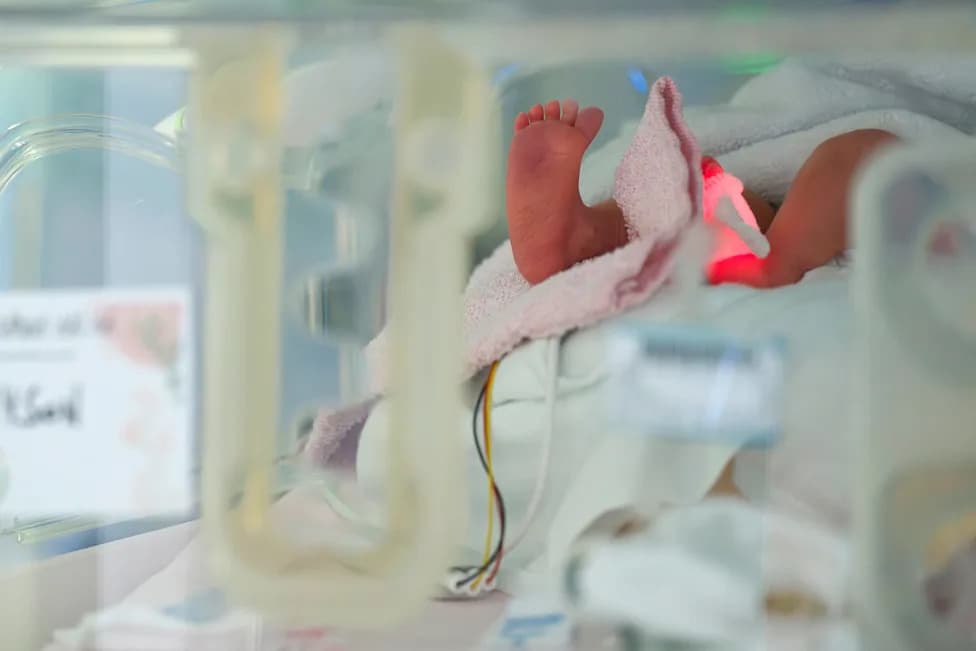
The infant, named Rumi by his biological parents, has hypoplastic left heart syndrome (HLHS), a rare and serious congenital defect that restricts blood flow and typically requires multiple, complex surgeries. In its order the court emphasized that:
"Sustaining the life of the medically fragile child is the paramount concern in this time-sensitive matter."
Texas doctors testified the window for an ICU-to-ICU transfer is limited and described it as "ripe now," creating urgency to move Rumi to a facility in Los Angeles where the parents live and where specialized care is available.
Legal Battle Over Custody and Care
Surrogate McKenna West had tried to prevent the biological parents, Nausheen Gilkar and Omar Ahmed of California, from taking the infant out of Texas. The dispute stemmed from prenatal decisions: the couple says they requested a termination when the heart defect was discovered in utero, while West and her lawyers contend she was pressured and later refused the procedure. West, who lives in Alaska, traveled to Texas—where abortion is restricted—to carry and deliver the baby.
West appealed to the U.S. Supreme Court and argued the parents intended to put the child into end-of-life hospice care rather than pursue further treatment; the parents' attorneys have strongly denied that claim, calling it "simply not true." The parents and their lawyers maintain they seek life-sustaining treatment for Rumi.
State-Level Intervention
Texas Attorney General Ken Paxton intervened in the case shortly after Rumi's birth to ensure the infant would receive medical care, a move that drew national attention to the dispute and heightened the political and legal stakes.
What Happens Next
The Texas Supreme Court's order permits the transfer to Los Angeles to proceed for urgent medical reasons. The case remains legally complex—appeals and additional filings are possible as both sides continue to press their positions in court. For now, medical professionals and the courts have prioritized immediate treatment options for Rumi.
Quote from the parents: In August, Nausheen Gilkar told a Dallas court, "He's the love of our lives. He's suffering a lot," underscoring the emotional intensity and human stakes of the dispute.
Help us improve.