The U.S. has urged Americans to reconsider travel to Saudi Arabia as Iran-linked strikes and Houthi attacks escalate, prompting renewed travel advisories and local safety warnings. Crude loadings at Yanbu have stopped, threatening energy supplies and pushing up fuel costs. The House passed a 220-204 concurrent resolution to limit the president's war powers, and the CBO estimates the conflict has cost at least $38 billion through July.
U.S. Urges Americans To Reconsider Travel To Saudi Arabia As Iran-Linked Attacks Disrupt Shipping And Energy

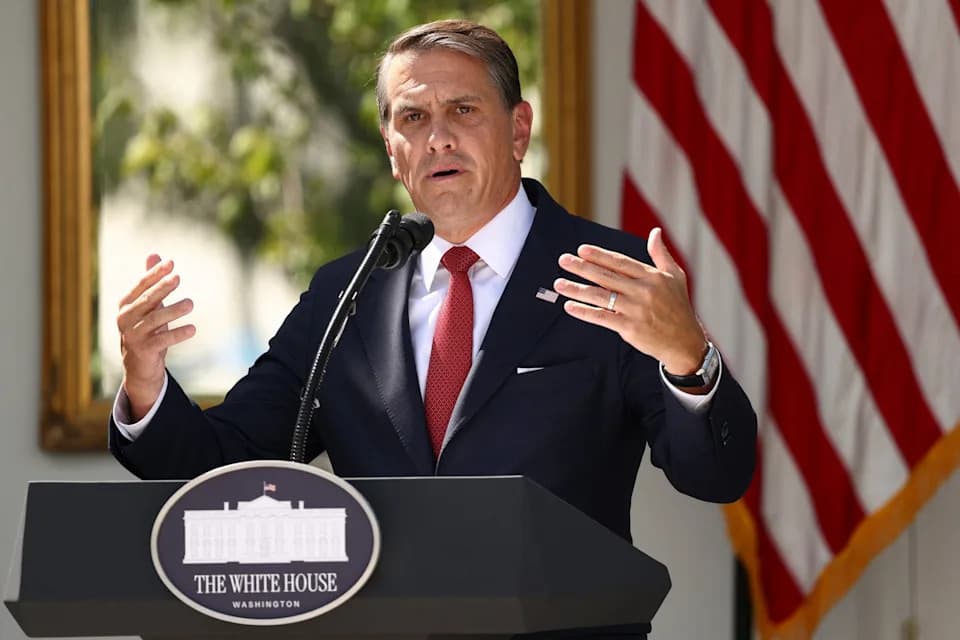
Mark Schiefelbein/AP - PHOTO: Vice President JD Vance speaks during an event at the FBI Field Office in Kansas City, Mo., Sept. 14, 2026.
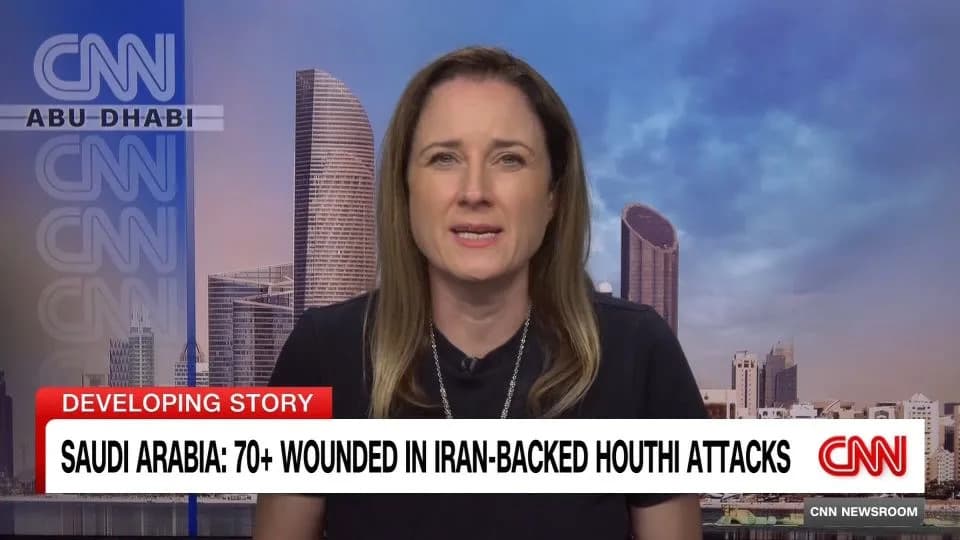
The United States has urged American citizens to "reconsider travel" to Saudi Arabia as regional hostilities tied to the war with Iran intensify, disrupting shipping, energy flows and diplomacy across the Gulf and Red Sea.
New Attacks and Regional Tensions
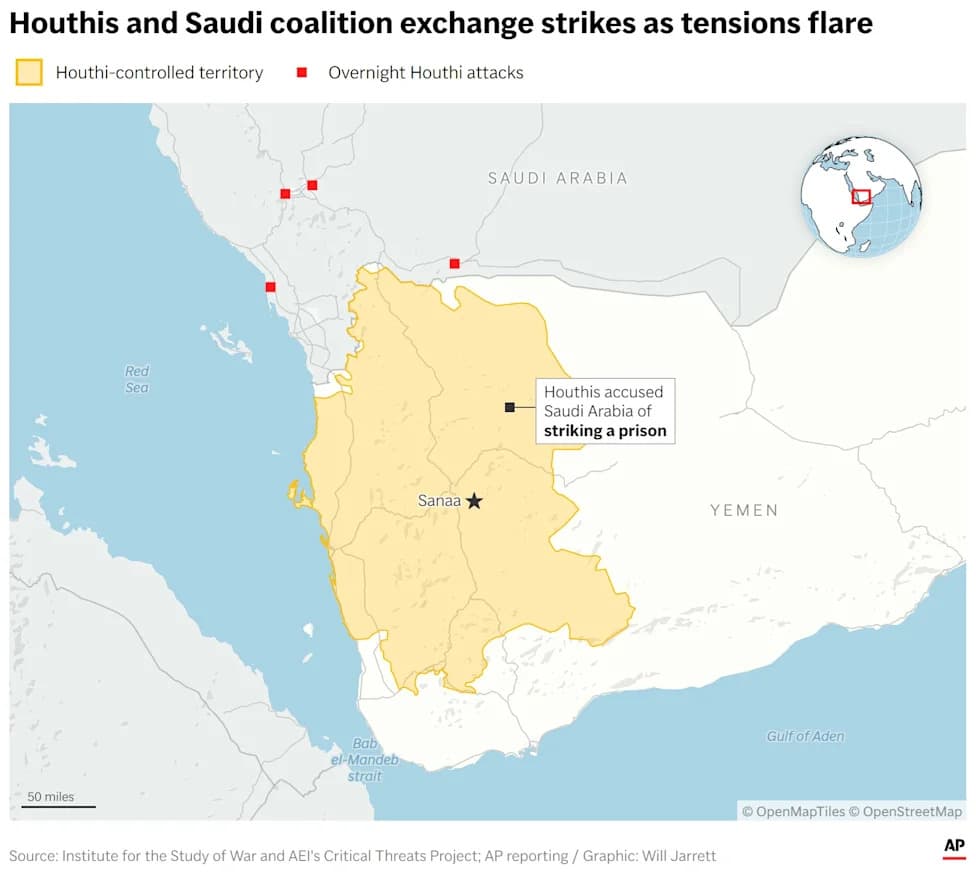
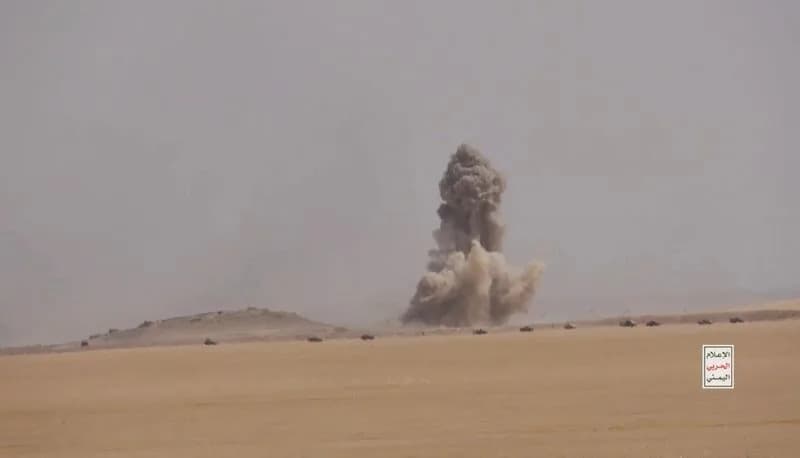
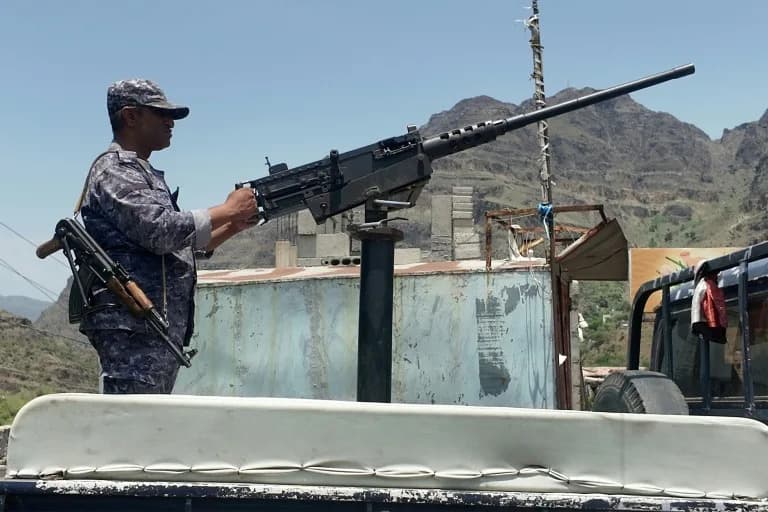
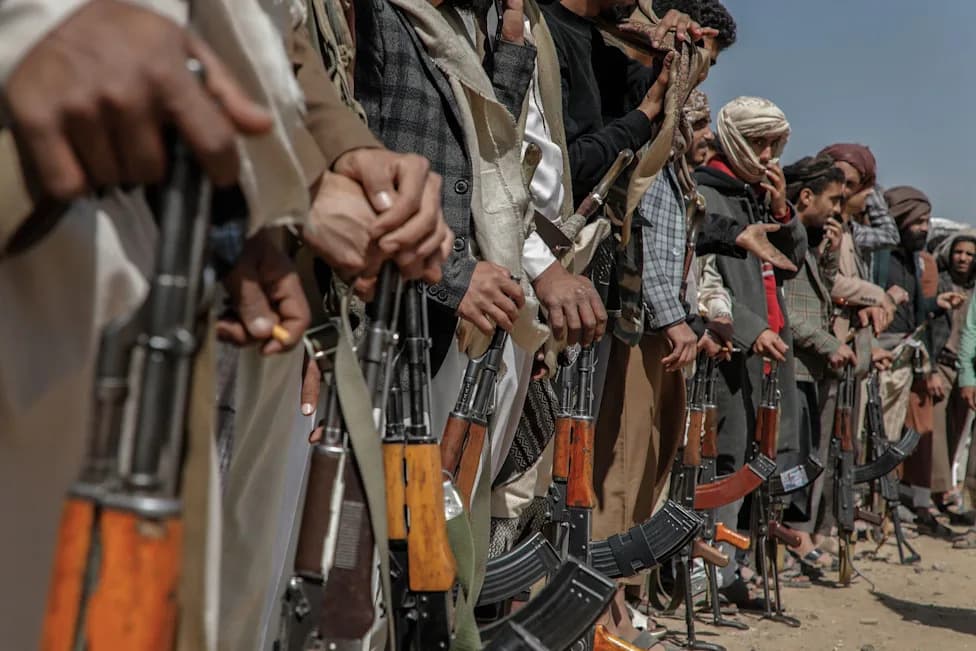
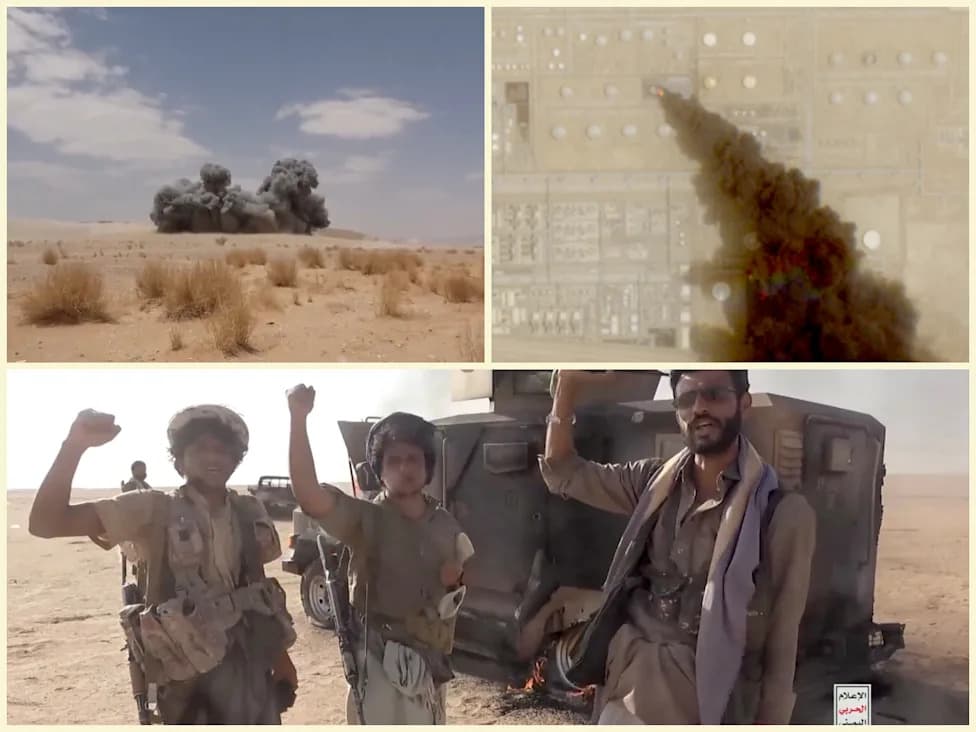
Houthi military spokesperson Yahya Saree claimed a fresh missile-and-drone assault on Saudi Aramco facilities in the Red Sea port of Yanbu and said ballistic missiles targeted King Khalid Air Base near Khamis Mushait. The Saudi Defense Ministry had not immediately confirmed those claims.
Travel Advisory and Local Warnings
The U.S. State Department reissued a Level 3 travel advisory for Saudi Arabia, urging Americans to reconsider travel because of the risk of Iranian drone and missile strikes, threats to American interests, terrorism, exit bans and strict local laws on social media. It reiterated a Level 4 warning for areas along the Yemen border, explicitly advising: do not travel to the Yemen border.
Energy And Shipping Disruptions
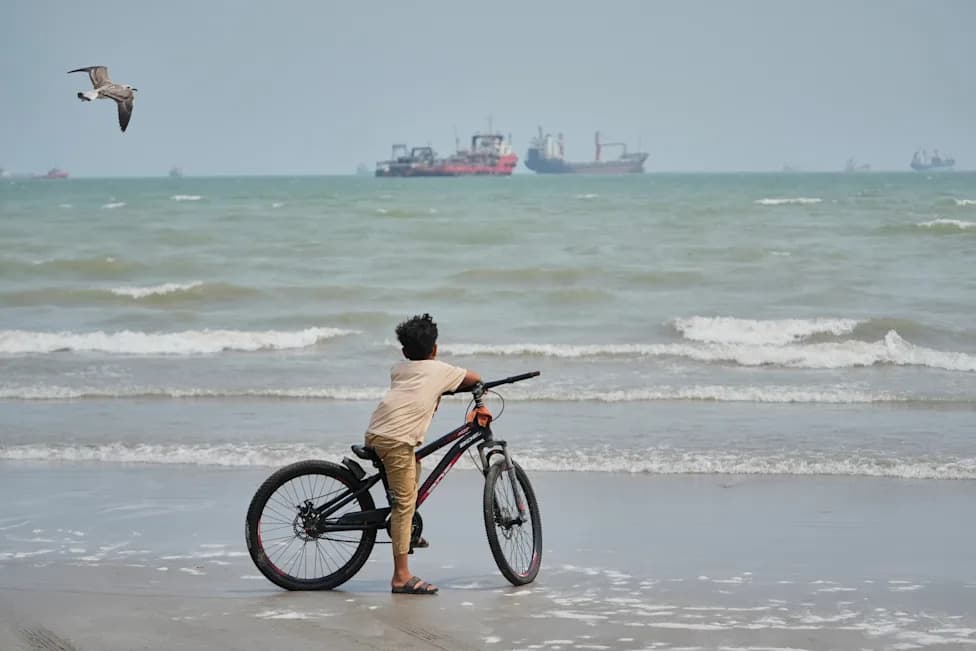
Sources told ABC News that crude loadings at Yanbu have stopped. The Yasref refinery, a 400,000 barrels-per-day facility and one of the Red Sea's largest diesel exporters, has served as an important bypass route during Strait of Hormuz disruptions. Analysts warn interruptions could drive higher fuel prices and hit consumers, particularly in the U.S. Northeast.
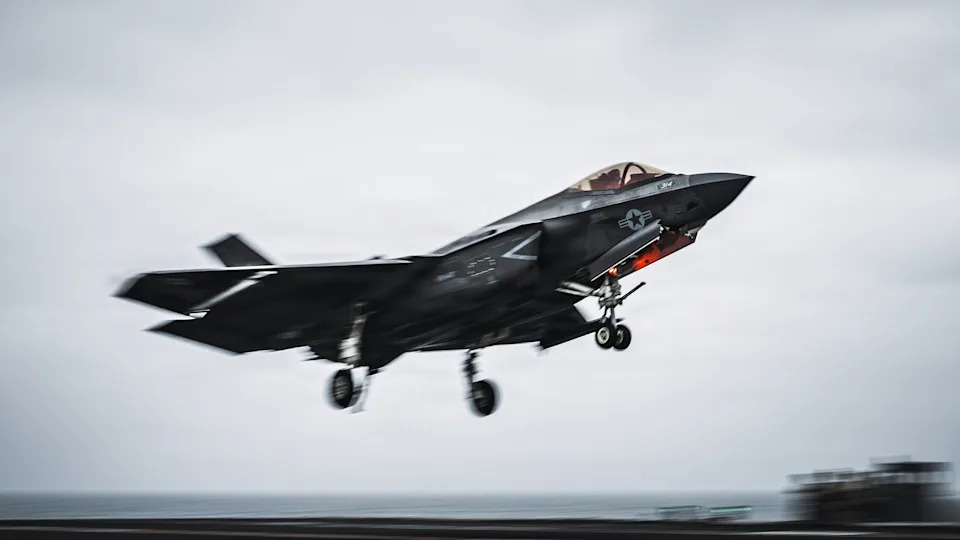
US Navy - PHOTO: An F-35C Lightning II, attached to Strike Fighter Squadron 147, lands on the flight deck of Nimitz-class aircraft carrier USS George Washington, Sept. 4, 2026.
Domestic Political And Budgetary Impact
The Republican-led House passed a concurrent resolution, 220-204, calling on the president to terminate the use of U.S. armed forces in hostilities against Iran. Seven Republicans joined Democrats in supporting the nonbinding measure, which now heads to the Senate. The vote represents another congressional rebuke of the administration's conduct of the conflict.
A nonpartisan Congressional Budget Office assessment estimated the war has cost the United States at least $38 billion through the end of July and warned that depleted weapons stocks could take a half-decade or more to rebuild, potentially limiting the Pentagon's ability to respond to another major conflict.
Diplomacy And Regional Reactions
Secretary of State Marco Rubio spoke with Omani Foreign Minister Sayyid Badr al-Busaidi to discuss de-escalation and preserving freedom of navigation through the Strait of Hormuz. Qatar warned that a closure of the Bab el-Mandeb Strait would be catastrophic for global trade, and Oman played a constructive role in talks to reduce tensions.
Local Alerts And Maritime Incidents
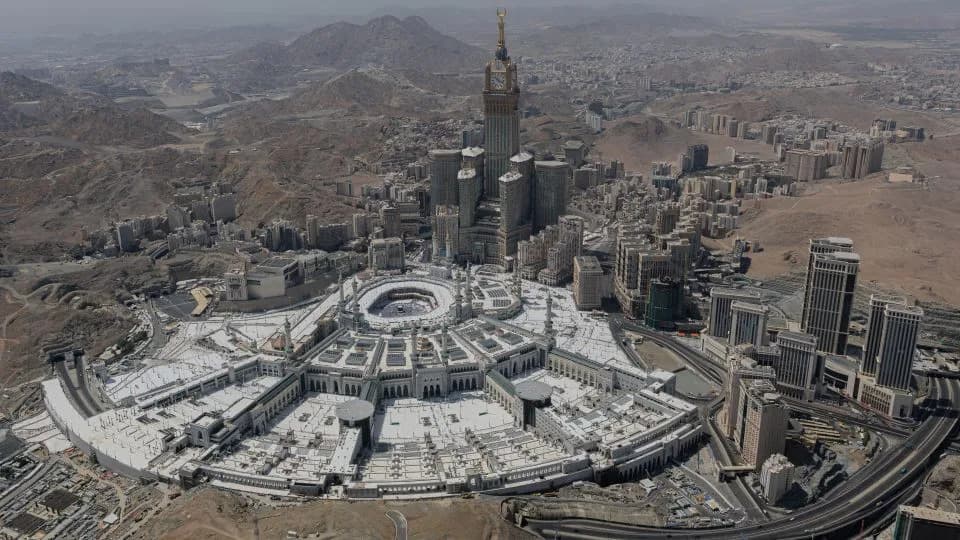
Saudi civil defense issued a rare public warning of a potential danger to Mecca, Jeddah and Taif, advising residents to avoid bridges, gatherings and high-rise buildings; officials later said the immediate danger had passed. The United Kingdom Maritime Trade Operations Centre reported that a vessel was struck by an unknown projectile in the Strait of Hormuz; authorities said there was no reported damage or environmental impact and investigations were ongoing.
Why this matters: The combination of attacks on oil infrastructure, halted crude loadings at a major Red Sea terminal, rising government costs and congressional pushback highlights how the conflict is producing broad economic, security and diplomatic consequences beyond the immediate battlefield.
Help us improve.