Many Americans fear that rapid AI development will displace workers, with some predicting imminent layoffs while others say current systems still require human oversight. Recent studies from Yale's Budget Lab and the Bureau of Economic Analysis find no clear link between AI adoption and broad employment declines and even suggest AI may coincide with stronger economic growth. Policymakers remain divided over calls to pause AI development, and energy and data-center demands could slow large-scale deployment. Experts advise workers to learn AI tools and pursue skills that complement automation.
Americans Fear AI Will Cost Jobs — But Research So Far Shows Limited Impact
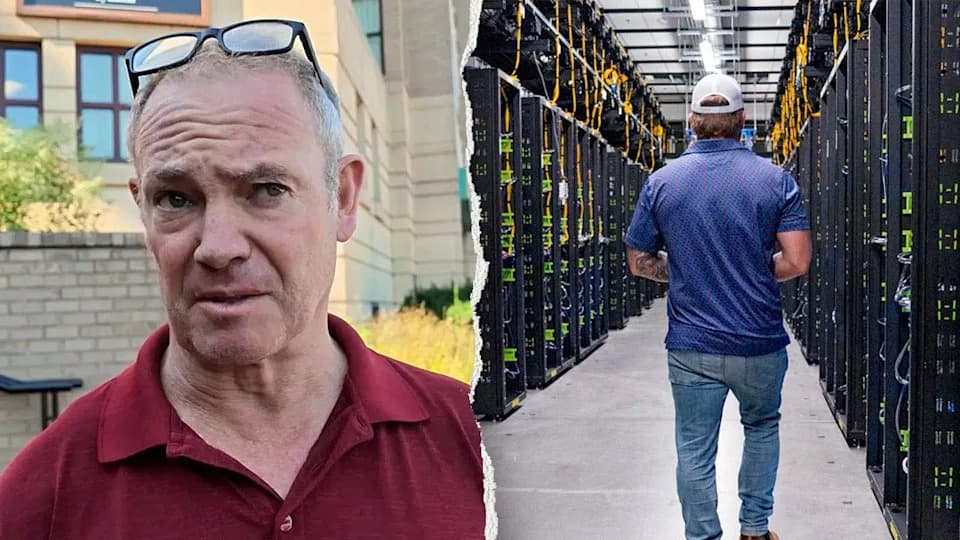
People are weighing the threat artificial intelligence poses to workers to Fox News Digital as AI infrastructure rapidly expands and new research finds little evidence of significant job losses so far.
As artificial intelligence development accelerates, many Americans worry that AI could disrupt the U.S. labor market and lead to widespread job losses. Voices from across the country expressed alarm that automation and conversational systems could displace workers — even as recent research finds little evidence of a broad employment decline tied to AI so far.
Public Reaction: Alarm, Doubt, and Calls To Prepare
Some interviewees warned that layoffs are imminent. "Maybe not yet, but it is certainly going to happen imminently," said Max, while Ivory of Virginia warned, "Everybody's probably going to get fired, just wait." Others struck a more measured tone, arguing current AI systems still require human oversight: "You're going to need the people to still implement the AI," said Crystal of Pennsylvania.
"They're all training to make people available and able to work with AI. And the net of it is that the nose count goes down." — Henry, Virginia
What The Research Says
So far, empirical studies have not shown a clear, immediate link between rapid AI adoption and large-scale job losses. A report from Yale's Budget Lab found no strong connection between accelerated AI uptake and changes in employment rates. A separate paper from the Bureau of Economic Analysis similarly concluded that AI use has not been associated with significant declines in employment and may be correlated with stronger economic growth.
Those findings do not eliminate future risks. Some experts and workers remain skeptical and expect that as firms increasingly automate tasks, overall head counts could fall in some sectors. The evidence to date suggests that any labor-market effects may be uneven across industries and occupations.
Policy Debate And Practical Limits
AI has become a major topic in Washington. Some technology leaders have urged a temporary slowdown to consider safeguards; prominent figures including former President Barack Obama and progressive lawmakers have called for caution. President Donald Trump has opposed a pause, favoring continued development.
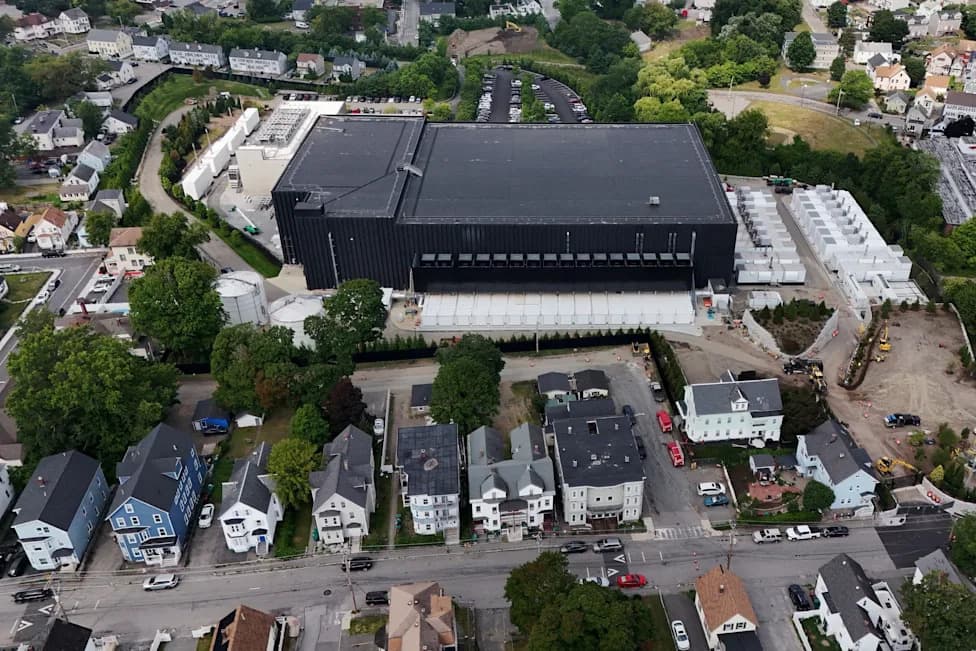
Practical constraints could also temper near-term disruption. Interviewees and analysts note energy and infrastructure limits: the Energy Information Administration projects that growth in data centers will push U.S. electricity demand to record levels in coming years, and Federal Reserve researchers have estimated that a large data center can require as much power as a small city. Such constraints may slow the pace at which AI systems can be deployed at scale.
How Workers Are Responding
With uncertainty ahead, many workers say adaptation is the best path forward. "You need to know how it works and get good at using it," said Harvey. Others urge learning new skills and focusing on roles that complement AI rather than compete with it. Economists generally emphasize targeted retraining, stronger social safety nets during transitions, and policies that help workers move into growing occupations.
Bottom line: Public anxiety about AI replacing jobs is real and widespread, but current research shows limited evidence of broad employment declines tied to AI adoption. The impact is likely to be uneven across sectors, influenced by policy choices, investment patterns, and practical constraints such as energy and infrastructure.
Help us improve.