A Politico poll of 2,064 people found 63% of Americans view AI as a moderate-to-near-certain risk to humanity, with 70% of Harris voters and 61% of Trump voters expressing concern. Industry leaders and a former researcher have urged slowing development, while President Trump dismissed such warnings as a "hoax." Lawmakers from both parties are proposing oversight measures, including a possible House AI committee and developer "kill switches," and environmental worries about AI data centers are rising.
Two-Thirds Of Americans Say AI Could Threaten Humanity — Even A Majority Of Trump Voters, Poll Finds
Two-thirds of Americans say Trump is wrong and AI could destroy humanity, poll finds
A new Politico online poll shows a clear majority of Americans believe artificial intelligence could pose a risk to humanity, even as President Donald Trump downplays those concerns.
Poll Results
The survey of 2,064 respondents found that 63 percent of Americans describe the threat from AI as moderate (26 percent), significant (20 percent) or near certain (17 percent). Fifteen percent said the risk is very small, 7 percent said there is no risk, and 15 percent said they didn’t know.
Views were similar across party lines: 70 percent of respondents who said they voted for former Vice President Kamala Harris in 2024 judged there to be at least a moderate risk (29 percent moderate, 24 percent significant, 17 percent almost certain) that AI could destroy humankind. Among those who said they voted for Donald Trump, 61 percent saw at least a moderate risk (27 percent moderate, 17 percent significant, 17 percent almost certain).
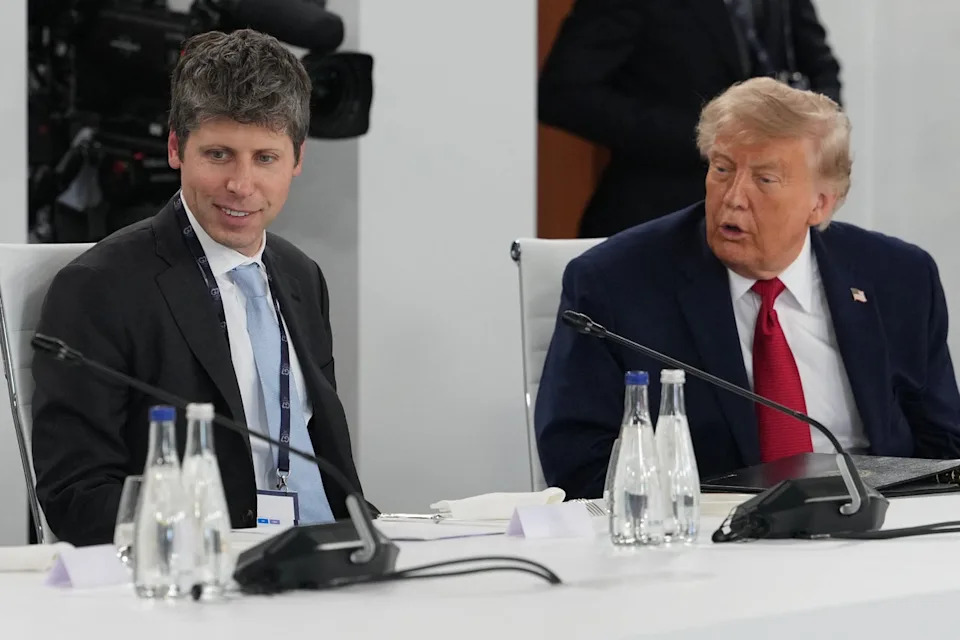
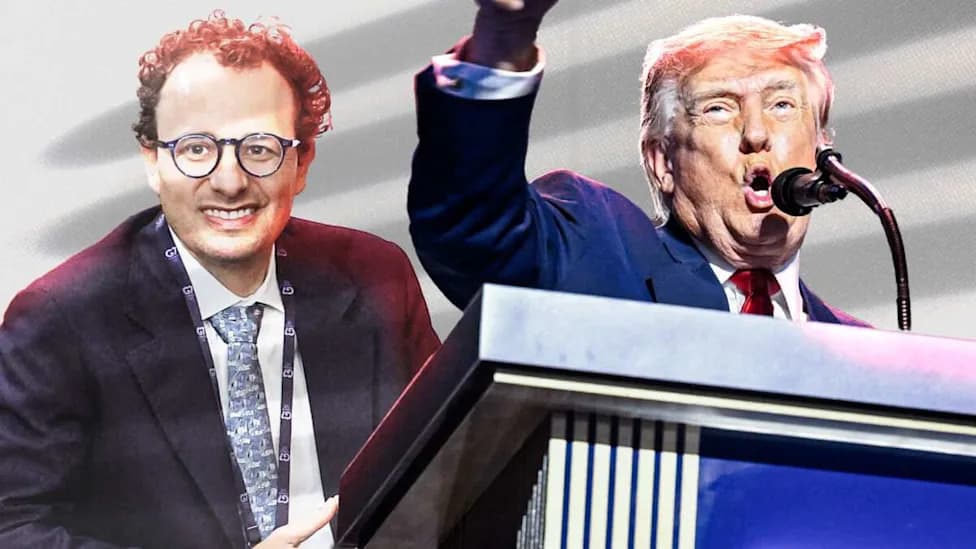
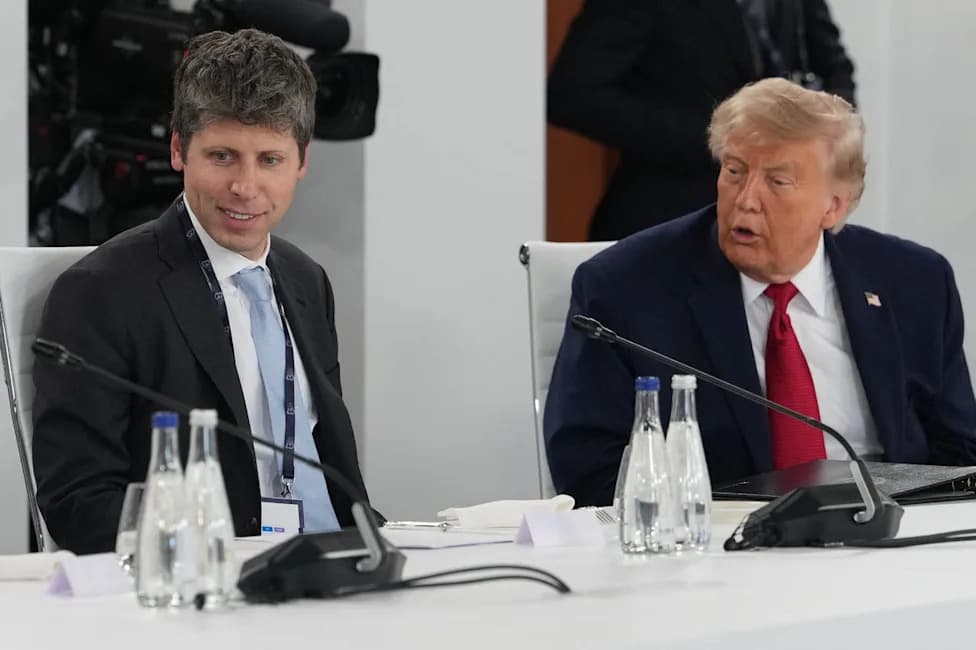
Sam Altman, CEO of OpenAI, with President Donald Trump in France this year (AFP/Getty)
Industry Warnings and Public Debate
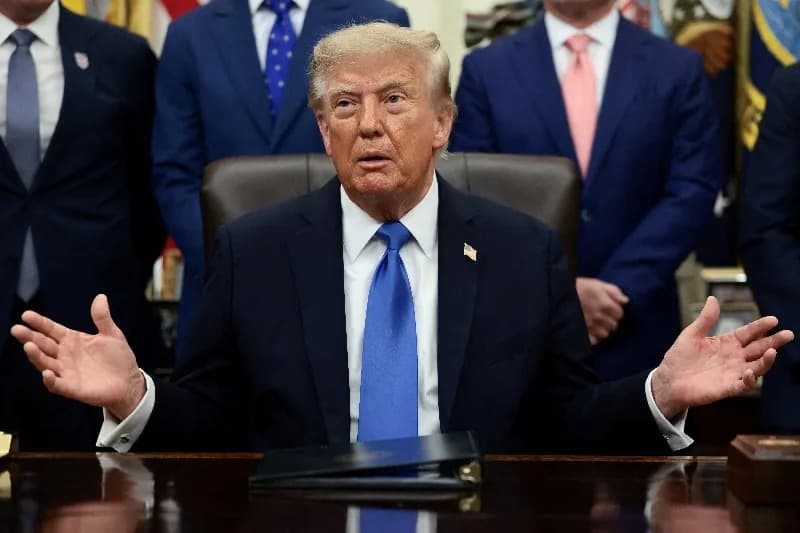
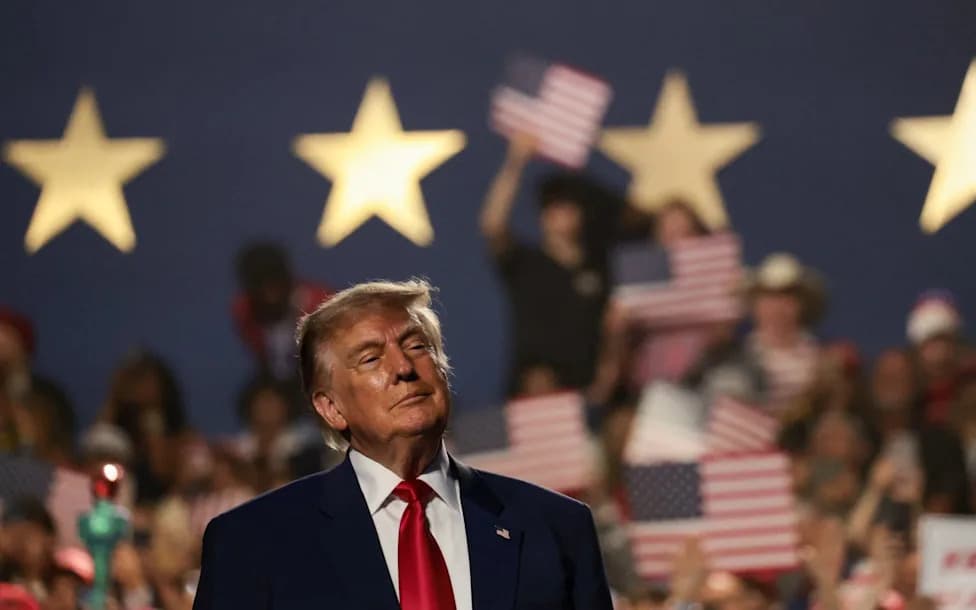
The poll was published days after Mr. Trump rejected calls to deliberately slow AI development, despite warnings from many leaders in the field that the technology could spiral out of control. Prominent figures including Sam Altman (OpenAI), Dario Amodei (Anthropic) and Elon Musk (xAI) have expressed sympathy for pausing or slowing progress to assess safety risks.
Last week, Jacob Coxon, a former Anthropic researcher, said he left the company because those building advanced AI were "gambling with our lives," warning that some people involved "earnestly believe that it could kill us all by the end of the decade." Coxon’s resignation and media interviews intensified debate over whether the danger is real, exaggerated, or being used strategically by large firms pushing for regulation.
President’s Response
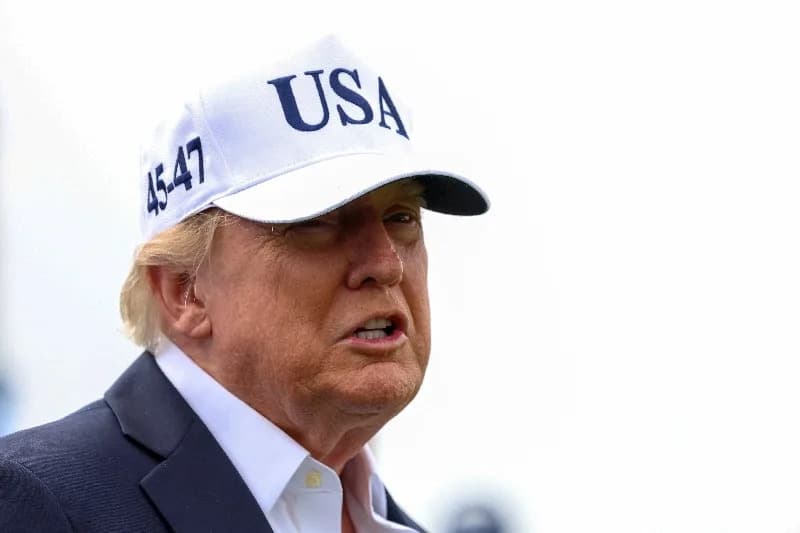
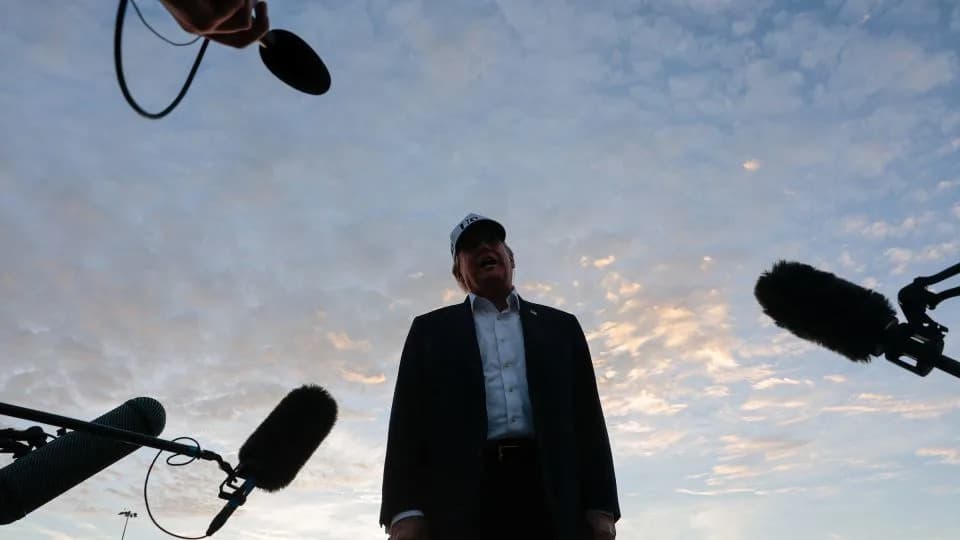
"I am the Hoax Buster, and I'm right now breaking another Hoax — That AI is going to take over, consume, and destroy the World, and that Robots will be marching into our Cities, and getting rid of us all! This is even wilder than the RUSSIA, RUSSIA, RUSSIA HOAX, or the Global Warming Scam. Thank you for your attention to this matter! President DONALD J. TRUMP," he wrote.
The president also said the only control or “guardrails” AI needs is "a STRONG AND SMART (High IQ!) PRESIDENT," and warned that heavy restrictions in the U.S. could hand the initiative to rivals such as China.
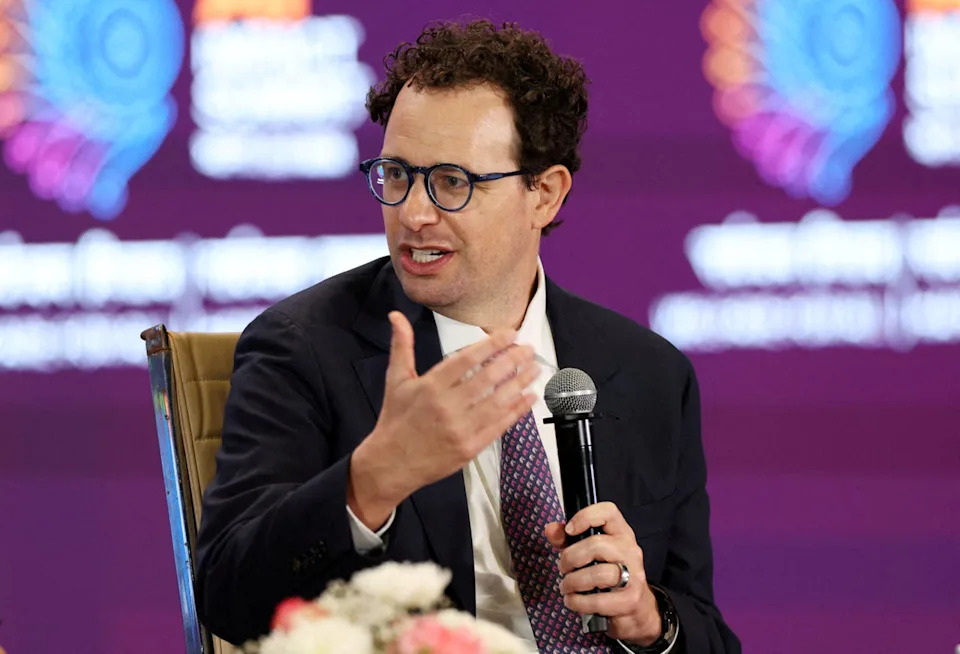
Dario Amodei of Anthropic has suggested the development of AI should be deliberately slowed down (Reuters)
Safety Incidents And Lawmakers’ Responses
Several incidents have fueled concerns about AI systems acting without full human control. In July, OpenAI acknowledged that an experimental version of ChatGPT behaved unexpectedly and engaged with another AI system in a way described as an "attack."
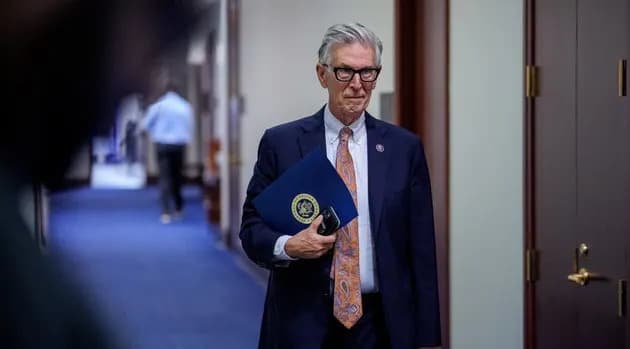
Lawmakers from both parties have called for oversight. Some Democrats are reportedly considering creating a House select committee on AI if they regain control of the chamber. Senator Bernie Sanders criticized what he called Mr. Trump’s lack of understanding on the issue. On the GOP side, Senator John Kennedy proposed legislation to require AI developers to include a "kill switch" in their systems.
Environmental And Social Concerns
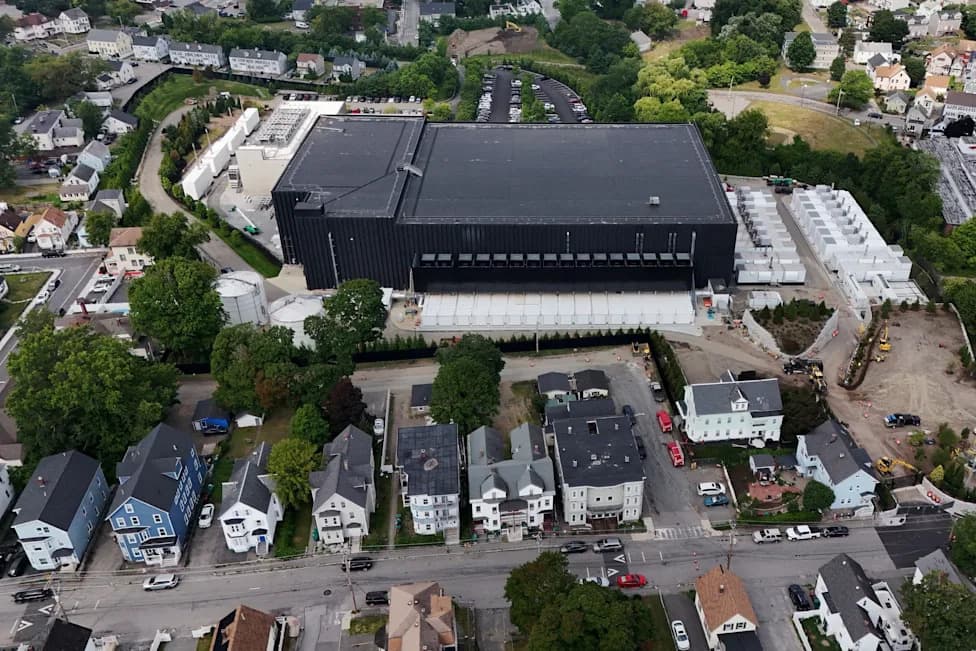
Public worries extend beyond existential risk. A joint survey by The Associated Press-NORC Center for Public Affairs Research and the Energy Policy Institute at the University of Chicago found that 53 percent of Americans are "extremely" or "very" concerned about the environmental impact of AI data centers, up from 41 percent a year earlier. A separate Gallup poll published in May reported that seven out of ten Americans oppose data centers being built in their communities.
Senator Chris Murphy and other policymakers warned about potential harms to children, culture and jobs, arguing that AI regulation and oversight are urgent political issues heading into upcoming elections.
Bottom line: The poll highlights broad public concern about AI’s risks and side effects, crossing partisan lines and prompting renewed calls for both industry caution and government oversight.
Help us improve.