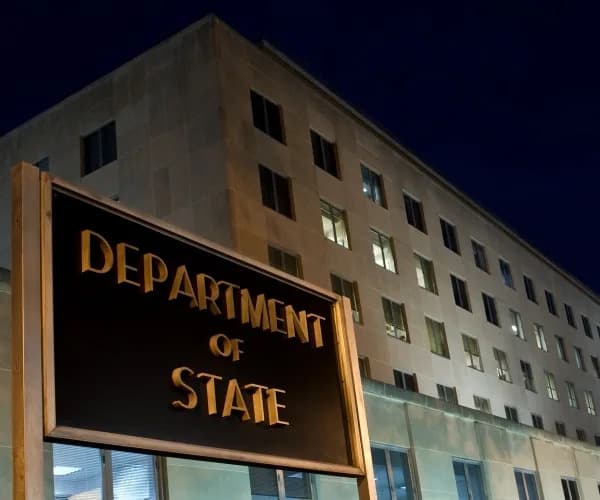
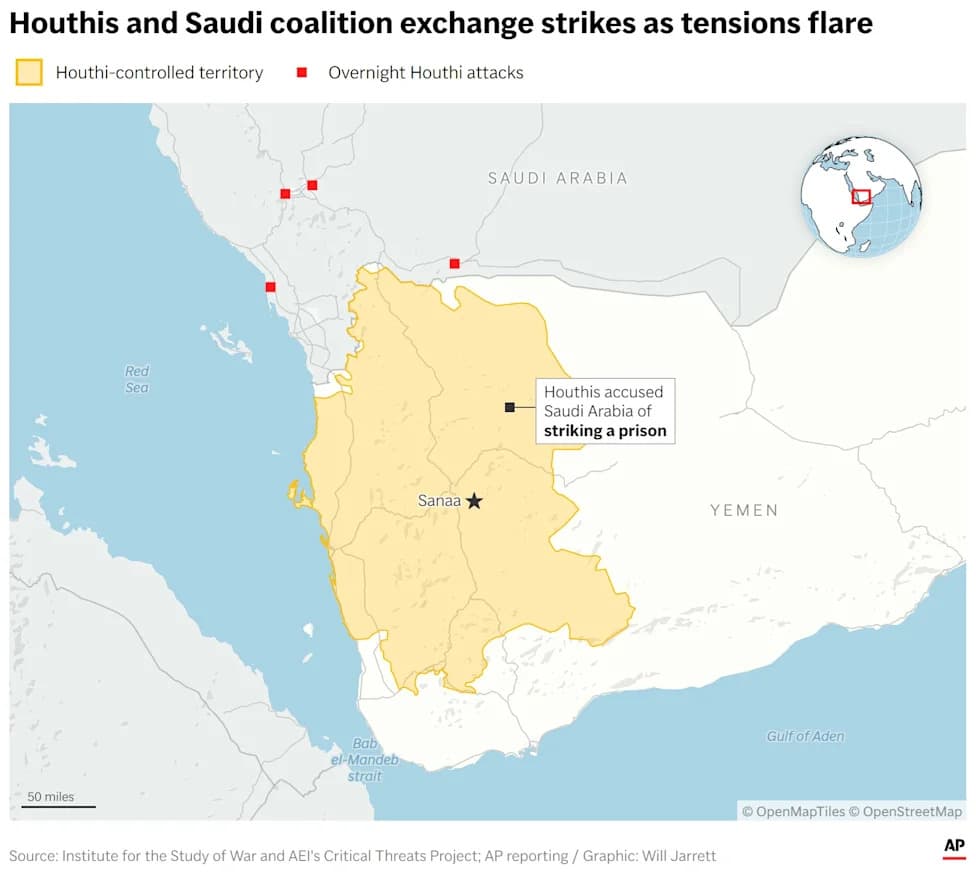
The U.S. State Department posted a security alert on X on Sept. 19, 2026, warning of rapidly escalating risks across the Middle East and urging Americans to exercise heightened vigilance. The advisory cites Iranian-backed Houthi attacks on Saudi Arabia — including strikes near civilian airports — and lists multiple countries covered by the notice. It reiterates that Syria, Iraq, Iran and Yemen were already under "Do Not Travel" guidance and urges travelers to monitor airline operations and country-specific State Department pages.
U.S. Issues Urgent Travel Warning for Multiple Middle East Countries After Houthi Attacks
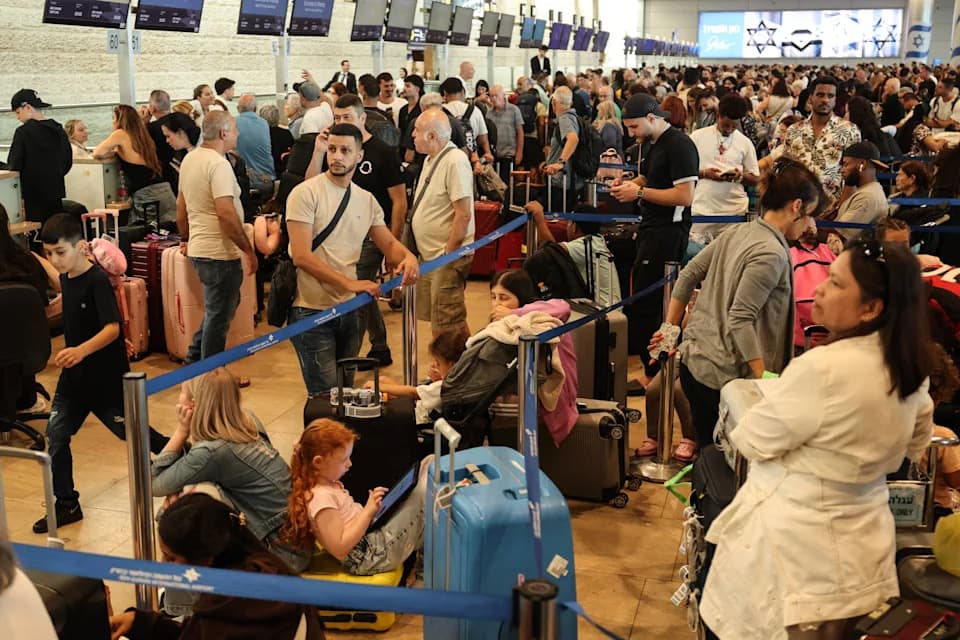
Passengers wait with their luggage at a check-in area amid disruptions caused by a surprise staff strike at Ben Gurion Airport in Lod, near Tel Aviv. (Photo by Jack GUEZ / AFP via Getty Images)
On September 19, 2026 at 5:16 p.m. ET, the U.S. State Department posted a security alert on X (formerly Twitter) advising heightened vigilance for Americans in — and reconsideration of travel to — parts of the Middle East.
The notice warned that "Due to tensions in the Middle East, the security environment remains complex with the potential for unforeseen escalation." It advised Americans currently in the region to be prepared for flight cancellations, airspace closures and other travel disruptions.
Countries Affected
The State Department said embassy websites for the following countries are carrying the new advisory: Bahrain, Iran, Iraq, Israel, the West Bank, Gaza, Jordan, Kuwait, Lebanon, Oman, Qatar, Saudi Arabia and the United Arab Emirates. The advisory also noted that Syria, Iraq, Iran and Yemen were already covered by existing "Do Not Travel" guidance prior to this alert.
Reason for the Alert
The warning links the advisory to actions by Iran and Iranian-aligned groups. The State Department statement said:
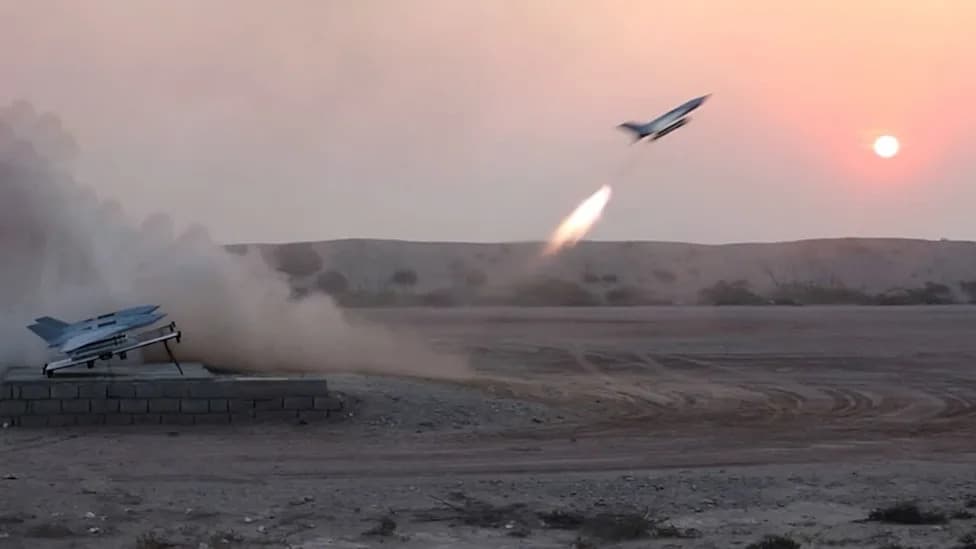
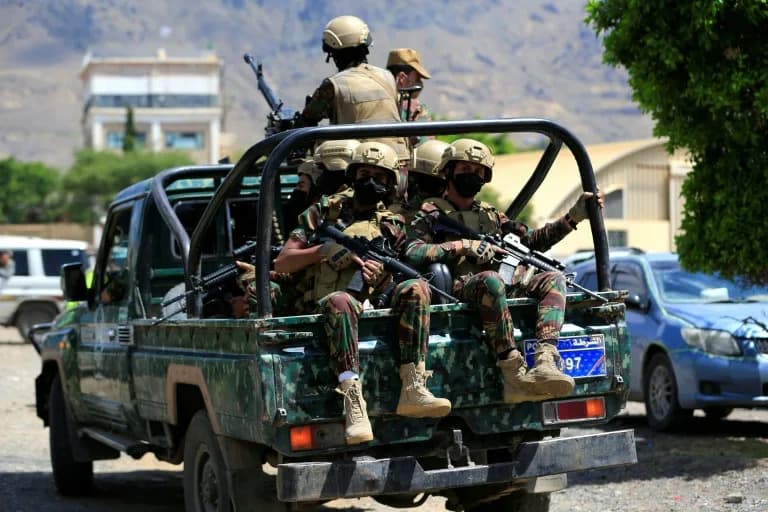
"Iranian-supported Houthis have engaged in hostilities against Saudi Arabia, including civilian airports. This military conflict has the potential to escalate rapidly."
Officials emphasized that U.S. diplomatic facilities — including some outside the Middle East — have been targeted, and that Iran and groups supportive of Iran "may target other U.S. interests overseas or at locations associated with the United States and Americans throughout the world, including U.S. businesses and other institutions."
Practical Guidance
- Americans in the region should exercise heightened vigilance and follow instructions from local authorities and U.S. diplomatic posts.
- Americans outside the Middle East should seriously reconsider travel to and through the region; those who must travel should closely monitor airport and airline operations for changes.
- The alert directs readers to country-specific State Department pages for the most current guidance and contact information for consular services.
The State Department noted that some regional airlines and airports were already announcing cancellations and delays in response to the security situation. A separate "Worldwide Caution" message issued in July remains active and is displayed on the State Department website.
On-the-Ground Notes
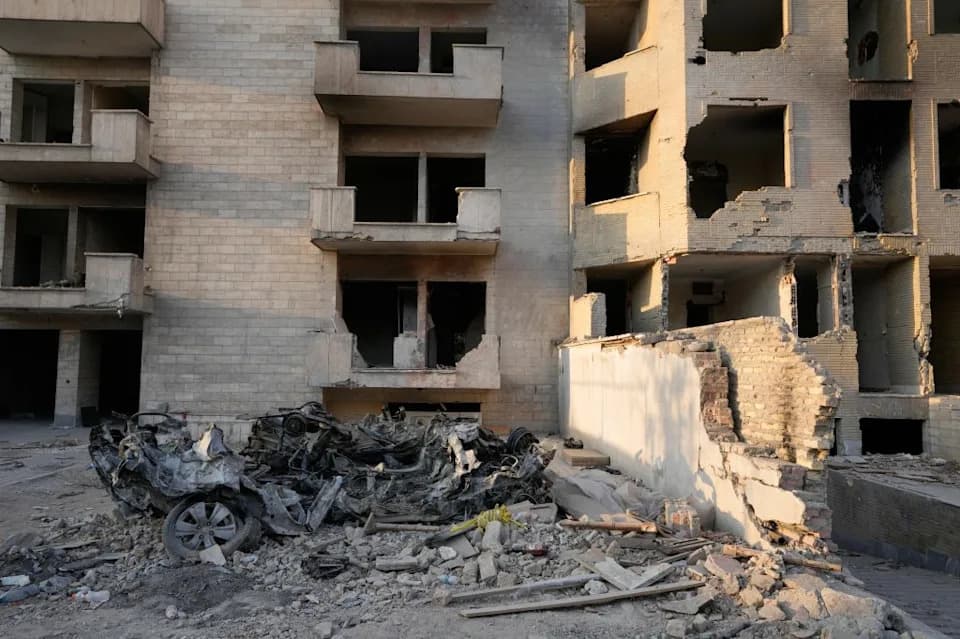
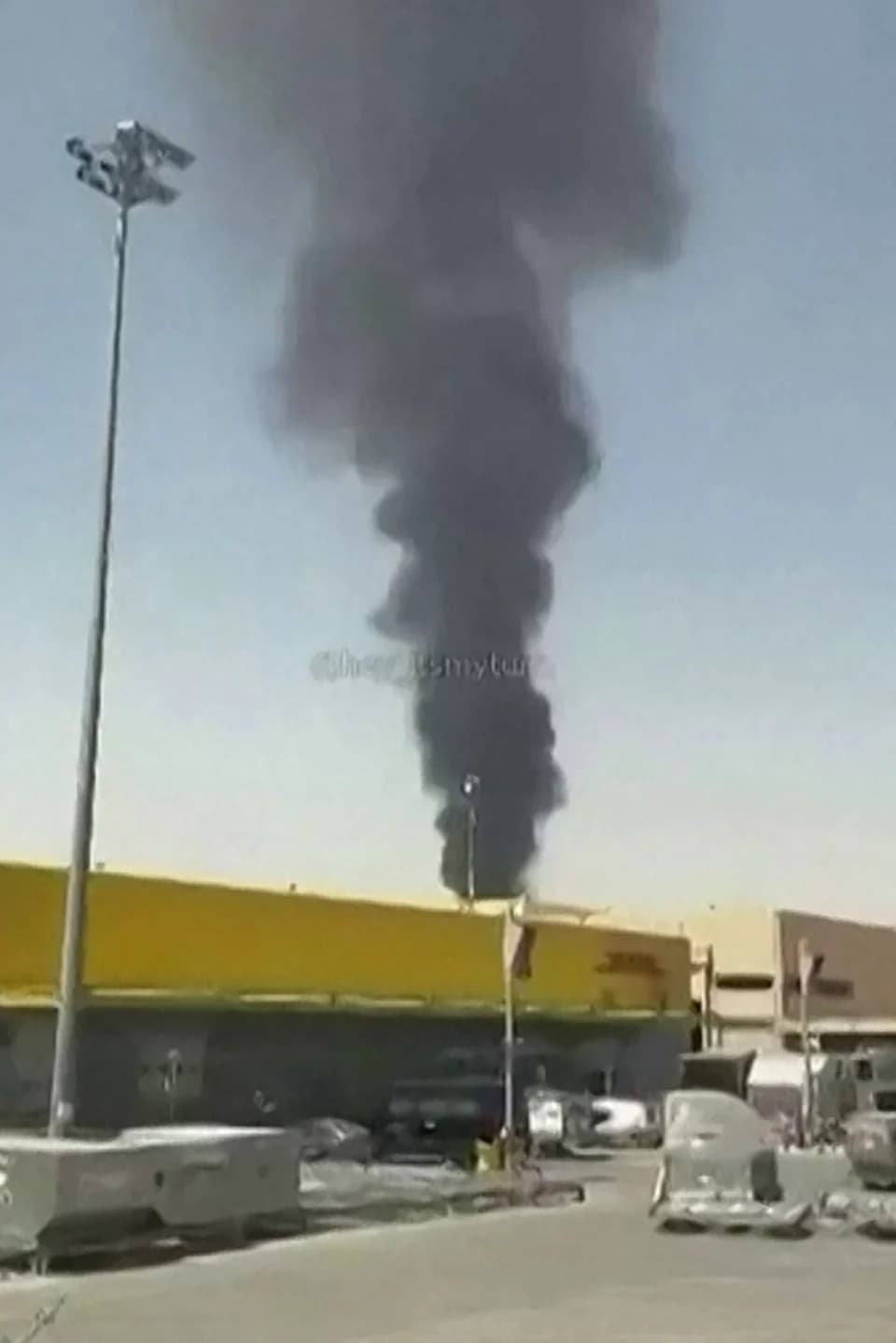
News outlets reported local incidents tied to the growing tensions. The Independent reported that on September 19 a large plume of black smoke was seen near Riyadh's main airport after booms were heard; Saudi authorities issued warnings for areas around the capital and Al-Kharj before later issuing an all-clear. The Houthi attacks reportedly did not cause casualties. The group controls much of Yemen.
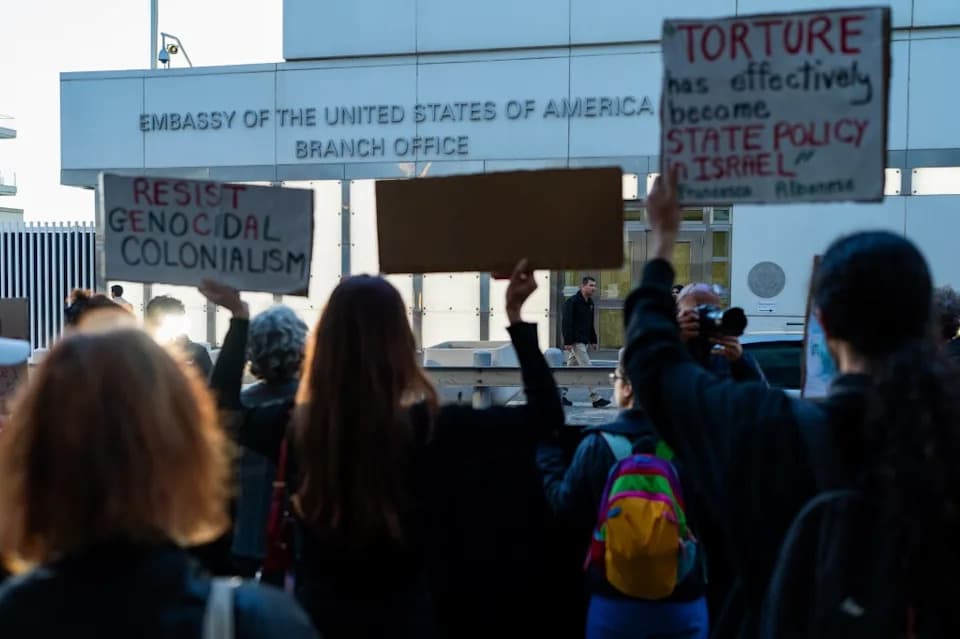
Consular Services: The alert specifies that the U.S. Embassy in Jerusalem and the Embassy Branch Office in Tel Aviv continue to operate consular sections for routine and emergency services.
Source note: This report is based on the State Department security alert posted on X on Sept. 19 and contemporary media reports. It originally appeared in Men's Journal.
Help us improve.