Women’s leadership matters for climate progress because the transition now depends on cooperation across governments, businesses and communities, not just technology. Research links female political and corporate representation to lower emissions and stronger climate policy. Examples from Spain, the UK, the Netherlands and industry leaders show how policy, industrial strategy and technology can reinforce one another. Networks like Women Leading on Climate aim to convert representation into cross‑sectoral influence that unlocks investment and durable policy.
Women’s Leadership Can Accelerate Climate Action — Why Collaborative Power Matters

Women leaders gather at the Women Leading on Climate event during Climate Week NYC 2025.Credit: Women Leading on Climate
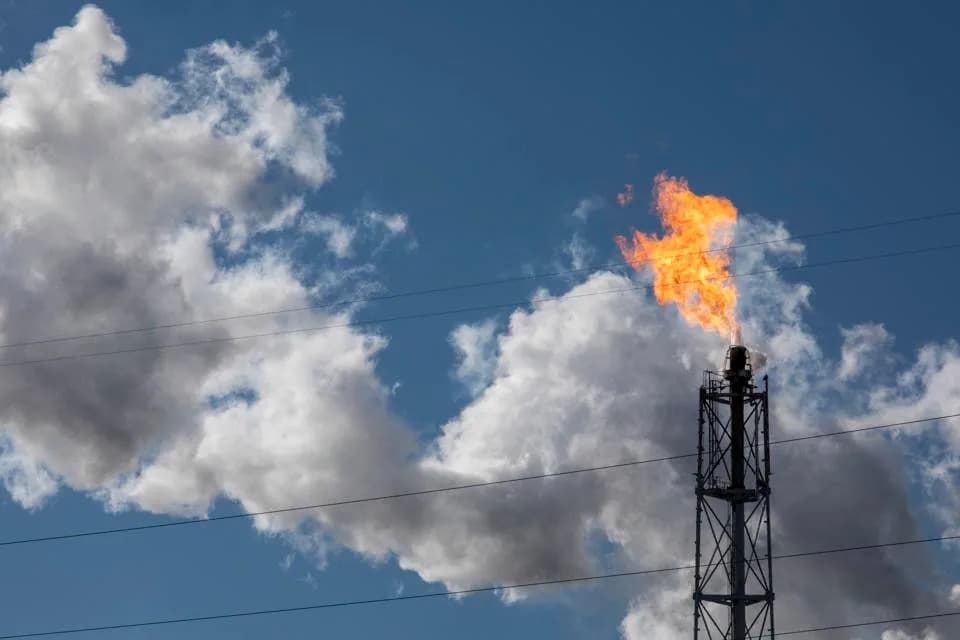
Heatwaves, floods, wildfires and storms are already disrupting economies, infrastructure and supply chains. At the same time, many technologies to tackle climate change are becoming cheaper and scaling rapidly. The central challenge is no longer invention but deployment — delivering proven solutions quickly amid economic pressure and political uncertainty.
Why Leadership and Collaboration Matter
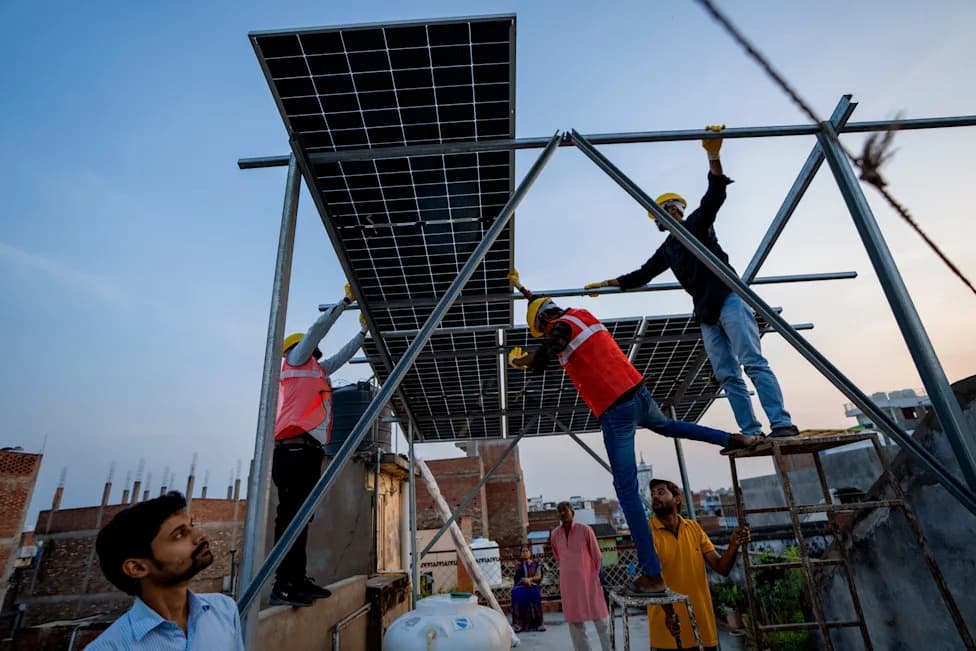
The next phase of the transition depends on governments, businesses, investors and communities working together. Success will be decided by thousands of practical choices: where to build grids, how to steer industry toward cleaner processes, how to mobilise capital, how to protect communities from physical risk, and how to bring people along. That requires leaders who can build coalitions, reconcile competing priorities and sustain progress through uncertainty.
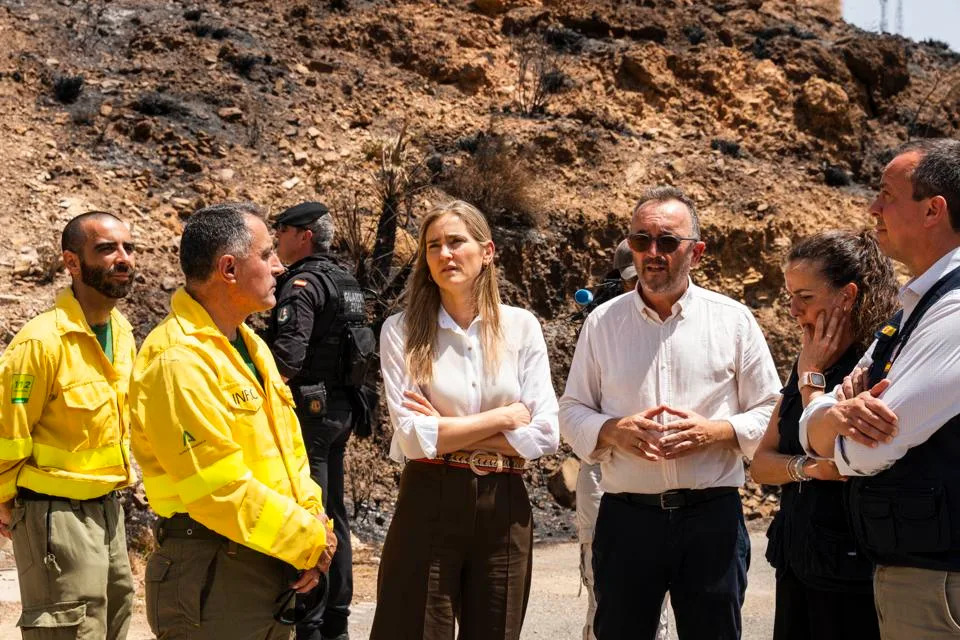
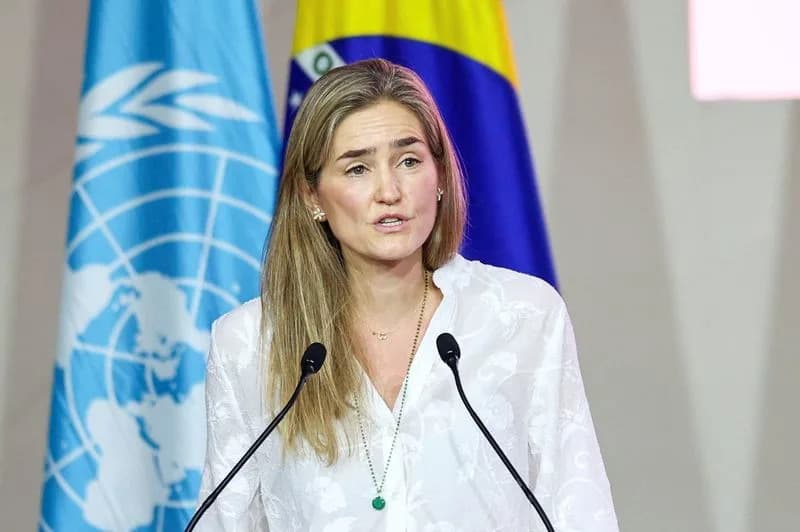
The Third Deputy Prime Minister and Minister for Ecological Transition and the Demographic Challenge, Sara Aagesen visits an area affected by fire this year in Bedar, Almeria.
Evidence Linking Women’s Leadership to Stronger Climate Outcomes
Decades of leadership research associate women more often with participative, relationship-oriented decision-making — skills that are increasingly valuable when progress depends on cooperation rather than command. Recent empirical studies support this pattern:
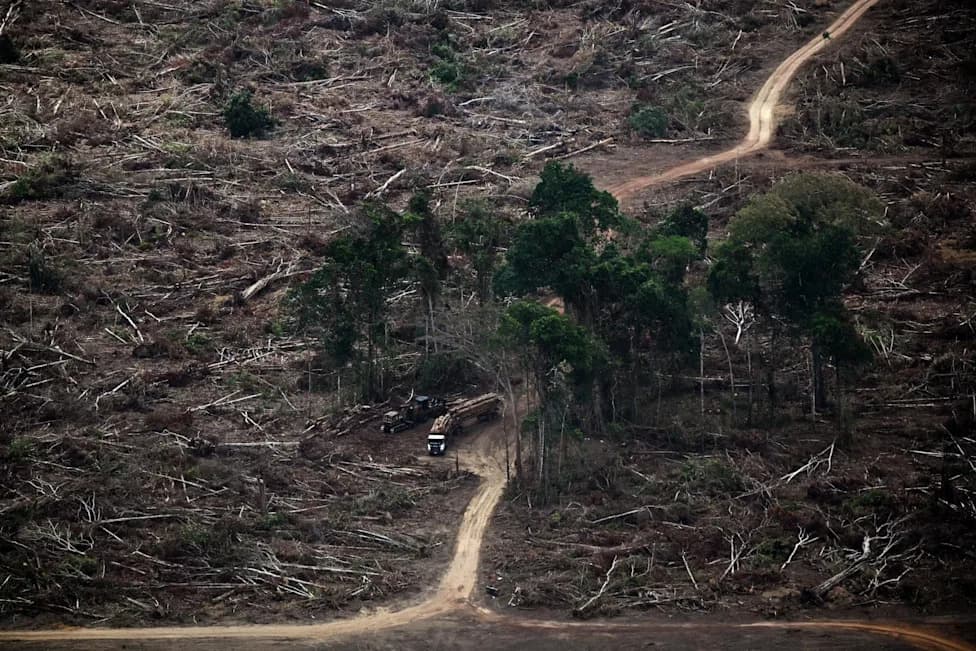
Mayoral Study (2026): Analysis of closely fought mayoral elections in Brazil found that female-led municipalities registered lower greenhouse-gas emissions, largely driven by reduced Amazon deforestation, while preserving local economic activity.
Corporate Study (2024): Across nearly 10,000 firms in 50 countries, increases in female board representation following gender-diversity reforms were associated with reductions in both direct and indirect corporate carbon emissions — especially where reforms were legally binding and after the Paris Agreement.
How Women Leaders Are Shaping the Transition
These findings do not imply that appointing a woman automatically produces better environmental outcomes. Rather, they suggest that who holds power influences institutional responses to climate risks and opportunities. Examples from policy and business illustrate how different levers — public policy, industrial strategy, technology and investment — can reinforce one another:
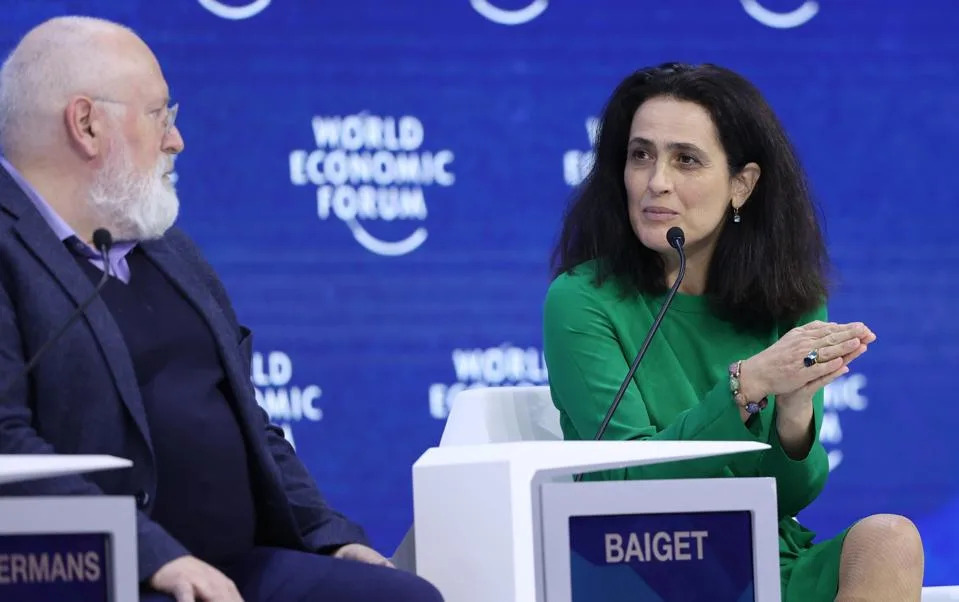
Novozymes CEO Ester Baiget talks with European Commission Vice-President Frans Timmermans at the World Economic Forum in Davos, 2022
- Spain: Third Deputy Prime Minister and Minister for Ecological Transition Sara Aagesen is driving a national adaptation programme with 176 measures addressing heat, floods, drought, infrastructure and urban resilience, while accelerating electrification and clean-energy investment.
- United Kingdom: Energy Secretary Miatta Fahnbulleh has emphasised affordability and public benefit, pressing for clean power to deliver visible gains to households and lower energy bills.
- Netherlands: Climate and Green Growth Minister Stientje van Veldhoven is integrating energy and industrial policy to advance industrial decarbonisation, offshore wind, circular-economy measures and district heating within a green-growth agenda.
- Private Sector: Ester Baiget, CEO of Danish biotech company Novonesis, is scaling biological technologies that can reduce dependence on fossil-based materials, chemicals and energy.
From Representation To Collective Influence
Initiatives such as Women Leading on Climate — a network of more than 1,000 women across 35+ countries from government, business and civil society — focus not only on representation but on connecting influence across institutions and geographies. When 100 women mobilised after the original COP29 organising committee excluded women, the committee was expanded within days to include 12 women. That episode shows how collective action by women across sectors can change outcomes.
At Climate Week NYC, Women Leading on Climate will prioritise areas where joint action can deliver measurable results — unlocking investment, accelerating deployment, strengthening policy certainty and ensuring solutions work for the economies and communities that must adopt them. The success of the next phase should be judged not only by how many women are connected, but by what those connections enable.
Bottom Line: The transition will be won through cooperation and durable institutions. Greater inclusion of women in leadership roles can strengthen coalition-building and long-term policy resilience — accelerating decarbonisation while protecting communities and livelihoods.
Help us improve.