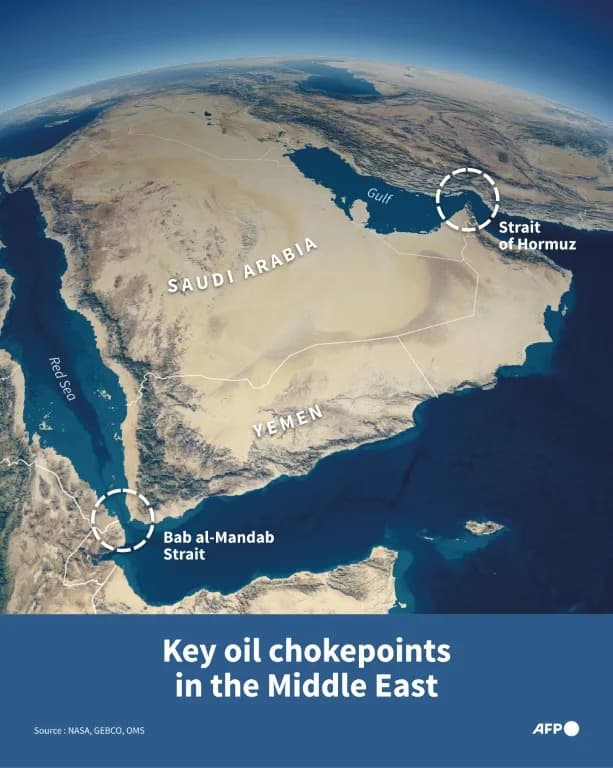
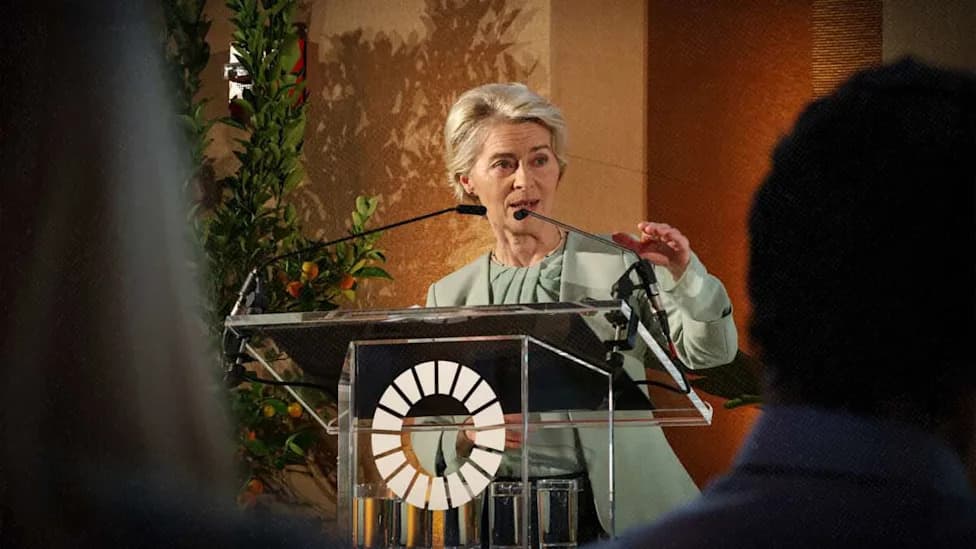
World and business leaders in New York are confronting a complex climate moment: record heat, wildfires and a Nepal glacier collapse that killed more than 1,300, rising fuel prices linked to geopolitical tensions, and growing electricity demand from AI and data centers. U.N. officials warn fossil fuel dependence is driving up inflation and consumer costs, while experts say renewables are growing fast but not yet displacing fossil fuels quickly enough. Policymakers must balance urgent short-term energy needs with rapid renewable deployment and responsible planning for digital infrastructure.
World Leaders in New York Face a Triple Crisis: Climate Disasters, Soaring Fuel Costs and AI’s Energy Appetite
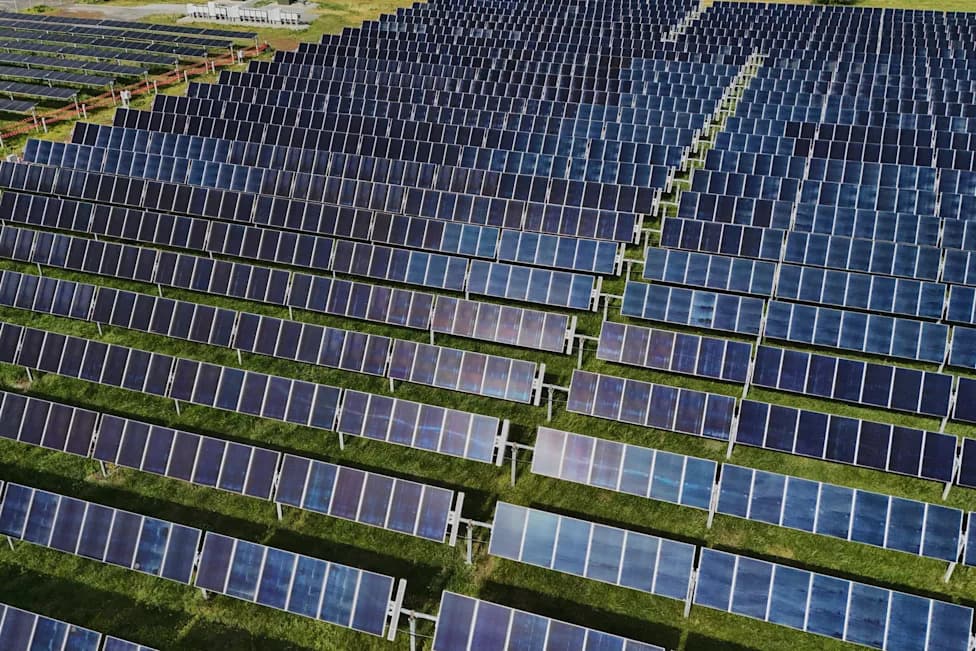
FILE - Solar panels operate April 28, 2026, at a farm in Christiana, Tenn. (AP Photo/Joshua A. Bickel, File)(AP Photo/Joshua A. Bickel)
NEW YORK — As heads of state and business executives gather for the U.N. General Assembly and Climate Week, the conversation about global warming is intensifying amid a convergence of crises: extreme weather disasters, rising fossil fuel prices and the growing electricity demands of artificial intelligence and data centers.
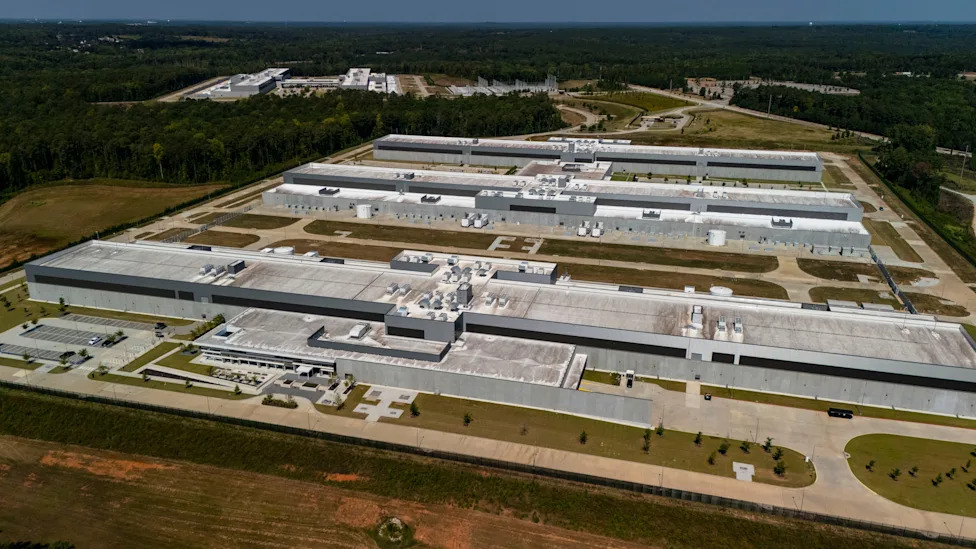
FILE - Meta data centers operate Sept. 5, 2026, near Social Circle, Ga. (AP Photo/Mike Stewart, File)(AP Photo/Mike Stewart)
Climate Impacts and Human Costs
This season’s extreme events have underscored the stakes. Delegates cited record heat waves, widespread wildfires and a catastrophic glacier collapse on the Nepal–China border that killed more than 1,300 people. Scientists and advocates warn these disasters are increasingly linked to a warming world.
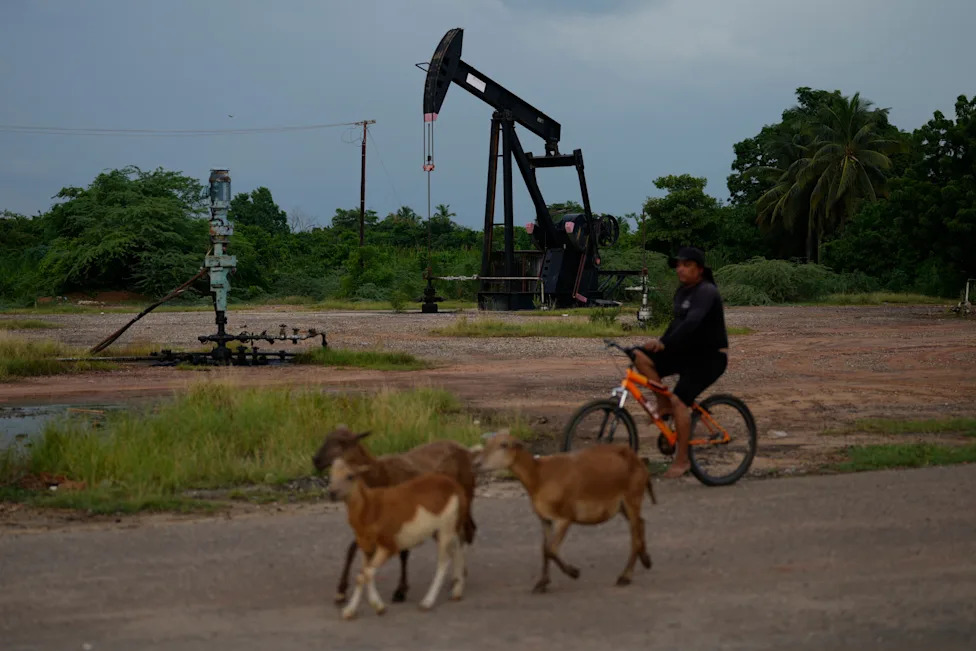
FILE - A man rides past an operating oil pumpjack in Cabimas, Venezuela, Aug. 31, 2026. (AP Photo/Ariana Cubillos, File)(AP Photo/Ariana Cubillos)
“We’ve gone from seeing the fingerprints of climate change in individual events to seeing the handprint of climate change on the whole world,”
— Bill Hare, CEO, Climate Analytics
Economics: Fuel Prices, Inflation and Public Pressure
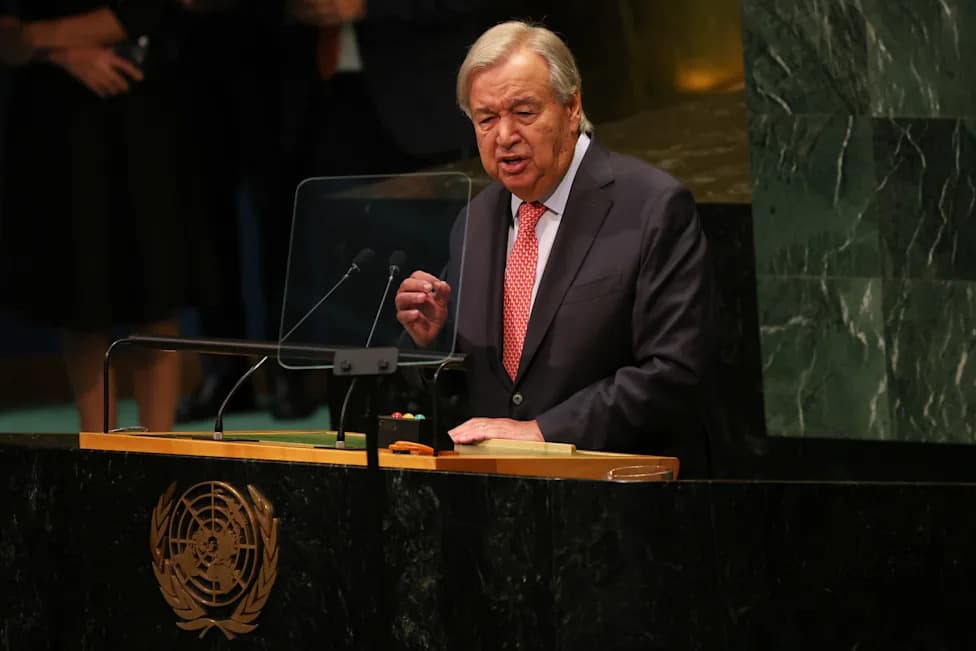
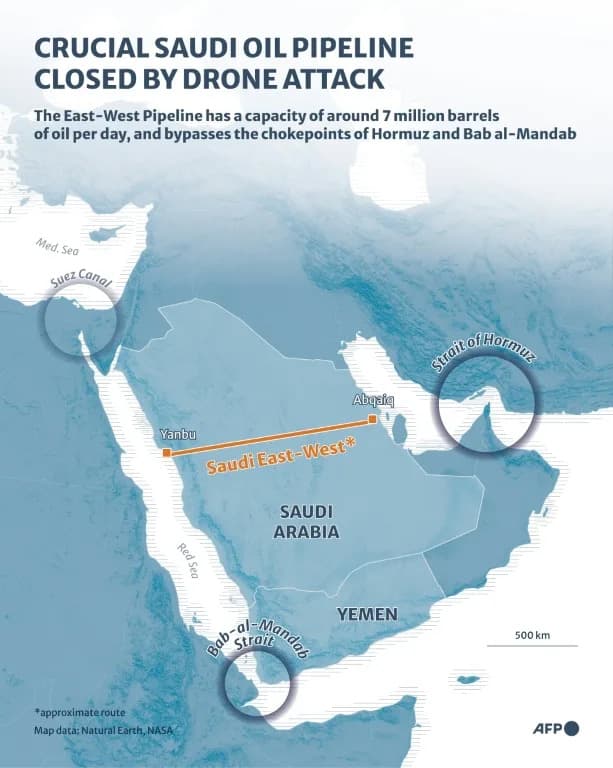
U.N. climate chief Simon Stiell said climate-driven disruptions are contributing to rising food prices and broader inflation, while continued dependence on fossil fuels is increasing costs at the pump. He noted protests over high prices worldwide and said energy shortages tied to conflicts have added an estimated $100 billion to U.S. consumers’ fuel bills.
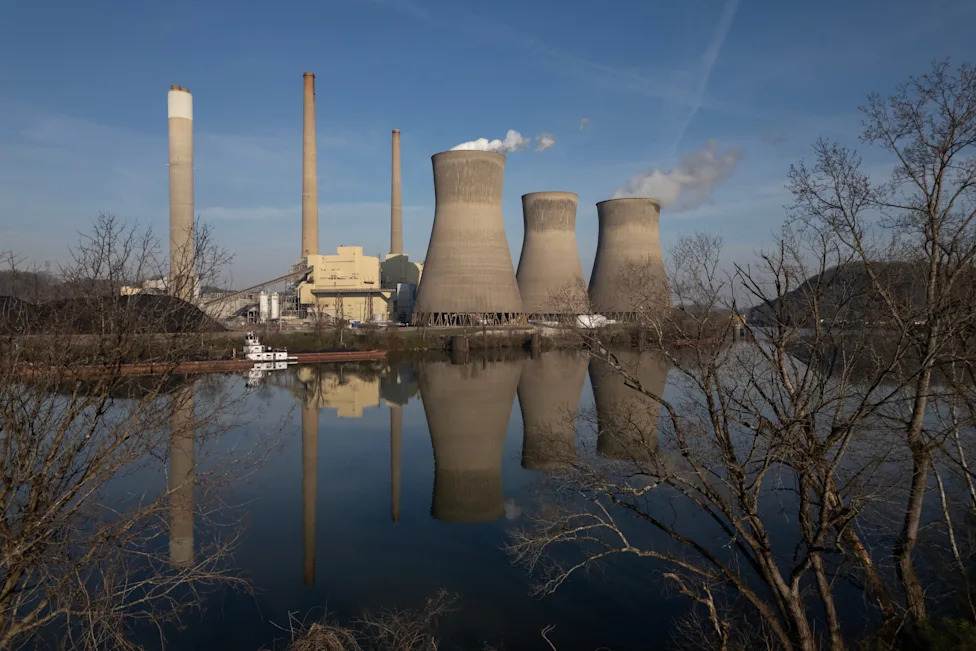
FILE - American Electric Power's John Amos coal-fired power plant operates in Winfield, W.Va., across the Kanawha River from Poca, W.Va., March 22, 2026. (AP Photo/Carolyn Kaster, File)(AP Photo/Carolyn Kaster)
AI, Data Centers and the Energy Debate
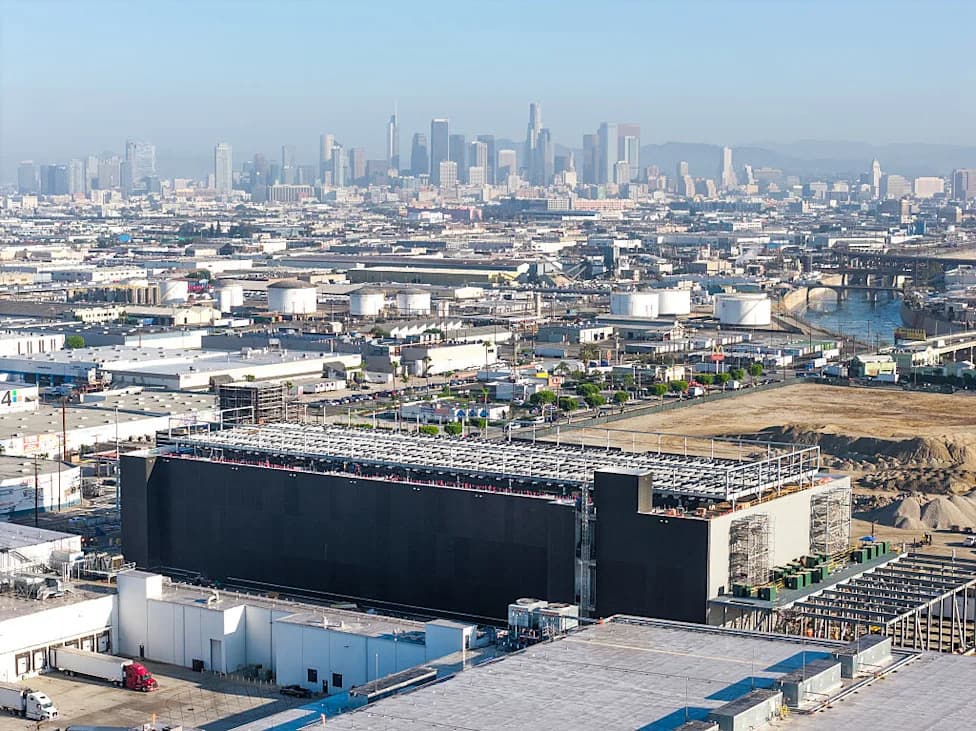
A new flashpoint at this year’s events is the environmental footprint of artificial intelligence and the data centers that power it. Critics warn a rapid expansion of data infrastructure could raise electricity demand and, in some regions, push power systems back toward fossil fuels. Stiell warned that energy-hungry AI is driving increased planet-heating pollution and higher energy bills.
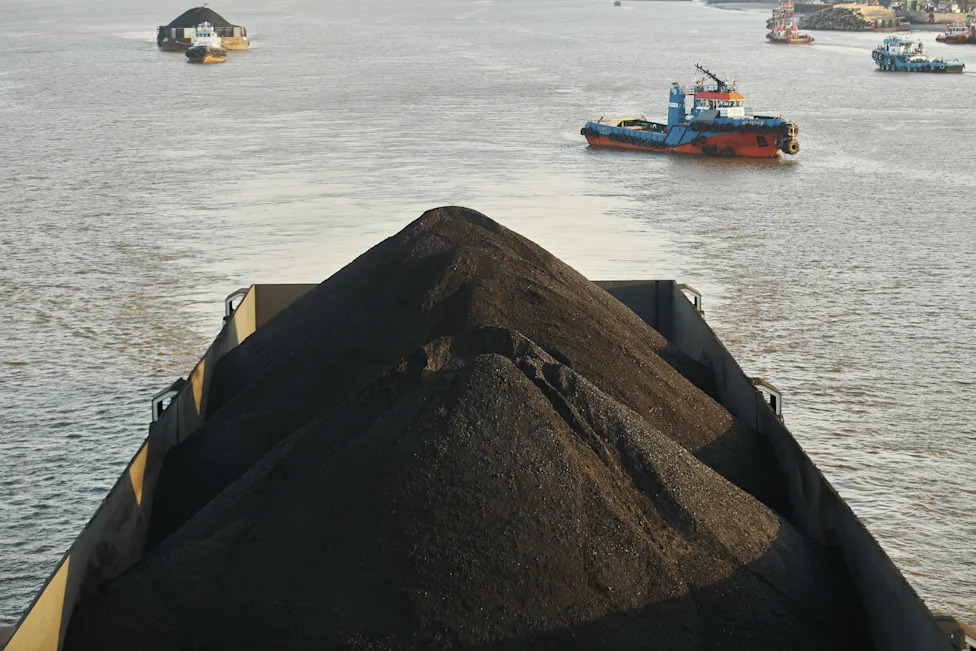
FILE - A barge is fully loaded with coal on the Mahakam River in Samarinda, East Kalimantan, Indonesia, Aug. 19, 2026. (AP Photo/Ahmad Mulia Panjaitan, File)(AP Photo/Ahmad Mulia Panjaitan)
Industry and academic leaders offered a more optimistic view at a business-oriented Climate Week session. Eva Riesenhuber, Head of Sustainability at Siemens, and Evelyn Wang, MIT Vice President for Energy and Climate, argued AI is essential for solving major problems and predicted that data centers can become water-neutral within about five years and, with appropriate policies and innovation, stop adding to global CO2 emissions within roughly a decade.
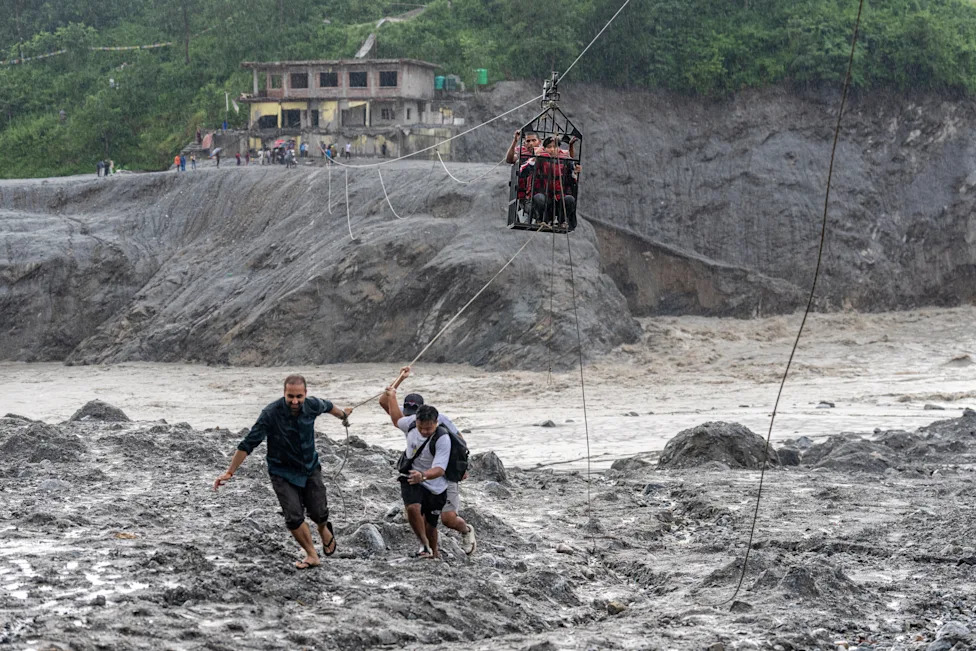
FILE - Residents pull a newly installed zipline to help people commute across the Trishuli River in the aftermath of floods at Bidur in Nepal's Nuwakot district, Nepal, Sept. 2, 2026. (AP Photo/Rajesh Kumar Singh, File)(AP Photo/Rajesh Kumar Singh)
“Data centers adding to climate and water problems is not forever,”
— Evelyn Wang, MIT
Renewables: Rapid Growth, But Not Yet Enough
A report from the International Renewable Energy Agency (IRENA), the Global Renewables Alliance and Turkey finds that the world can still meet the 2023 goal of tripling renewable power capacity by 2030 — but only if construction accelerates dramatically. IRENA reported a peak of 693 gigawatts of new renewable capacity in 2025, yet warned that more capacity must be built between 2026 and 2030 than in all previous years combined. The report also noted a rebound in fossil-fuel use compared with 2024, driven in part by expanded coal generation in China.

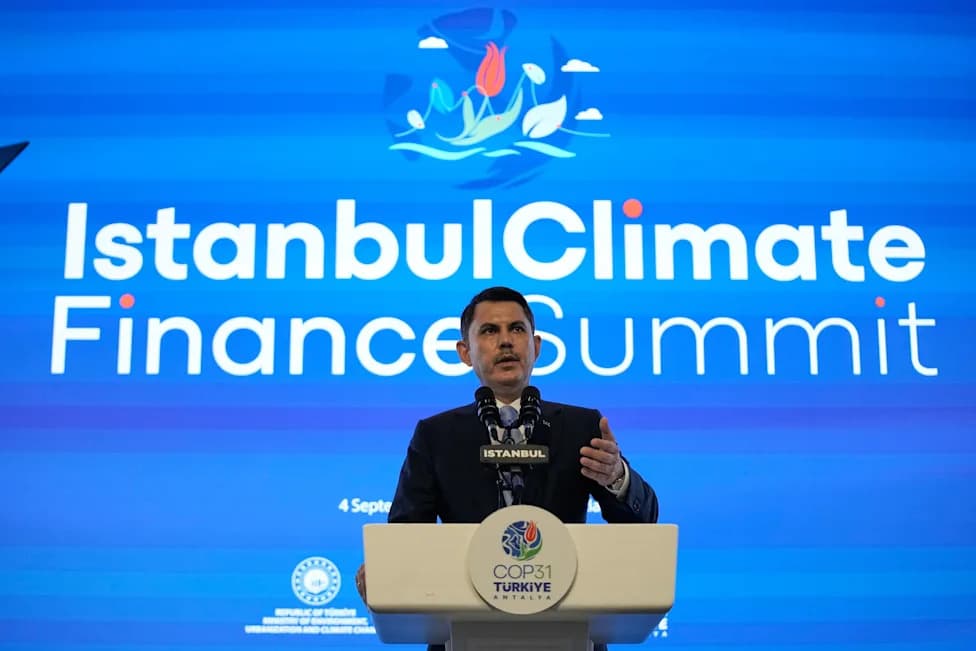
Ethiopian President Taye Atske Selassie, left, and Turkish Environment Minister Murat Kurum, who will preside over the UN climate summit in Turkey in November, right, shake hands Monday, Sept. 21, 2026, as they meet to discuss electrification at the Global Renewables Summit in New York. (AP Photo/Jennifer McDermott)(AP Photo/Jennifer McDermott)
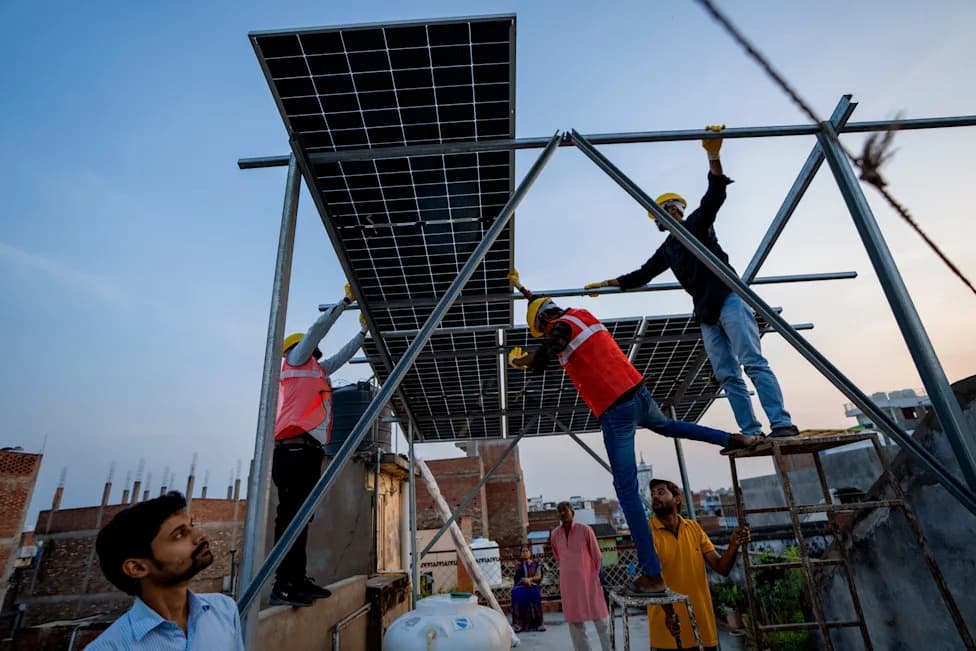
Climate scientists say renewables are expanding rapidly but are largely meeting growing electricity demand rather than displacing oil, coal and gas at the scale needed to cut emissions fast enough.
Security, Equity and Politics
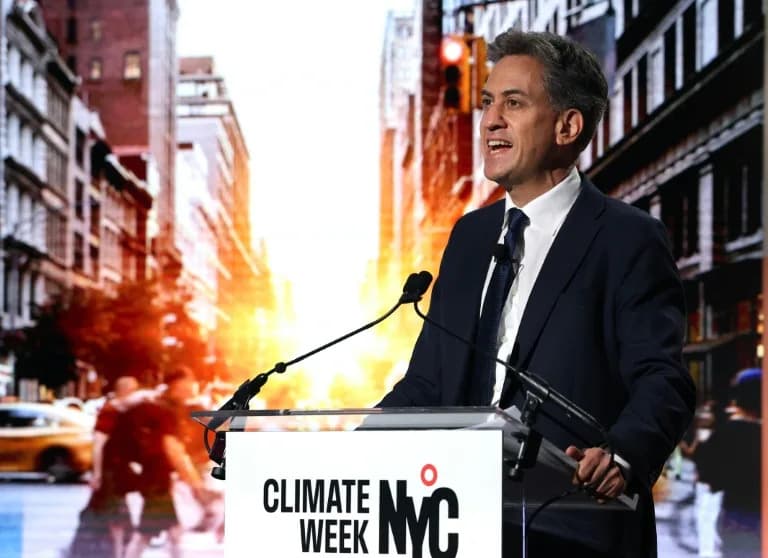
Speakers emphasized that the transition to clean energy is not only an economic or environmental issue but also a matter of national security and equity. U.K. Secretary of State Edward Miliband urged that climate breakdown be treated as a foreign-policy and security priority. Analysts also warned that the siting and growth of data centers raise local fairness concerns, often affecting communities that may feel disconnected from broader climate debates.
Turkey, which will chair U.N. climate talks this November, announced an "Antalya Pledge on Artificial Intelligence" — a political commitment for nations to consider on managing AI’s power demands and deployments — though details remain sparse.
What Leaders Must Do
Delegates in New York face competing pressures: immediate energy costs and supply concerns, the long-term imperative to cut emissions, and the rising energy demands of digital infrastructure. Translating heightened rhetoric into meaningful policy will require faster renewable deployment, smarter energy planning for AI and data centers, and international cooperation to reduce emissions while protecting vulnerable communities from accelerating climate impacts.
The Associated Press' climate and environmental coverage receives support from private foundations. AP retains editorial control over coverage.
Help us improve.