Climate impacts don't care about politics. Surveys of communicators in the U.S. and Canada show they prioritize explaining what is happening and why, not political advocacy. Connecting climate risks to everyday concerns — health, homes, jobs, and finances — increases public support for action. Yet many communicators lack funding and work alone, even as extreme events create openings for broader engagement.
Stop Framing Climate Change As A Partisan Issue — It Threatens Everyone
—leolintang—Getty Images
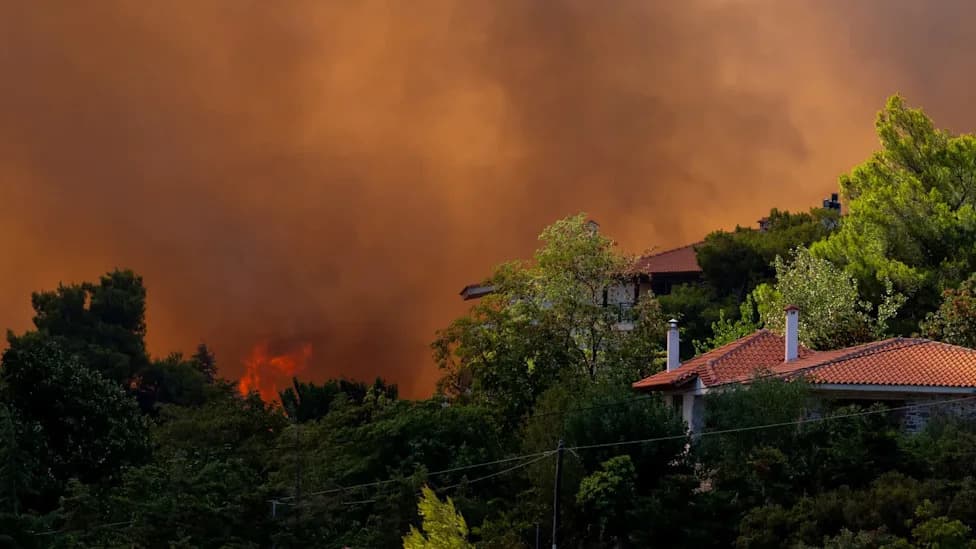
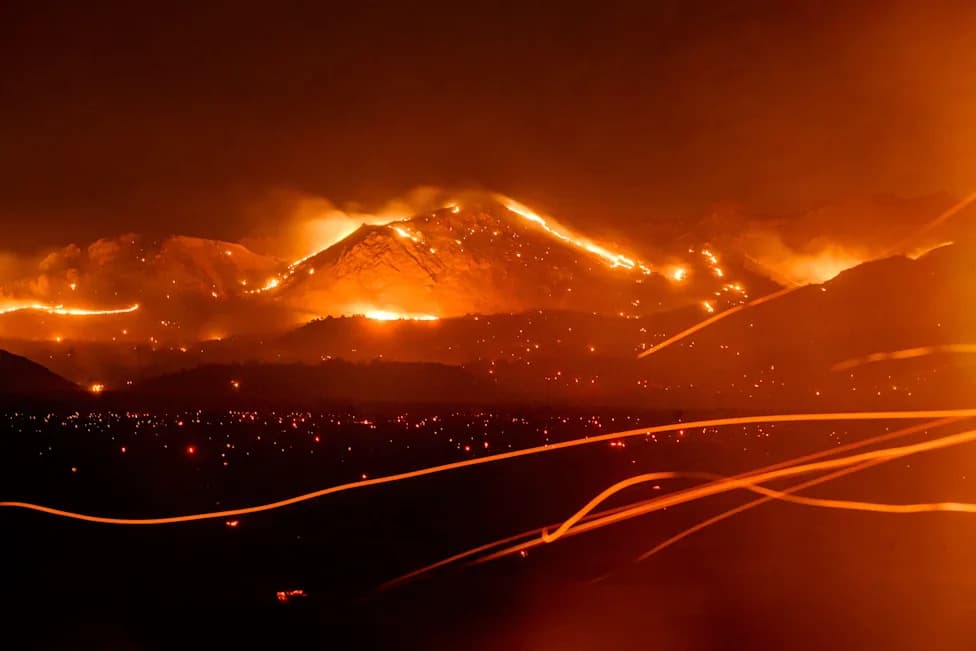
This summer's cascade of disasters makes one thing clear: climate-driven impacts don't check voters' party affiliations before they strike. Floodwaters don't ask who you voted for, and wildfire smoke doesn't spare people because of their political beliefs.
Why Communication Matters
People who work to raise public awareness about climate change know that how we talk about it shapes what people understand and do. We surveyed leading communicators across the United States and Canada — organizations and individuals who regularly explain climate science, impacts, and solutions. Almost none said their purpose was to campaign for candidates or specific policies; their top priority is helping people understand what is happening and why it matters.
The Growing Toll
Climate change is making extreme weather worse. Studies show deaths from extreme heat are substantially underreported. Air pollution — both from burning fossil fuels and from wildfire smoke — is linked to a growing list of health harms, from higher asthma risk to increased dementia risk and premature death. The economic burden is rising as well: climate-related costs, including higher utility bills and rising insurance premiums, already add roughly $400 to $900 to many household budgets.
Connect The Dots To Everyday Life
The dominant lesson from communicators is simple: link climate change to the everyday concerns people care about — their health, jobs, homes, and local places. When people see how damaged property, worsening health, or higher costs are connected to a warming planet, support for practical climate action increases. That pattern holds across the U.S., Canada, and many other countries.
Normalizing Conversation And Changing Norms
Although many people are worried about climate change — three years ago, 71% of Canadians and 63% of Americans said they were concerned — most keep those worries private and underestimate how many others share them. When neighbors, coworkers, and friends are silent, individuals are less likely to speak up. Knowing that others care is one of the strongest predictors that someone will join the conversation and act.
What Communicators Are Doing — And What's Missing
Communicators we surveyed prioritize education and connection over partisan advocacy. Only 4% said their primary goal was advocating for elected officials or candidates. Instead, they focus on explaining climate science, risks, and practical actions people can take.
Yet support for these communicators is limited: only 41% reported receiving any financial backing for their communication work in the past five years. One-third work entirely alone, and two-thirds either work solo or in small teams of ten or fewer. Still, nearly eight-in-ten publish climate content at least weekly.
Openings For Action
Moments of acute climate disruption — the shocks communities experienced this summer — create openings to increase awareness and civic engagement. Research shows people who live through climate-exacerbated extreme events become more supportive of climate science and action. Friends and family are trusted messengers who can start pro-climate conversation loops. We all can play a role by connecting climate impacts to everyday concerns and treating the issue as a shared challenge rather than a political fight.
Bottom line: Anyone who lives on Earth can be affected by climate change. When we stop talking about it as a partisan issue and start talking about it as a shared risk to our health, homes, and finances, we improve our chances of building the collective will to protect ourselves and future generations.
Help us improve.