Britain's minister of state for energy and net zero, Katie White, says the public has swung behind green policies after a record-hot summer that produced four heat waves and deadly wildfires. An Ipsos poll found 74% of Britons concerned about climate change, up from 69% before summer 2026. White acknowledged upfront costs for renewables, noted two North Sea sites are under review, and emphasized electrification ahead of the G20 and COP31 talks.
UK Climate Minister: Green Policies Are Good Politics After Record-Breaking Summer
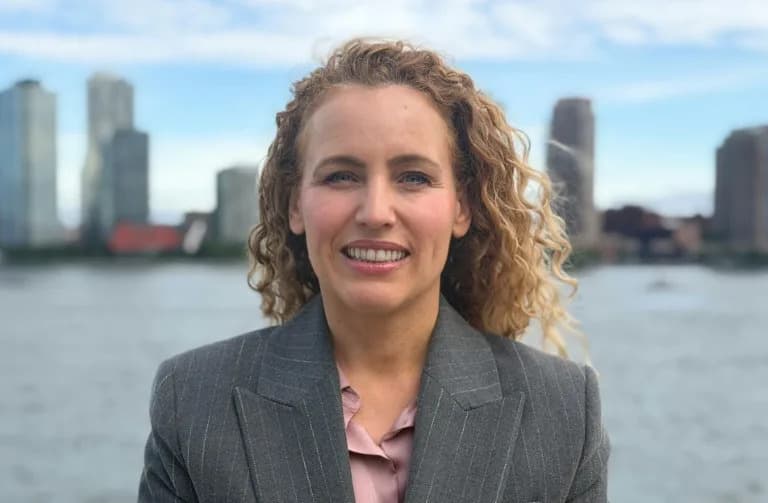
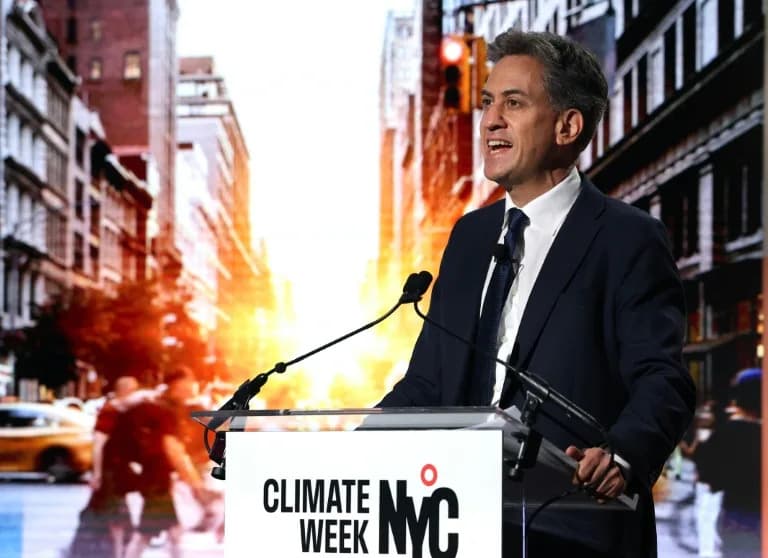
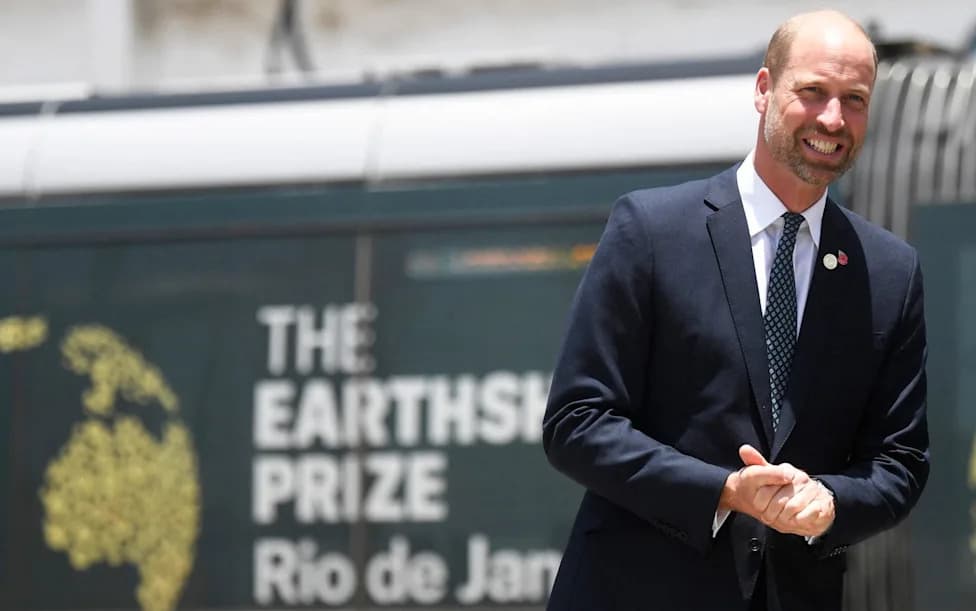
Katie White, a member of the ruling Labour government, says the UK public is strongly in favor of climate action (Diane DESOBEAU)
Britain's minister of state for energy and net zero, Katie White, says the shift to a low-carbon economy is both vital for the planet and politically popular after a record-hot summer that brought four heat waves and deadly wildfires.
Public Opinion and Political Debate
Speaking to AFP at United Nations headquarters in New York, White argued that the extreme weather has galvanized public demand for stronger climate action. An Ipsos poll in August found 74% of Britons are concerned about climate change, up from 69% who recalled being concerned before the 2026 summer.
"The UK public is hugely in favor of action on climate. And after the summer we've had, the most extreme weather we've ever experienced... the public are asking for more action," White said.
White criticized parts of the right-wing political spectrum for downplaying or rejecting climate commitments. She noted that the Conservatives originally made the UK the first major economy to legally commit to net zero by 2050, while their current leader, Kemi Badenoch, has abandoned that pledge. Nigel Farage's Reform party has mocked the goal as "net stupid zero," and some of its members reject the scientific consensus on human-driven climate change.
Costs, Energy Security and Renewables
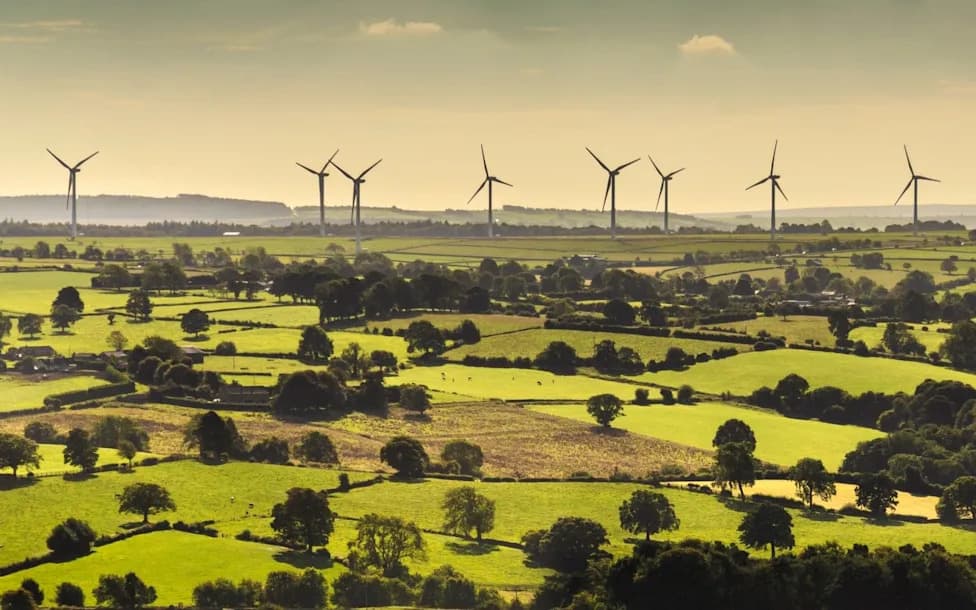
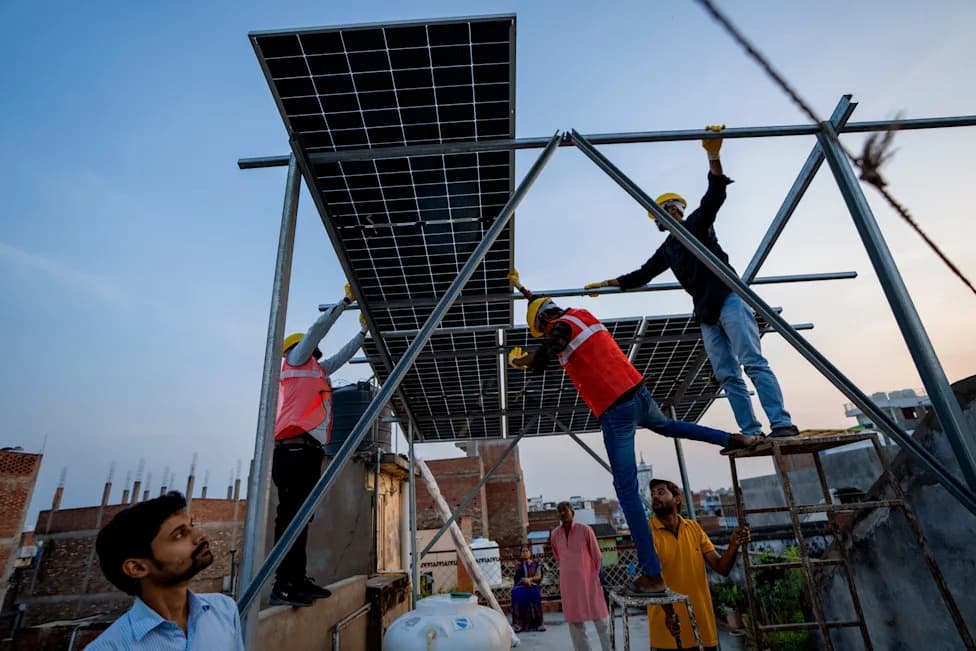
White acknowledged concerns that the green transition can increase costs in the short term. "Our most abundant resource is our wind. We are a windy little island," she said, adding that renewable infrastructure requires upfront investment. She compared buying fossil fuels from abroad to renting a home, whereas building domestic renewables is like buying your own house with a down payment.
White also pointed to recent global disruptions — including the conflict involving Iran and Russia's invasion of Ukraine — as drivers of volatile energy prices that underscore the long-term value of clean power. She said some continued use of oil and gas could fit within Britain's next carbon budget, while emphasizing that policy must serve the British people.
North Sea And Electrification
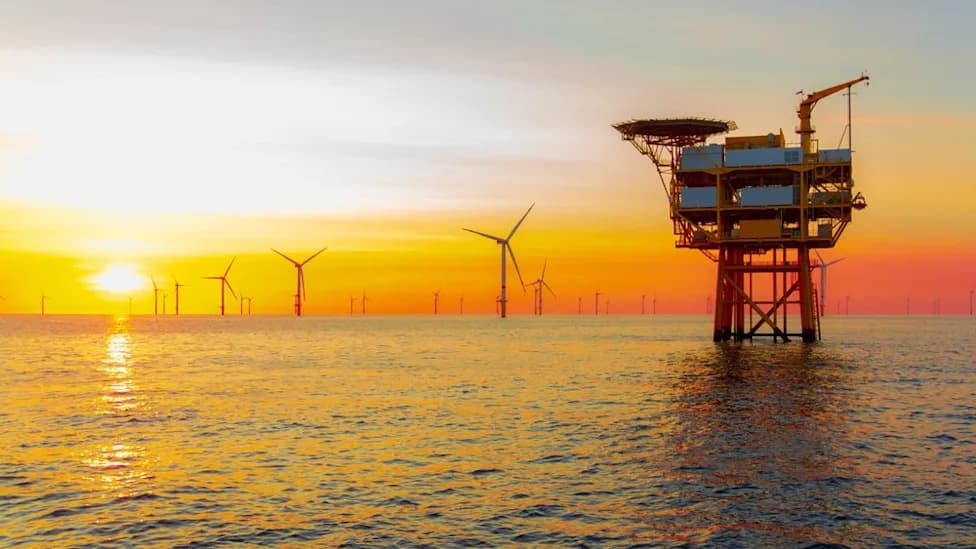
With North Sea oil reserves declining, two drilling sites are currently under review. White declined to predict the outcome but reiterated that any decisions would balance energy needs and climate targets. She highlighted electrification—switching systems to electricity powered by renewables—as a key focus ahead of the G20 and COP31 climate talks.
Citing personal experience, White said she has driven an electric vehicle (EV) for six years and would not return to fossil-fuel cars: "It is a much more pleasant experience. It's smoother. I'm not supposed to say it's faster, but it is faster," she said with a laugh.
ia-gw/ksb — Reported from New York
Help us improve.