The South Australian coast has suffered a major die-off after a toxic algal bloom began in March 2025, killing thousands of syngnathid fishes. Citizen scientists recorded more than 1,600 sea dragons, ~1,400 pipefishes and 160 seahorses washed ashore. The bloom — involving the rare algae Karenia cristata — has harmed over 800 species and damaged kelp, seagrass and sponge habitats. Researchers are expanding monitoring, pursuing habitat restoration and exploring captive-rearing and artificial refuges to aid recovery.
Toxic Algal Bloom in South Australia Kills Thousands of Sea Dragons, Seahorses and Pipefishes
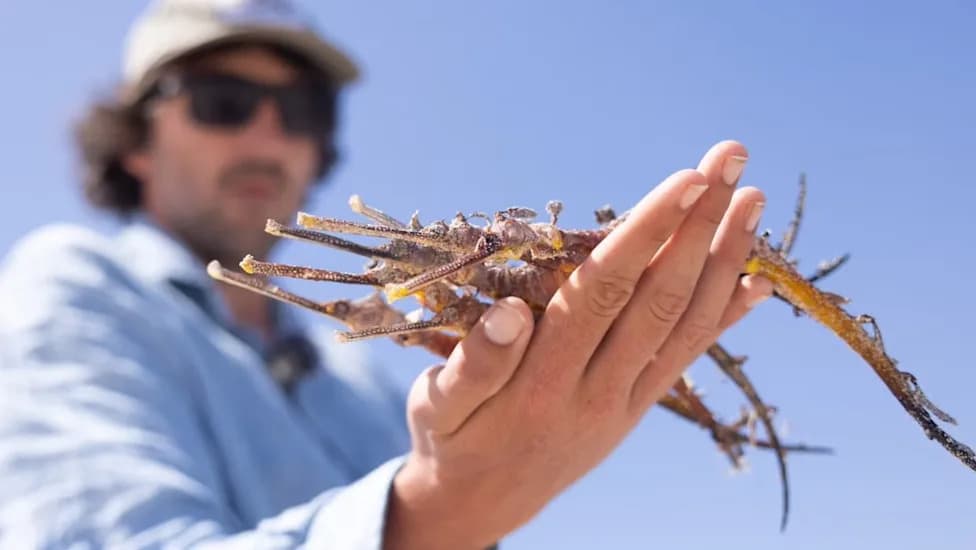
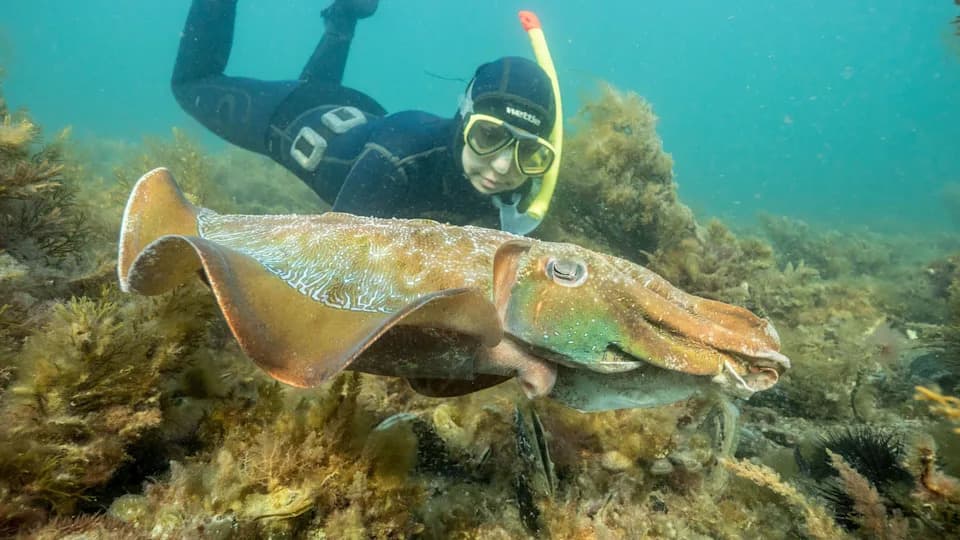
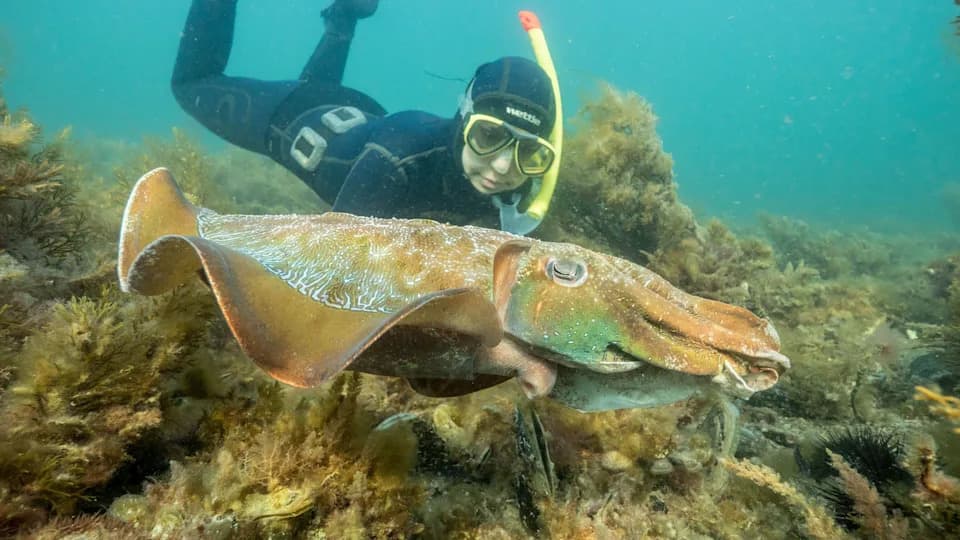
Photo Credit: Stefan Andrews / Great Southern Reef Foundation
A toxic algal bloom along South Australia's coast has triggered an unprecedented marine die-off, washing up thousands of dead sea dragons, seahorses and pipefishes and damaging the habitats they depend on.
Analysis of citizen-science submissions by Dragon Search SA and reporting in The Guardian indicate the scale of the losses: more than 1,600 leafy and weedy sea dragons (combined), roughly 1,400 pipefishes and about 160 seahorses have been recorded dead along South Australia’s shoreline since the bloom began in March 2025.
Experts say this appears to be the worst documented mass mortality event for the Syngnathidae family (sea dragons, seahorses and pipefishes). South Australia hosts more than 30 Syngnathidae species, and at least 13 species have been affected as the bloom spread along the coast.
Cause and Extent
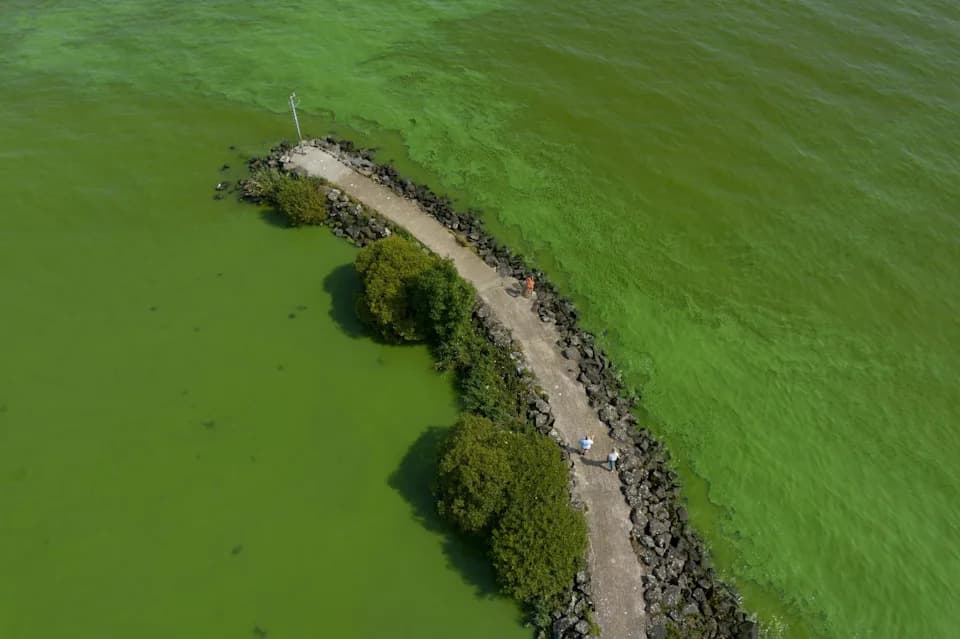
Authorities identified the bloom as involving Karenia cristata — a rare, toxic algae — in what has been described as Australia’s first event attributed to this species. The bloom has impacted hundreds of other organisms as well: officials report effects on more than 800 species and visible damage to kelp forests, seagrass beds and sponges.
Why This Matters
Sea dragons are endemic to Australia, making South Australian populations critical to the species' global future. Professor David Booth, a sea-dragon specialist at the University of Technology Sydney, warned that local populations of the state’s marine emblem — the so-called “leafies” — have likely been severely reduced.
"South Australian populations have probably been very much decimated, which is really sad — that's the center of their world distribution," said Booth.
Weedy sea dragons accounted for the majority of recorded deaths (1,524), and the species has recently been listed as Vulnerable by the IUCN. The loss of animals plus habitat destruction could prolong ecological recovery for years and increase pressure on local fisheries, tourism and coastal communities.
Response And Next Steps
Scientists, conservation groups and community volunteers have ramped up monitoring. Much of the data used to map the event came from divers and citizen scientists, whose reporting proved essential to documenting the die-off.
Planned and proposed responses include:
- Targeted habitat restoration for kelp, seagrass and sponge communities
- Enhanced monitoring to track surviving populations and longer-term ecosystem impacts
- Possible captive-rearing of juvenile sea dragons and other syngnathids to support recovery
- Construction of artificial refuges (for example, "seahorse hotels") to provide shelter for recovering populations
Community voices underline the human dimension. Dr Yolanda Waters, CEO of Divers for Climate, noted that divers often spot early changes and have watched the coastline’s marine life decline over the past 18 months.
Researchers caution that the full ecological and economic consequences will take time to emerge. The event arrives against a broader backdrop of marine stress — from coral declines to industrial pressures in biodiverse regions like the Coral Triangle — reinforcing calls for stronger monitoring and rapid intervention where possible.
Help us improve.