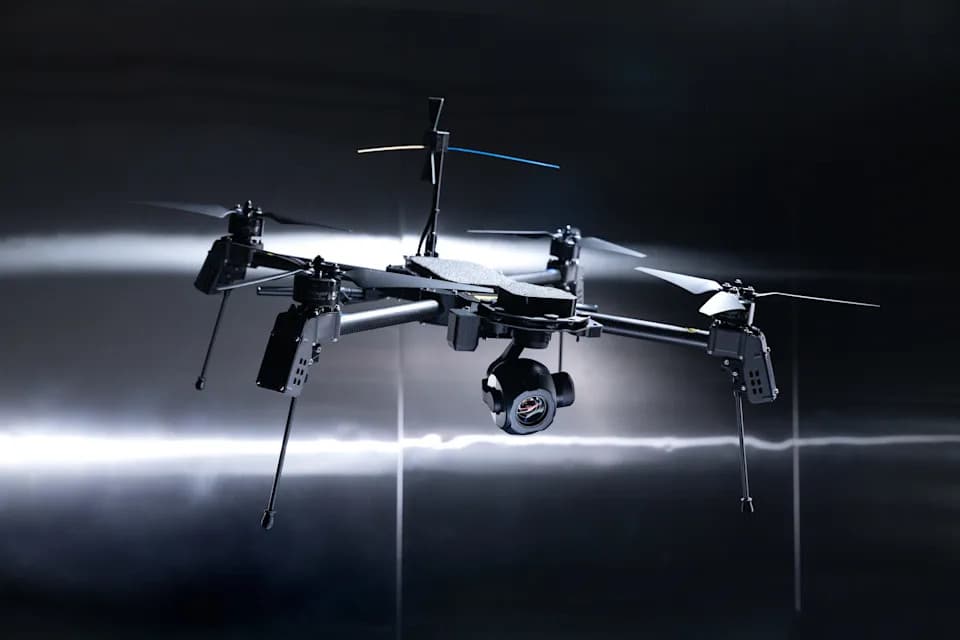
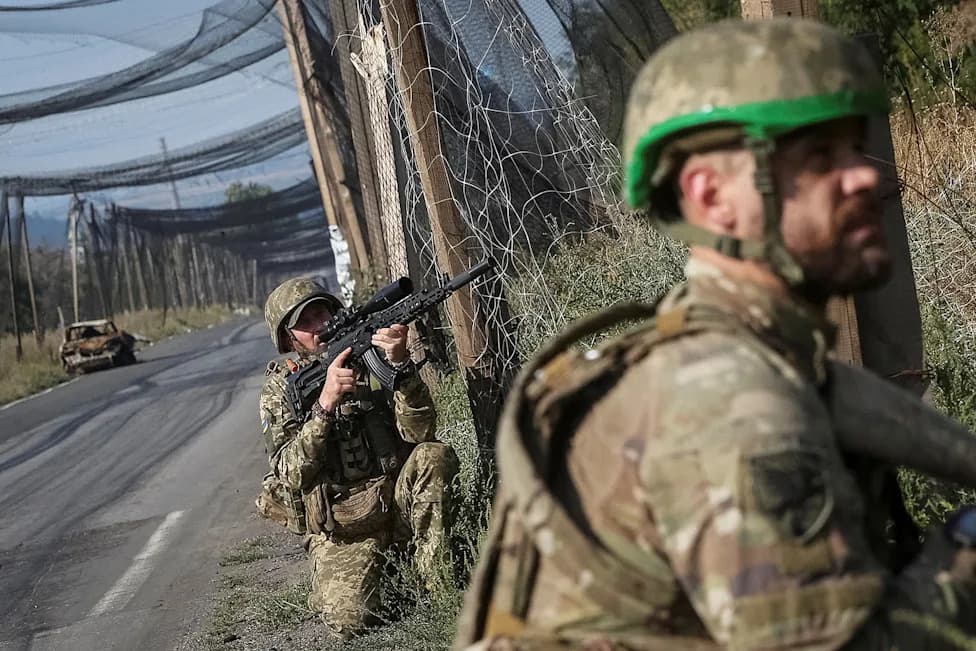
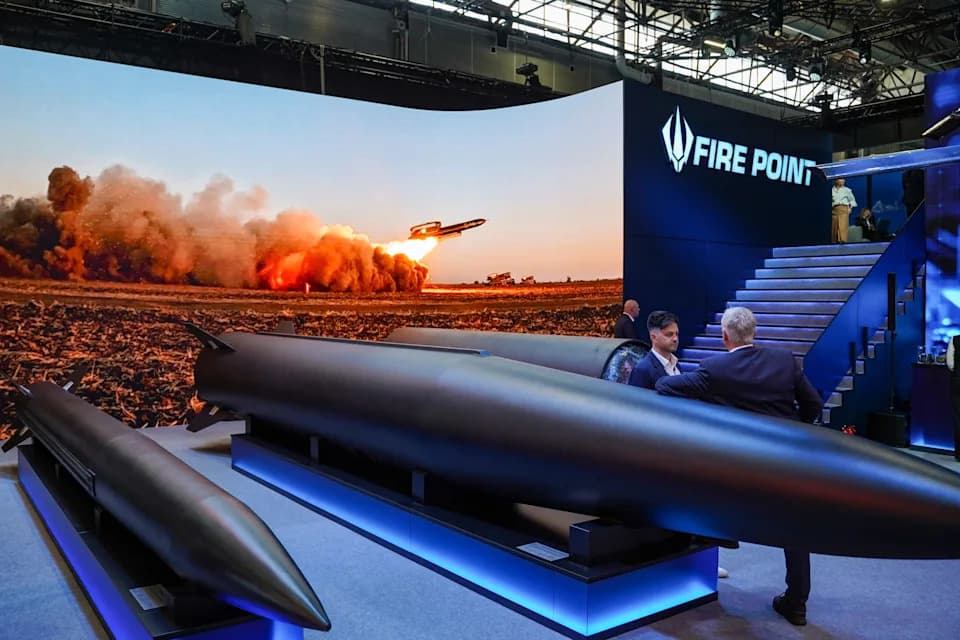
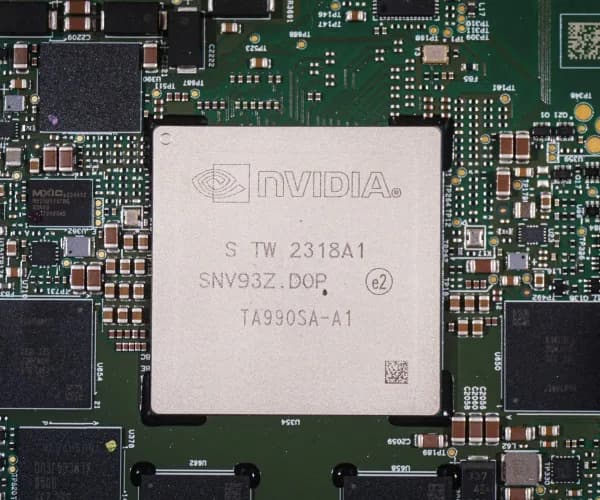
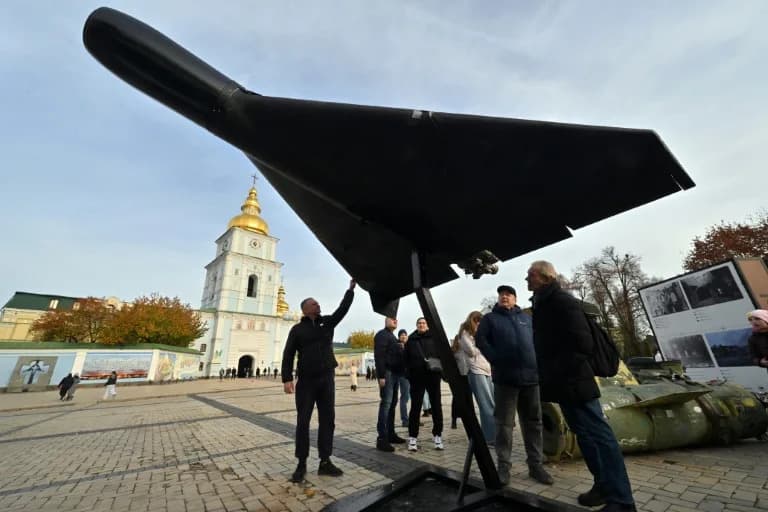
The Russia‑Ukraine war has accelerated the deployment of drones with AI‑driven navigation, target recognition and terminal guidance, bringing fully autonomous weapon systems closer to the battlefield. Russia reportedly fielded V2U models with onboard Nvidia processors in early 2025, while Ukraine has emphasized modular AI packages that can be fitted across platforms. These systems improve resilience to jamming and effectiveness against moving targets but risk outpacing rules designed to keep humans "in the loop," especially if swarms of communicating drones emerge.
On the Brink: How the Russia‑Ukraine War Is Hastening the Rise of Fully Autonomous Combat Drones
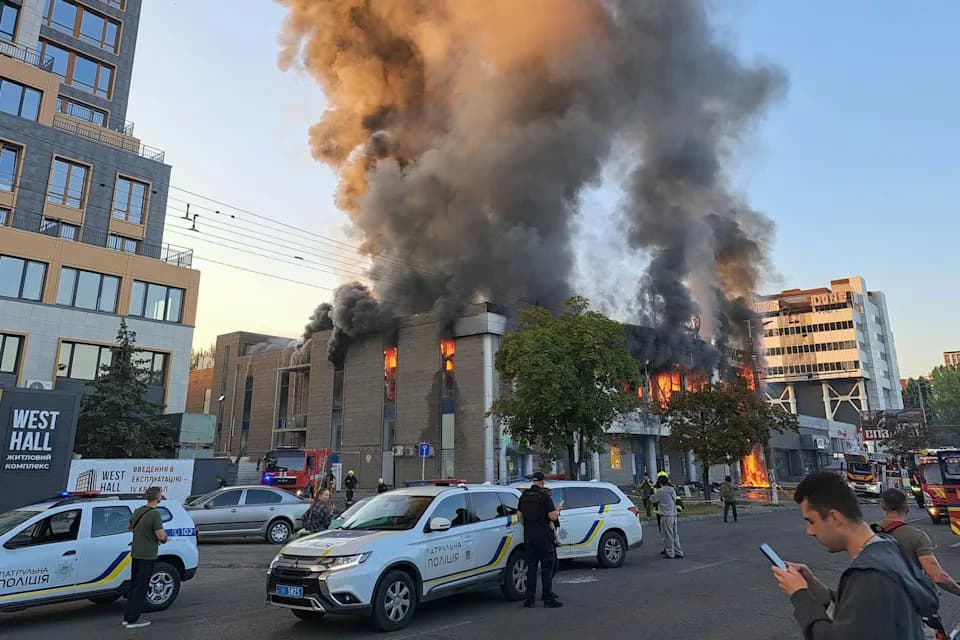
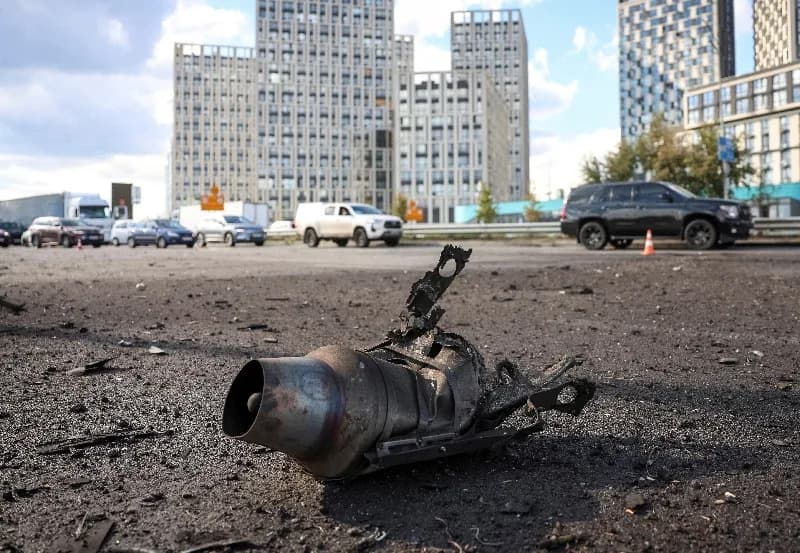
Flames engulf a building in Dnipro, Ukraine, hit by a Russian drone on Sept. 19, 2026.Danyil Nikolaenko/Suspilne Ukraine/Global Images Ukraine via Getty Images
The battlefield image of fully autonomous drones selecting and striking targets without human oversight still sounds like science fiction. Yet the Russia‑Ukraine conflict has pushed modern warfare noticeably closer to that scenario, accelerating the deployment of AI‑enabled systems that can navigate, recognize targets and guide terminal attacks.
Evidence of Increasing Autonomy
Since the invasion in February 2022, both Russia and Ukraine have scaled up drone production and added autonomous features to existing platforms. Reported systems now include on‑board AI for computer vision, navigation and terminal guidance. Reliable counts are unavailable, but such autonomous systems remain a small fraction of the millions of drones used by both sides.
Notable incidents and developments include:
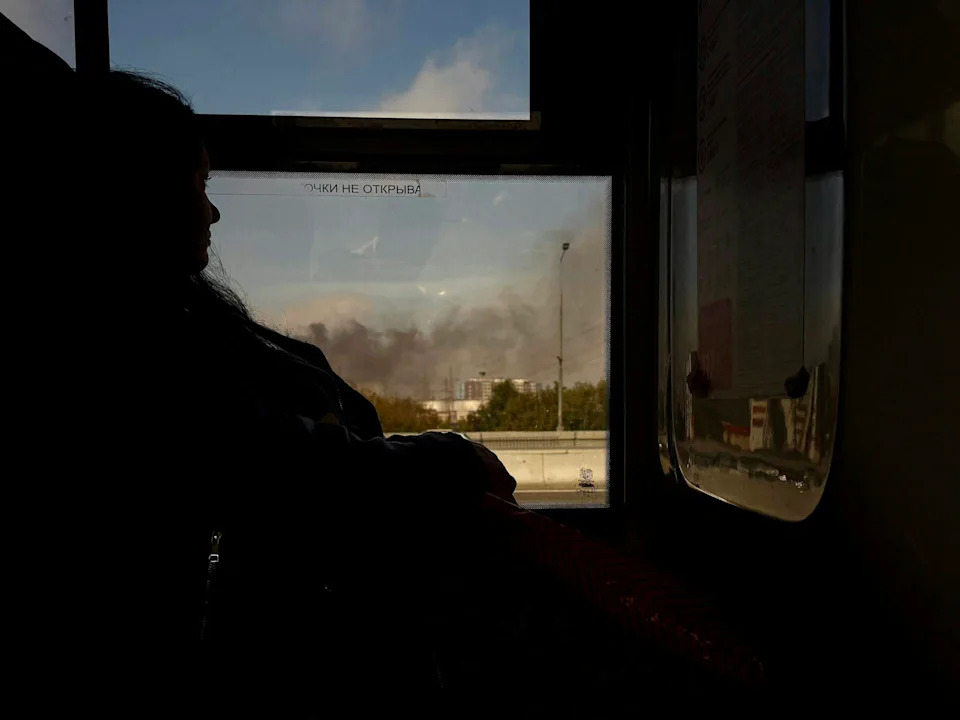
Smoke rises from Russian oil producer Gazprom Neft's Moscow oil refinery on Sept. 20, 2026, after a drone attack.AFP via Getty Images
- In early 2025 Ukrainian technicians recovered Russian V2U drones containing compact Nvidia computers intended to run AI decision‑making software; later variants reportedly lacked external communications modules that suggested operator control.
- In November 2025 a Ukrainian FPV (first‑person‑view) attack drone used an AI‑assisted guidance suite to strike a probable Russian tank after its communications link was lost: a human chose the target area, while the drone conducted final guidance autonomously.
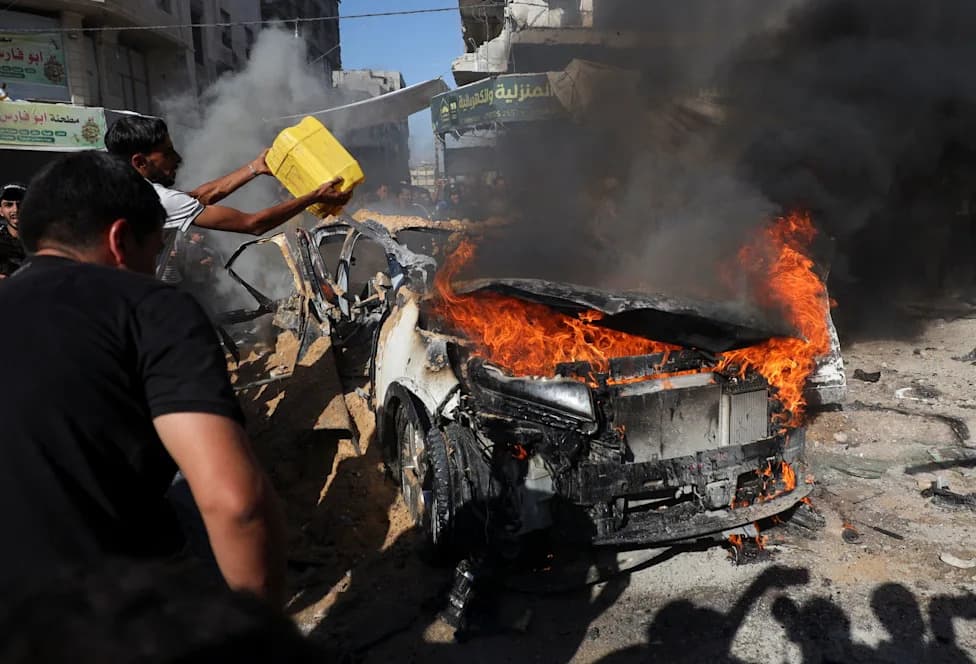
- In July, an AI‑enabled Russian drone struck a gas station in Zaporizhzhia; human operators designated the target area while onboard software selected the precise aim point, an attack that killed three civilians.
- Russia has added seeker guidance packages to Geran‑series UAVs (based on Iran’s Shahed‑136), enabling onboard terminal guidance once a human designates the target area.
- Ukraine favors modular AI packages—compact chips with embedded software and cameras—that can be widely fitted across drone types. Some modules are designed to guide the final 500 meters and manufacturers advertise progressively greater autonomy in newer modules.
Operational Benefits and Battlefield Impact
Autonomous features offer clear tactical advantages. Onboard AI reduces dependence on radio links and can allow drones to operate despite jamming and other electronic‑warfare measures. Terminal autonomy improves engagement of moving targets and enables deeper strikes into contested territory. If fielded at scale, such systems could also reduce the personnel required to operate large drone fleets.
Ethical, Legal and Command‑Control Challenges
These advantages come with serious risks. One major concern is that technology development may outpace frameworks intended to preserve meaningful human control over weapon systems. Ukrainian Ministry of Defense guidance officially requires keeping humans "in the loop" for combat decisions and verification during the final interception stages. Russian statements about "human control" emphasize the ability to alter or deactivate systems or to constrain target types, but do not clearly insist on human verification of individual strikes before they occur.
Looking ahead, the rise of swarming drones—coordinated groups that communicate and adapt in real time—would make maintaining human oversight far more difficult and raise significant moral, legal and security dilemmas.
Conclusion
As both sides continue to innovate and mass‑produce drones with growing autonomy, the prospect of weapon systems capable of selecting and engaging targets without human confirmation becomes more plausible. That trend creates urgent challenges for battlefield ethics, international law and strategic stability—and calls for renewed attention from policymakers, militaries and the international community.
Originally published by The Conversation. Written by Amy McAuliffe, University of Notre Dame.
Help us improve.