After meeting President Donald Trump at the U.N., Ukrainian President Volodymyr Zelenskyy warned that the risk of Russian attacks on other European countries is "very high," citing threats from drones, missiles and potential ground operations. He argued that Moscow may seek to fracture European unity by provoking incidents beyond Ukraine and urged nations to respond firmly to deter further aggression. Zelenskyy also pressed for more Patriot air defenses ahead of winter and discussed a possible reciprocal pause on strikes against energy infrastructure.
Zelenskyy Warns Europe: Risk Of Russian Attacks ‘Very High’ After UN Meeting With Trump
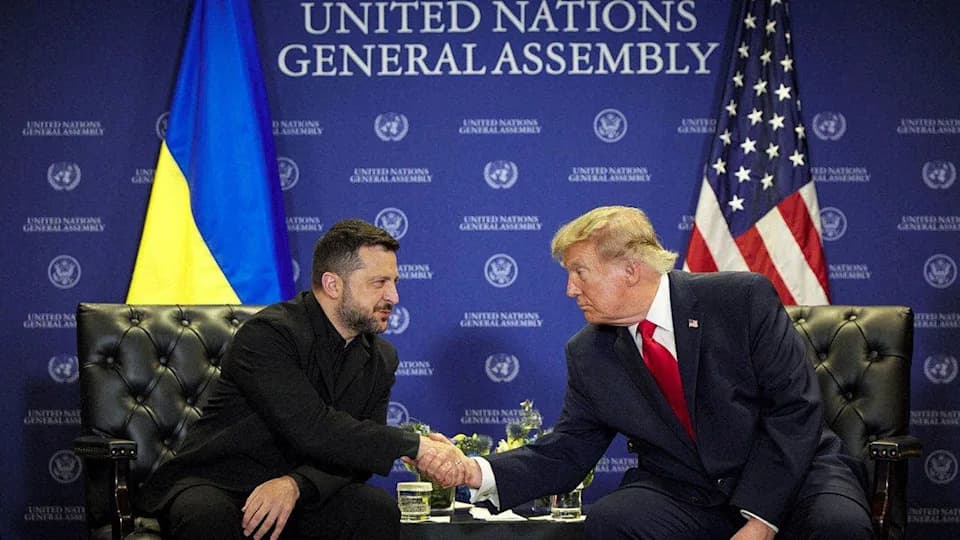
U.S. President Donald Trump and Ukraine's President Volodymyr Zelenskiy shake hands as they meet on the sidelines of the 81st United Nations General Assembly (UNGA) in New York City, US, in this handout released September 22, 2026.
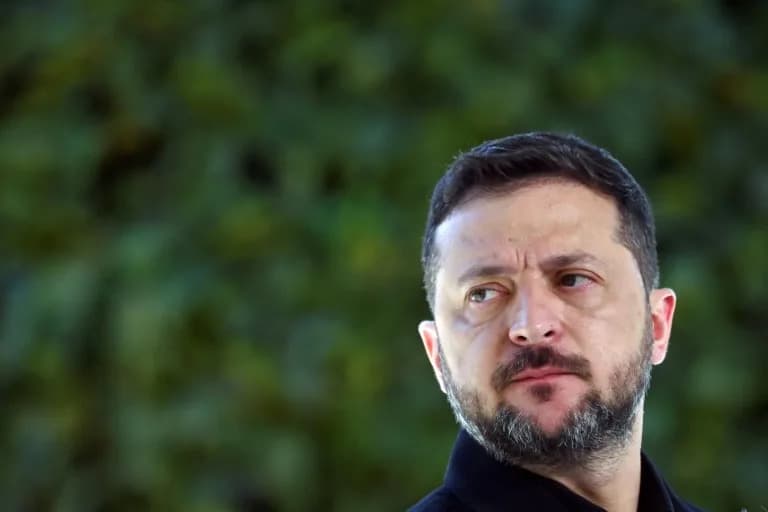
Ukrainian President Volodymyr Zelenskyy warned reporters on Tuesday that Russia could carry out attacks against other European countries, saying the risk of a new offensive — by drones, missiles or even ground operations — is "very high" as Moscow seeks to undermine European unity and weaken support for Kyiv.
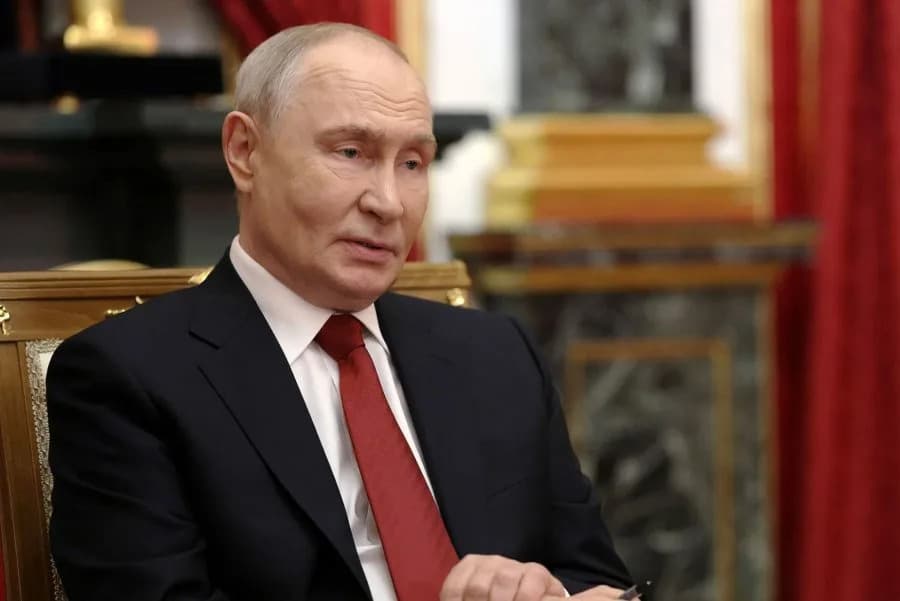
Speaking to Fox News Digital after meeting U.S. President Donald Trump on the sidelines of the United Nations General Assembly in New York, Zelenskyy said Russian President Vladimir Putin, frustrated by an inability to secure decisive military gains in Ukraine, might try to create instability elsewhere in Europe to pressure Western governments to scale back assistance.
"That's why the risk of offensive by drones, missiles or land operation is very high against other countries who are bordering Russia or Belarus," Zelenskyy said. He added bluntly: "Respond. Always respond. It's not about the war. If you don't respond, Russians, they will go further."
Rising Tensions and Recent Incidents
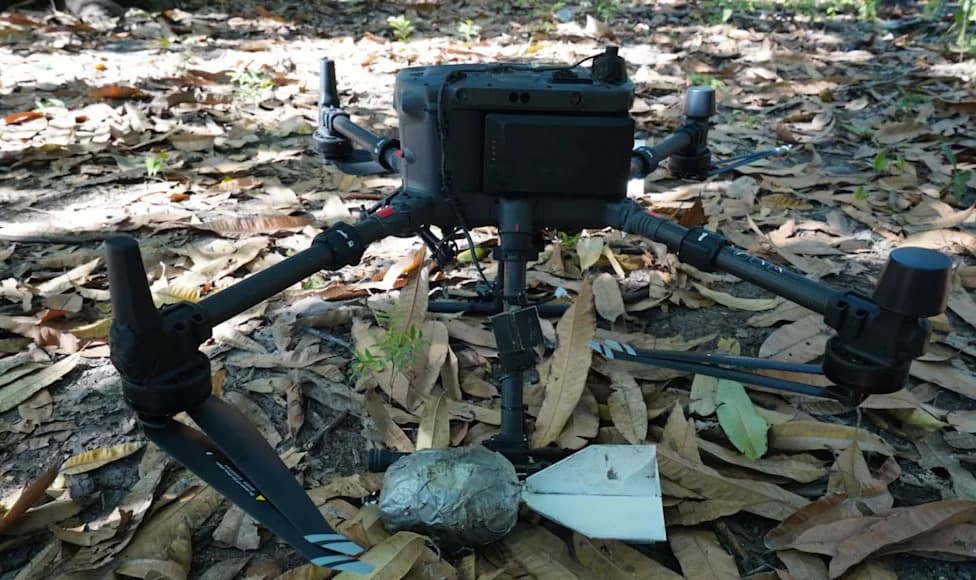
Zelenskyy pointed to a string of recent incidents he says illustrate Moscow's willingness to test European defenses and intimidate societies. Authorities across the continent have blamed or suspected Russian involvement in multiple drone incursions and disruptions in recent weeks.
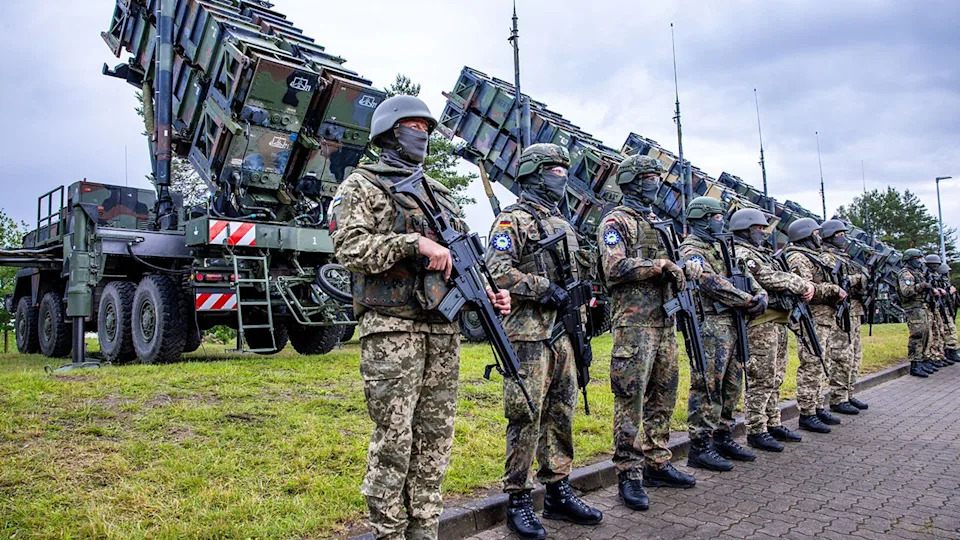
Ukrainian and German soldiers are seen training on the Patriot air defense missile system at a military training area in Germany in June 2024.
Notable episodes cited include an attempted drone attack at Leipzig/Halle Airport on Aug. 4, which German authorities publicly attributed to Russia on Sept. 1; a drone that entered Romanian airspace on Sept. 8 before returning to Moldova and crashing; and a separate drone shot down over Lithuania a week later by Italian jets operating under NATO command. Italian officials said that drone likely originated from Russia, while Lithuanian investigators continued to examine its origin.
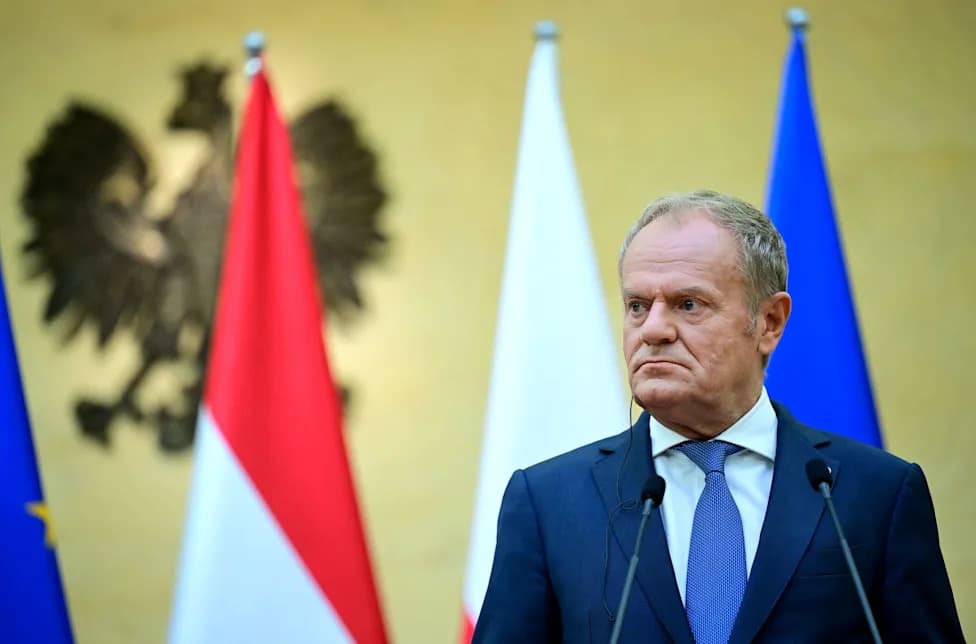
European leaders have voiced alarm. German Chancellor Friedrich Merz warned on Sept. 14 that peace in Europe is under threat and urged a united response from EU nations and NATO. On Sept. 17, Polish Prime Minister Donald Tusk warned that Russia could carry out drone or missile strikes against NATO countries supporting Ukraine and might try to portray such attacks as accidents to blunt a coordinated response. Latvian President Edgars Rinkēvičs told The Guardian on Sept. 18 that many European states and NATO are struggling to keep pace with rapid advances in drone warfare and exposed gaps in air and missile defenses.
Talks With Trump And Air-Defense Needs
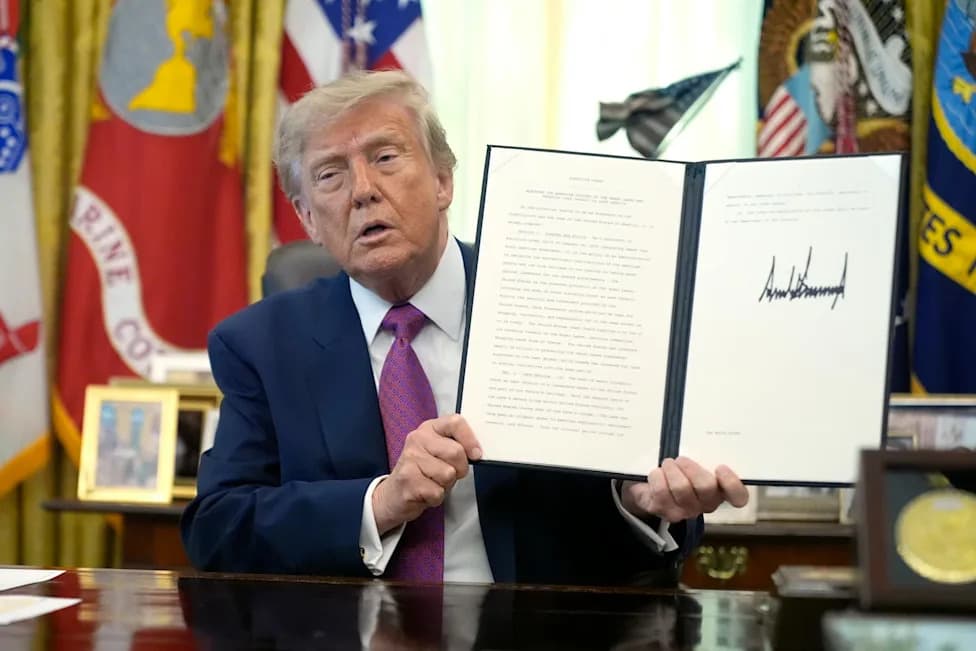
Zelenskyy said his meeting with President Trump included discussion of a possible reciprocal pause on strikes against each side's energy infrastructure and reiterated Ukraine's urgent need for additional Patriot air-defense systems ahead of winter. "We are ready," Zelenskyy said of a potential agreement to halt energy-targeted strikes, while noting uncertainty about whether Russia would reciprocate.
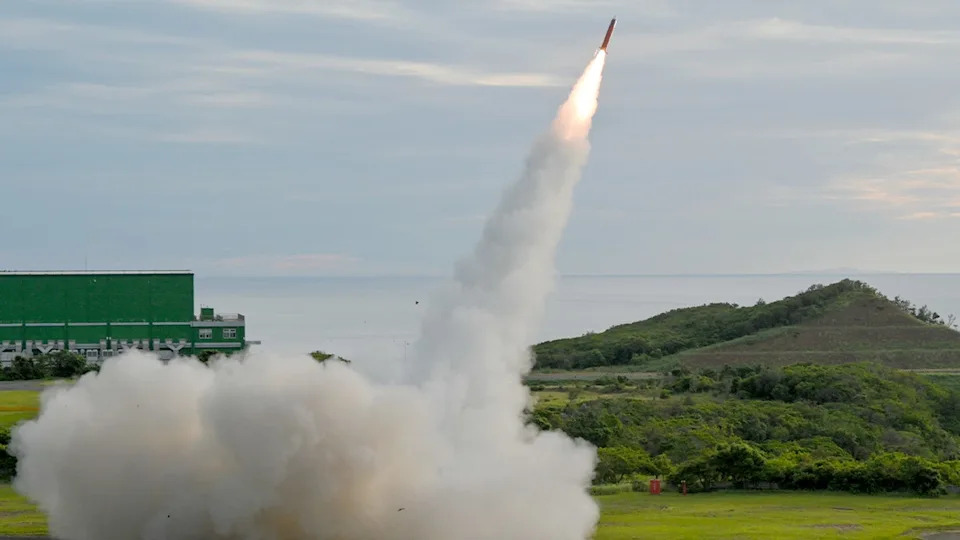
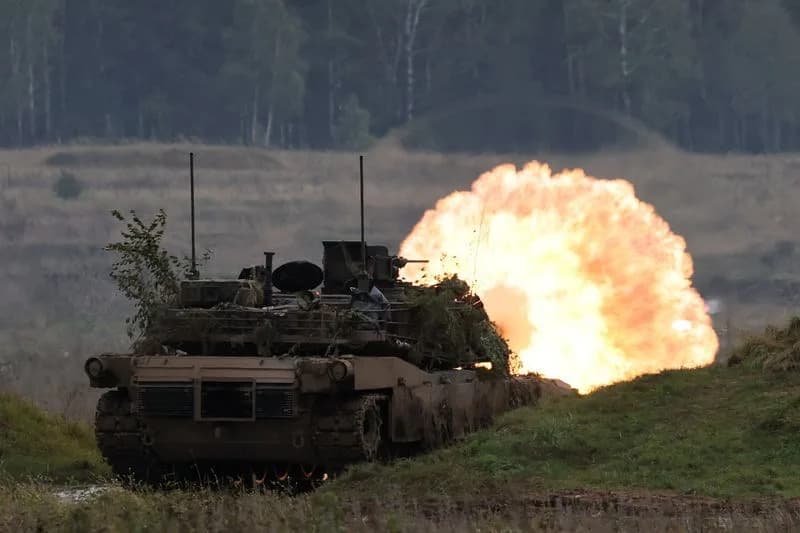
A U.S.-made MIM-104 Patriot surface-to-air missile is launched during a live-fire exercise at the Chiupeng missile base in Pingtung County on Aug. 20, 2024.
Trump, Zelenskyy added, expressed willingness to help Ukraine obtain more air-defense capabilities, though no immediate commitment on missile deliveries was announced. Photographs released in connection with the meeting show the two leaders on the sidelines of the 81st United Nations General Assembly, with a handout photo dated Sept. 22, 2026. Separately, imagery of U.S.-made Patriot systems — including a live-fire exercise photo dated Aug. 20, 2024 — underscored the emphasis on strengthening air defenses.
What Zelenskyy Urges Europe To Do
Zelenskyy urged European nations to respond decisively to incursions and attacks rather than treating them as isolated incidents. He argued that a firm and united reaction would deter further escalation, while hesitation or inaction could embolden additional aggression.
Bottom line: European leaders and NATO face growing challenges from drone and hybrid attacks, and Zelenskyy is pressing for stronger air-defense cooperation and a cohesive political response to prevent the conflict from spilling beyond Ukraine's borders.
Help us improve.