China Is Rapidly Expanding Data-Centre Capacity In Rural Regions — Large facilities are being built on grasslands such as Ulanqab to power national AI ambitions and to retain returning researchers. The drive pairs renewable energy with a push for open, affordable AI models but raises environmental and social concerns, including coal-dependent grids, water stress and village relocations. Beijing also seeks greater influence over global AI rules as the country scales talent and computing power.
China’s New Rural Skyline: Data Centres Rise on Potato Plains to Power an AI Push

[BBC]
Across the broad grasslands of Inner Mongolia, potato fields now share the horizon with vast, rectangular data-centre blocks being built to power China’s AI ambitions. What looks like an industrial skyline rising from farmland is part of a national drive to scale computing capacity, talent and influence in artificial intelligence.
China’s Strategic Build-Out
Ulanqab — long known as China’s “potato capital” — and other sparsely populated provinces such as Ningxia, Gansu and Guizhou are becoming hubs for data-centre construction. Developers and state-backed projects are placing facilities where land is cheaper, ambient temperatures are lower (reducing cooling costs) and large renewable-energy farms are already in place.
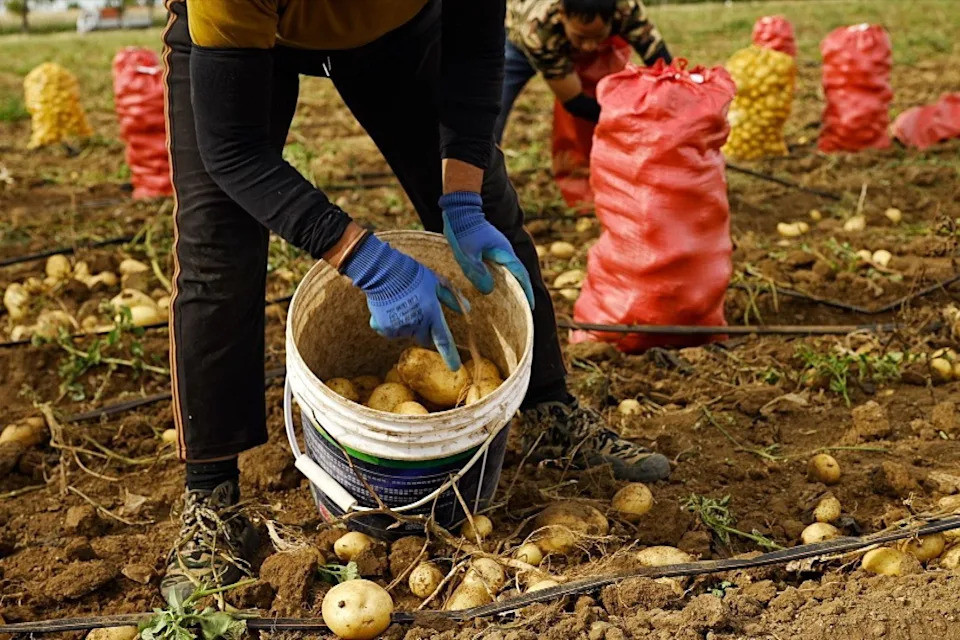
These potato farmers' new neighbours are at the heart of China's AI race with the US [BBC]
Why It Matters
For Beijing, these facilities are more than commercial assets: they are strategic infrastructure tied to economic competitiveness and national security. The Communist Party has set an ambition to embed AI across a large share of industry and society by 2030, and the raw computing power in these centres is a crucial enabler of that goal.
Talent and Technology Choices
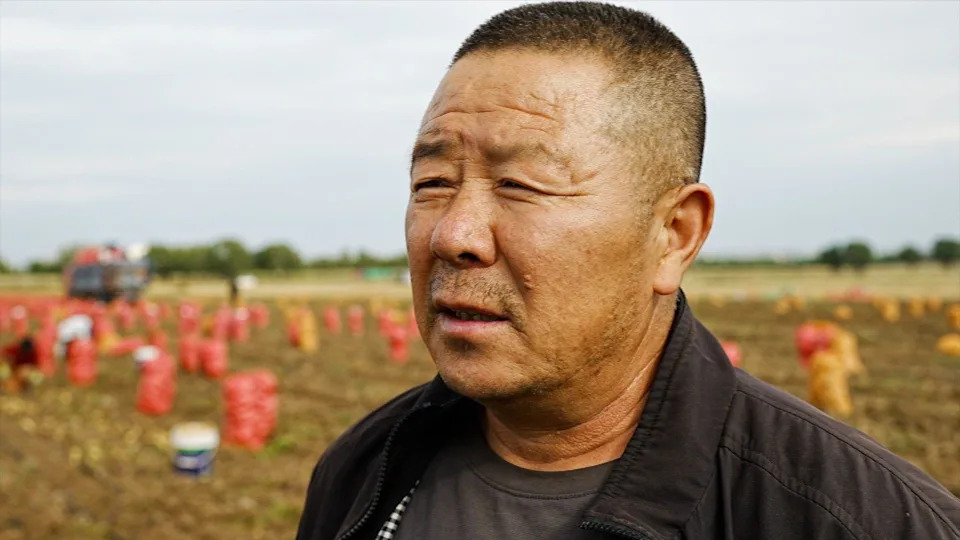
Zhang is optimistic about China's embrace of AI, and says his children have managed to find jobs in the new data centres [BBC]
China’s AI expansion is also a talent story. Tighter geopolitical ties and US restrictions on visas and advanced exports have coincided with a wave of researchers returning from overseas and fewer students going abroad. High-level recruitment programmes and growing domestic resources are creating incentives for technologists to stay or return.
“Fewer students and researchers are heading to the US, and more are returning from the US to China,” said Jack Zhang of the University of Science and Technology of China.
Beijing is promoting an approach that encourages open, affordable AI models that can be adapted by companies and researchers — a contrast to many US firms that use closed, proprietary systems. That collaborative, open-source orientation has helped Chinese teams iterate quickly despite limits on access to advanced chips.
Geopolitics and Governance
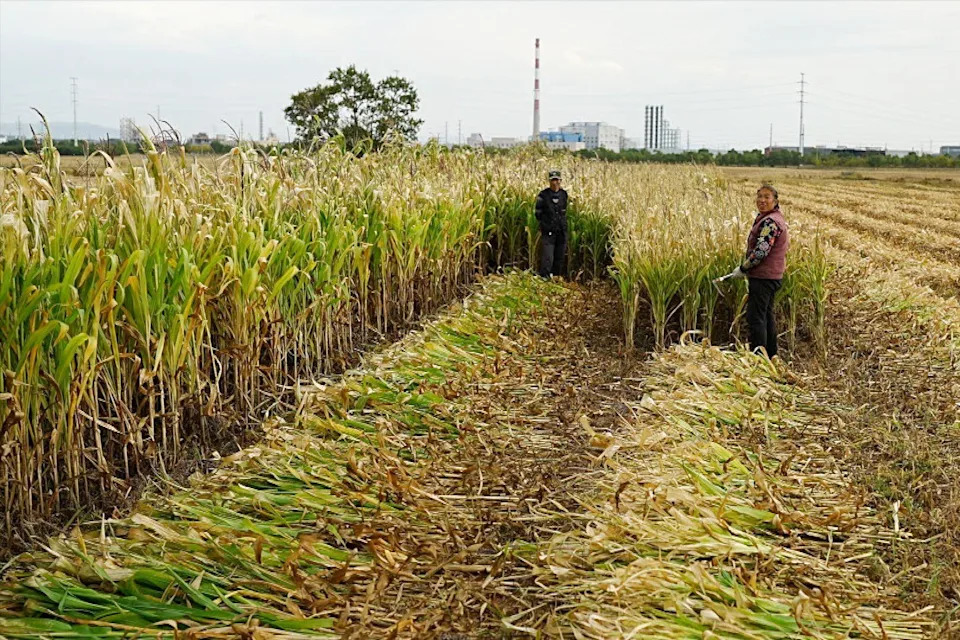
China sees AI as a solution to an ageing workforce [BBC]
The build-out comes as US and Chinese leaders meet to discuss AI safety and rules. Washington has tightened export controls on chips and equipment to limit China’s access to cutting-edge hardware; some US executives argue these controls should stay in place. Beijing, meanwhile, pushes for a global regulatory framework and argues for a competing model of more open, affordable AI development.
Environmental And Social Trade-Offs
The projects leverage new renewable capacity, but challenges remain: parts of China’s grid still rely on coal, and water scarcity is a real concern in arid regions of Inner Mongolia where cooling large installations can strain supplies. There are also social costs: reports indicate whole villages have been relocated to make room for projects, compensation details are opaque, and many local residents say they have seen few direct benefits or jobs.
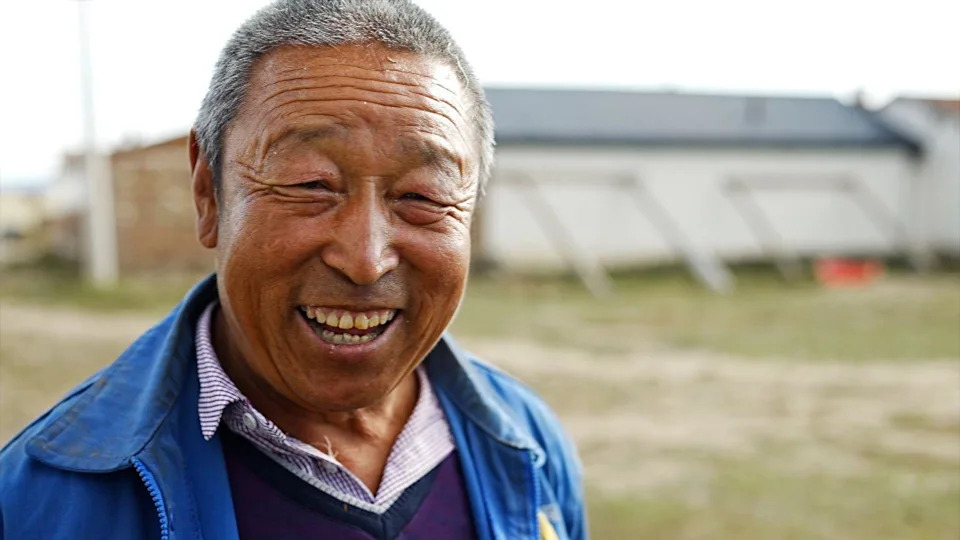
Locals like this farmer have little use for AI because they barely use the internet [BBC]
Local attitudes are mixed. Some residents express skepticism about whether the data centres benefit ordinary people; others welcome new employment opportunities for younger family members. Meanwhile, the broader economy faces headwinds — slow growth, youth unemployment and a troubled property market — that complicate public perception of a tech-driven future.
Education And Capacity
China graduates roughly five million students a year in science and technology fields, compared with roughly half a million in the United States, creating a vast pipeline of engineers and researchers. That scale, combined with more researchers choosing to remain in China, is strengthening domestic ecosystems for AI research and commercialization.
Outlook
The data-centre boom on China’s rural plains captures the competing impulses shaping AI globally: rapid technological scaling, strategic competition, and an urgent need to balance growth with local social and environmental impacts. As leaders talk about AI safety and governance, the momentum on the ground suggests that China’s infrastructural and talent investments will continue to shape the global AI landscape.
Help us improve.