The article examines how declining childhood vaccination rates and federal misinformation are complicating the back-to-school season across the United States. Local health departments have expanded clinics and outreach to counter a 20–30 percent drop in some areas, while CDC data show kindergarten exemptions rose to 4.2 percent and MMR coverage remains below herd-immunity levels. With confirmed U.S. measles cases topping 3,100 and last season's pediatric flu deaths concentrated among the unvaccinated, officials warn that delayed vaccinations and mixed messaging increase the risk of outbreaks and disruption to families and schools.
Vaccine Misinformation Threatens the School Year as Immunization Rates Fall
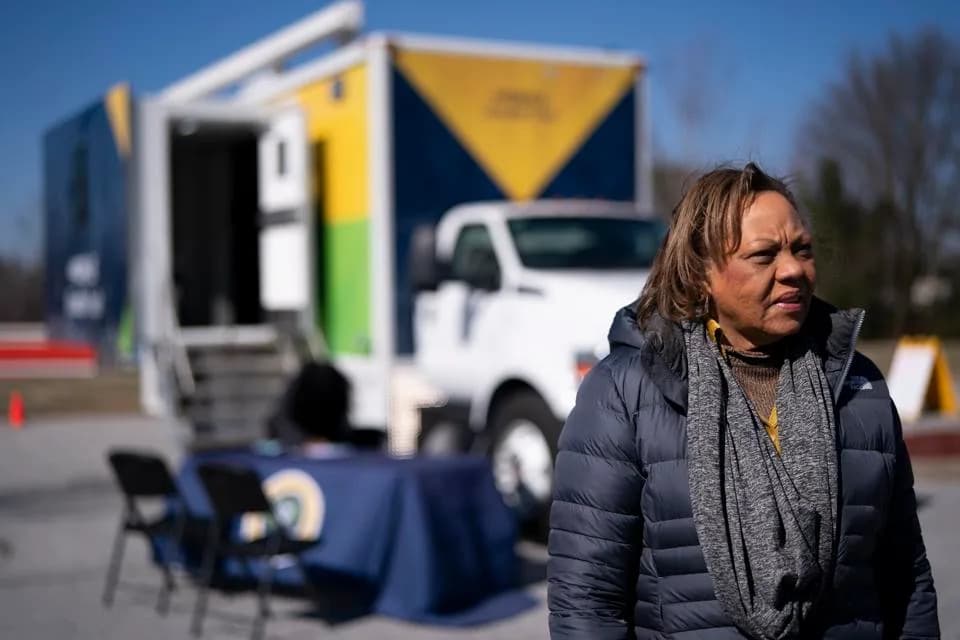
All summer, Dr. Marvia Jones watched vaccination data with growing concern. As director of the Kansas City Health Department in Missouri, Jones saw reports showing too few public school students up to date on required immunizations ahead of the fall term — a shortfall that could exclude children from classrooms and create major disruptions for working families.
To close the gap, Jones expanded access: she added extra clinics, brought vaccinations to church picnics and community events to remove transportation barriers, and extended clinic hours for parents with nontraditional work schedules. Even so, by mid-August demand for back-to-school immunizations lagged roughly 20–30 percent. Jones held a last-minute news conference with nursing staff from Kansas City Public Schools to urge parents to get children vaccinated and to clarify that a recent executive order from President Donald Trump did not change Missouri's school vaccine mandates.
"I understand having a deluge of information from many sources and just being confused and having concerns," Jones said. "There's no judgment in that." Within days of the outreach, Kansas City saw a spike in vaccinations — a small but meaningful reversal.
Declining Coverage and Rising Exemptions
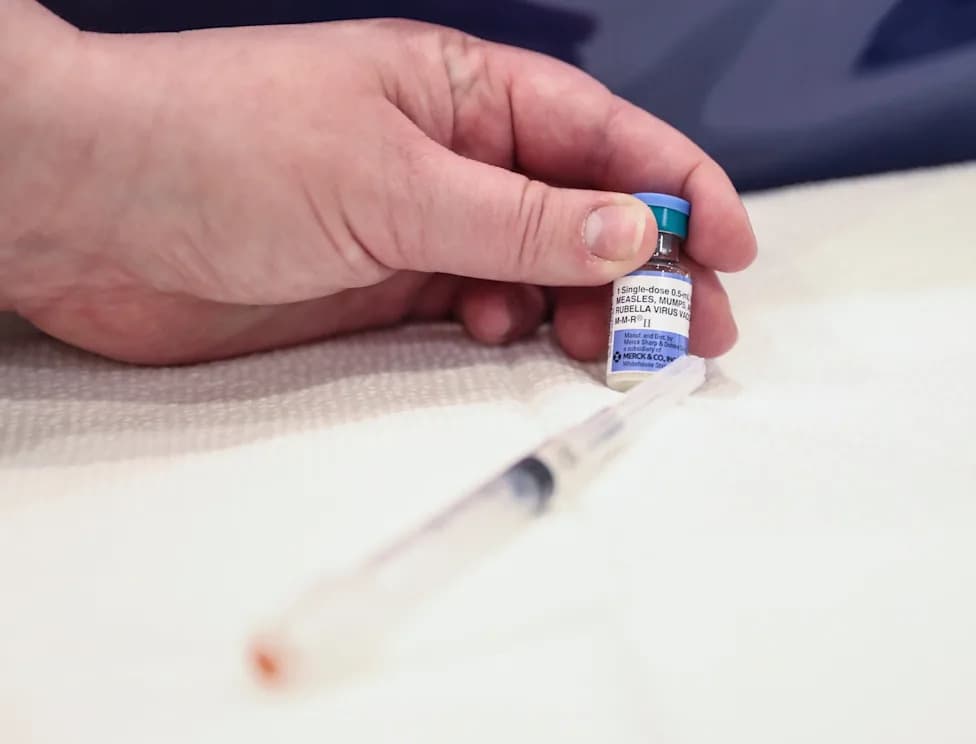
New Centers for Disease Control and Prevention (CDC) data show routine vaccination rates among kindergarteners continue to decline. Coverage for the measles-mumps-rubella (MMR) vaccine remains below levels needed for community (herd) immunity, and vaccine exemptions rose to 4.2 percent from 3.6 percent the prior year.
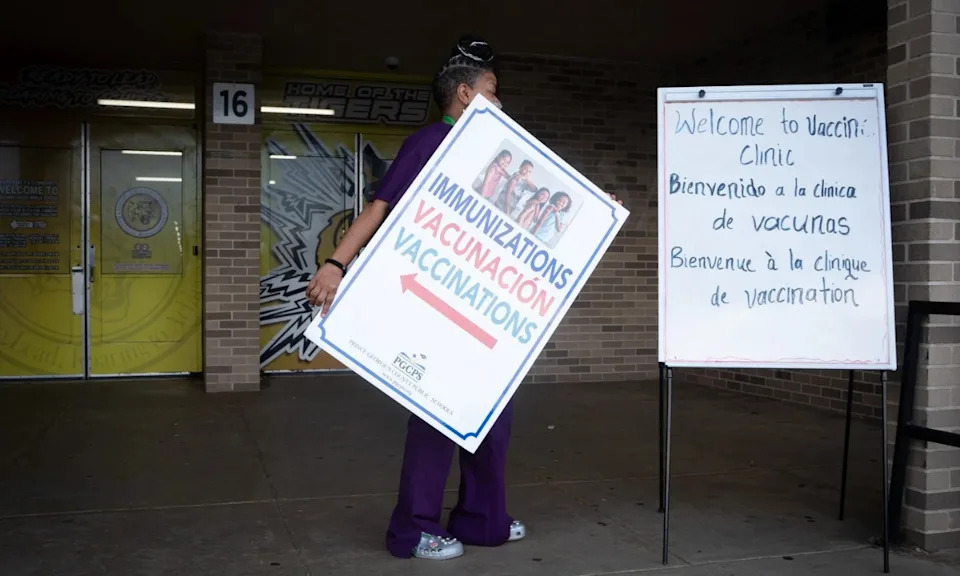
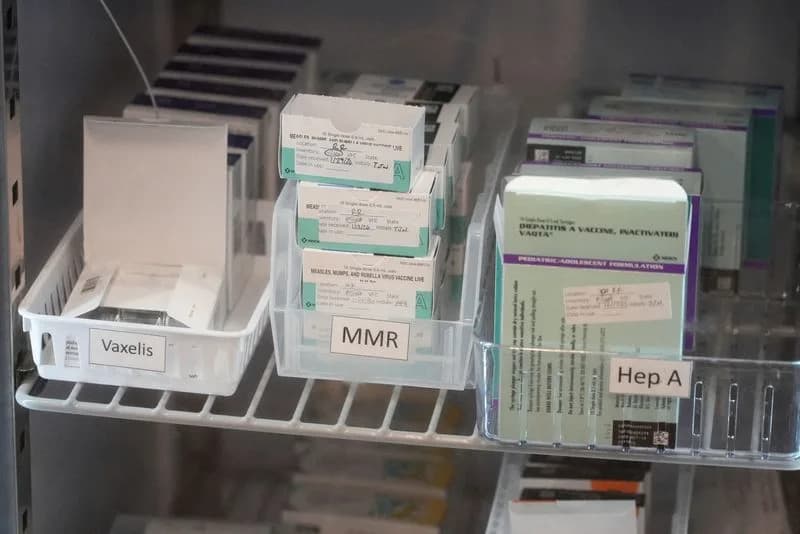
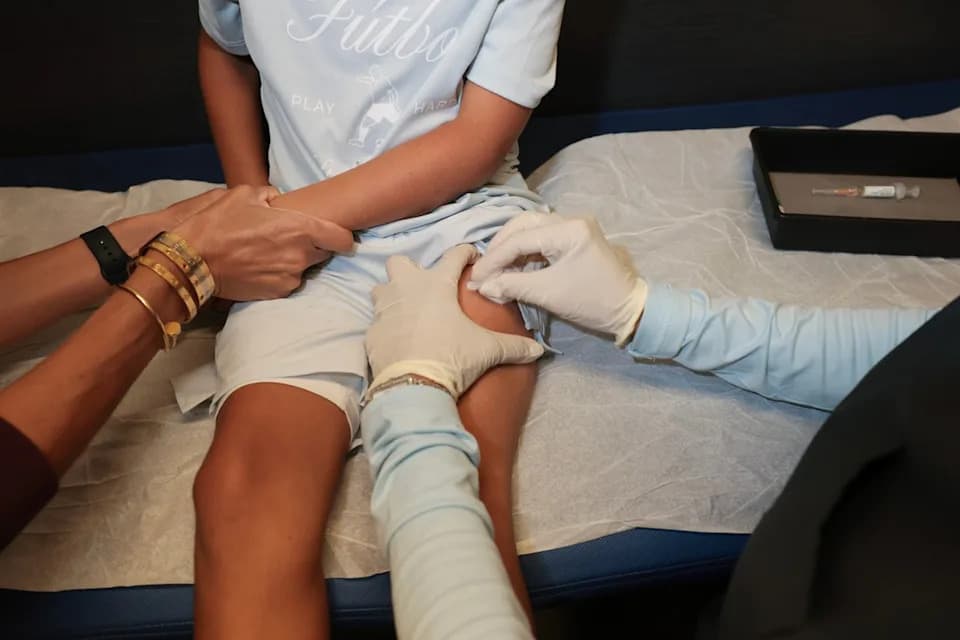
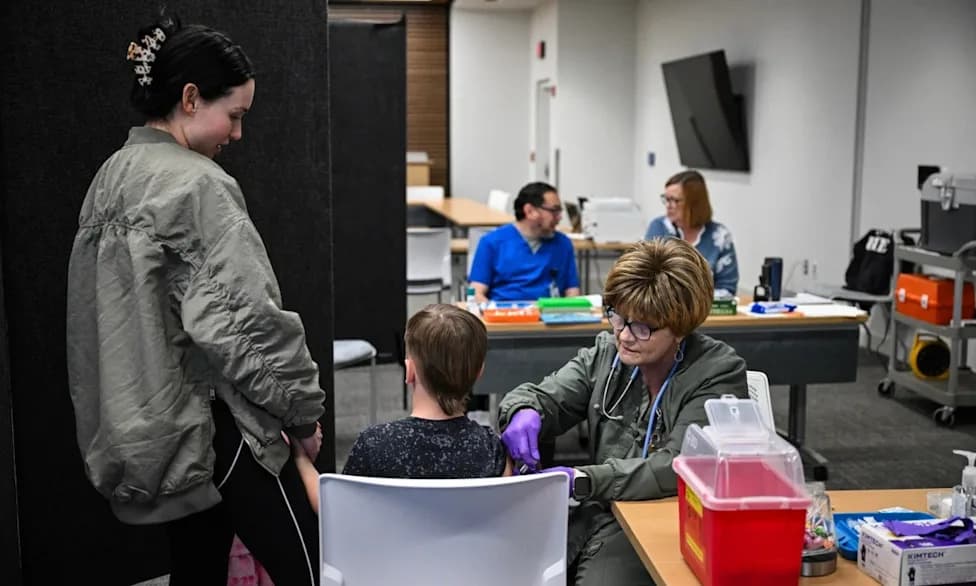
As parents scramble to ensure their children's vaccines are up to date for the new school year, some public health officials are offering clinics to help address that need while also spreading more accurate information about the benefits of vaccines to families.(Sarah L. Voisin/The Washington Post/Getty Images)
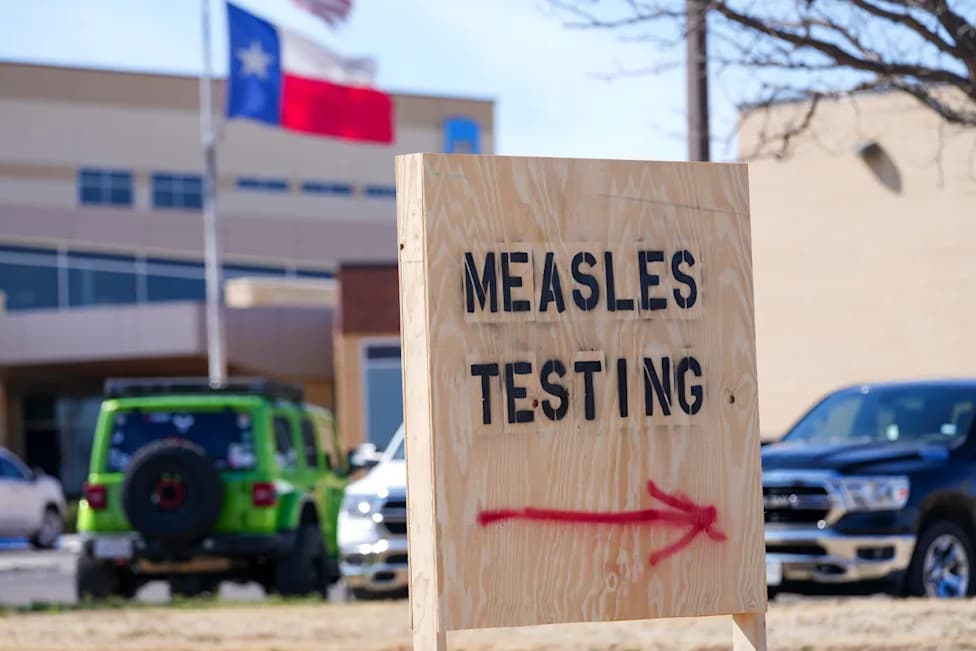
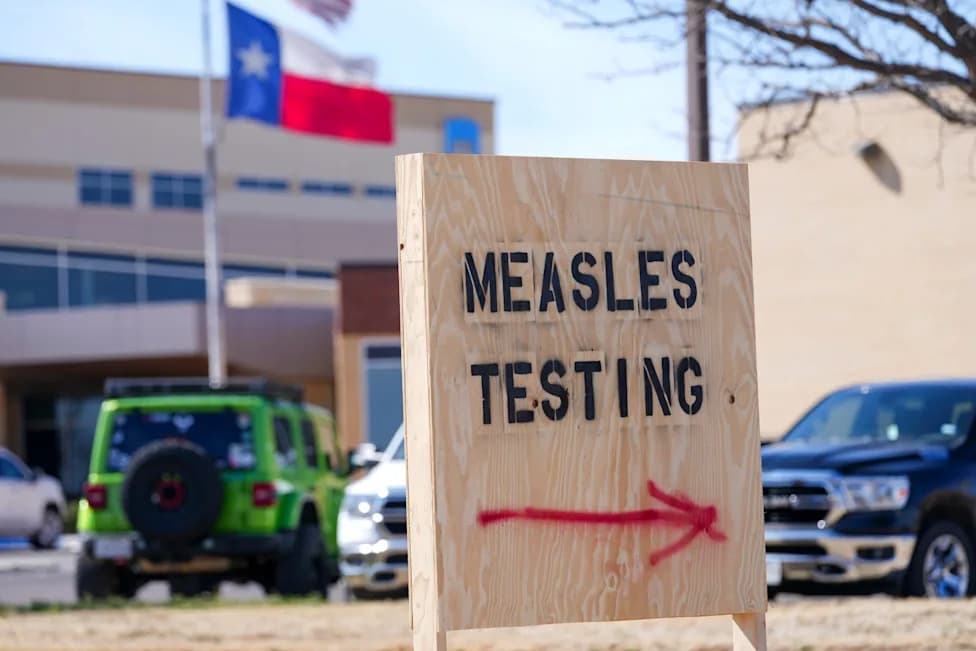
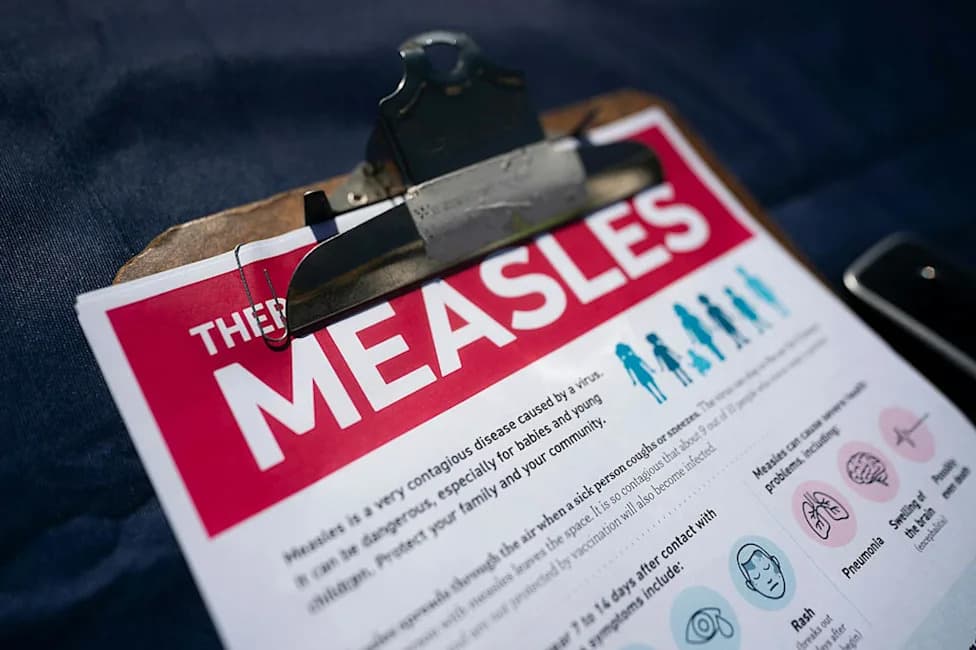
Health officials warn the results are perilous: confirmed measles cases in the United States have topped 3,100 this year, a 35-year high according to pediatric experts. For diseases such as measles, even modest declines in vaccination coverage can spark outbreaks because community immunity requires over 95 percent of susceptible individuals to be immunized.
Federal Messaging, Local Responses
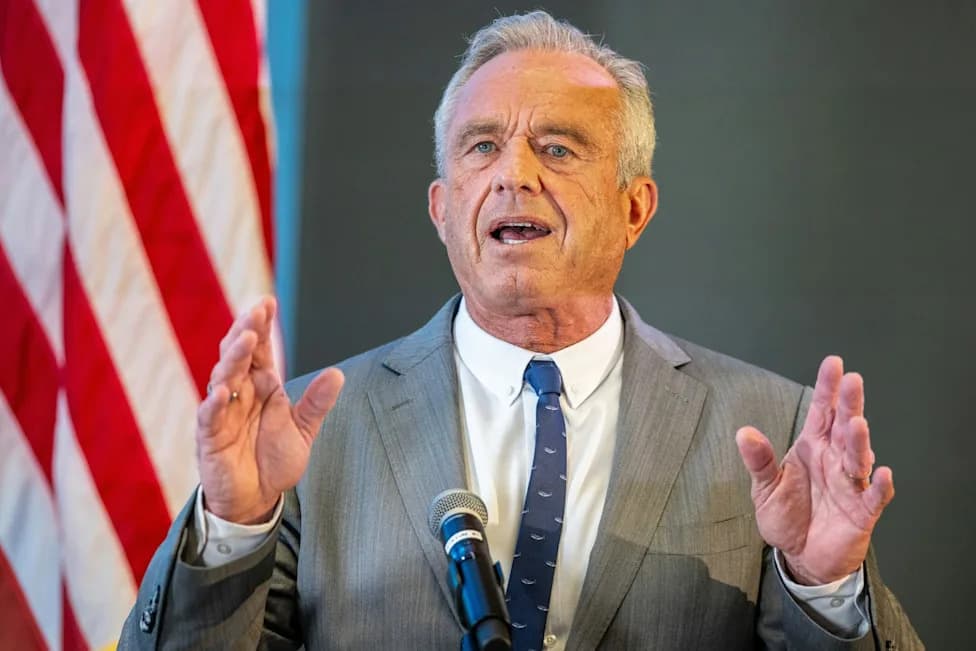
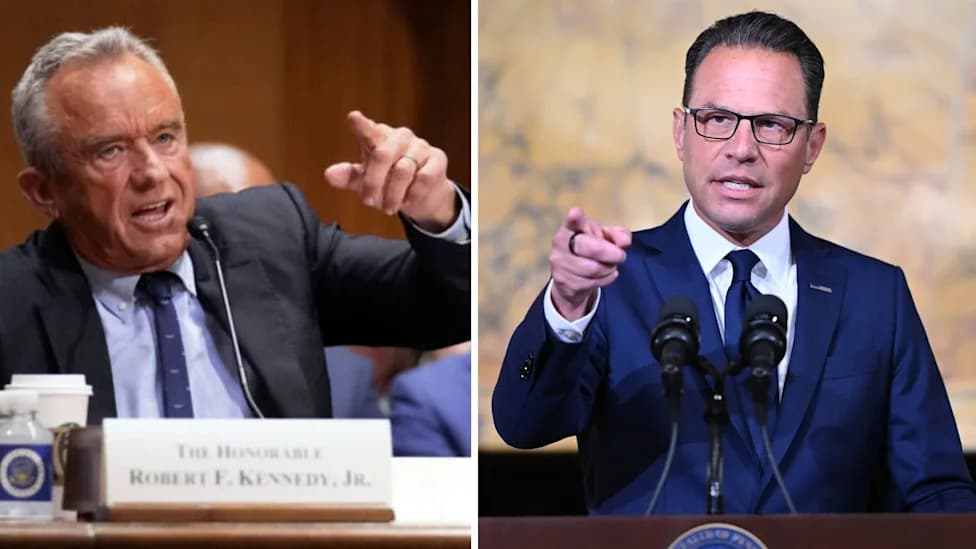
Many local health departments say they are "standing in the gap" as federal agencies play a reduced or contested role. Public-health leaders also point to confusing and misleading statements from national officials that may be contributing to hesitation. Health and Human Services Secretary Robert F. Kennedy Jr., who previously co-founded an anti-vaccine organization, announced plans in January to reclassify some childhood vaccine recommendations so that shots for flu, COVID-19 and RSV would be advised only for high-risk children or after extra consultation with a doctor. The American Academy of Pediatrics and other medical groups sued to challenge that policy change; it did not go into effect, and those groups continue to recommend routine vaccination.
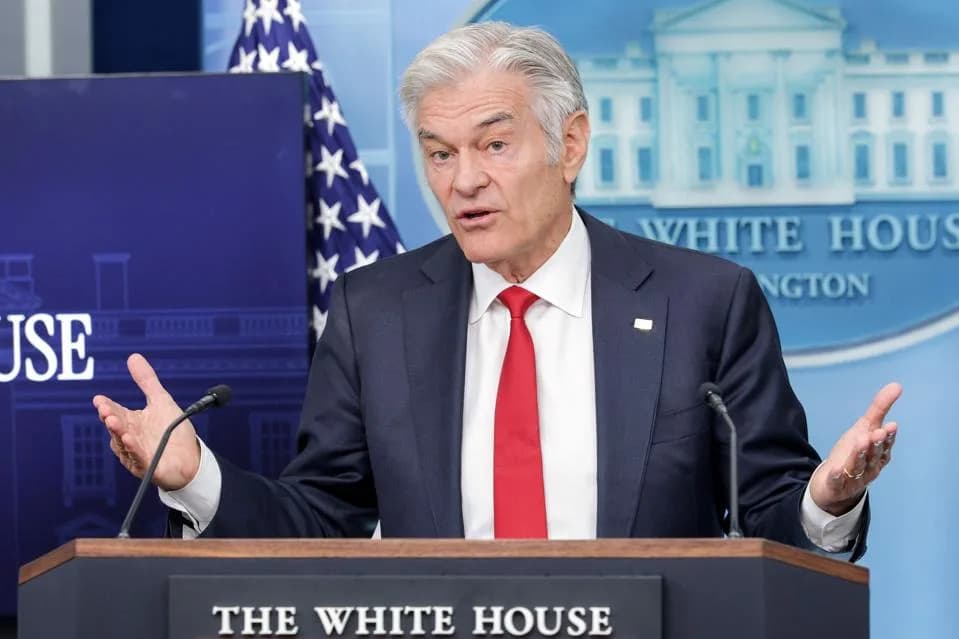
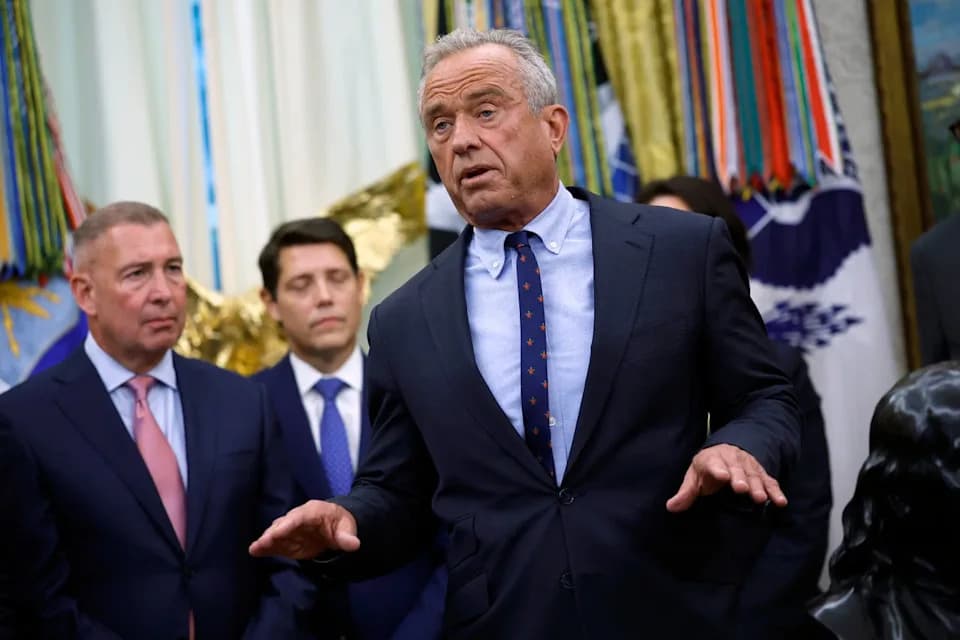
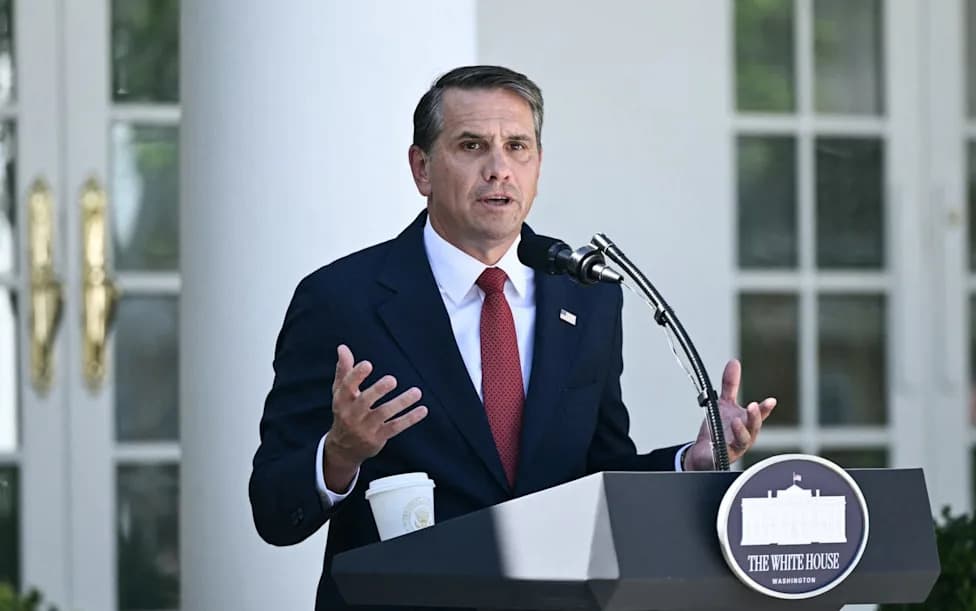
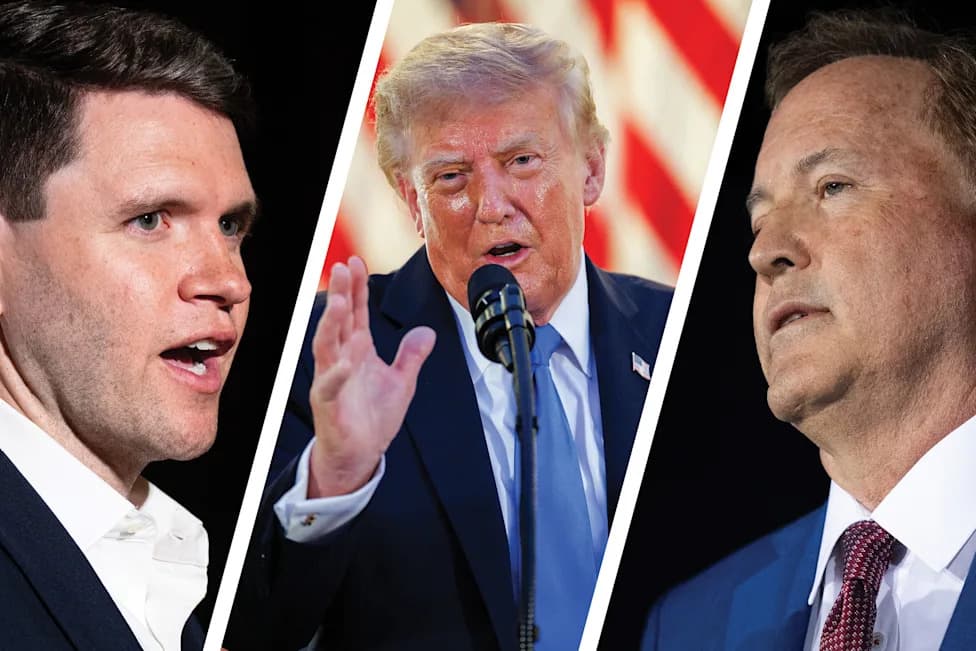
Officials have also pushed back on inaccurate or alarming language about vaccines from high-level figures. At a recent executive-order signing, President Trump described the MMR vaccine as "quite lethal," a claim public-health experts say is false and potentially harmful.
Local Impact and Preventive Actions
School nurses and local health directors warn that decreased immunization rates will increase the return of vaccine-preventable illness during the respiratory virus season, which runs from fall into early spring and typically includes influenza, COVID-19 and respiratory syncytial virus (RSV). Nearly 200 children died last season from flu-related complications; most were unvaccinated.
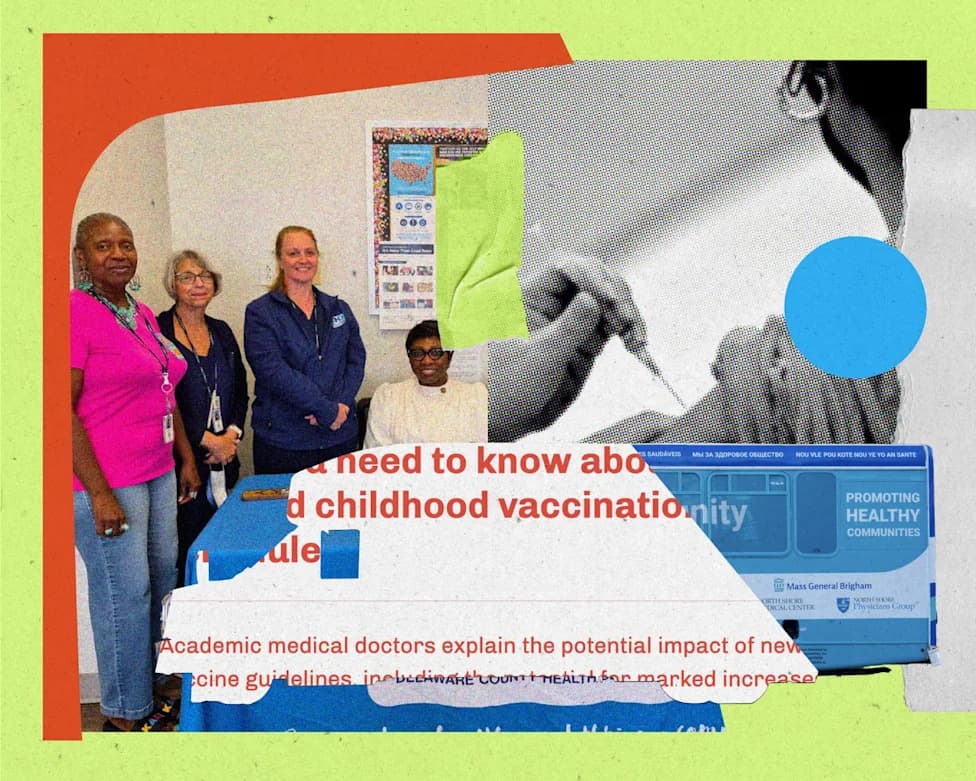
Kids Are Back in Classrooms. Health Misinformation Could Shape the School Year.
Some districts already face disruption: a South Texas district canceled classes for two days citing rising COVID cases, and a Louisiana middle school briefly closed after dozens of positive tests among staff and students. Quarantine rules can force children to stay home for days or weeks, straining families and employers in a country without federally mandated paid sick leave.
Still, there are local successes. Cleveland has increased kindergarten vaccination coverage from roughly 68 percent a few years ago to about 76 percent this school year. MMR coverage for incoming kindergartners in Cleveland sits in the low 80s — an improvement but still short of the threshold for herd immunity. Officials credit community trust-building, expanded federally qualified health centers and school-based clinics for the gains.
What Parents Can Do
Public-health organizations and major medical groups urge parents to talk with their pediatrician or family physician about routine vaccines, including flu and COVID shots, as the respiratory season approaches. Surveys show patients continue to trust their own healthcare providers, and many parents ultimately vaccinate after getting clear, reliable information from clinicians or school nurses. But delays in vaccination leave communities more vulnerable: "When influenza or COVID hits your community, or RSV or pertussis, it might be too late," said Lynn Nelson, president of the National Association of School Nurses.
This report was originally published by The 19th and reported by Barbara Rodriguez.
Help us improve.