The Wall Street Journal and social-media videos indicate Saudi Arabia may have fired a Chinese-made DF-15A SRBM into Yemen. If confirmed, this would be Riyadh's first known combat use of a ballistic missile and likely represents a political signal directed at Iran more than a purely tactical strike on Houthi forces. The DF-15A warhead separates in flight, so the final impact location is unclear; independent verification is still needed. Such use of ballistic missiles raises serious escalation risks for the region.
Did Saudi Arabia Fire a Chinese DF-15A Into Yemen? Footage, Motives, and Regional Risks
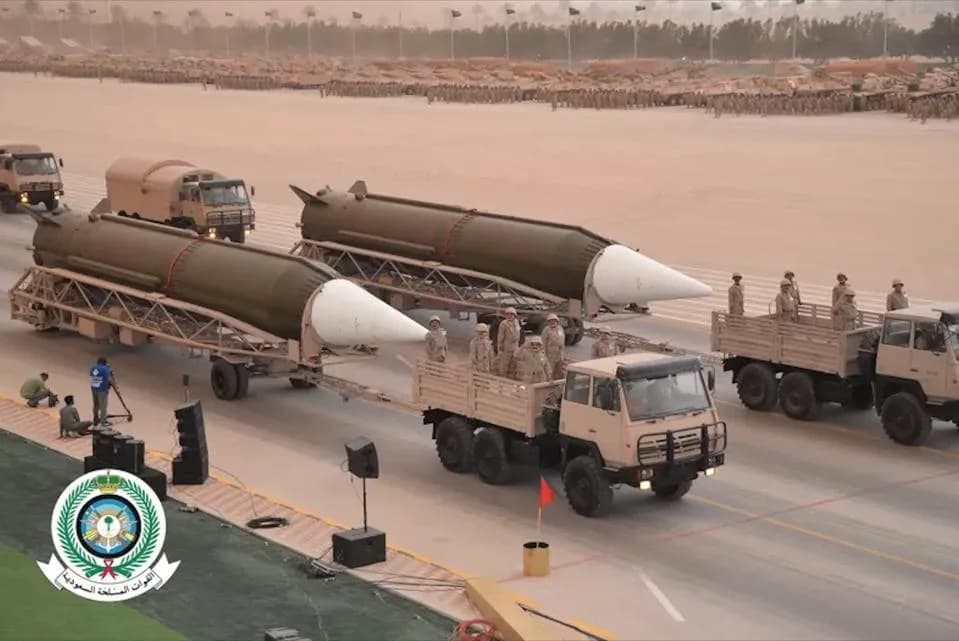
Saudi Arabia's Chinese-made DF-3A ballistic missiles on display at a military parade on April 29, 2014.Armed Forces of Saudi Arabia
The Wall Street Journal and social-media footage suggest that Saudi Arabia may have fired a Chinese-made DF-15A short-range ballistic missile (SRBM) into Yemen. If independently confirmed, this would be the first known combat use by the kingdom of one of its ballistic missiles. The incident—if true—appears to be as much a political signal to Iran as a kinetic strike on Houthi positions.
What the Footage and Officials Show
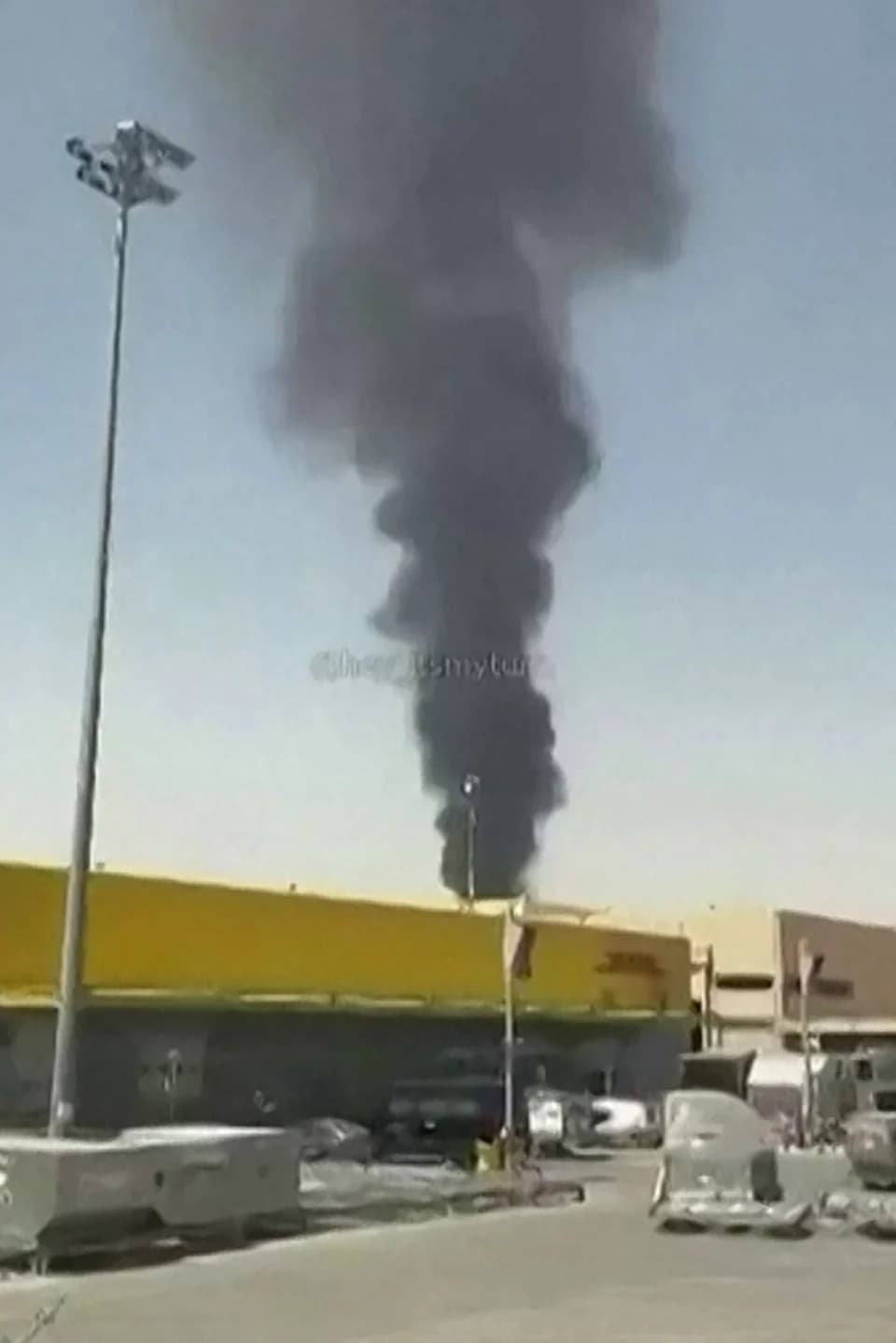
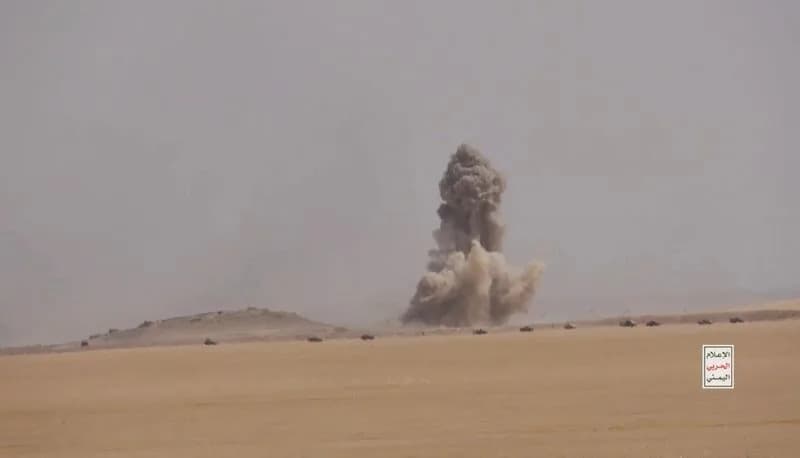
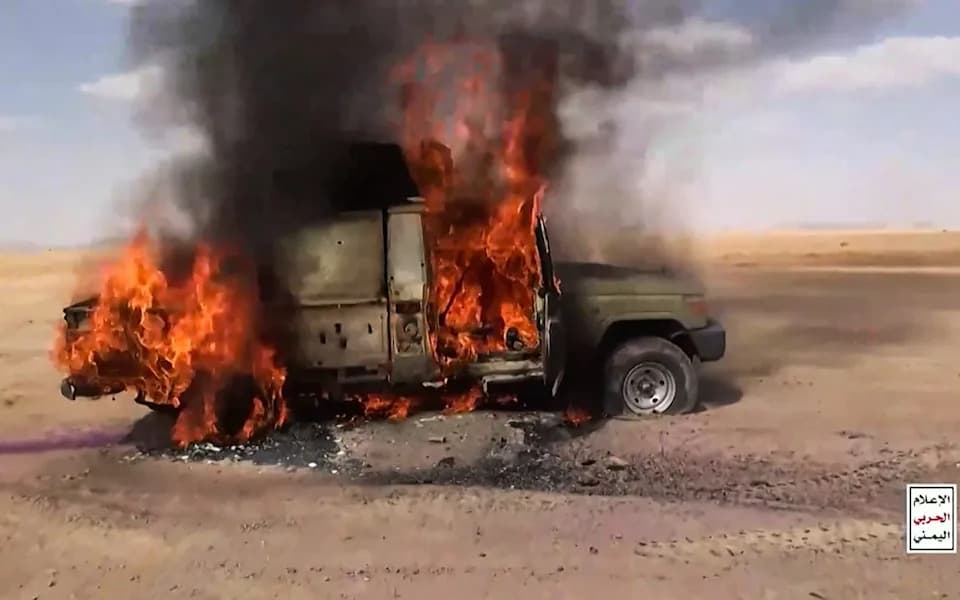
Cellphone videos circulating online show missile fuselage fragments bearing the designation DF-15A. Analysts note that the DF-15A warhead is designed to separate in flight, so it is unclear whether the recovered pieces are stage debris or the warhead itself, and where any lethal impact occurred. Yemeni government and Houthi statements, together with the footage, form the basis for reporting, but independent verification remains limited.
Saudi Arabia's Known Missile Inventory
Saudi Arabia is known to have purchased Chinese ballistic missiles in past decades. In the 1980s Riyadh acquired liquid-fueled DF-3A intermediate-range ballistic missiles, which have an approximate range of 1,860 miles. Reports also indicate a 2007 purchase of more accurate, shorter-range DF-21 systems (roughly 1,000 miles). The suspected DF-15A is an SRBM with an estimated range of about 370 miles.
Why Use a Ground-Launched SRBM When the Air Force Is Modern?
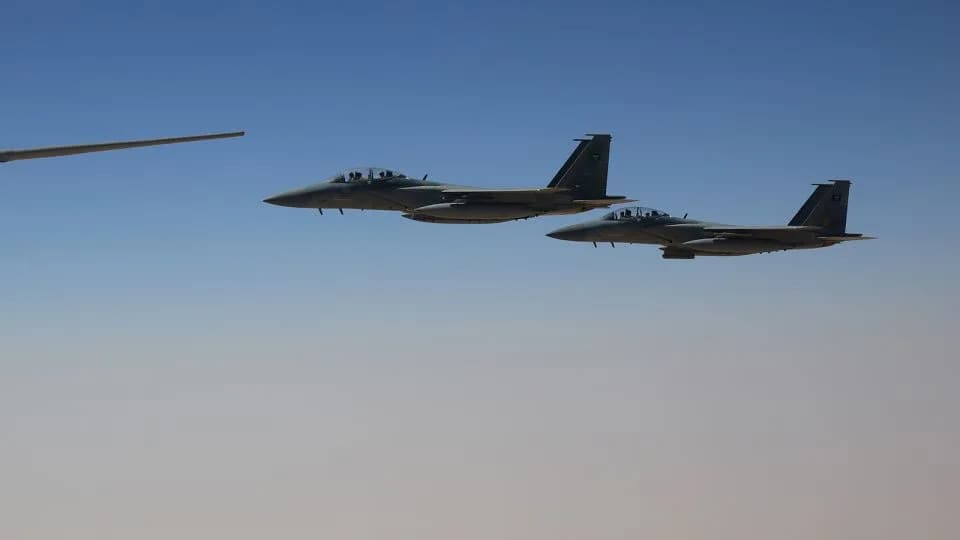
The kingdom fields a modern Western-equipped air force, including F-15SA and Eurofighter Typhoon fighters able to carry long-range standoff munitions such as Storm Shadow and the AGM-84H SLAM-ER (roughly 150–170 miles). Those options let jets strike distant targets while minimizing exposure to air defenses. A ground-launched ballistic missile therefore reads less like a precision tactical choice and more like a high-visibility strategic signal.
Possible Motives
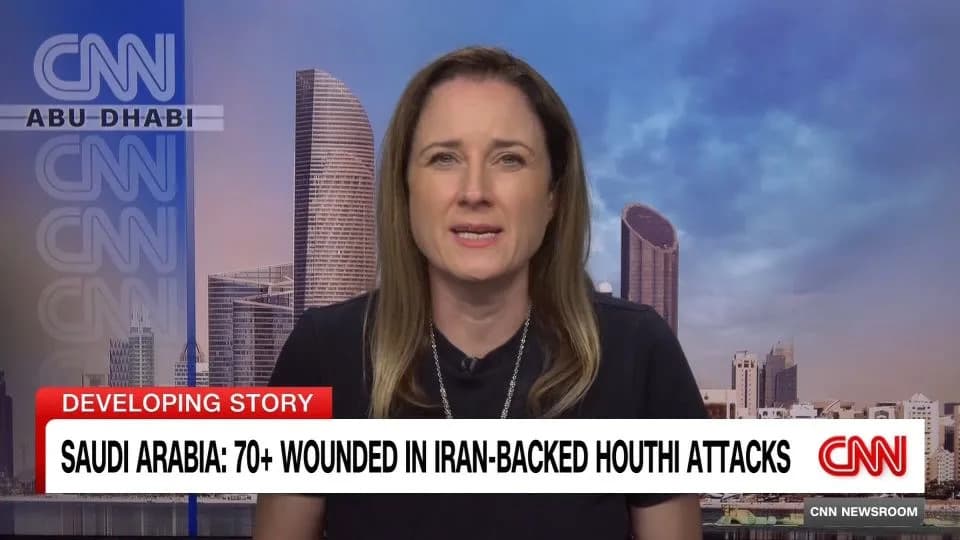
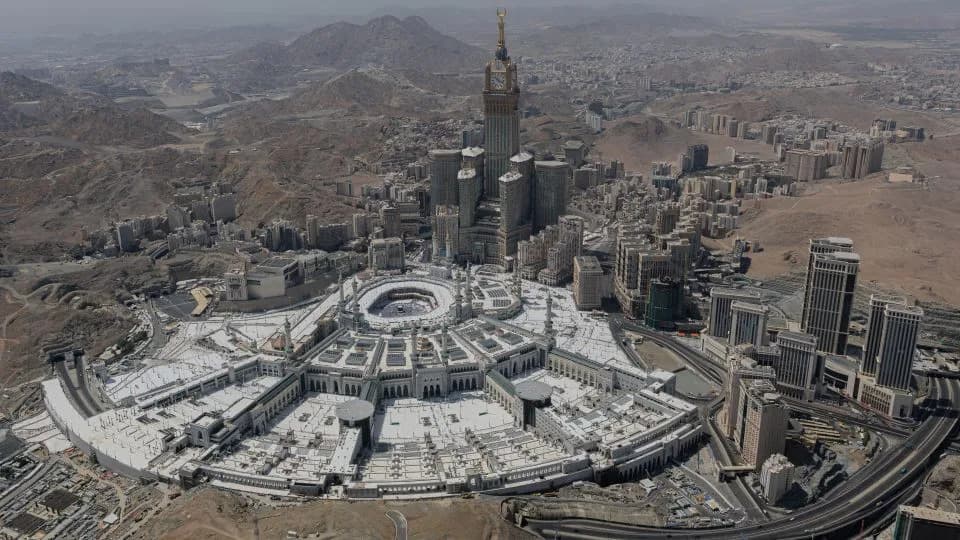
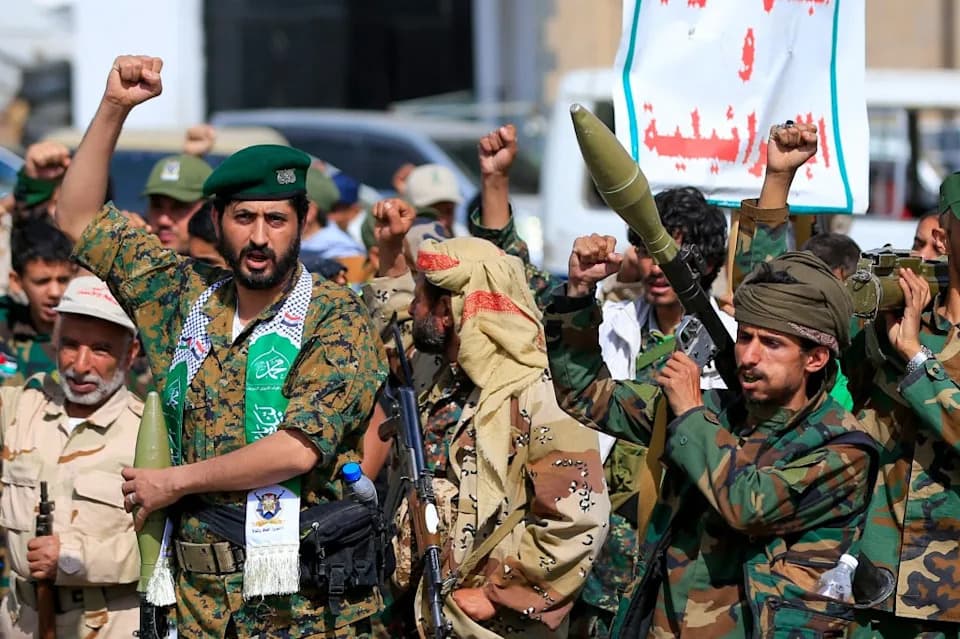
Several recent developments could explain a decision to use ballistic missiles: a spike in Houthi missile and drone attacks into Saudi territory, the Houthis' coastal advances in Yemen reportedly overseen by Iran’s Islamic Revolutionary Guard Corps, strikes on Saudi energy infrastructure (including a September 11 pipeline attack attributed to drones launched from Iraq), and attacks or claims involving Mecca and Marib. A ballistic strike would communicate a direct warning to Tehran that Riyadh may be willing to respond more forcefully to cross-border or proxy attacks.
Escalation Risks
Using ballistic missiles against proxy-controlled territory carries high escalation risks. DF-15As could reach Iranian coastal regions, while Saudi DF-3As and DF-21s could strike deeper into Iran. A strike that causes civilian casualties would almost certainly provoke political backlash and could prompt retaliatory responses—by militias or state-backed actors—against Saudi infrastructure and cities, raising the danger of wider conflict.
Verification Note: Current reporting relies on footage and local statements. Independent confirmation of launch origin, intended target, and impact point is still required.
In short, the incident—if confirmed—appears designed as a strategic signal aimed at Iran more than a purely tactical strike against the Houthis. The event underlines how proxy conflicts and missile/drones proliferation are increasing the risks of broader regional escalation.
Sources: The Wall Street Journal, Reuters reporting, open-source footage and missile-technology analyses.
Help us improve.