The U.S. Department of Transportation has issued a 90-day waiver allowing eligible fuel truck drivers to work up to 16 hours in a 24-hour period to address short-term supply and cost pressures. The Federal Motor Carrier Safety Administration said the measure is intended to help maintain fuel deliveries amid tightened global diesel supplies and rising prices. Carriers with conditional safety ratings are excluded, and drivers still must take required rest breaks, including 10 consecutive hours off if immediate rest is needed.
U.S. Temporarily Eases Hours-Of-Service Rules for Fuel Truck Drivers to Ease Supply Strains
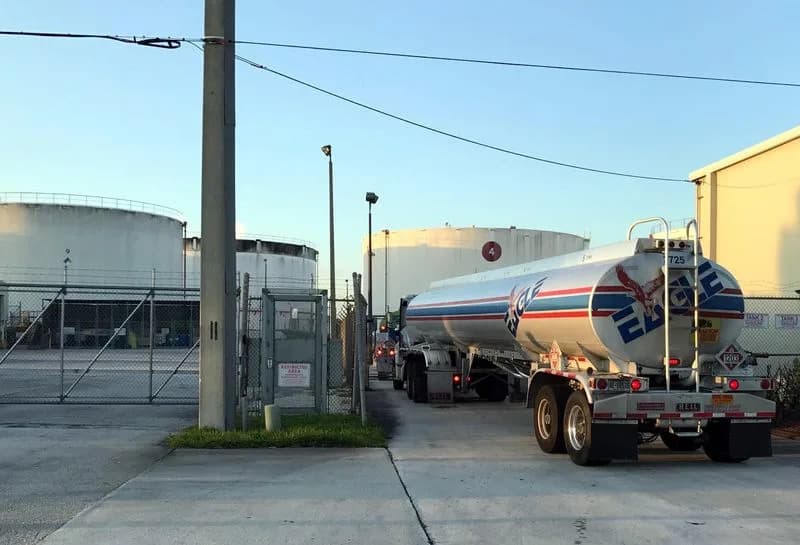
A 10,000-gallon tanker truck goes into the fuel distribution area at Port Everglades in Fort Lauderdale, Florida, U.S. September 13, 2017. REUTERS/Bernie Woodall/File Photo
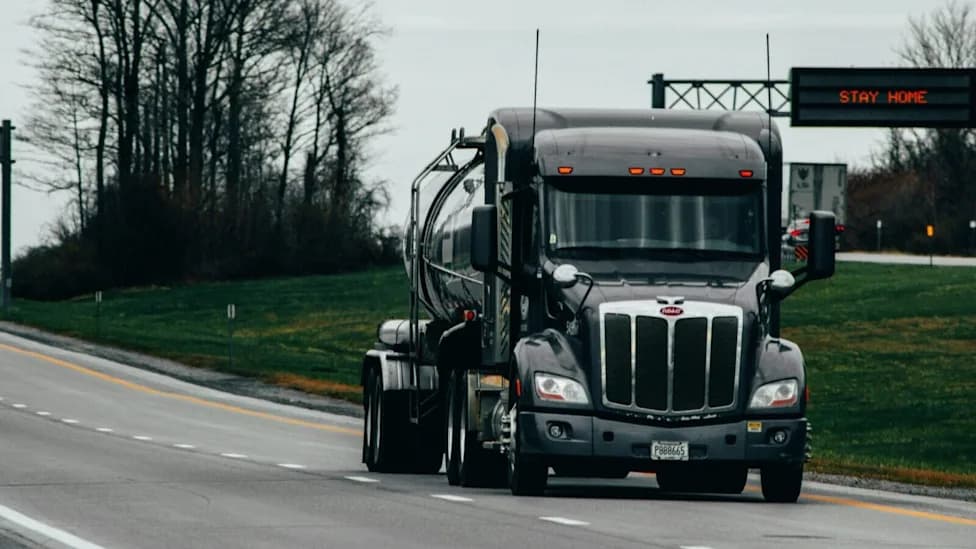
The U.S. Department of Transportation on Wednesday announced a temporary relaxation of hours-of-service rules for truck drivers hauling gasoline and diesel, citing short-term supply disruptions and rising fuel costs.
What the waiver allows: A 90-day waiver permits eligible drivers to operate up to 16 hours within any 24-hour period—an increase from the standard 14-hour limit—provided they still take required rest breaks. The Federal Motor Carrier Safety Administration (FMCSA) stressed that drivers who require immediate rest are still permitted 10 consecutive hours off duty before resuming work.
The department said the decision was taken "in anticipation of the need for greater hours-of-service flexibility" as the market responds to tightened global diesel supplies, export restrictions and seasonal demand. Motor carriers with conditional safety ratings are excluded from the waiver.
Why the move was made
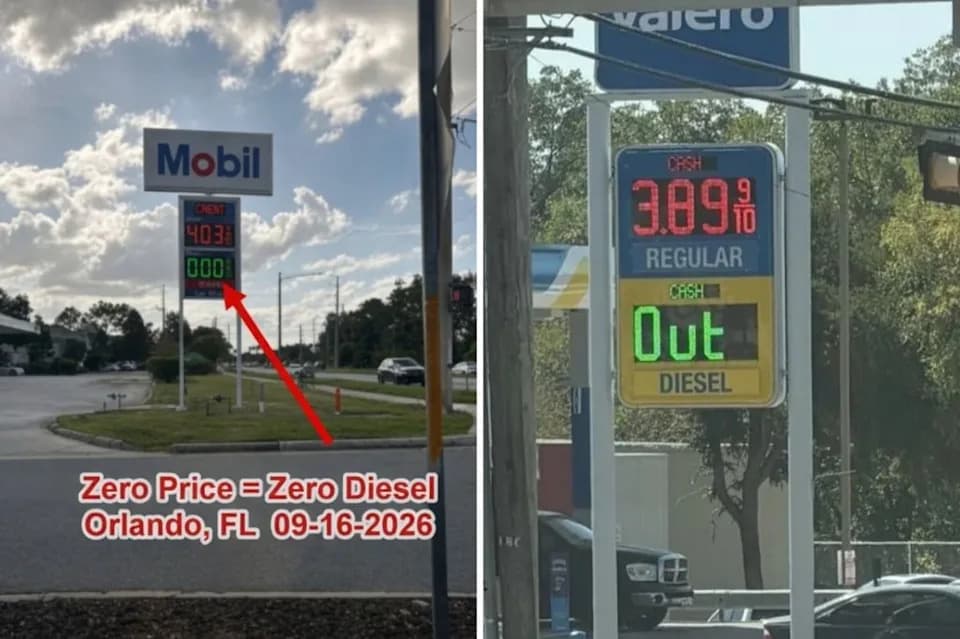
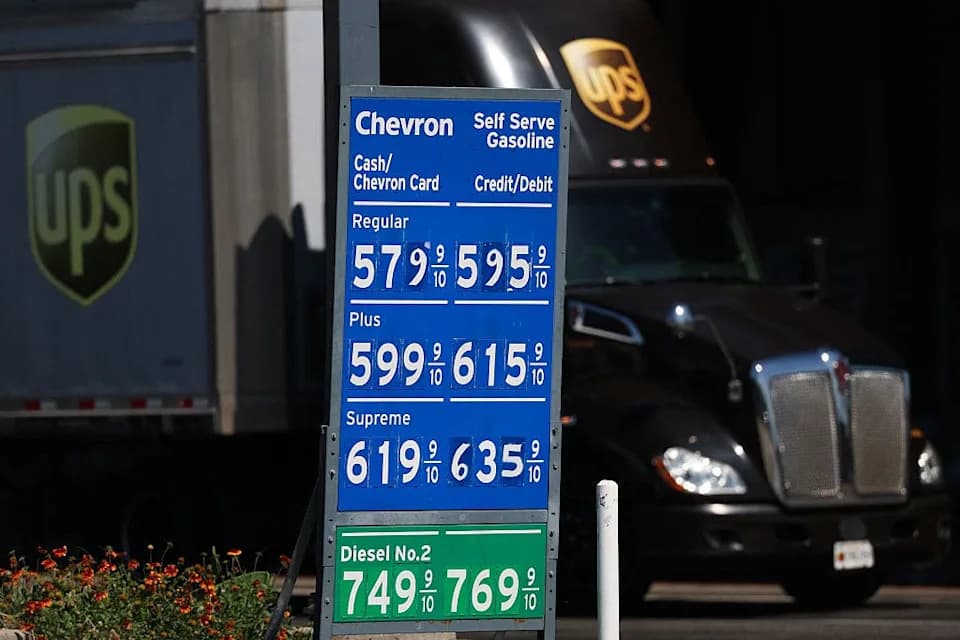
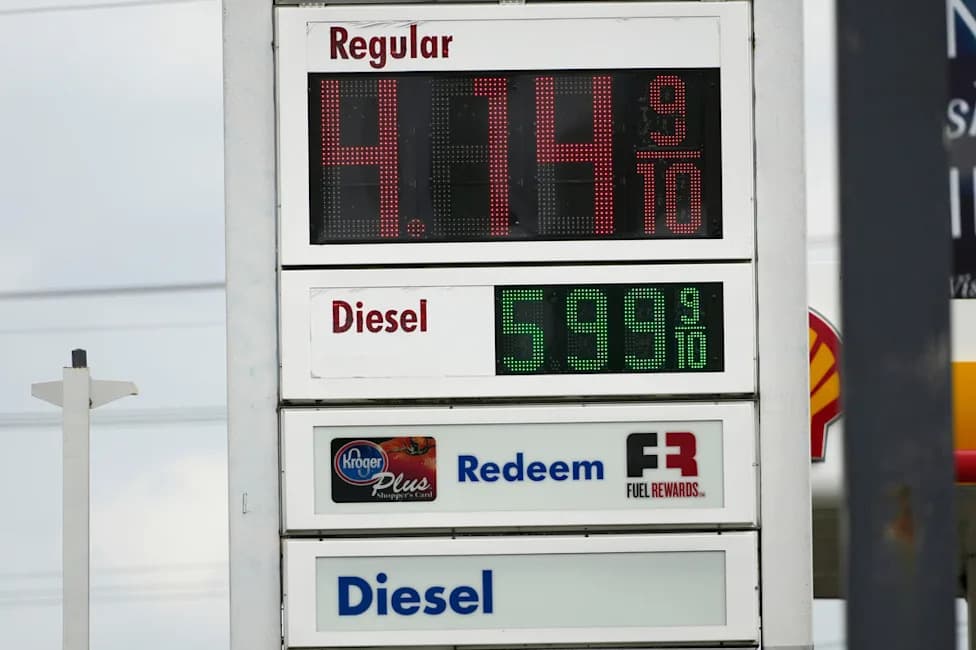
Officials pointed to short-term supply chain interruptions that could delay deliveries of gasoline and diesel and disrupt freight movements. The Energy Information Administration reported a U.S. average diesel price of $6.29 per gallon—up from $3.74 a year earlier—reflecting a combination of supply constraints and heightened demand.
Scope and precedent
The FMCSA has issued similar temporary waivers in the past to address emergencies and natural disasters, including responses to wildfires, hurricanes and severe winter storms. In March 2020, a national emergency order suspended service requirements for commercial vehicle drivers delivering coronavirus relief supplies, food for restocking and essential protective equipment.
The department said the current waiver aims to reduce potential disruptions to fuel availability and mitigate impacts on costs for transport providers, agricultural harvests and the public as demand rises into late summer and fall.
Note: The waiver is time-limited and subject to safety exclusions; carriers and drivers must continue to comply with other safety requirements.
Help us improve.