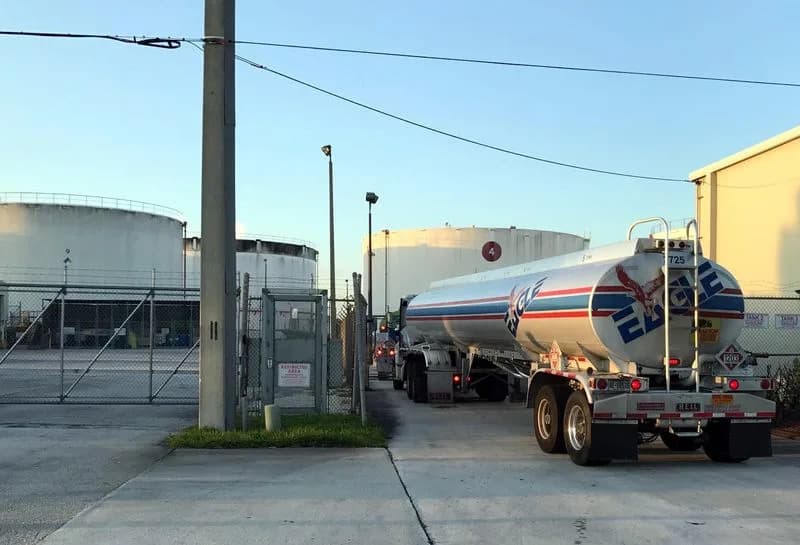
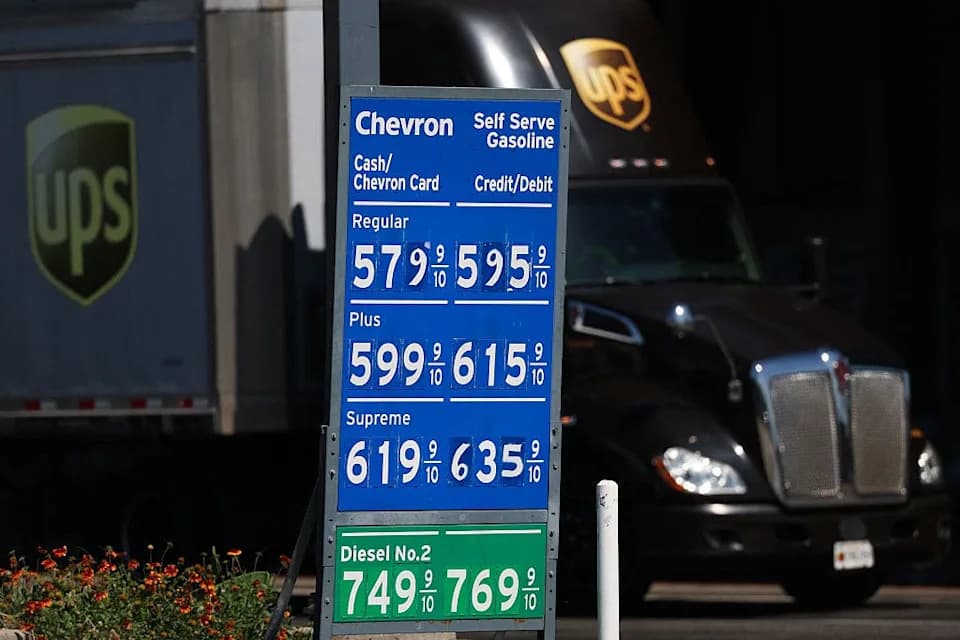
The FMCSA has issued a 90-day waiver effective Sept. 16 allowing qualifying gasoline and diesel truck drivers to expand their on-duty window from 14 to up to 16 hours in a 24-hour period. The exemption is limited to fuel haulers in good safety standing and preserves required rest provisions, while carriers must report incidents to FMCSA. The move aims to ease short-term delivery bottlenecks as diesel prices hit a record $6.29 per gallon, but safety experts warn extended hours increase fatigue-related crash risk. Whether this administrative change eases pump prices depends on broader global supply dynamics.
U.S. Temporarily Lets Qualified Fuel Truckers Work Up to 16 Hours to Ease Supply Strains
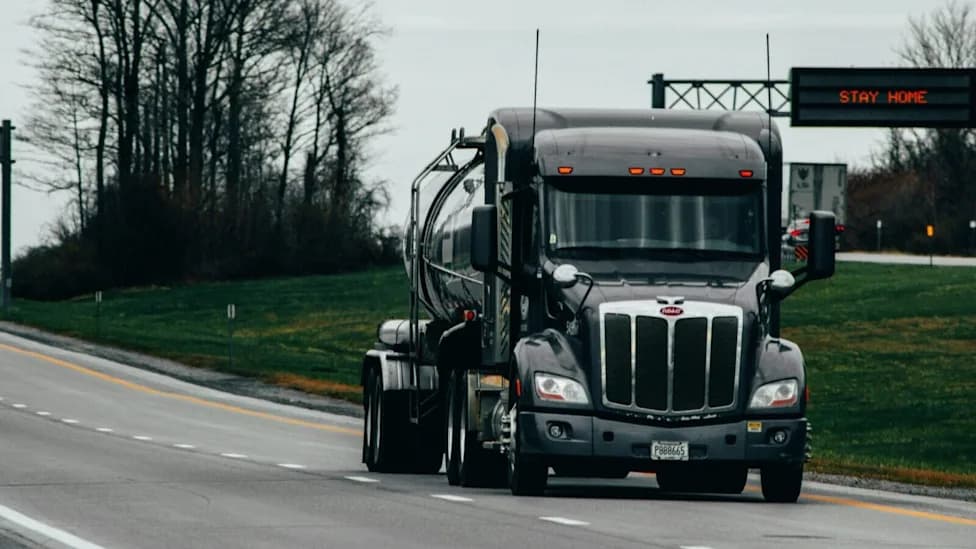
The Federal Motor Carrier Safety Administration (FMCSA) has issued a 90-day waiver that temporarily expands allowable on-duty time for drivers hauling gasoline and diesel. The waiver, which took effect on Sept. 16, increases the maximum on-duty window from 14 hours to as much as 16 hours within a 24-hour period for qualifying fuel haulers.
What The Waiver Does
The exemption applies only to drivers transporting gasoline or diesel and is intended to help prevent short-term supply disruptions that could delay deliveries. Carriers and drivers must be in good safety standing; those with conditional safety ratings or active out-of-service orders are excluded. The waiver preserves required rest provisions and requires drivers who feel fatigued to stop at a safe location to rest.

Image Credit: ALE SAT / Unsplash.
Conditions And Reporting
FMCSA requires carriers to report incidents related to operations under the waiver to the agency within two business days. The agency says the waiver is designed to provide scheduling flexibility to fuel carriers while maintaining safety safeguards.
Why It Matters
Diesel prices have surged in recent months: the U.S. national average rose to a record $6.29 per gallon this week, up from about $3.74 a year earlier, according to federal data cited by Reuters. Because diesel powers much of the nation’s freight and agricultural transport, higher diesel costs and delivery delays can ripple through the broader economy. FMCSA says the waiver aims to ease short-term delivery bottlenecks as the market contends with tight global supplies.

Image credit: holgers.pictures / Shutterstock.
Safety Concerns
Extending allowable on-duty windows raises concerns about driver fatigue. The Insurance Institute for Highway Safety (IIHS) describes fatigue as a known crash risk for large trucks; research cited by IIHS found drivers who had been behind the wheel for more than eight hours had nearly twice the crash-involvement risk of those who drove fewer hours. FMCSA and DOT emphasize that the waiver does not eliminate rest requirements and that carriers and drivers must follow fatigue-management rules.
For the next 90 days, officials are balancing the need to keep fuel moving with safety protections. Whether drivers’ extra scheduling flexibility produces noticeable relief at the pump will depend on broader global supply forces, including refining capacity and geopolitical disruptions.
Help us improve.