A meta‑analysis of 41 observational studies linking data from millions of people finds that exposure to PM2.5 is consistently associated with higher risks of glaucoma and, to a lesser extent, cataracts. People in the most polluted areas had up to 70% greater odds of glaucoma; each meaningful rise in PM2.5 corresponded to ~8% higher glaucoma risk and ~4% higher cataract risk. Evidence for AMD was inconsistent, other pollutants showed mixed results, and the authors urge more research and inclusion of eye health in air‑quality policy decisions.
Air Pollution Tied to Higher Risk of Glaucoma and Cataracts, Meta‑Analysis Finds

A stock image shows a woman covering her nose with her hand because of bad traffic pollution.
A large systematic review and meta-analysis presented at the 44th Congress of the European Society of Cataract and Refractive Surgeons links air pollution—especially fine particulate matter (PM2.5)—with increased risks of major eye diseases, notably glaucoma and cataracts.
The authors pooled data from 41 observational studies spanning millions of people across regions including East Asia and the United Kingdom, drawing on several of the world’s largest eye‑health databases. Because the analysis is based on observational research, it identifies associations rather than proving direct causation.
Key Findings
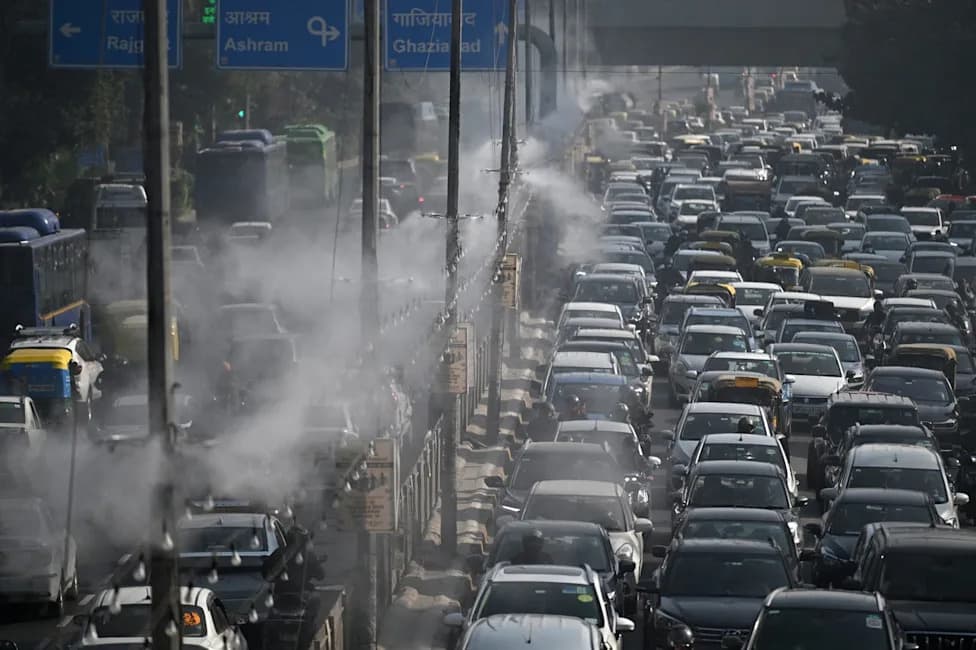
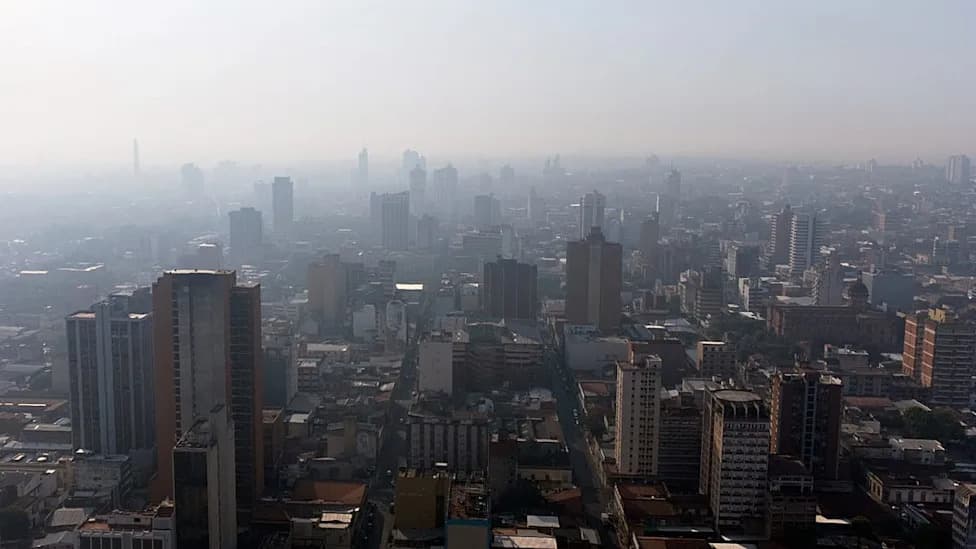
The clearest and most consistent signal emerged for PM2.5 (particles smaller than 2.5 micrometres), commonly produced by vehicle exhaust, smoke and industrial emissions. People living in the most polluted areas had as much as a 70% higher odds of glaucoma compared with those in the least polluted areas. The pooled analysis also estimated that each meaningful increment in PM2.5 exposure was associated with roughly an 8% higher risk of glaucoma and about a 4% higher risk of cataracts.
Evidence linking air pollution to age‑related macular degeneration (AMD) was mixed: some studies reported associations, but the overall findings were inconsistent. Other pollutants—such as nitrogen dioxide (NO2), ozone (O3), sulphur dioxide (SO2), PM10 and carbon monoxide (CO)—showed weaker or more variable associations across studies. In some models, ozone even produced puzzling, seemingly protective signals against cataract, a result the authors note requires further investigation.
Biological Plausibility and Mechanisms
The researchers propose several plausible mechanisms: fine particles may trigger systemic inflammation and oxidative stress that can damage the optic nerve (relevant to glaucoma) or alter the lens chemistry (contributing to cataract formation). They also point out that surface structures of the eye—the tear film, conjunctiva and cornea—are directly exposed to outdoor air, which makes a pollution‑related effect biologically credible.
Limitations and Next Steps
The study’s observational design means it cannot confirm causality. The authors call for more high‑quality research, including genetic and mechanistic studies, to clarify causal links. They also highlight geographic gaps: additional research is needed in highly polluted but under‑studied regions such as South Asia, the Middle East and Africa, and future work should examine cataract subtypes and other disease mechanisms rather than grouping all cataracts together.
Dr. Ahmed Alnabihi of King Khaled Eye Specialist Hospital and Research Center, Riyadh, said: 'The strength and consistency of the PM2.5 findings stood out, particularly for glaucoma, where the association was statistically significant with low variability across studies.'
Public Health Implications
Given the global burden of vision loss from glaucoma and cataracts, the authors argue that eye health should be considered when evaluating air‑quality standards and urban planning policies. They recommend pollution‑reduction measures—stricter air‑quality limits, expanded green spaces and reduced traffic—as potential ways to protect not only heart and lung health but also vision.
Bottom line: The meta‑analysis strengthens evidence that air pollution, particularly PM2.5, is associated with higher risks of glaucoma and cataracts, but further research is needed to confirm causality and to guide policy interventions.
Help us improve.