Researchers analysed cough sounds from about 100,000 Sleep Cycle app users in 32 cities over 500 days and found that a 10 μg/m³ rise in PM2.5 was linked to a 2.4% increase in coughing over five days. In Los Angeles during the 2025 wildfire season the same increase corresponded to a ~10% surge in nocturnal coughs, showing extreme events amplify effects. The association held after controlling for weather and influenza. Authors warn night coughing fragments sleep and may contribute to wider cardiometabolic and cognitive risks; they recommend masks, air filters and avoiding outdoor exercise during spikes.
Small Spikes In Fine Particles Disrupt Sleep: Study Links 10 μg/m³ Rise To More Nighttime Coughing
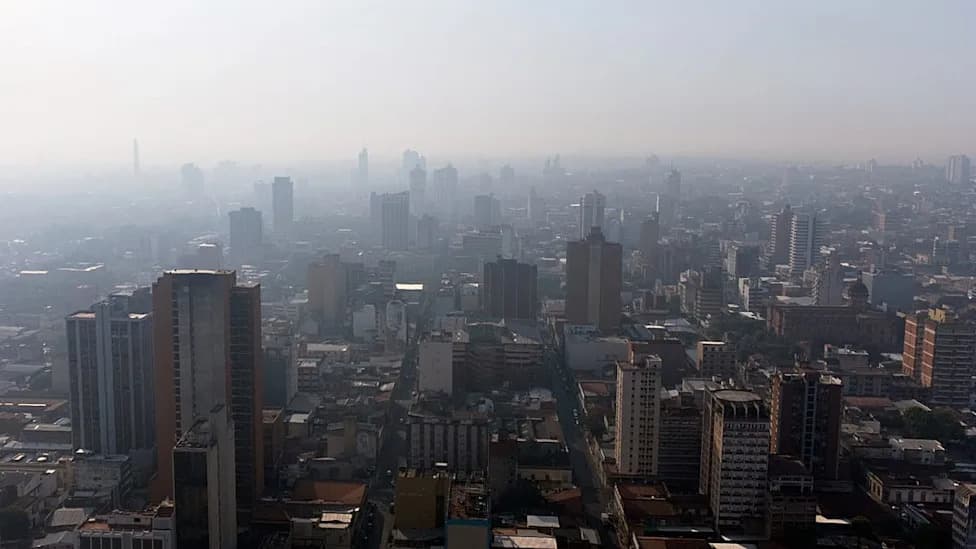
Increase in air pollution takes a toll on your sleep
A new multinational study finds that even modest, short-term increases in fine particulate air pollution (PM2.5) are linked to more coughing at night — and therefore poorer sleep — even in cities that generally meet World Health Organization guidelines.
Study Overview
Researchers from the University of Cambridge, Tsinghua University and the sleep‑technology company Sleep Cycle analysed cough sounds recorded by roughly 100,000 Sleep Cycle app users across 32 cities in 12 countries over a 500‑day period. They report that a 10 μg/m³ increase in fine particulate matter was associated with a 2.4% rise in coughing over the following five days.
Extreme Events Amplify Effects
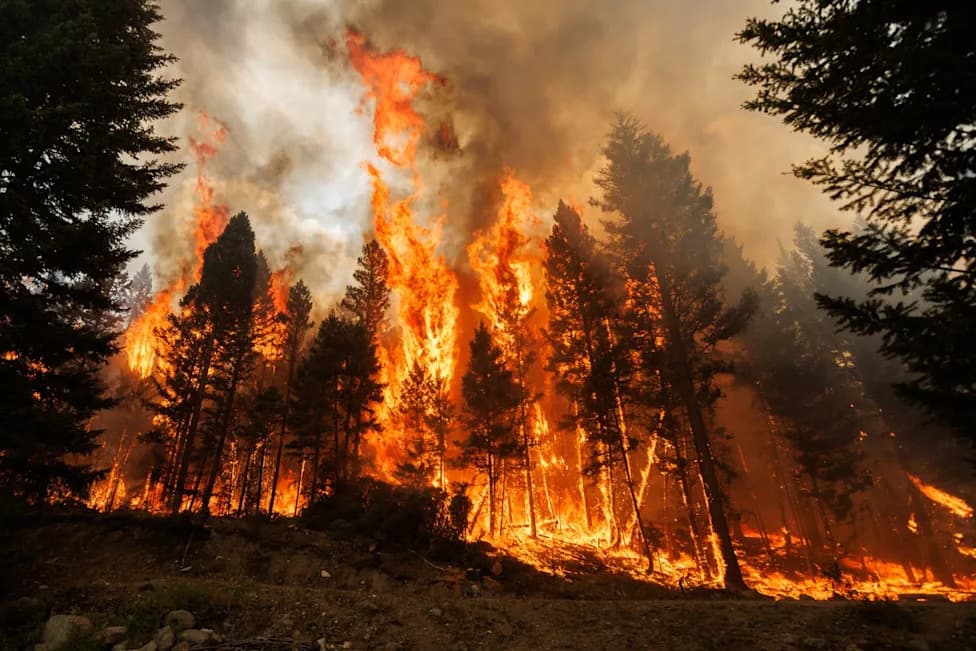
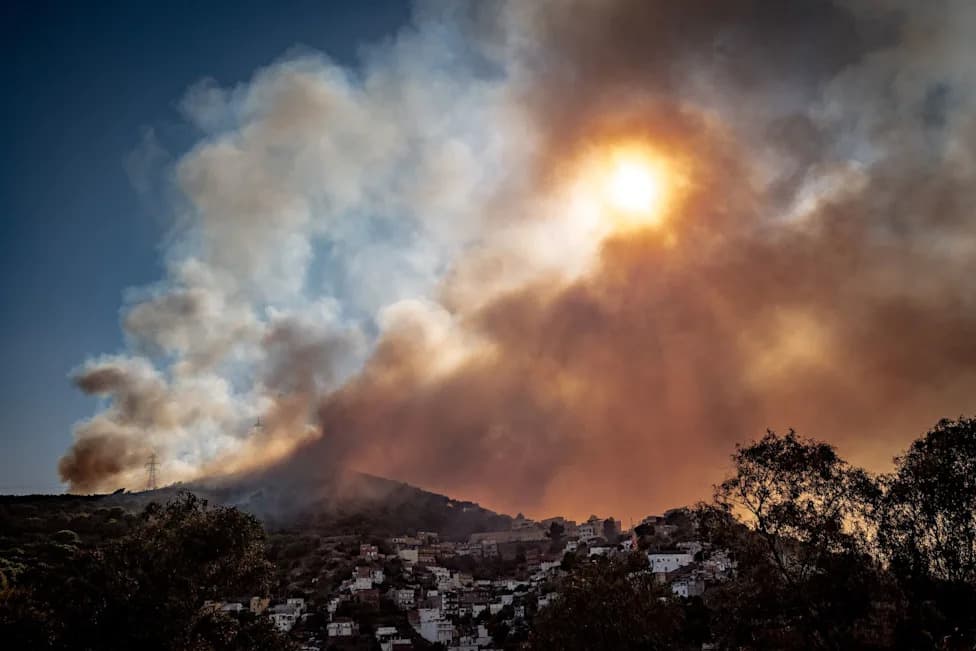
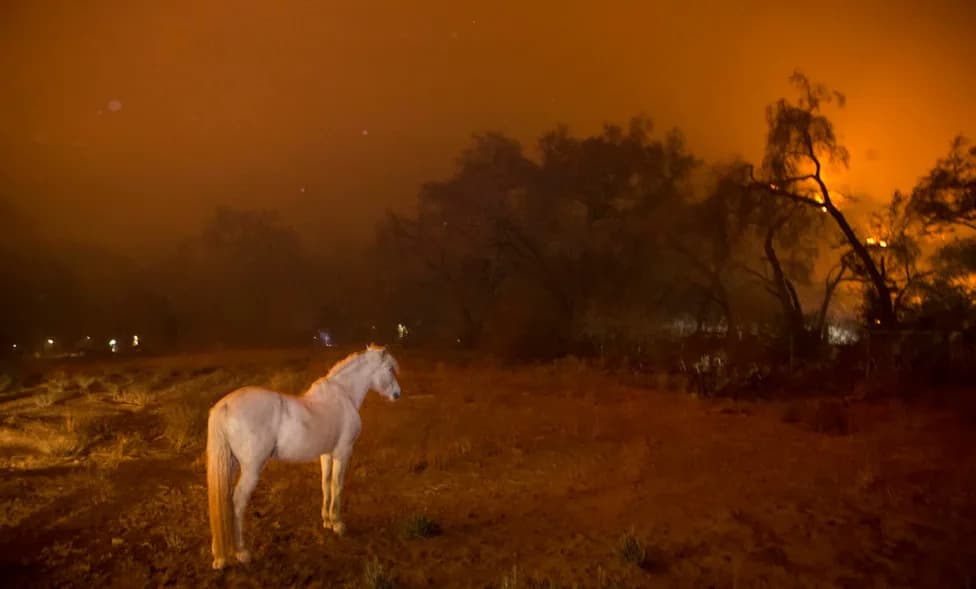
The team examined Los Angeles during its severe 2025 wildfire season and found that the same 10 μg/m³ increase coincided with a roughly 10% surge in nocturnal coughing, suggesting that extreme pollution episodes can trigger disproportionately large spikes in acute respiratory symptoms.
“This suggests that there may be no such thing as a safe threshold for exposure to air pollution, although our research is purely observational,” said Cecilia Mascolo, who led the research at Cambridge.
Health Implications
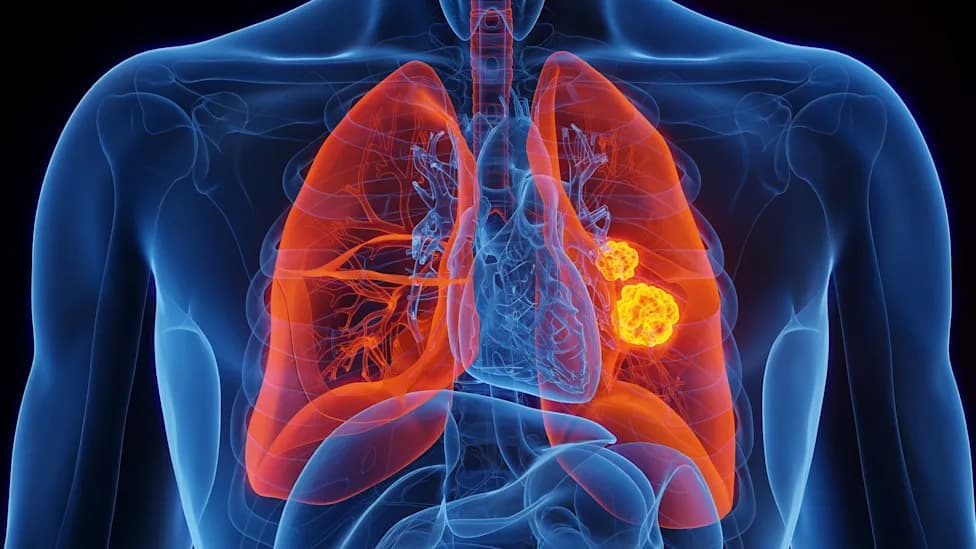
Beyond immediate throat irritation, nocturnal coughing fragments sleep. Poor, fragmented sleep can contribute to broader health consequences, including cardiometabolic dysfunction, reduced cognitive performance and long‑term neurodegenerative risk.
Geographic Context And Controls
Across 13 European cities in the dataset, daily PM2.5 averaged about 10.58 μg/m³ (range: 5.47 μg/m³ in Uppsala to 14.70 μg/m³ in Bergamo). By contrast, some cities in the wider sample had much higher baselines (Beijing 40.97 μg/m³, Shanghai 33.48 μg/m³). The analyses controlled for likely confounders such as weather and influenza activity, and the association with pollution persisted.
“Everyone coughs from time to time, but coughing ... is a sign of irritation or inflammation in the lungs,” said lead author Tong Xia of Tsinghua University. “A cough could indicate something that isn't yet chronic but might become so in future.”
Limitations
The study is observational and cannot prove causation. It relies on app‑detected cough sounds, so the sample may not be fully representative of the general population. Residual confounding is possible despite statistical controls.
Practical Advice
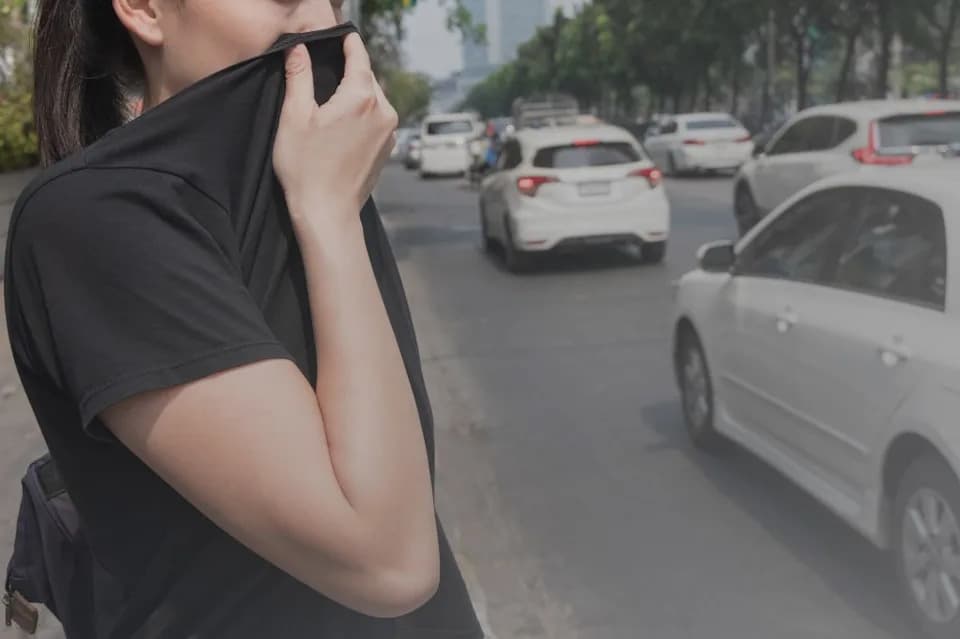
Individuals concerned about short‑term PM2.5 spikes can reduce exposure by using high‑efficiency air purifiers indoors, wearing well‑fitted masks (e.g., N95/FFP2) during episodes, limiting outdoor exercise when AQI is poor, and keeping windows closed during heavy smoke or pollution events. Seek medical advice if coughing is persistent or severe.
Bottom line: Even in relatively clean cities, brief rises in fine particulate pollution can increase night‑time coughing and fragment sleep. Awareness and simple mitigation steps can help reduce individual exposure and protect sleep health.
Help us improve.