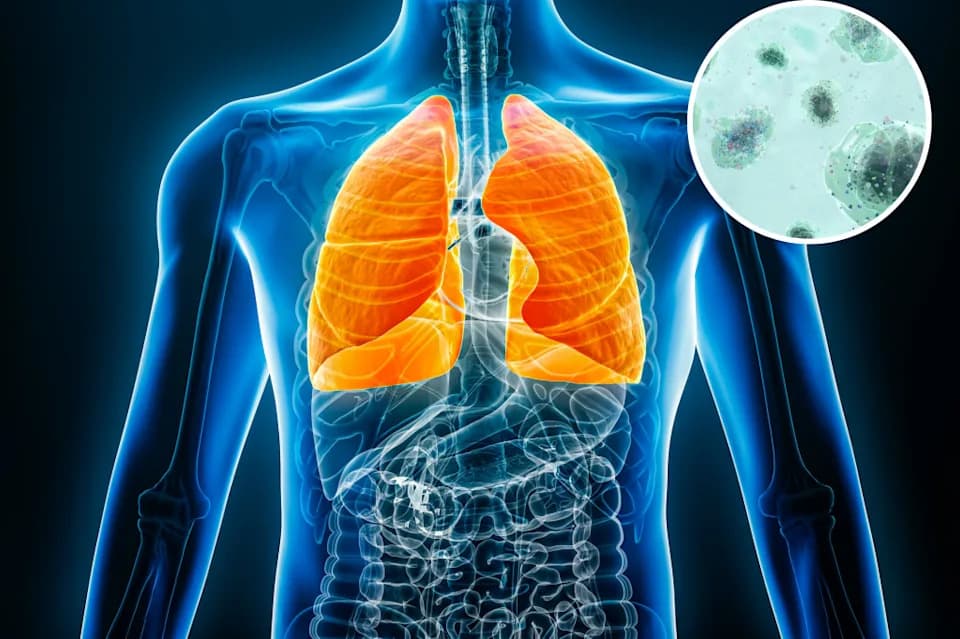
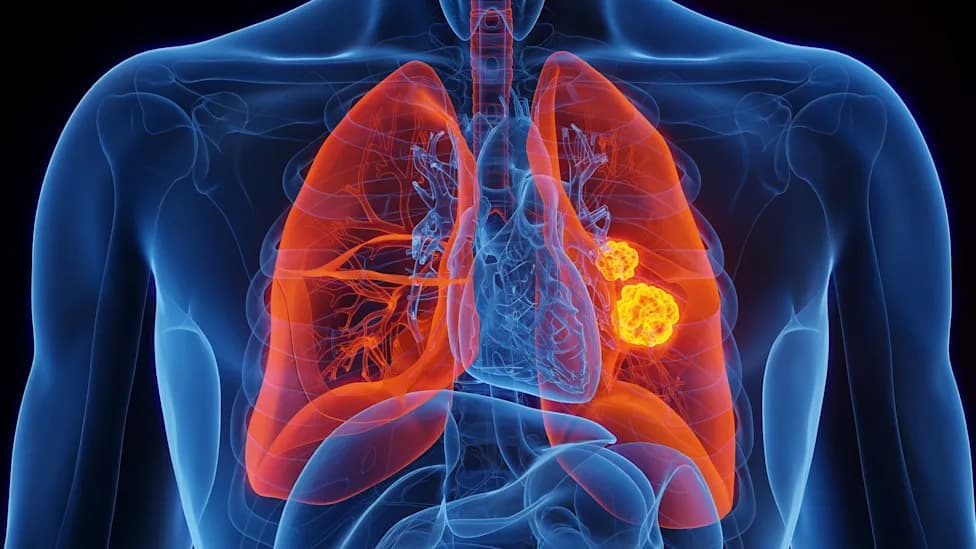
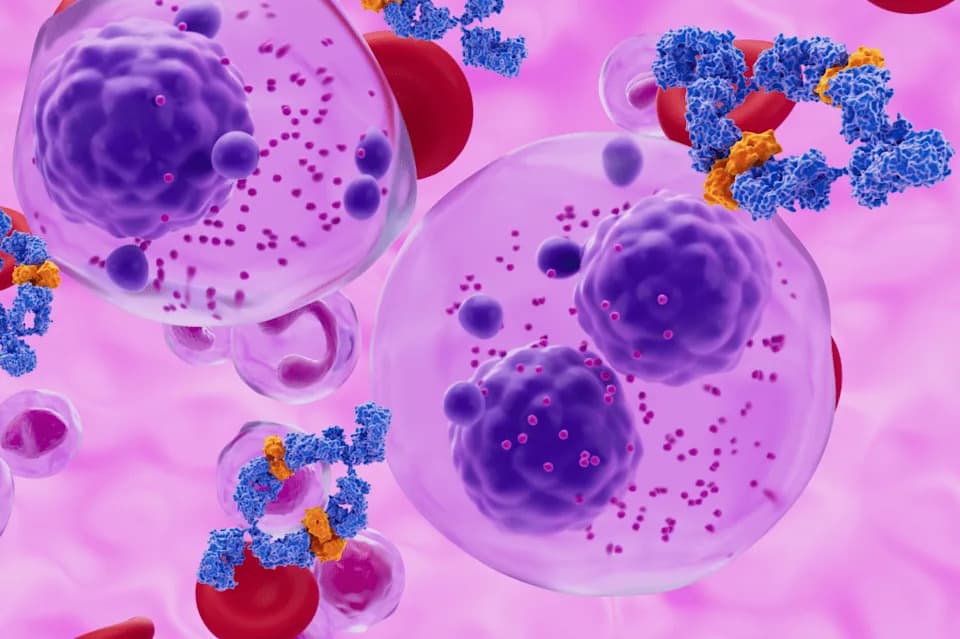
A recent presentation by the European Respiratory Society reports that lung fluid from people with lung cancer contained roughly 20% more microplastic particles than comparable samples from individuals without the disease.
Study Details
Researchers analyzed bronchoalveolar lavage (lung fluid) samples from 50 patients with lung cancer in Greece and compared them with samples from people without lung cancer. The team detected a higher concentration of microplastic particles in the cancer group, adding to growing evidence that microplastics can enter the human body through inhalation.
Microplastics could contribute to inflammation or other biological processes linked to cancer, scientists fear (AFP/Getty)
What Microplastics Are
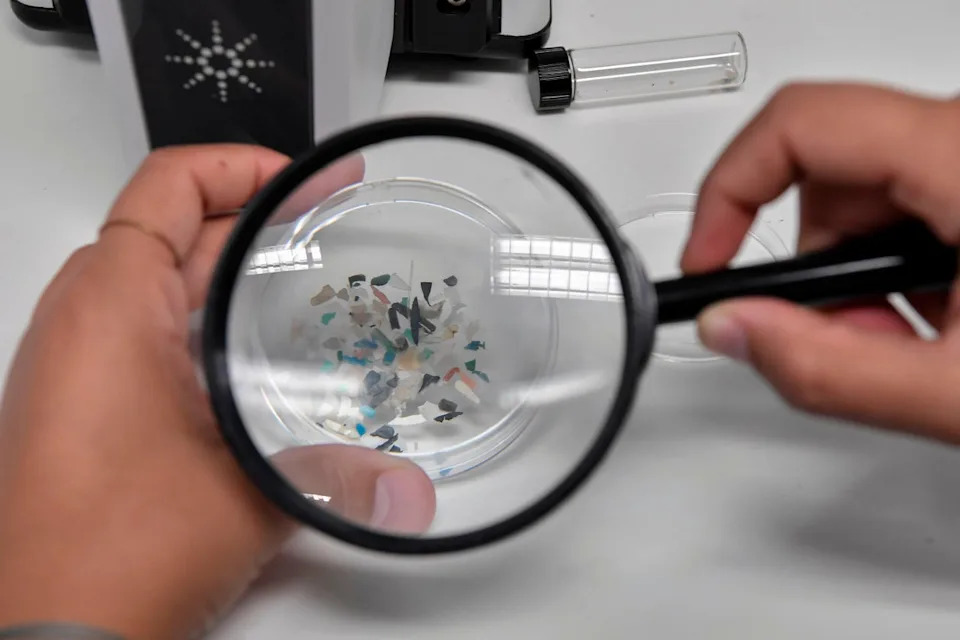
Microplastics are tiny fragments produced as larger plastic items degrade. Scientists have found them in air, oceans, drinking water, animals and even human tissues such as the placenta and, in some studies, within tumors.
What Experts Say
"Our results suggest that inhaled microplastics can be found in the human lung more frequently than many people may realize," said Dr. Ilias Dimeas of University College Dublin School of Medicine.
"This adds to the growing evidence that reducing environmental plastic pollution may have benefits that extend beyond ecosystems and into human health," he added.
Other researchers have reported microplastic particles in lung, colon and prostate tumors. Keshav Raj Paudel, a senior researcher at the University of Technology Sydney, has noted that some lung tumors contained more microplastics than adjacent healthy tissue.
There are microplastics pretty much everywhere. The plastic particles have been found in cancer tumors before (AFP/Getty)
Uncertainties and Caution
Major cancer organizations stress that current evidence is insufficient to prove that microplastics cause cancer. It is unclear whether microplastics contribute to processes such as inflammation that could promote cancer, or whether diseased lung tissue simply retains particles differently.
"Ultimately, we need more research and more data to learn how microplastics affect human health, including their role in cancer," said Dr. Thejus Jayakrishnan of the Dana-Farber Cancer Institute.
Broader Context
Plastic pollution is a global concern: the United Nations projects that plastic pollution could nearly triple by 2060 if current trends continue. While these environmental impacts are well known, potential human-health effects are still being studied.
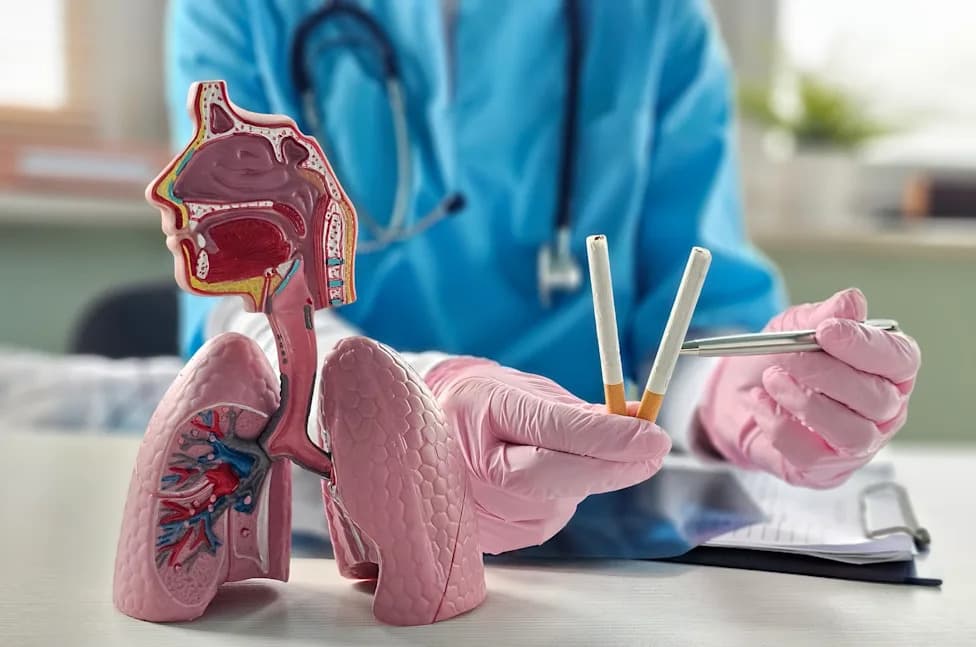
Despite this emerging area of research, smoking remains the leading cause of lung cancer worldwide. The American Cancer Society estimates nearly 125,000 lung cancer deaths in the United States this year, even as U.S. smoking rates have reached historic lows.
Next Steps
Scientists call for larger, controlled studies to clarify whether microplastics play a causal role in cancer development or progression, and to determine mechanisms of harm if any exist. Reducing environmental plastic pollution may offer ecosystem and human-health benefits, but more evidence is needed to inform policy and clinical guidance.