A pooled analysis of 29 international studies found links between air pollution — especially PM2.5 — and higher odds of suicide, attempts and suicidal thoughts. Short-term PM10 exposure and long-term NO2 exposure were also associated with increased risk, and broader literature points to possible roles for sulphur dioxide, ozone and noise. Authors note plausible biological mechanisms, but external experts caution the observational evidence cannot prove causation because social and economic factors in polluted areas may confound results. The study recommends integrating environmental health into suicide-prevention policies.
Large Meta-Analysis Links Air Pollution To Increased Suicide Risk
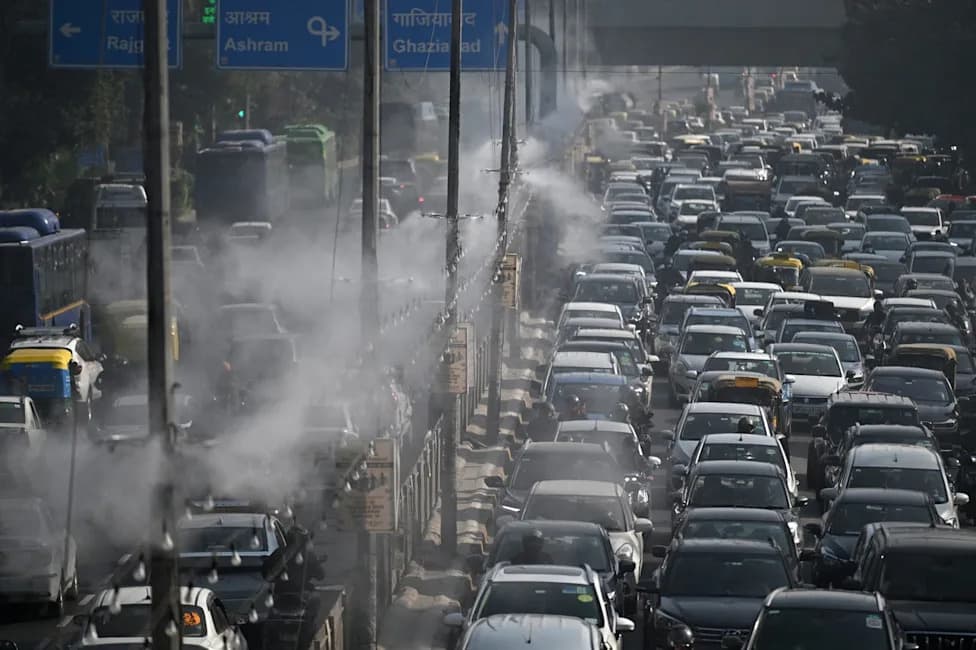
Air pollution linked to heightened suicide risk in major meta-study
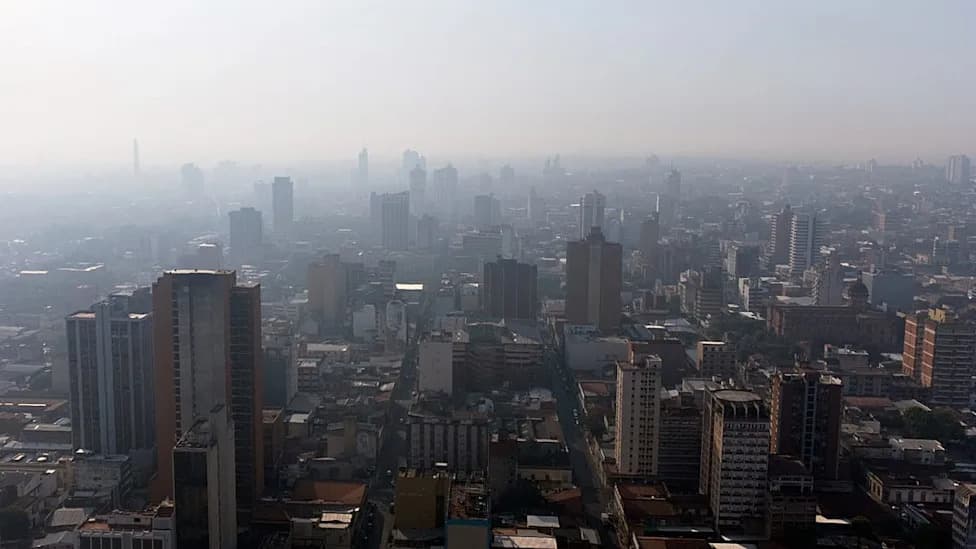
A pooled analysis led by researchers at Queen's University Belfast suggests that exposure to air pollution from traffic and fossil-fuel combustion may be associated with elevated suicide-related outcomes. The team combined data from 29 studies conducted worldwide and published their findings in the Journal of Epidemiology & Community Health.
Key Findings: Both short-term and long-term exposure to fine particulate matter (PM2.5) were associated with higher odds of death by suicide, suicide attempts and suicidal thoughts. Short-term exposure to coarser particulate matter (PM10) and long-term exposure to nitrogen dioxide (NO2) were also linked to increased risk. A broader review of the literature identified possible associations with sulphur dioxide, ozone and environmental noise.
The authors highlight biologically plausible mechanisms: air pollution has been tied to chronic inflammation and neurological damage that could impair brain function and mood, while traffic and industrial noise can increase stress and disrupt sleep — factors that may contribute to suicidal behaviour.

A woman carries a sack of garbage beside burning plastic wastage (Getty)
"These findings bring to attention the critical importance of recognising environmental exposures as modifiable risk factors within suicide prevention efforts," the study authors wrote, urging integration of environmental health into mental-health policy.
Caveats and expert views: Independent experts stressed that most underlying studies are observational and that the new analysis cannot prove causation. Commentators pointed out that polluted areas often overlap with social and economic disadvantage, social isolation and poorer access to mental-health services — all independent risk factors for suicide that may partly explain the associations.
Public health context: The paper notes more than 720,000 suicide deaths globally each year (likely an underestimate) and highlights the World Health Organization's target to reduce suicide rates by one-third between 2013 and 2030.
Policy implications: The authors recommend cross-sector collaboration to reduce pollution, integrate environmental-health measures into suicide-prevention strategies and pursue targeted public-health interventions to improve population mental wellbeing.
If you are in crisis: Confidential support is available. In the UK and Republic of Ireland call Samaritans on 116 123 or visit the Samaritans website. In the USA call or text 988 or visit 988lifeline.org for 24/7 help. For other countries, see www.befrienders.org for local helplines.
Help us improve.