Dr. Nikolai Ustinov died after contracting Marburg virus while working in VECTOR’s BSL-4 lab in Koltsovo. Accounts differ on whether he accidentally injected himself or was jabbed by a colleague, but he documented his decline in a blood-stained journal. Postmortem analysis reportedly found the virus had evolved into a more virulent strain dubbed "Variant U," which investigative sources say Biopreparat later tried to mass-produce as a powdered inhalant. Although Yeltsin ordered the end of offensive programs in 1992, some reports indicate material related to Variant U remained at VECTOR.
Variant U: The Marburg Strain That Killed a Scientist—and Lingered in a Cold War Lab
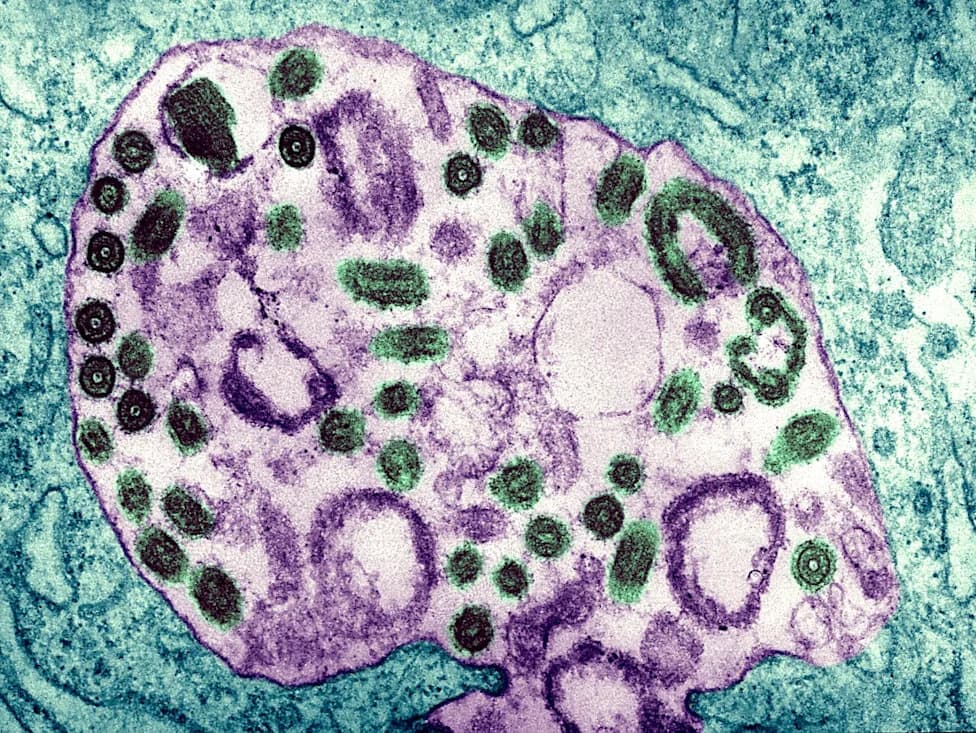
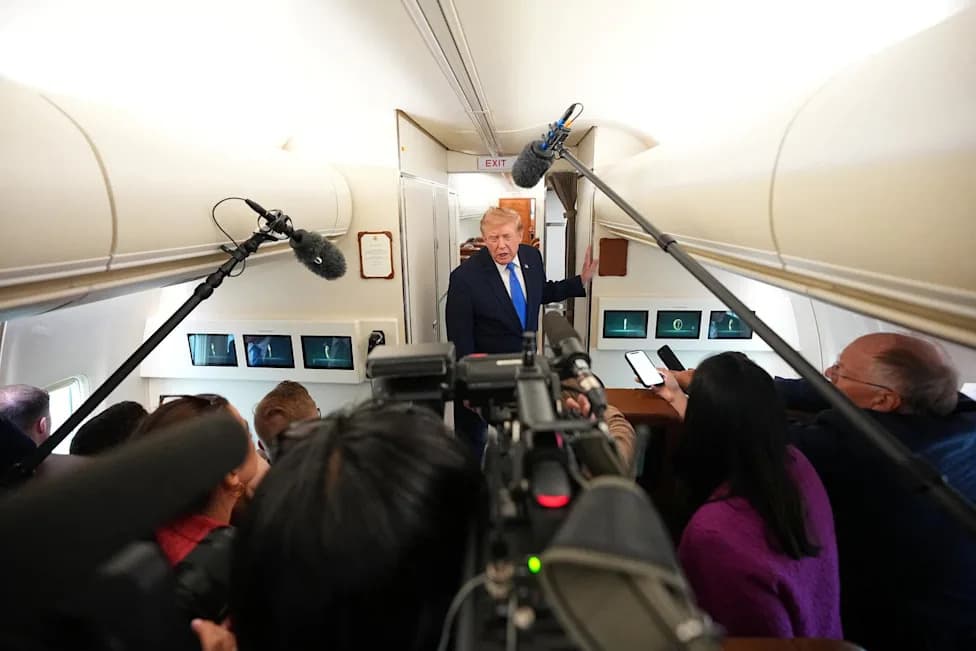
The Bioweapon Virus That Mutated Inside Its MakerBSIP - Getty Images
Dr. Nikolai Ustinov died after a prolonged, agonizing two-week course of Marburg virus disease while working in the State Research Center of Virology and Biotechnology (VECTOR) in Koltsovo, Siberia. Accounts of his exposure differ, but investigators agree the infection occurred inside VECTOR’s BSL-4 facility during routine laboratory work with the virus.
Conflicting Accounts of the Accident
Sources diverge on how Ustinov was infected. A 1998 Frontline documentary cites colleagues’ recollections suggesting a second scientist’s syringe accidentally jabbed Ustinov while he held a guinea pig. In her book Biological Weapons, Annie Jacobsen reports that Ustinov may have accidentally injected his own finger. Either way, he recognized the exposure, followed decontamination procedures, and reported it to supervisors.
A Harrowing Clinical Record
According to the U.S. Naval War College and other accounts, Ustinov kept a clinical journal as his condition worsened; his entries, reportedly stained with blood, provide a rare and grim record of Marburg’s progression in a human host. Colleagues and family were largely kept at a distance; his wife, Yevgenia, saw him only through a window and spoke to him by telephone.
Autopsy, Viral Evolution, and the Naming of "Variant U"
After Ustinov’s death, medical staff in full biohazard gear performed an autopsy and collected tissue and blood for analysis. Reports indicate the Marburg virus isolated from his organs had changed in ways investigators described as more virulent than the strain he had been working with. That emergent strain was reported in some sources as "Variant U," named in reference to Ustinov.
Weaponization Claims and Soviet Programs
Jacobsen and interviews cited by Frontline state that material isolated from Ustinov’s organs was used within the Soviet biological weapons program, Biopreparat, to develop and test new, more virulent variants. Those accounts say Biopreparat explored drying the virus into a powder to create an inhalable agent. These assertions come primarily from post-Soviet reporting and investigative sources; direct archival confirmation remains limited and some details are disputed.
Aftermath and Whereabouts
The Soviet Union collapsed before any documented operational deployment of such a weapon. In April 1992, President Boris Yeltsin ordered the termination of offensive biological-weapons research and the dismantling of production lines and testing facilities. Nevertheless, multiple investigative accounts conclude that stocks and material from past programs—sometimes including samples labeled as Variant U—remained at facilities such as VECTOR, though exact inventories and security details are opaque.
Why It Matters
Ustinov’s case underscores the dual-use risks of high-consequence pathogen research: an accidental exposure cost a researcher his life, and the virus that evolved within him is reported to have been incorporated into weapon-development efforts. Whether all stocks are now accounted for or destroyed remains unclear, highlighting persistent challenges in transparency, verification, and biosecurity.
Notable Sources: Frontline (1998), Annie Jacobsen's Biological Weapons, and analyses cited by the U.S. Naval War College. Many details—especially regarding weaponization and remaining stocks—are based on investigative reporting and are reported with varying degrees of confirmation.
Help us improve.