President Trump signed a comprehensive Russia sanctions package named for the late Sen. Lindsey Graham that aims to choke off revenue Moscow uses to wage war in Ukraine. The law targets officials, banks, energy firms and a "shadow fleet" of tankers, and authorizes tariffs of up to 100% on major buyers of Russian oil and gas. The measure passed the Senate 86-11 and the House 262-159, and includes extended Iran-related sanctions that helped secure presidential support. Kyiv hailed the move as added leverage, while the Kremlin warned it could impede peace efforts.
Trump Signs Graham-Named Russia Sanctions Bill — Tariffs Up To 100% To Target Moscow's Energy Revenue
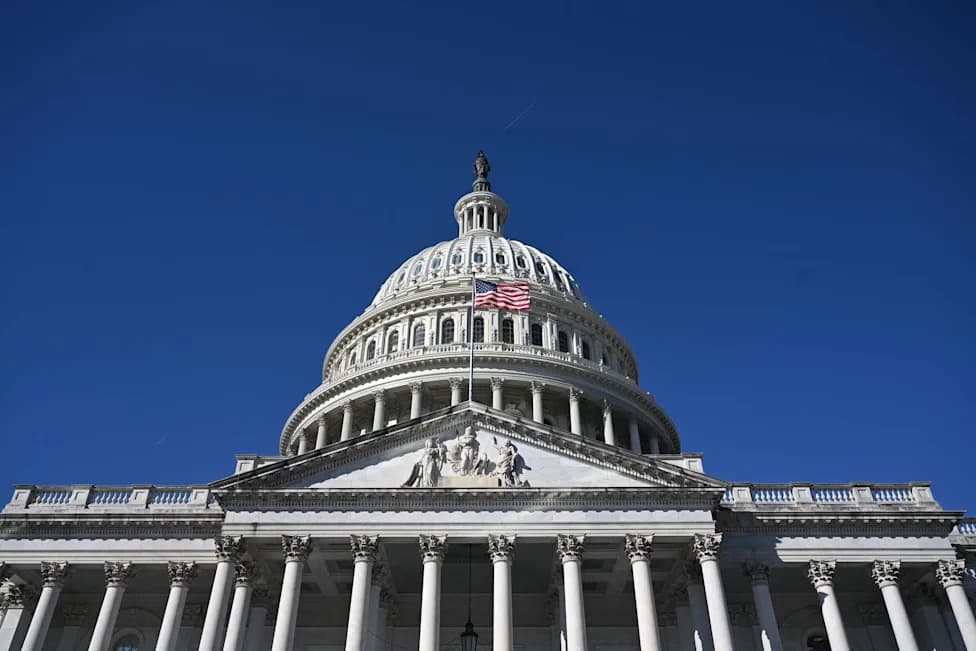
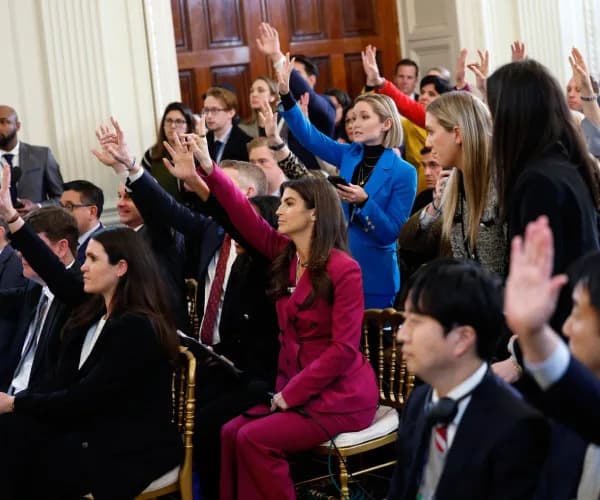
(Getty)
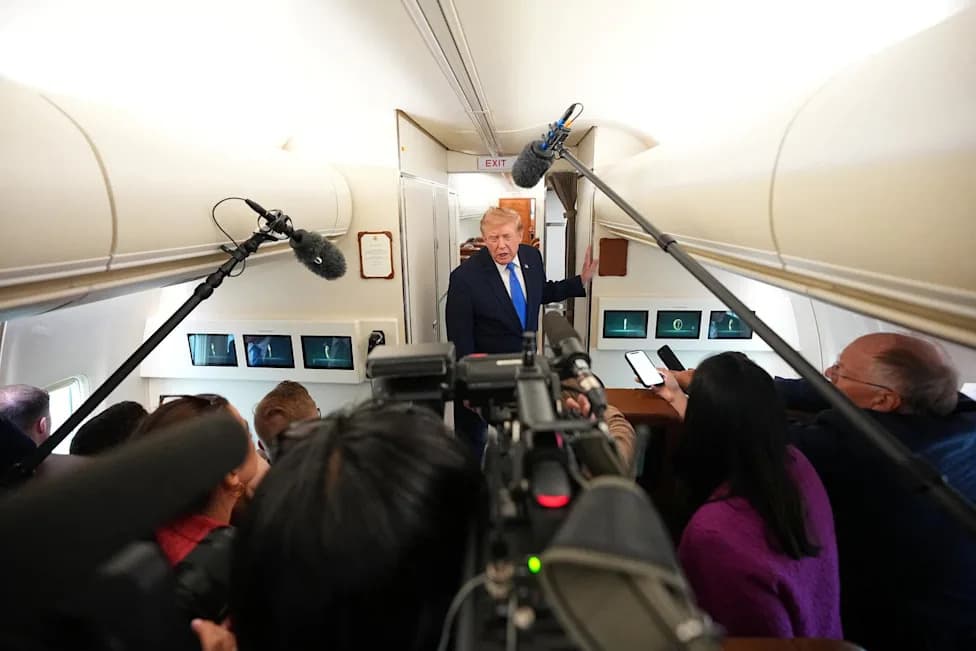
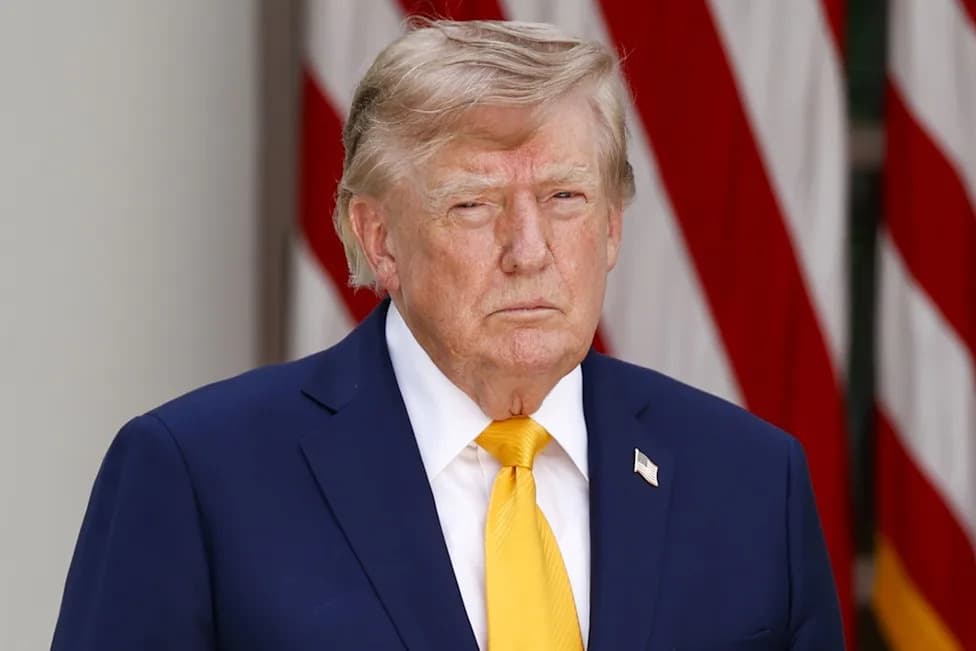
President Donald Trump on Friday signed a broad sanctions package named for the late Sen. Lindsey Graham that is designed to increase economic pressure on Moscow and restrict the revenue and resources used to sustain Russia's war in Ukraine.
What the Law Does
The legislation targets Russian officials, financial institutions, key energy companies and a so-called "shadow fleet" of tankers used to move Russian oil while evading existing sanctions. Its stated goal is to deprive Moscow of revenue that helps finance its military operations in Ukraine.
Crucially, the bill gives the president authority to impose tariffs of up to 100% on countries that are among the largest purchasers of Russian crude oil and natural gas. Reuters reported the measure requires tariffs of up to 100% within 30 days on goods imported from the five largest importers of Russian crude or gas, as well as on countries that newly buy Russian energy or assist in sanction evasion.
Political Reaction
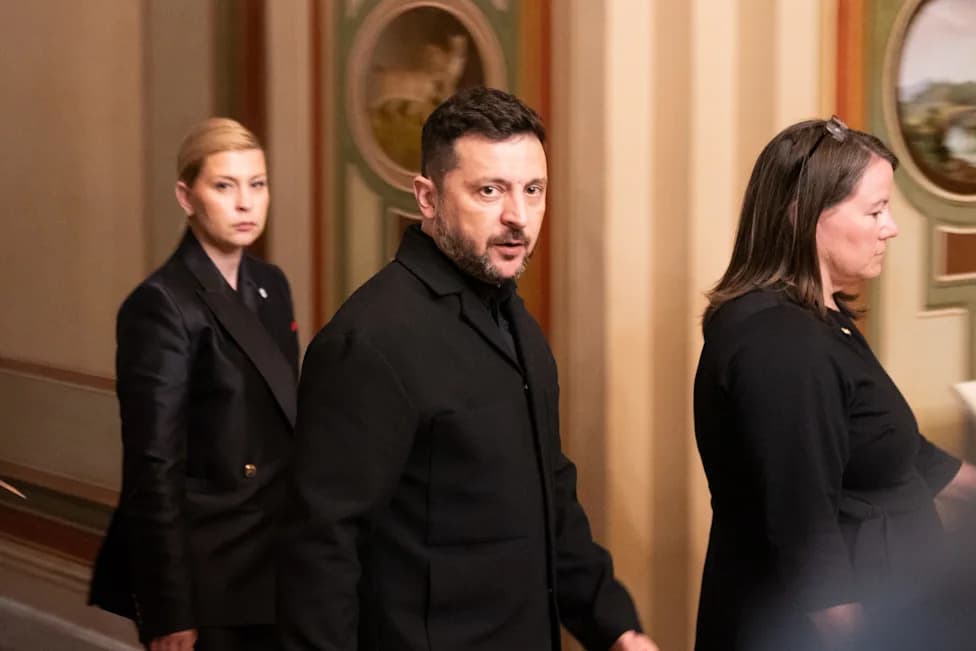
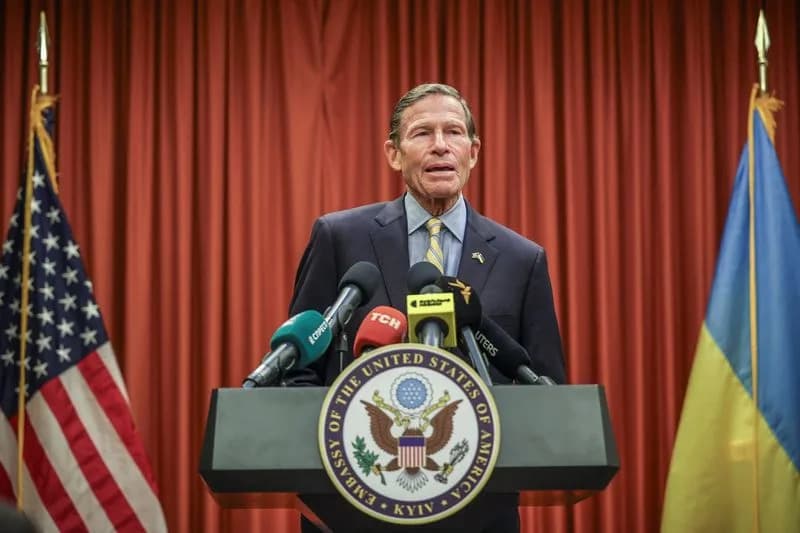
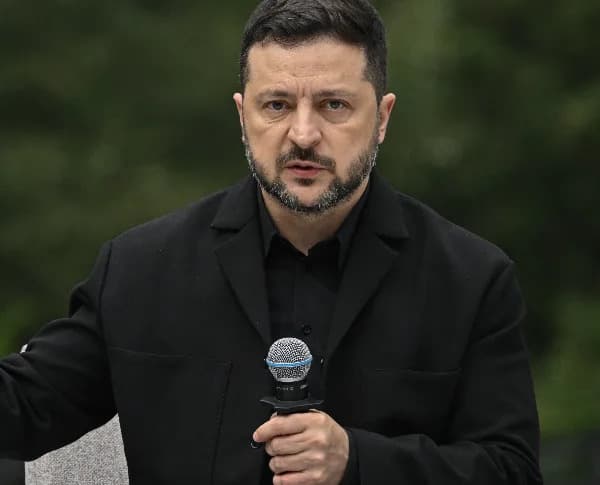
“America has a chance to send the aggressor the right signal that fair pressure will be applied and the war must be brought to an end,” Ukrainian President Volodymyr Zelenskyy said, praising the new law and thanking its supporters.
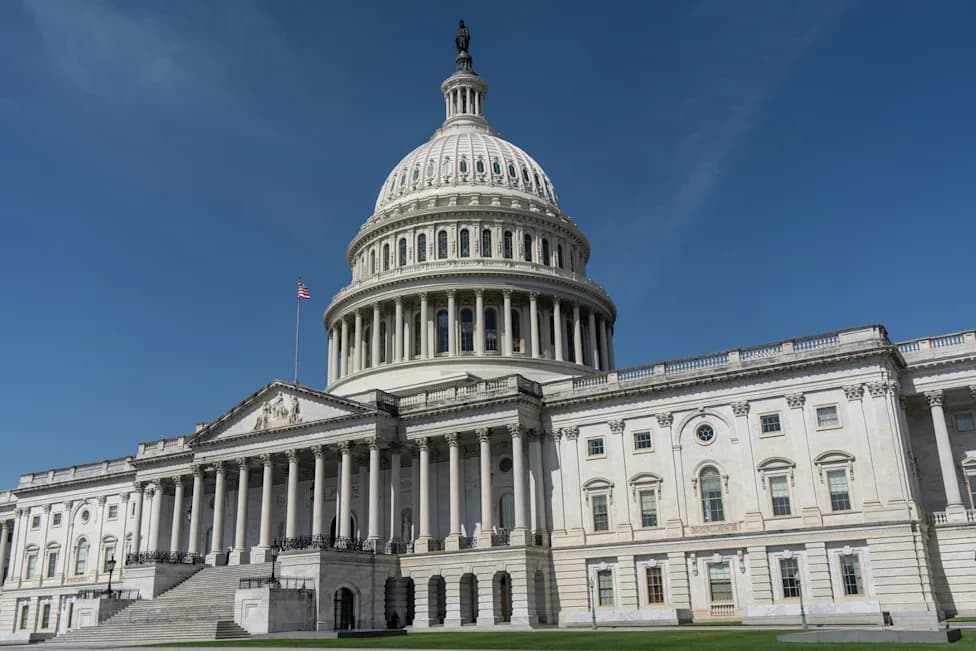
The bill passed the Senate by an 86-11 margin and cleared the House 262-159, with 58 House Democrats joining the majority of Republicans in support, according to Reuters. The package also extends Iran-related sanctions — a provision that helped secure President Trump's backing for the measure.
Kremlin spokesman Dmitry Peskov condemned the move, warning additional U.S. sanctions would be treated as “unfriendly actions” and could complicate efforts to reach a peace settlement, Reuters reported.
Concerns And Context
Some Democrats and other critics warned the law grants the president overly broad authority to levy tariffs on countries that buy Russian energy. House Democratic Leader Hakeem Jeffries cautioned that sweeping tariff powers could have broader economic consequences for American consumers and trading partners.
The bill carries the name of Sen. Lindsey Graham, R-S.C., a long-time proponent of tougher measures on Russia who reportedly died unexpectedly in July after working for more than a year to advance the package following its introduction in 2025. Graham had reached an agreement with the White House to move the legislation forward shortly before his death, after returning from a trip to Ukraine where he met with President Zelenskyy.
The signing comes as U.S.-mediated efforts to end the war remain stalled; the administration says it will pursue negotiations while maintaining and expanding economic pressure on Moscow. For Kyiv, the sanctions are framed as additional leverage to persuade Russia to agree to an end to hostilities.
Note: Reporting referenced in this article draws on coverage from The Associated Press and Reuters.
Help us improve.