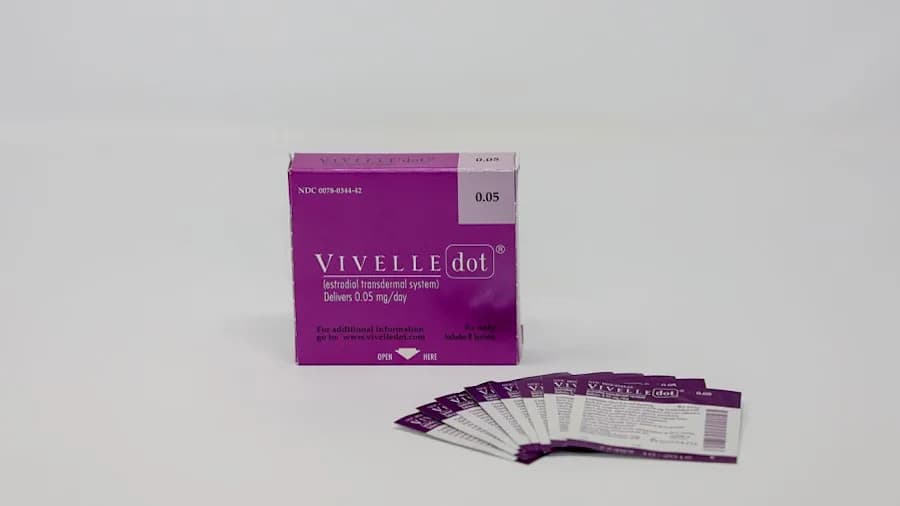
The U.S. pharmaceutical industry is reporting constrained supplies of estradiol-containing transdermal estrogen patches as manufacturers work to catch up with a sharp rise in demand following the removal of a boxed warning late last year. While some companies report product-level shortages, federal regulators say available supply currently meets national needs.
Why Demand Jumped
Transdermal estradiol patches are prescribed to relieve menopausal symptoms such as hot flashes, to help prevent osteoporosis, and to replace estrogen in patients with deficiency. After federal regulators removed the boxed ("black box") warning on estradiol patches, prescribing and patient interest increased markedly. Health-data firm Truveta reports a 184% rise in estrogen-based HRT use since 2018, with the biggest increase among women aged 45–54—trends analysts link to greater public discussion about menopause.
Current Supply Picture
The American Society of Health-System Pharmacists (ASHP), which tracks manufacturing-level disruptions, currently lists more than a dozen estradiol patch products from five manufacturers as constrained. Sandoz accounts for the largest share of listed patches. Other manufacturers named in reports include Viatris, Amneal, Noven, Zydus and Bayer (the latter still has some patch products available).
Sandoz: “Unfortunately, the market is currently experiencing supply challenges affecting HRT patches, driven by external factors including a global shortage and a significant rise in demand for this menopause treatment. Recent changes in prescribing behavior due to the FDA's removal of boxed warnings on these products have created an unprecedented demand that cannot be fully met at present.”
Viatris says it is "committed to supporting patient access" and is expanding production capacity; Amneal, Noven and Zydus provided limited or no public explanations for disruptions.
Regulators, Nonprofits And Risk Assessments
The FDA has not placed estradiol patches on its official drug shortages list, indicating that, on balance, national supply remains adequate. The Department of Health and Human Services (HHS) says manufacturers are producing at full capacity and that the department is working with companies to ensure supplies meet demand.
The United States Pharmacopeia (USP) cautions that the picture is "constrained": many estradiol HRT products are intended for chronic use, so even short interruptions can cause patients to stop therapy, return of symptoms, or risky switches to alternative routes. In a recent risk assessment, USP highlighted a major supply-chain vulnerability: key starting materials for estradiol products are produced exclusively in China.
Alternatives And Clinical Considerations
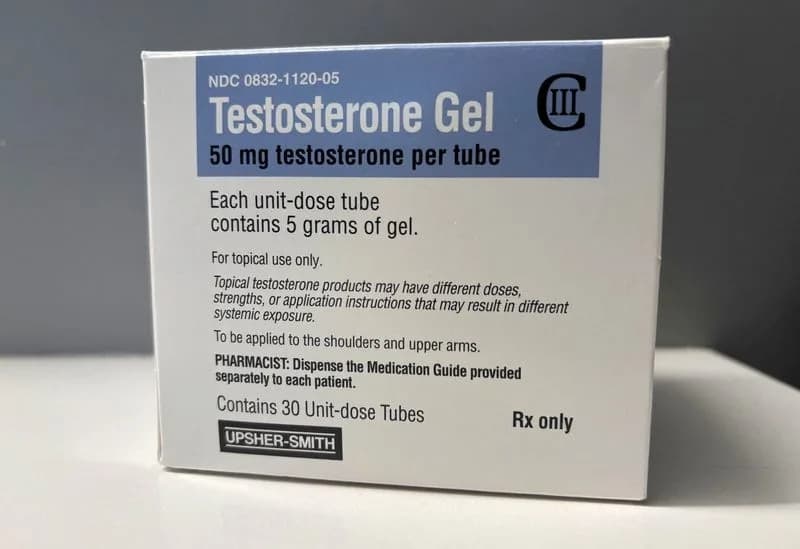
Estrogen therapy is available in oral pills, gels, sprays and other transdermal options. Clinicians say many patients can switch formulations when patches are scarce, but each route has trade-offs. Patches provide steady dosing, greater convenience than a daily pill for some patients, and carry a lower risk of venous thromboembolism (VTE) compared with oral estrogen. Abrupt discontinuation or frequent switching between brands or strengths can return menopausal symptoms and may undermine bone-protective effects.
Market Forces And Outlook
Industry observers call the rapid expansion of menopause-focused products a "menopause gold rush." Market research firm Grand View Research projects the global menopause market could reach roughly $24.35 billion by 2030, reflecting both demographic trends and increased awareness driven by public figures and advocacy.
What Patients Should Know
- If patients encounter a shortage of a specific patch brand or strength, clinicians can advise alternative estradiol formulations or equivalent strengths from other manufacturers.
- Patients should consult their prescribing clinician before changing therapy—especially those taking hormone therapy for bone protection or with clotting risk concerns.
- If a national shortage is declared, FDA will post updates including availability and expected duration; compounding options may be available under applicable laws.
HHS: "We are working with all of the manufacturers on ensuring that supplies meet demand and will continue to offer our assistance on anything they need to increase supply. If these products fall into shortage nationally, the FDA will post on our website at that time."
Overall, the situation reflects a supply chain adapting to a rapid change in prescribing behavior and patient demand. Stakeholders—including manufacturers, regulators, clinicians and patients—are monitoring supplies while companies scale production and explore alternatives to mitigate disruptions.