The CDC's National Center for Health Statistics analyzed responses from 31,917 adults in the 2024 National Health Interview Survey and found that 71.5% experienced fatigue some days over a three-month period, while 16.6% felt very tired most days or every day. Women and younger adults (ages 18–34) reported higher rates. Frequent fatigue was linked to greater functional limitations, cognitive problems, and mental health issues. Experts recommend tracking sleep and stress, practicing restorative rest, and consulting a healthcare provider for persistent exhaustion.
Nearly 3 in 4 U.S. Adults Report Fatigue, CDC Finds — Who’s Most Affected and What Helps

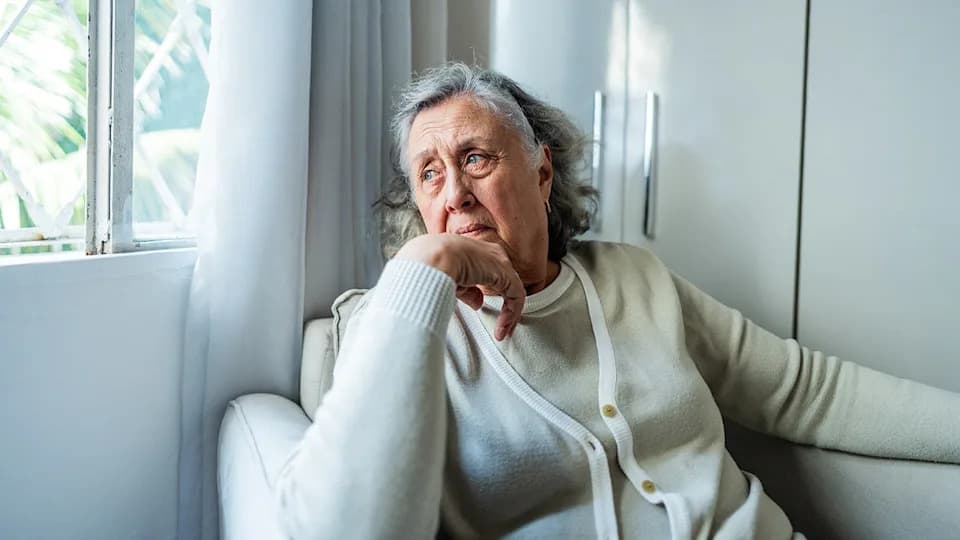
(Dreamstime)
If you often feel drained, you are far from alone. A new analysis from the Centers for Disease Control and Prevention (CDC) finds that nearly three-quarters of U.S. adults reported feeling very tired or exhausted at least some days during a recent three-month period.
Key Findings From the Survey
The CDC's National Center for Health Statistics (NCHS) analyzed responses from 31,917 adults who participated in the 2024 National Health Interview Survey. Overall, 71.5% reported feeling fatigued some days in the prior three months. More frequent fatigue—feeling very tired most days or every day—was reported by 16.6% of adults.
Who Is Most Affected?
- Gender: Women reported higher rates of frequent fatigue (20%) than men (13%).
- Age: Younger adults had higher rates; ages 18–34 reported the highest frequent-fatigue rate at 19.5%, while adults 65 and older reported 12.9%.
- Income and Region: Frequent fatigue declined as family income rose. By region, rates were higher in the South (17.7%) and Midwest (17.5%) than in the West (15.6%) or Northeast (14.5%).
- Urbanicity: Adults in less urban areas reported higher fatigue rates than those in more urban areas.
Impact on Daily Life
Fatigue in this report is defined as "physical or mental tiredness or exhaustion that does not improve with additional sleep or rest." The consequences are significant: about half of adults with frequent fatigue reported difficulties in at least three areas of functioning, compared with 16.9% of adults without frequent fatigue. More than one-third (36%) said fatigue limited the type or amount of work they could do. Those with frequent fatigue were also more likely to report cognitive difficulties, depression, and anxiety.
"People with fatigue are at higher risk of activity limitations and disability, including permanent work disability," said Natalie A.E. Young, lead author of the report.
What May Cause Fatigue—and What To Do
The CDC analysis did not determine causes. Experts note fatigue usually has multiple contributors: poor sleep, chronic stress, medical conditions, and mental health issues can all play roles. Women may face additional factors such as hormonal changes and overlapping demands at work and home.
Jennifer Caspari, a clinical psychologist, recommends tracking sleep and stress patterns and prioritizing genuine rest. Instead of reaching automatically for a phone, schedule restorative activities such as breathing exercises, gentle stretching, or calming routines before bed. "Active rest can feel more nourishing and have a more helpful impact on fatigue over time," she said.
When To See a Provider
Persistent or unexplained fatigue should not be dismissed as normal busy-life exhaustion. Because fatigue can accompany many medical and mental health conditions, anyone experiencing ongoing or worsening exhaustion is advised to consult a healthcare provider.
Bottom Line
This large, nationally representative survey highlights that fatigue is common and frequently disabling for a sizable minority. Understanding patterns, making restorative changes, and seeking medical advice when fatigue persists can help people regain function and quality of life.
Help us improve.