Late‑August Glacier Collapse — A massive mountainside and glacier collapse on the Tibet–Nepal border generated a catastrophic flood that killed nearly 1,400 people, left about 5,000 missing, and caused ~ $5 billion in damage (≈10% of Nepal’s GDP).
Hydropower Impact — At least 13 hydropower projects were damaged or destroyed, removing roughly 430 MW (over 10%) of national capacity and damaging multiple under‑construction sites.
Wider Risks & Response — The event highlights two linked threats from glacial retreat: sudden, destructive floods (including GLOFs) and long‑term declines in dry‑season flows. Diversified power portfolios, pumped storage, careful dam siting, and international support are critical to build climate‑resilient energy systems.
Shrinking, Fast and Slow: Nepal’s Glacier Collapse Reveals Rising Hydropower Risks
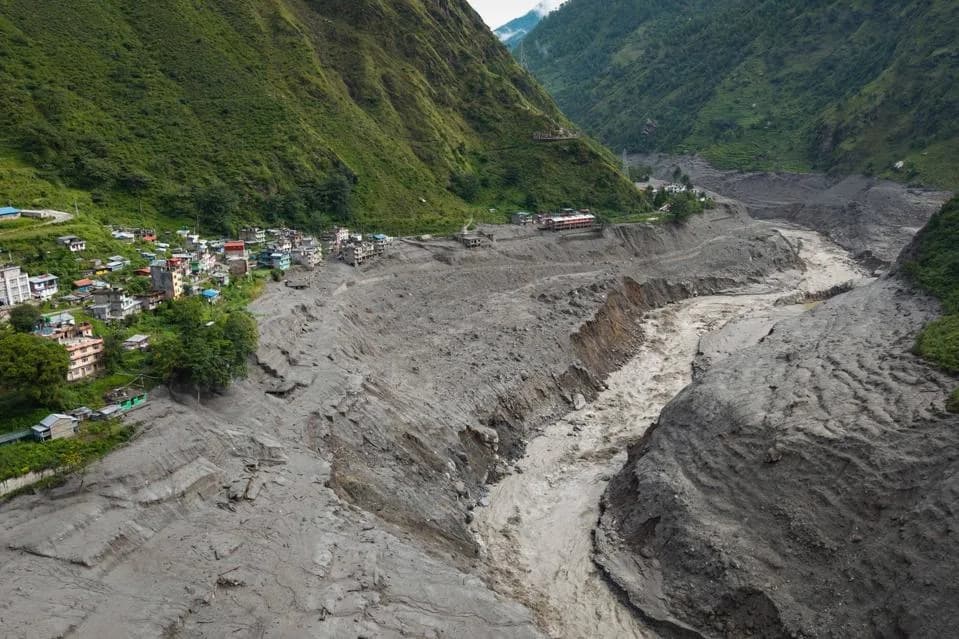
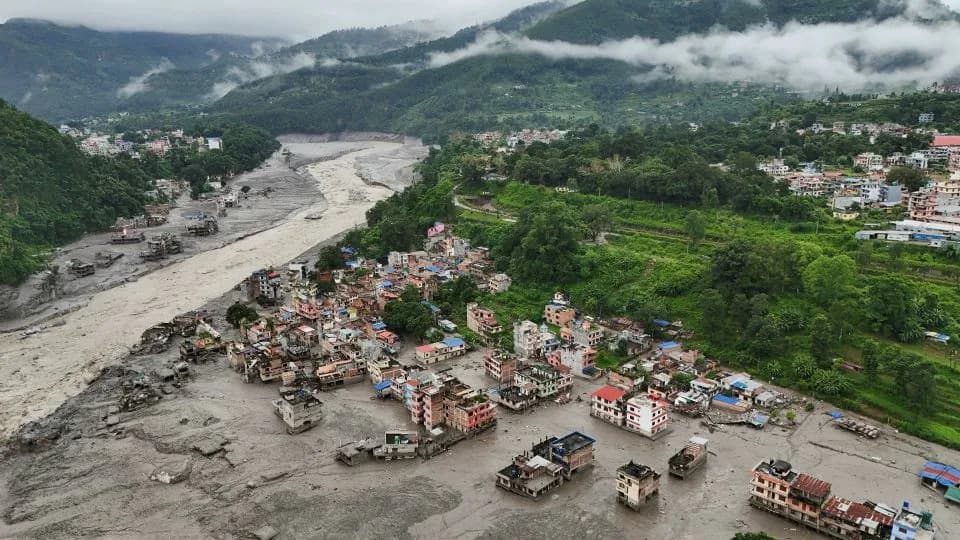
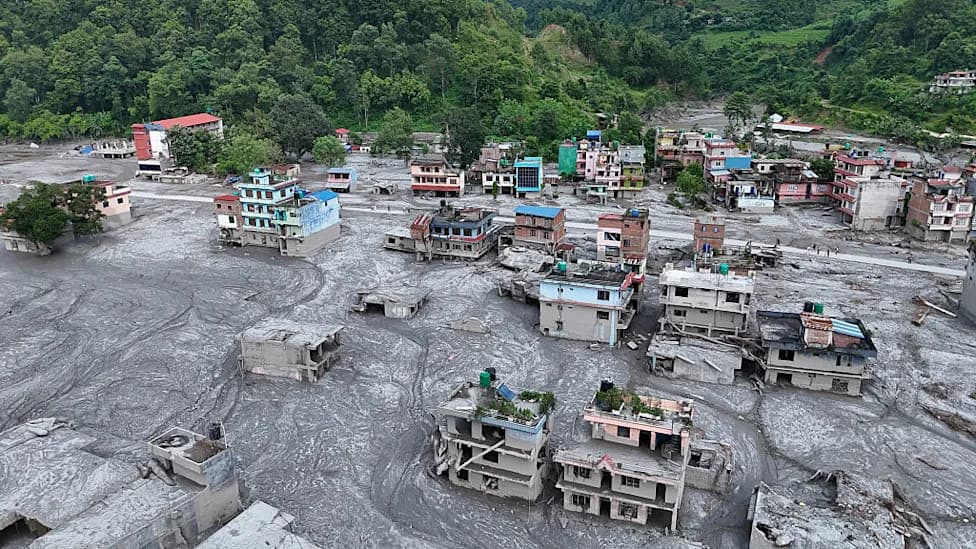
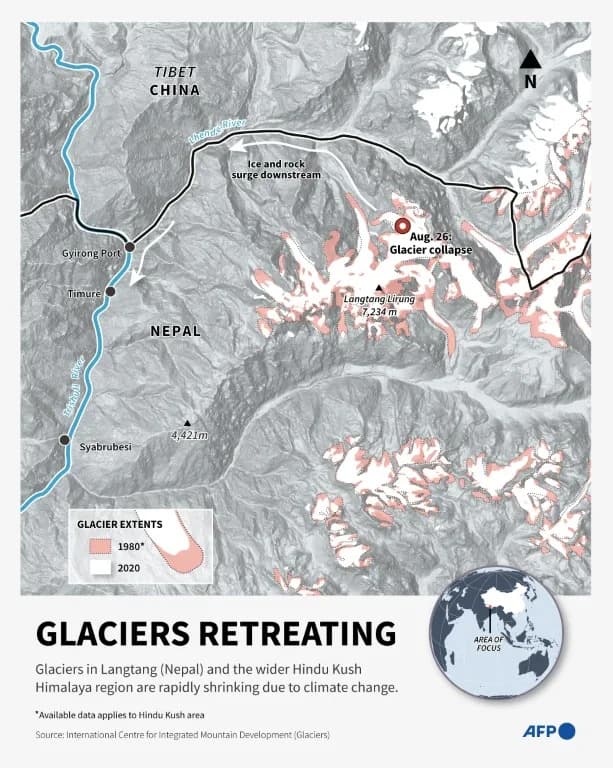
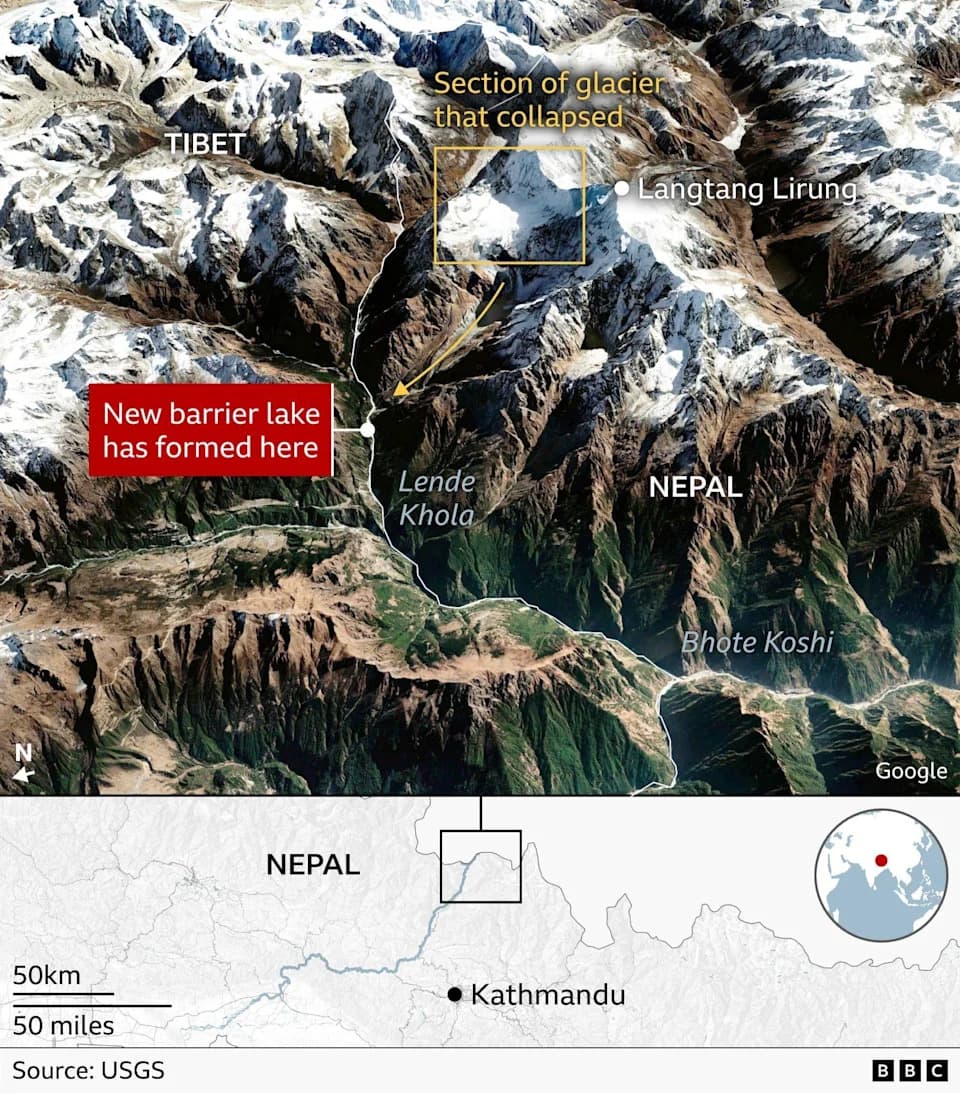
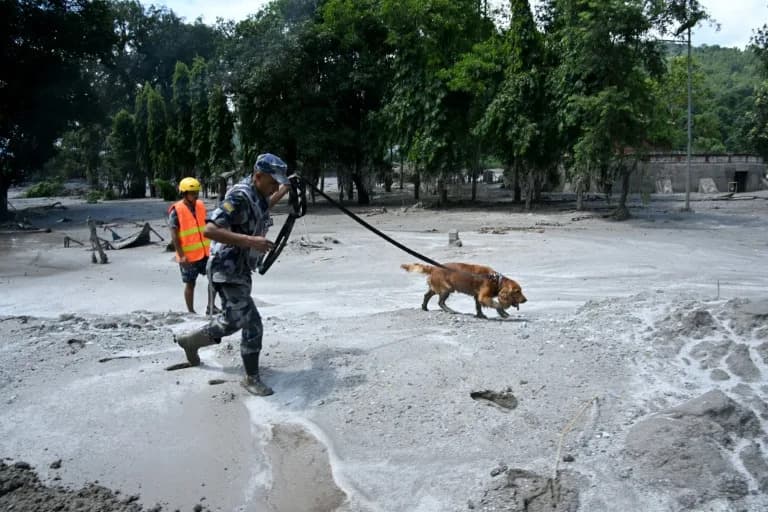
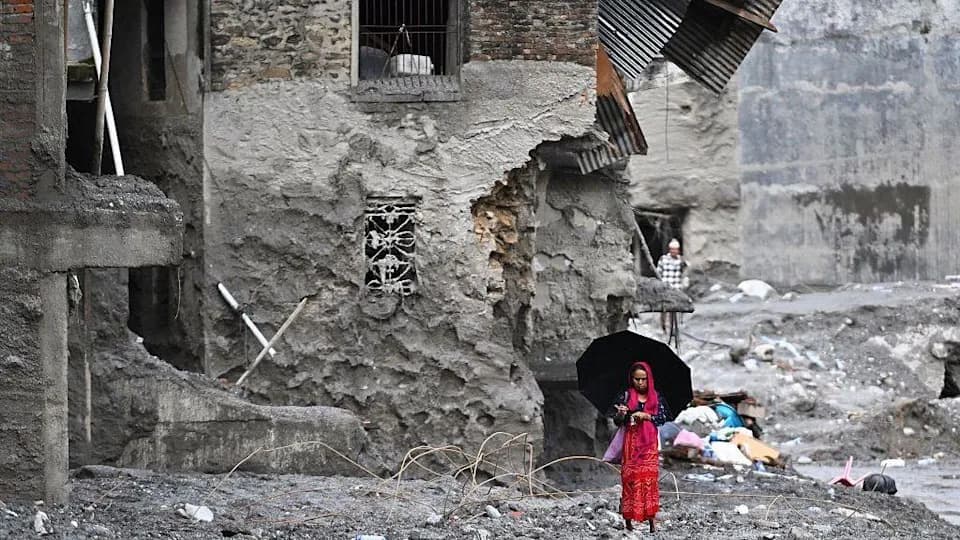
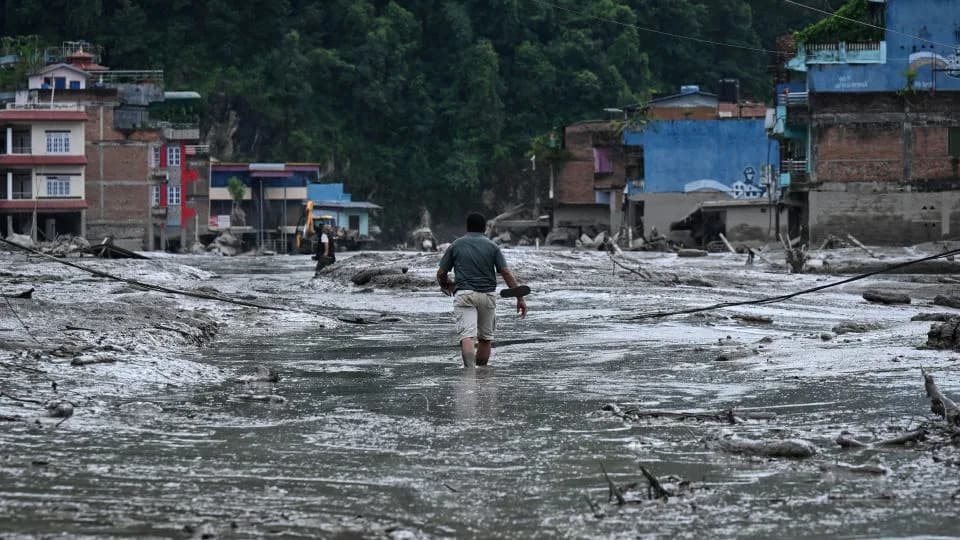
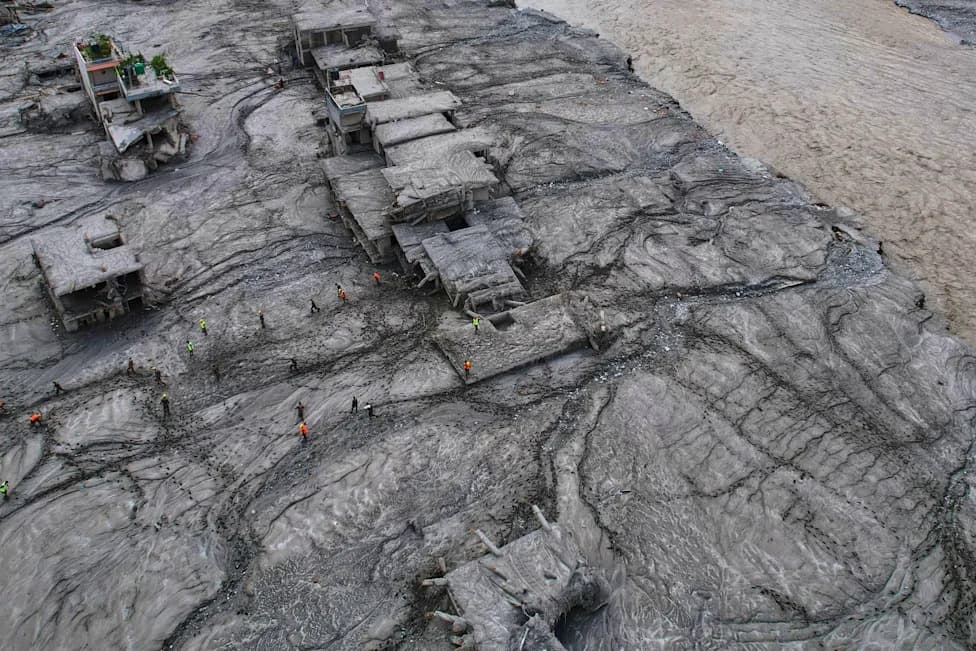
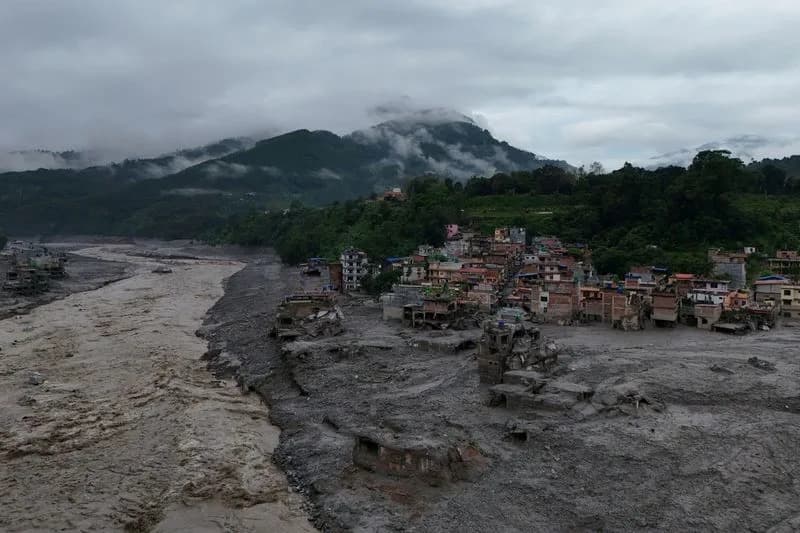
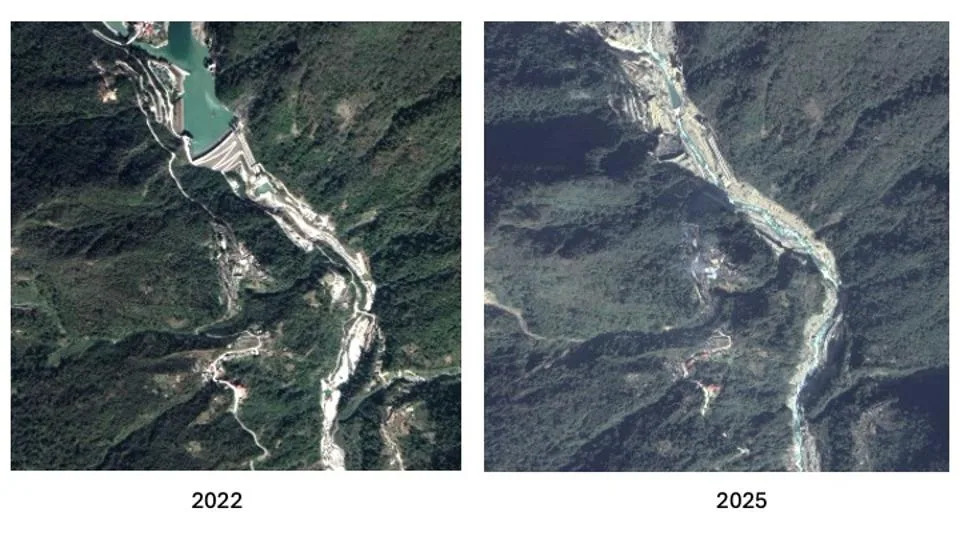
In late August, a massive mountainside and glacier collapse on the Tibet–Nepal border unleashed a devastating flood down the Bhotekoshi and Trishuli river valleys. The surge of rock, ice, water and mud killed nearly 1,400 people, left about 5,000 missing, and caused roughly $5 billion in damages—an amount equivalent to about 10% of Nepal’s GDP. The event destroyed or damaged at least 13 hydropower projects and impaired roughly 430 MW of generating capacity, more than 10% of Nepal’s hydropower fleet.
The Collapse And The Flood
Seismometers worldwide recorded a major ground-motion event on August 26 that was initially classified as an earthquake; researchers later concluded the signal (about 5.2 magnitude–equivalent) originated from a gigantic landslide. A wall of rock and glacier traveled more than 1 km down the slope at speeds estimated around 150 km/h, with some video reports showing debris moving up to 180 km/h. The slide’s kinetic energy melted much of the ice on impact and temporarily dammed the Purepu Tsangpo River in Tibet; that makeshift dam breached, sending a 70 m high (initial reports) muddy slurry into Nepal’s river valleys.
Damage To People And Infrastructure
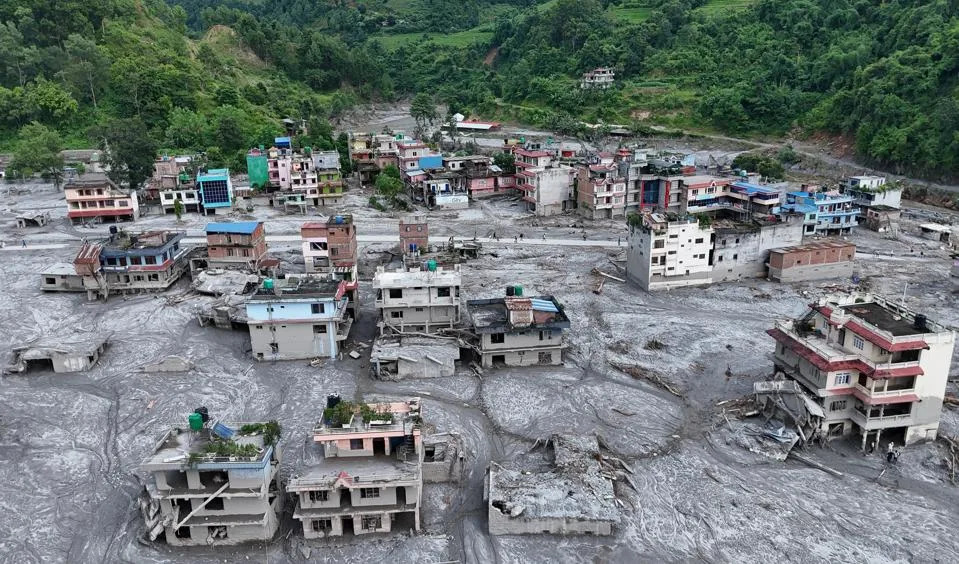
Casualties and losses are immense. Nepal’s National Energy Agency reports “hundreds of billions of rupees” of damage to the hydropower sector—translating to billions of U.S. dollars. At least 13 operational projects were damaged or destroyed, five additional projects under construction were hit, and hundreds of construction workers are among the dead and missing. Because Nepal’s grid is almost entirely hydropower-based (≈97% of capacity), loss of 430 MW represents more than 10% of national grid capacity, with immediate implications for electricity access and reliability.
Two Faces Of Glacial Retreat: Slow Decline And Sudden Collapse
Glacial retreat poses two distinct but related hazards. Over decades, loss of glacier and high‑elevation snow reduces dry‑season baseflows—threatening long‑term hydropower generation. Many studies estimate Nepal’s hydropower potential could decline by roughly 30% by the end of this century (after a temporary boost from accelerated melting). At the same time, sudden events—landslide‑triggered floods and Glacial Lake Outburst Floods (GLOFs)—can destroy infrastructure and kill people in an instant.
Recent parallels: In 2021 the Uttarakhand disaster in India caused a rock‑and‑ice slide that killed more than 200 people and severely damaged hydropower works. In 2023 a GLOF in the Indian Himalayas traveled nearly 400 km, killed 55 people and obliterated the 1.2 GW Teesta‑3 project.
Global Implications For Mountain Hydropower
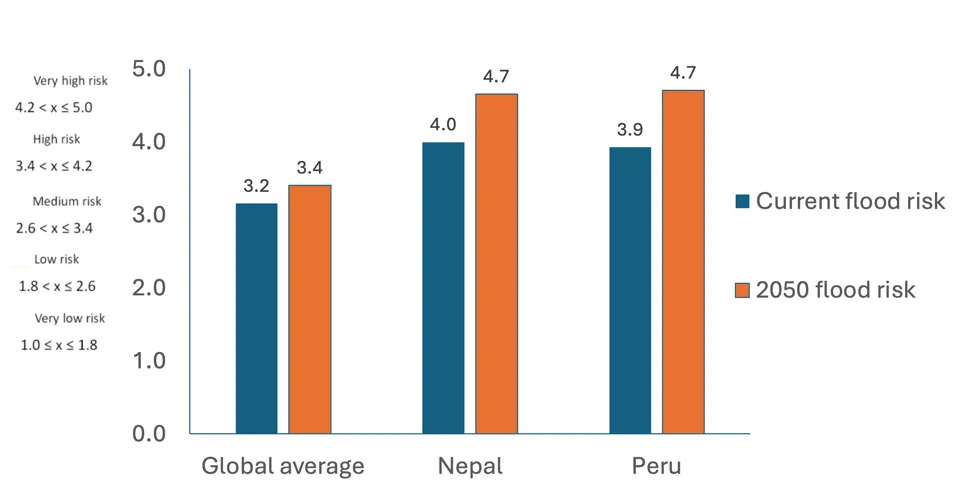
High mountain countries such as Nepal, Peru and parts of the Andes face elevated flood risks to hydropower. Analyses (e.g., WWF Water Risk Filter, Global Dams Watch) rank Nepal and Peru among countries with the highest current flood risk to hydropower and project large increases in risk through mid‑century. Where power systems rely heavily on hydropower, these changes translate to energy insecurity, especially during prolonged droughts—as Ecuador’s 2024 electricity shortfalls demonstrated.
Paths To Greater Resilience
Policymakers and planners should update energy strategies to reflect both the slow and fast threats from cryosphere change. Key approaches include:
- Diversifying generation portfolios with wind, solar and batteries to reduce dependence on variable water availability.
- Prioritizing pumped storage hydropower (PSH) where appropriate: PSH can be sited away from river channels, faces lower flood risk, and provides large‑scale storage that is resilient to declining baseflows.
- Applying rigorous hazard screening and avoiding siting new dams where GLOF, landslide or permafrost‑failure risk is high.
- Strengthening early‑warning systems, land‑use planning, and worker safety protocols at construction sites in high‑risk valleys.
- Mobilizing international finance and technical assistance—under principles of climate justice—to help vulnerable, low‑income mountain countries adapt.
As glaciers continue to shrink and permafrost thaws, mountain nations will face both the slow attrition of dry‑season water and the sudden danger of catastrophic floods. Combining diversified energy planning, careful siting, and targeted investments in resilient technologies can protect communities and maintain power system reliability in an increasingly volatile climate.
Originally published on Forbes.com. Data sources referenced in this article include Nepal’s National Energy Agency, local media reporting, and global datasets such as the WWF Water Risk Filter and Global Dams Watch.
Help us improve.