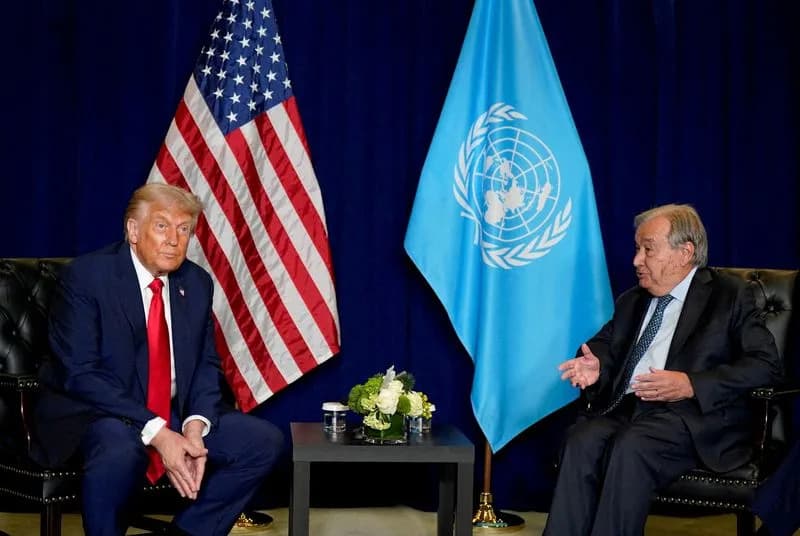
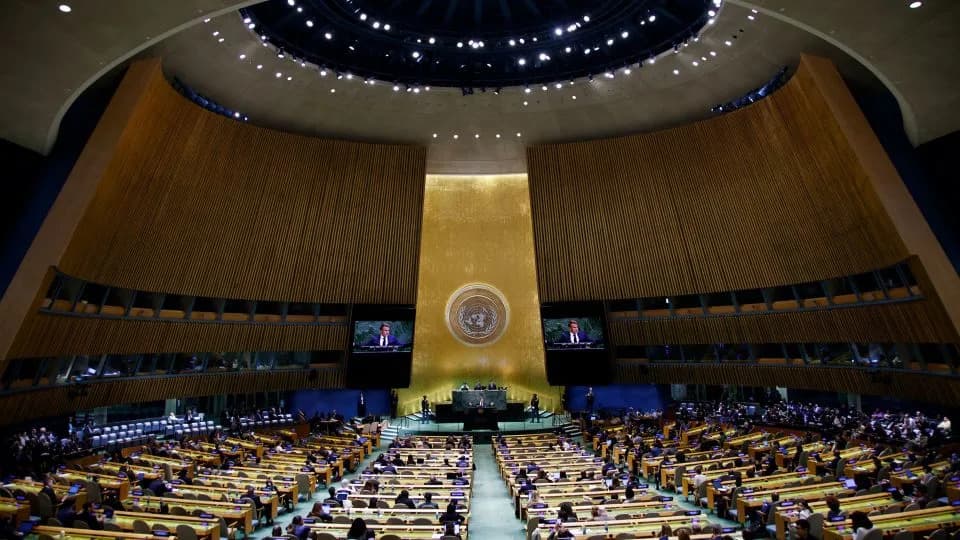
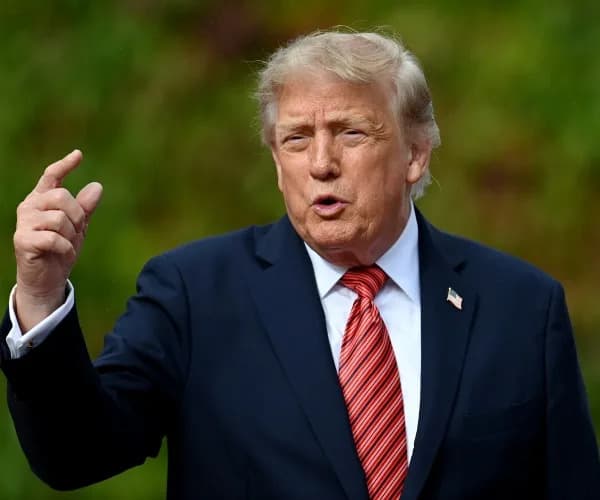
President Trump returns to the U.N. amid escalating rhetoric toward allies, renewed threats of tariffs and ongoing security tensions in the Middle East and Europe. Lawmakers and NATO partners worry that hostile language could undermine cooperation even as the administration explores diplomatic steps on Ukraine and watches Iranian-linked regional activity. UNGA will be a focal point for high-stakes bilateral meetings and for possible shifts in U.S. trade and security policy.
Trump Heads to the U.N. With Trade Threats and Global Flashpoints
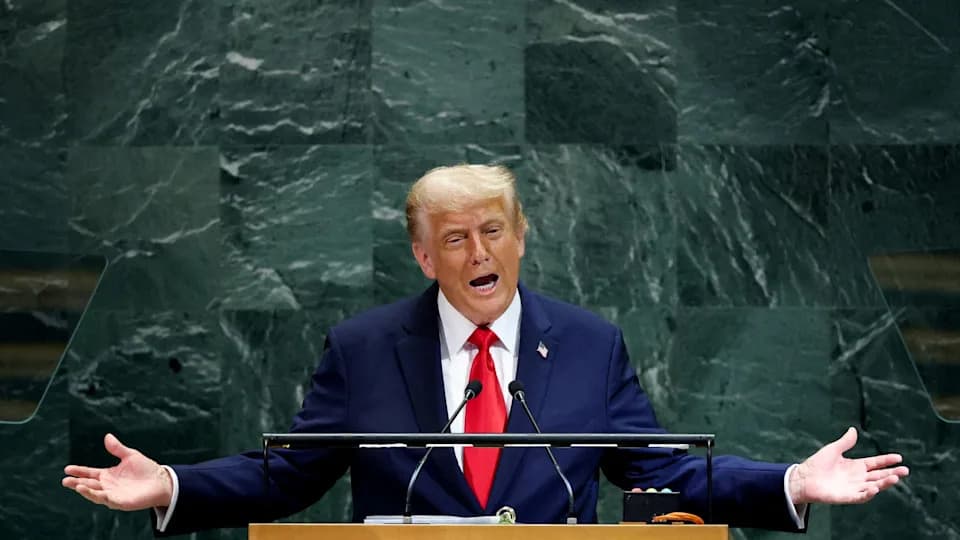
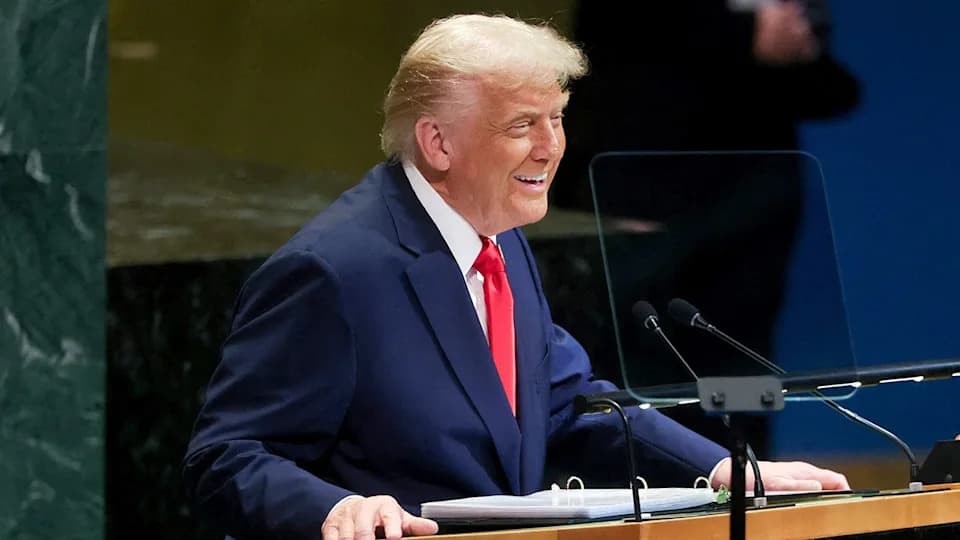
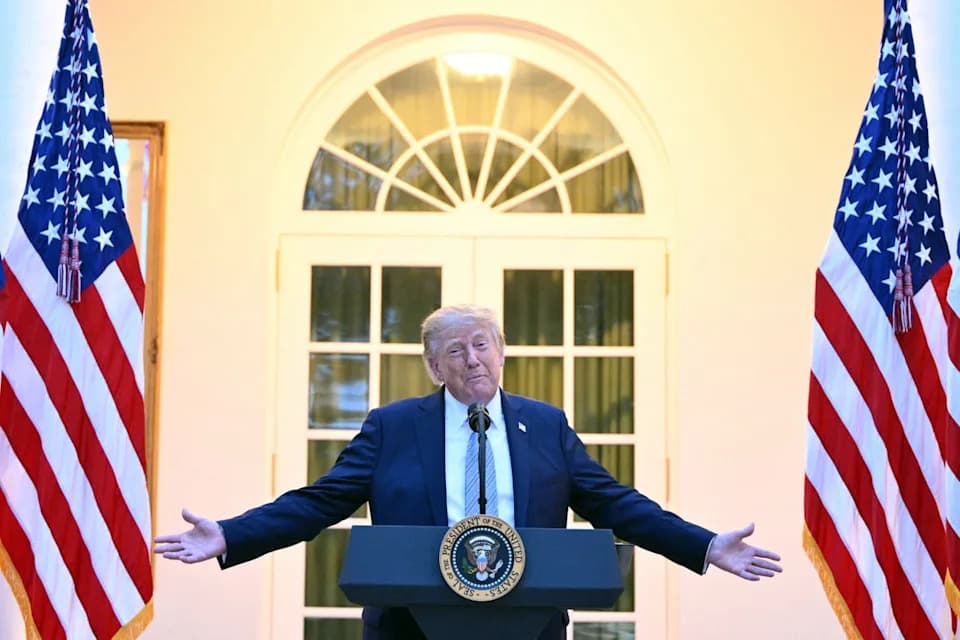
FILE PHOTO: U.S. President Donald Trump addresses the 80th United Nations General Assembly at U.N. headquarters in New York City, U.S., September 23, 2025. REUTERS/MIKE SEGAR/File Photo
UNITED NATIONS — President Donald Trump returns to the U.N. General Assembly this year with a familiar mix of sharp rhetoric toward allies, trade threats and an emphasis on security crises from the Middle East to Europe.
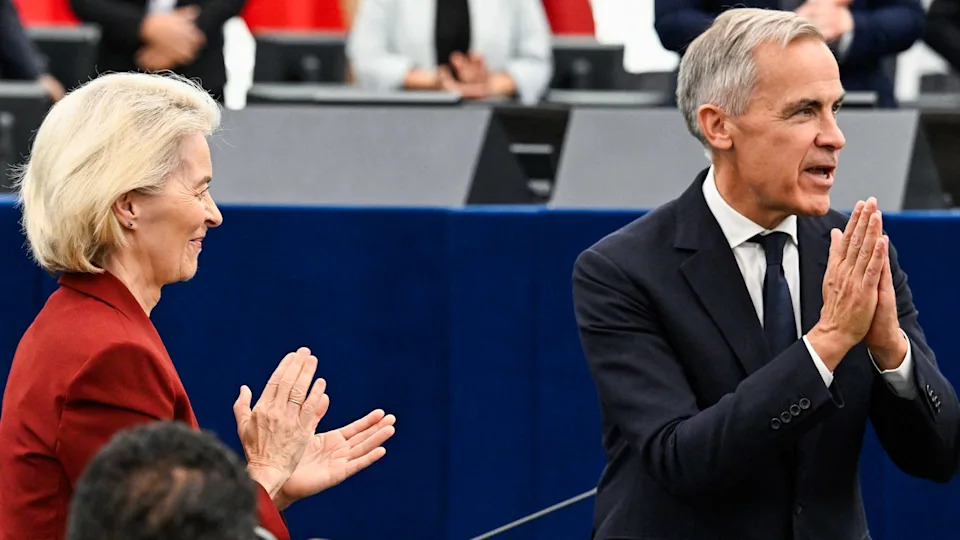
Canada's Prime Minister Mark Carney acknowledges MEPs as European Commission President Ursula von der Leyen applauds after delivering a speech in the hemicycle at the European Parliament in Strasbourg, eastern France, on September 17, 2026. Canadian Prime Minister Mark Carney on September 17, 2026, rejected threats by US President Donald Trump over Ottawa's push for closer ties with the European Union.
Allies, Trade and NATO Strains
In recent months Trump has escalated threats of tariffs and criticized traditional U.S. partners for what he calls unfair economic burdens. His comments have unsettled NATO allies and drawn concern from members of his own party who say hostile rhetoric undermines cooperation at a time when collective security is strained. Some lawmakers urge the president to prioritize criticizing adversaries such as Russia and China rather than alienating partners.
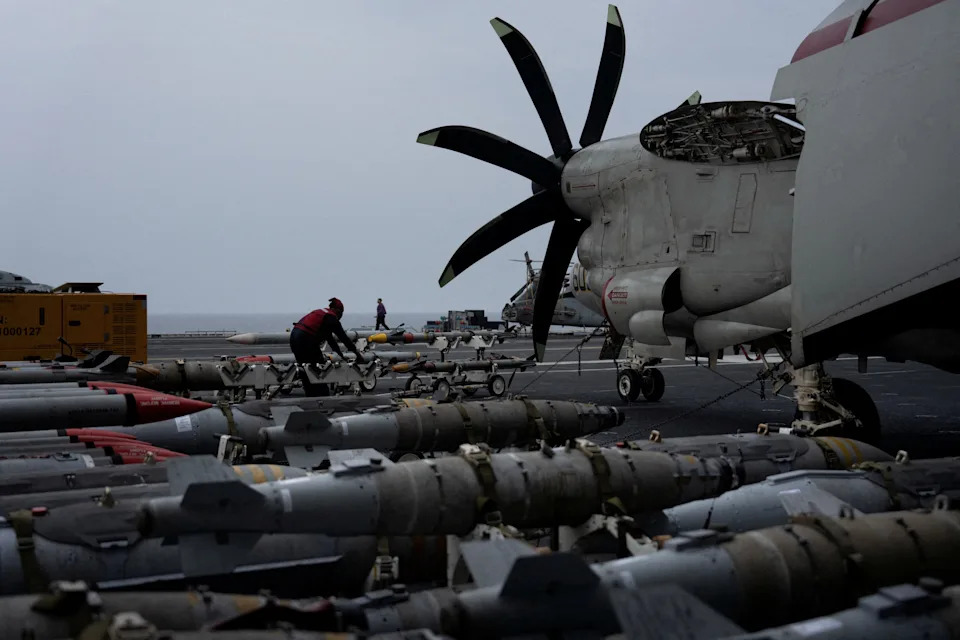
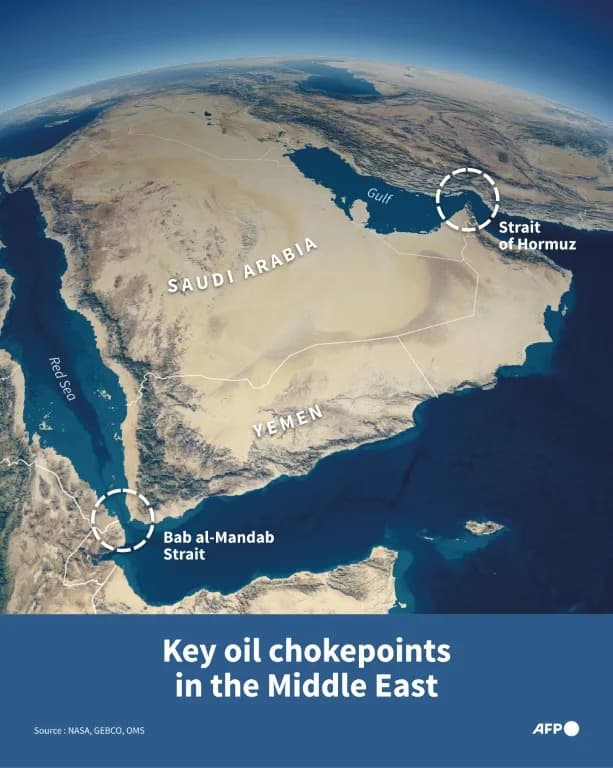
A sailor handles munitions on the flight deck of the USS George Washington in the Arabian Sea, September 13, 2026. The aircraft carrier, capable of carrying more than 5,000 personnel, is enforcing a U.S. naval blockade against Iran and providing cover for commercial vessels transiting the Strait of Hormuz. REUTERS/Ed Ou TPX IMAGES OF THE DAY
Middle East Tensions
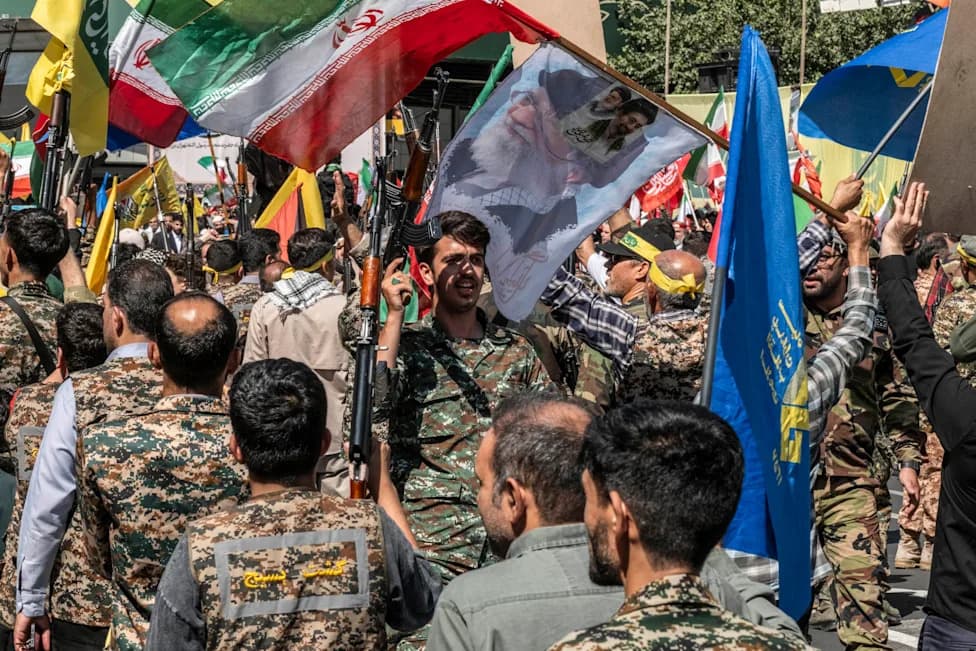
Trump will arrive amid heightened tensions with Iran and its regional proxies. Incidents at sea and attacks on energy infrastructure have raised worries about broader escalation and contributed to higher energy costs. U.S. officials have warned that continued confrontation could further damage global supplies and stability, and negotiators report limited progress toward de-escalation.
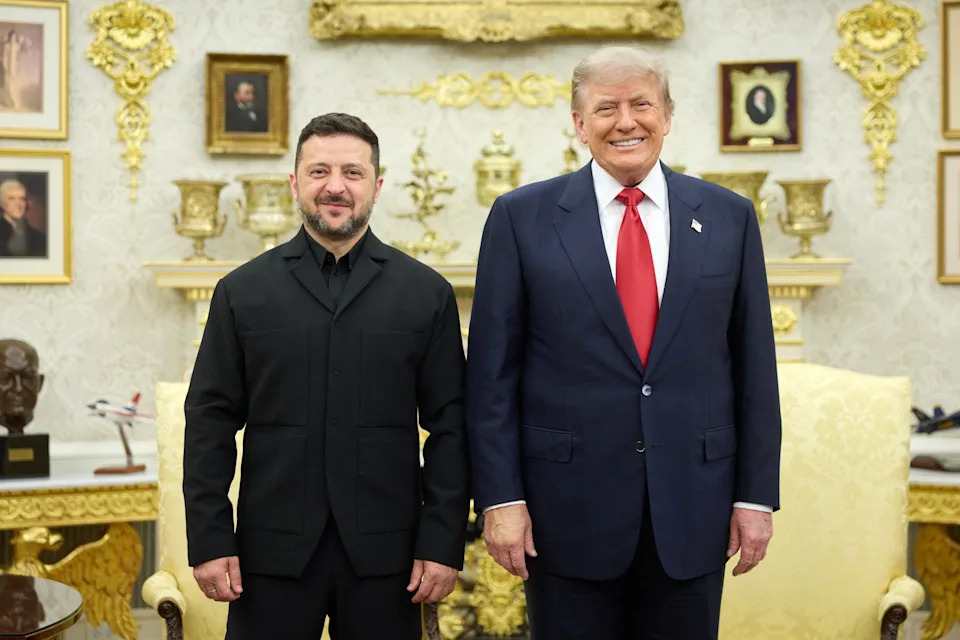
Ukrainian President Volodymyr Zelenskyy (L) meets with US President Donald Trump (R) at White House during his visit to Washington, DC, on July 28, 2026.
Ukraine, Russia And Diplomatic Options
With the Russia–Ukraine conflict ongoing, the administration has signaled interest in diplomatic efforts after envoys traveled to Moscow and Kyiv. Any proposal will face intense scrutiny from U.S. lawmakers and NATO partners, who emphasize that meaningful security guarantees and respect for territorial sovereignty must be central to any deal.
LatAm And Bilateral Meetings
On the sidelines of the General Assembly, Trump is expected to hold a number of bilateral meetings on issues ranging from Venezuela to trade. The president will likely highlight recent operations and policy initiatives in the Western Hemisphere while pressing partners to take a tougher stance on migration, transnational crime and regime threats.
What To Watch At UNGA
World leaders from Iran, Ukraine and Russia will address the assembly. Observers will watch whether Trump uses his speech to mend ties with allies, press adversaries, or double down on the confrontational posture that has worried partners. Key indicators include any new trade actions, security commitments in Europe, and concrete proposals for de-escalation with Iran and for progress on Ukraine.
Note: This version corrects several factual errors and removes unverified claims present in an earlier draft. The narrative focuses on verified themes — trade tensions, alliance strain, Middle East and European security — and avoids unconfirmed or fabricated incidents.
Help us improve.