The Forbidden Stories investigation found the US has deported more than 25,000 people to third countries under confidential agreements with 35 nations since January 2025. Washington set aside roughly $410 million to fund those returns, split between signatory governments and international organisations. Most deportees—about 20,000—were sent to Mexico; others were transferred to countries across Latin America, Africa and the Pacific. Critics warn many deportees face legal limbo, while UN agencies say their involvement aims to improve migrant protection.
Investigation: US Has Deported 25,000+ People To Third Countries Under Secret Deals
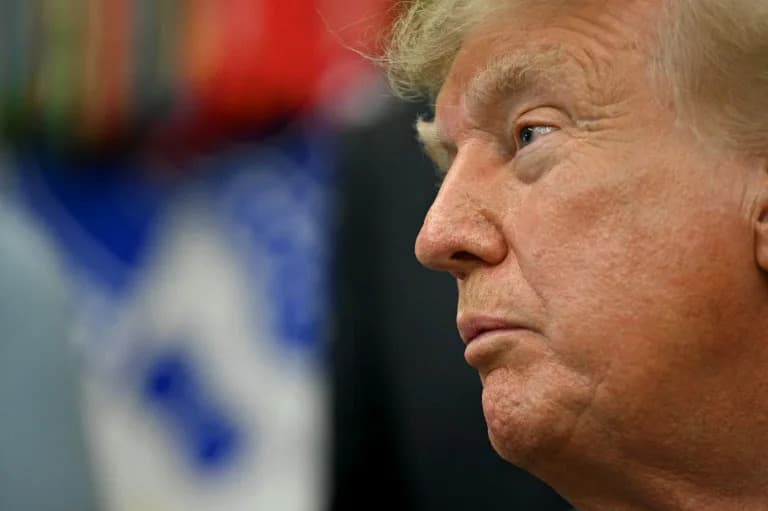
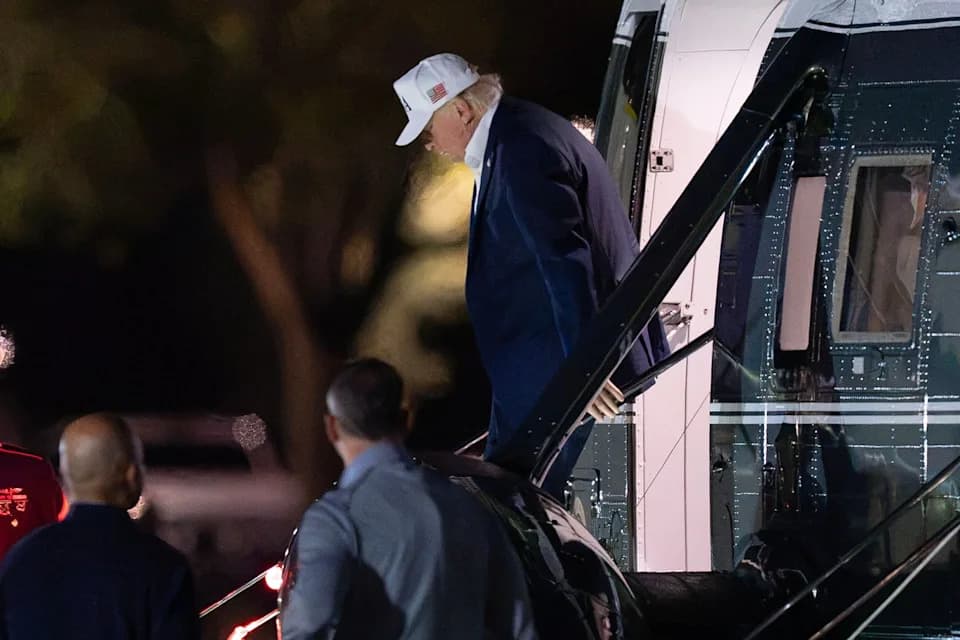
The Trump administration's third-country deportation drive has come under criticism from rights groups (Jim WATSON)
An investigation by Forbidden Stories and partner newsrooms found that the United States has quietly deported more than 25,000 people to third countries under confidential agreements negotiated since January 2025. These arrangements, signed with at least 35 countries, send migrants who have no clear ties to the receiving states and have raised legal and human-rights concerns.
Scope And Numbers
According to data compiled by Forbidden Stories and an international consortium of journalists, at least 25,447 people had been transferred to third countries by August 31, 2026. The vast majority—about 20,000—were sent to Mexico; the remainder were dispersed among 27 other countries across Latin America, Africa and the Pacific, and agreements had been finalised with seven more nations.
How The Deals Work
The deals vary in their terms: some specify which nationalities may be sent, others dictate whether people with criminal records are accepted, and some involve direct payments to governments while others route funds through international organisations.
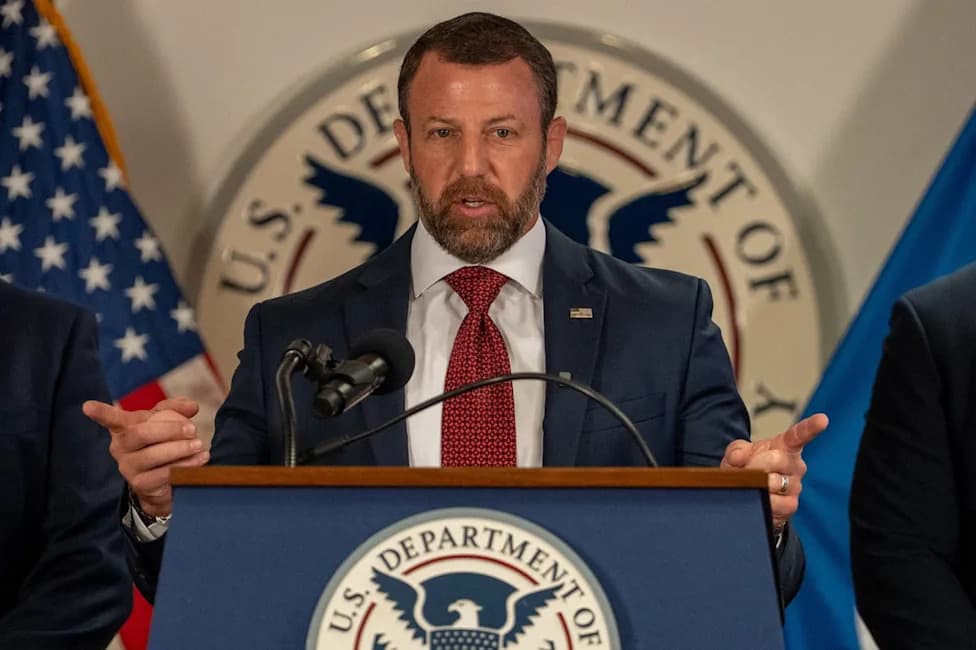
Forbidden Stories reported that a little-known State Department unit, the Office of Remigration—created in May 2025—has managed most negotiations and payments. The office is led by Christian Jove Ehrhardt, a 41-year-old diplomat who previously worked as a security officer.
Examples Of Agreements And Payments
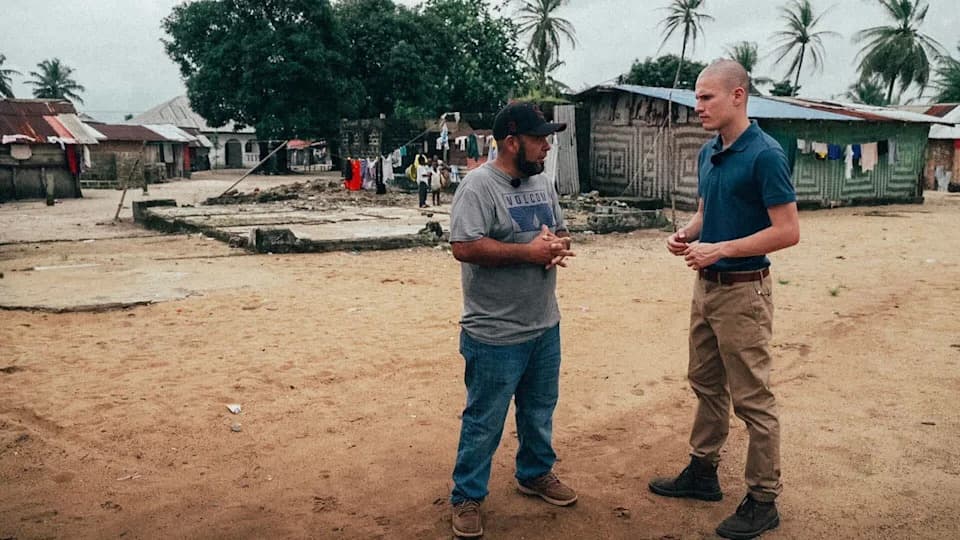
The investigation details a range of deals and financial incentives. In December 2025, Palau agreed to accept up to 75 third-country nationals in exchange for $7.5 million; so far only three people have been transferred under that deal. In Eswatini, 32 people arrived since July 2025 under a pact worth more than $5 million that can cover up to 160 people; that arrangement reportedly accepted some deportees with criminal records.
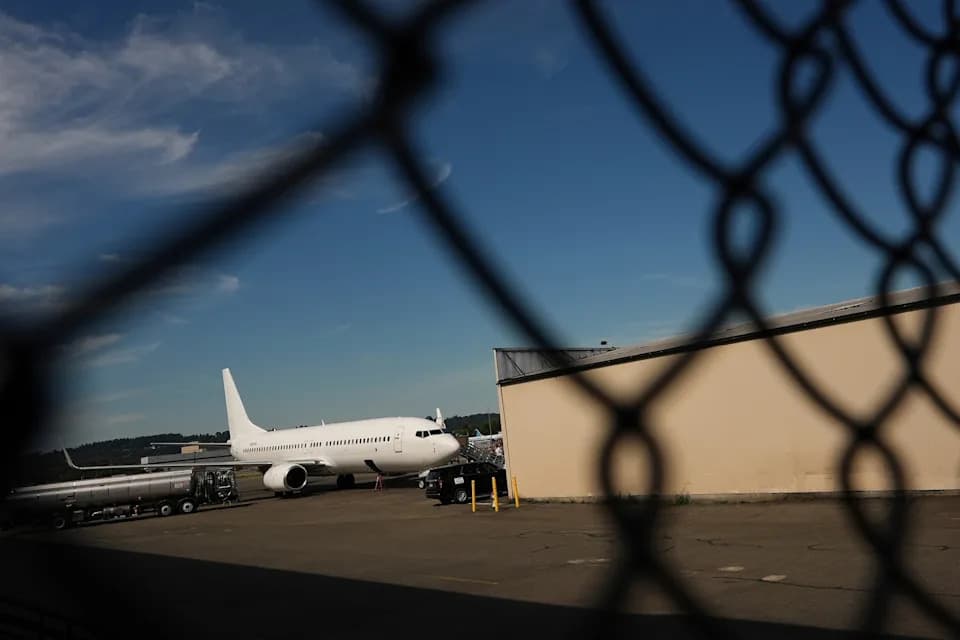
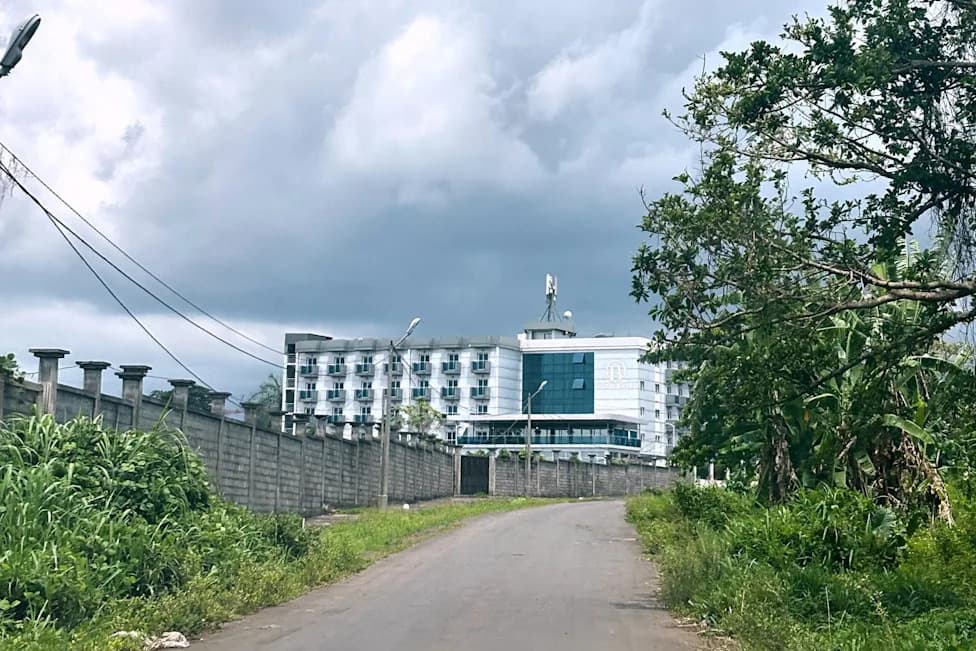
The report describes negotiations with Cameroon, where a memorandum of understanding to accept deportees was signed in December; within a week Cameroon also agreed to a five-year health-assistance programme worth nearly $400 million. The first plane carrying deportees arrived in Cameroon on January 14.
Funding Breakdown
Forbidden Stories says Washington has earmarked roughly $410 million to support these returns, with internal State Department records showing $81 million earmarked for signatory governments. The remainder was intended to flow to aid organisations — including amounts reported as more than $178 million for the International Organization for Migration (IOM) and $123 million for the UN Refugee Agency (UNHCR).
Reactions And Legal Concerns
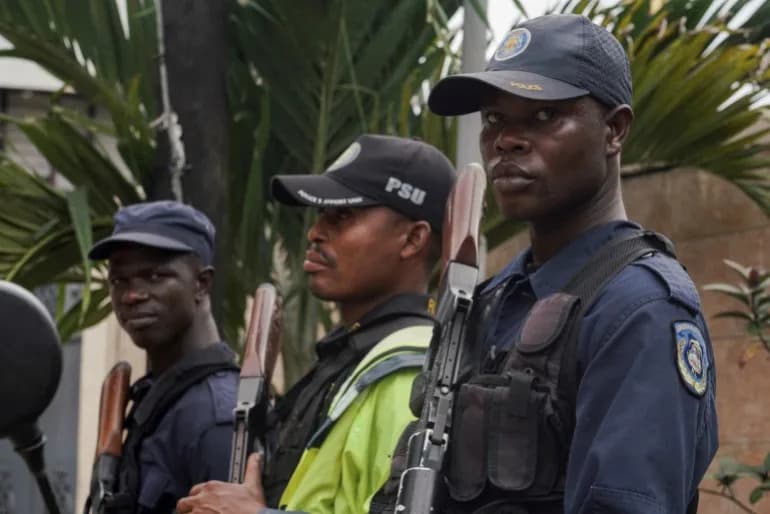
Human-rights lawyers and advocacy groups warn the practice can leave deportees in a "legal black hole," held in states where they have no ties and limited legal protections. An earlier AFP investigation also reported that the US used visa restrictions and other pressures on some African governments to persuade them to accept deportees.
Both UNHCR and IOM have defended their involvement. UNHCR told Forbidden Stories it was not a party to bilateral government-to-government agreements and said US funding is being used to strengthen asylum systems in line with its mandate. An IOM spokesperson said the agency accepts funding only when engagement will materially improve the lives of affected migrants.
What This Means
Experts say the deals raise complex legal and ethical questions about responsibility, due process and the protection of migrants. With dozens of countries approached and millions of dollars allocated, the investigation highlights a significant shift in how the US manages migration by relying on third-country returns.
Note: All figures and descriptions here are drawn from the Forbidden Stories investigation and reporting by partner newsrooms, as summarised publicly through August 31, 2026.
Help us improve.