Extreme weather — heat waves, wildfires, storms and floods — is increasingly disrupting schools across the U.S., causing closures and lost instructional time. Research shows missed days and overheated classrooms reduce learning, while HVAC upgrades yield better attendance and modest test-score gains. Many school buildings are aging and upgrades are costly; low-income students and students of color are disproportionately affected. Solutions include HVAC retrofits, geothermal systems and federal incentives to help districts adapt.
Extreme Weather Is Keeping Kids Out of Class: How Heat, Fires and Floods Are Disrupting Schools
A five-word directive in Maine last year — the 'Temperature Standards for School Buildings' law — signals a larger shift in how extreme weather is reshaping the school day. The statute requires districts to set minimum and maximum operating temperatures for school facilities, a practical response to classrooms that have grown dangerously hot or cold.
Nationwide Disruptions
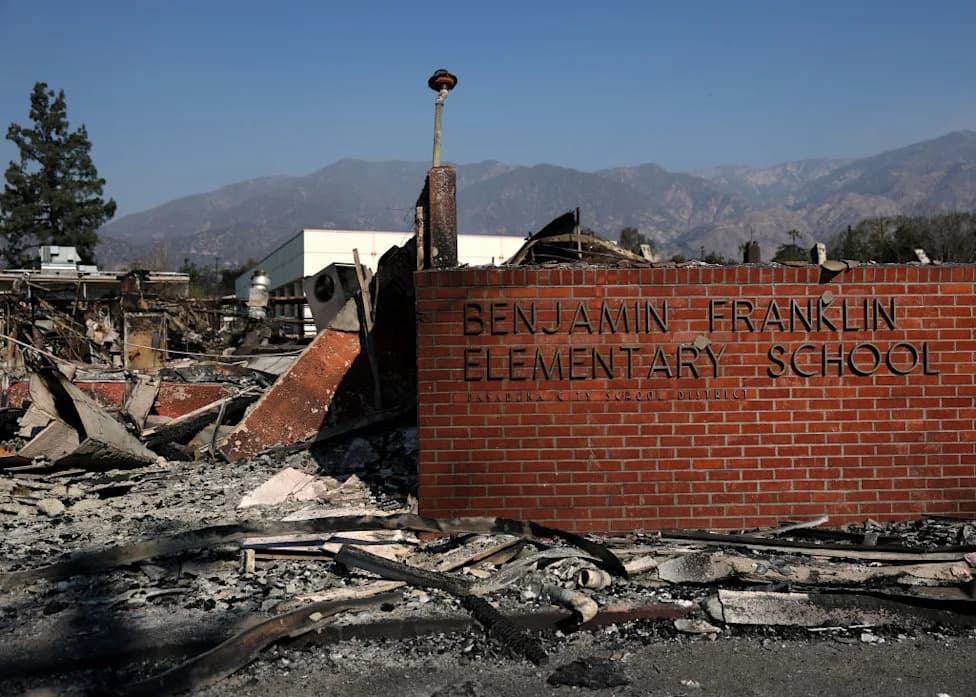
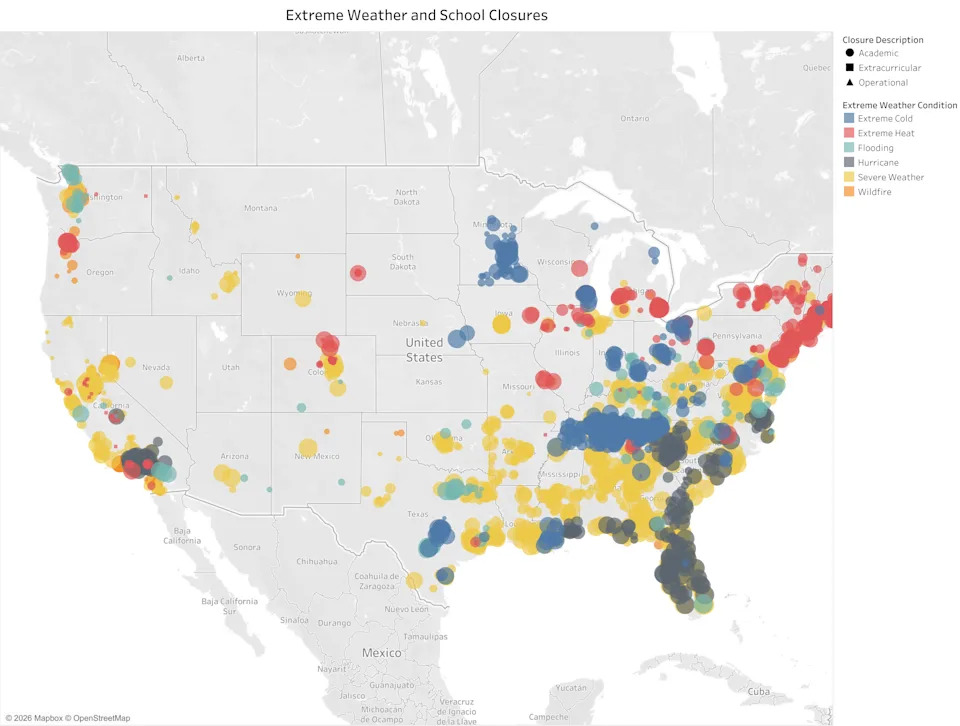
Maine's experience is far from unique. Tracking by the nonprofit UndauntedK12 shows that since the 2020–21 school year, weather-related closures have affected schools in all but two U.S. states. The organization estimates that extreme weather disrupted instruction for roughly 9 million students across 10,000 schools during 2024–25. In California alone, that translated to about a half-million lost instructional hours last school year.
As of Sept. 2, before some districts had even begun classes, at least 30 weather-related closures or disruptions were recorded across 14 states — incidents ranging from floods in Indiana to wildfire smoke in California and storm-induced power outages in Tennessee. Those events compound an ongoing chronic-absence problem: more than one in five students now miss 18 or more school days per year, the common threshold for chronic absenteeism.
Evidence On Learning Loss
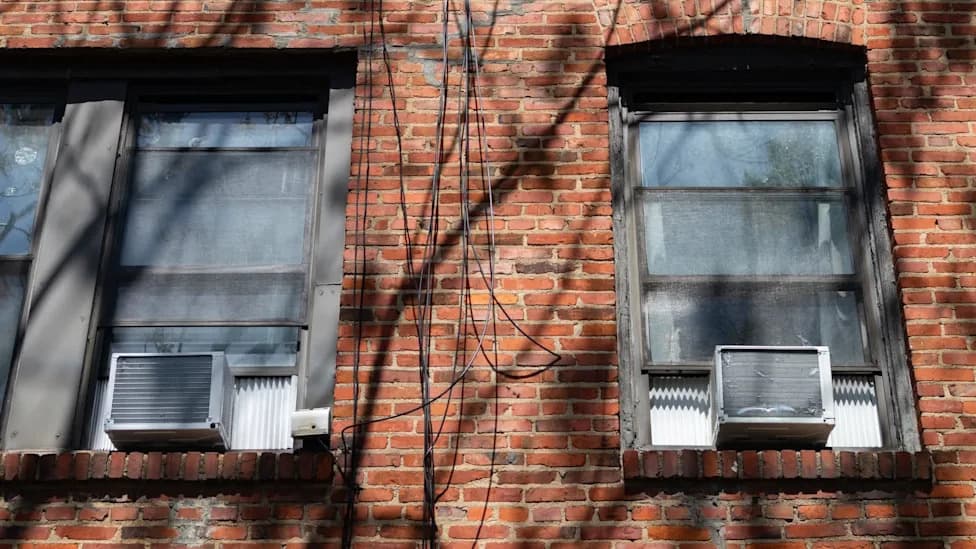
Weather-related closures and overheated classrooms both undermine learning. A 2024 report from NWEA found that missing one week of school can compound learning loss for up to three weeks. Research from the UCLA Luskin Center for Innovation indicates that in schools without air conditioning, each 1° rise in indoor temperature can reduce student learning by about 1%.
Longitudinal research in New York state supports the benefits of better building systems. Lucy Sorensen and colleagues tracked roughly 3,000 schools over 14 years and found that HVAC improvements were associated with higher attendance, fewer suspensions and modest increases in math and reading scores.
Infrastructure, Cost And Equity
Upgrading school buildings is expensive and urgent. The average U.S. public school building is 49 years old, and more than half require significant repairs. The American Society of Civil Engineers has given school infrastructure a D+ for multiple years. A 2021 estimate put the number of schools still lacking air conditioning at about 13,700, with an estimated retrofit cost near $40 billion.
These infrastructure gaps fall hardest on students from low-income families and students of color. Outside New York City, about 18% of Black or Hispanic students attend schools with inadequate ventilation, compared with 13% of White or Asian students. A follow-up paper coauthored by Sorensen found that schools serving higher proportions of students of color are significantly more likely to suffer from poor conditions, inadequate ventilation and mold exposure — all factors that hinder learning.
Source: UndauntedK12
Local Examples Illustrate The Problem
Ann Arbor, Michigan: In a district serving more than 16,000 students across 32 schools, the average building age is about 70 years, and top floors have reached temperatures above 90° during heat waves. The district also closed schools during an intense winter polar vortex, showing growing weather extremes.
Philadelphia: Before the pandemic, more than half of the city's 218 schools lacked air conditioning. City leaders used COVID-relief funds and private donations to begin retrofits, but four years later more than 50 schools still lack AC; recently 52 schools closed early because classrooms became too hot.
California: Nearly 20% of a $1 billion fund for school HVAC and plumbing repairs went unspent and will be returned to utility companies. Over 4,500 schools used the fund for assessments, but only 172 completed significant upgrades with that money.
Who Is Most Affected?
When the Los Angeles wildfires disrupted schooling for more than 700,000 students in 2025, the affected population was disproportionately vulnerable: 75% were socioeconomically disadvantaged, 60% Latino, and 40% multilingual learners. The UCLA Luskin Center estimates that excessively hot classrooms may explain up to 5% of the racial achievement gap between Black students and White peers — a gap that largely disappears in schools with air conditioning.
Solutions and What Districts Are Trying
Nonprofits and researchers are promoting short- and long-term strategies. Short-term measures include emergency closures, improved scheduling, and temporary cooling centers. Longer-term investments include HVAC retrofits, ground-source (geothermal) heat pumps and leveraging federal energy tax credits to offset costs.
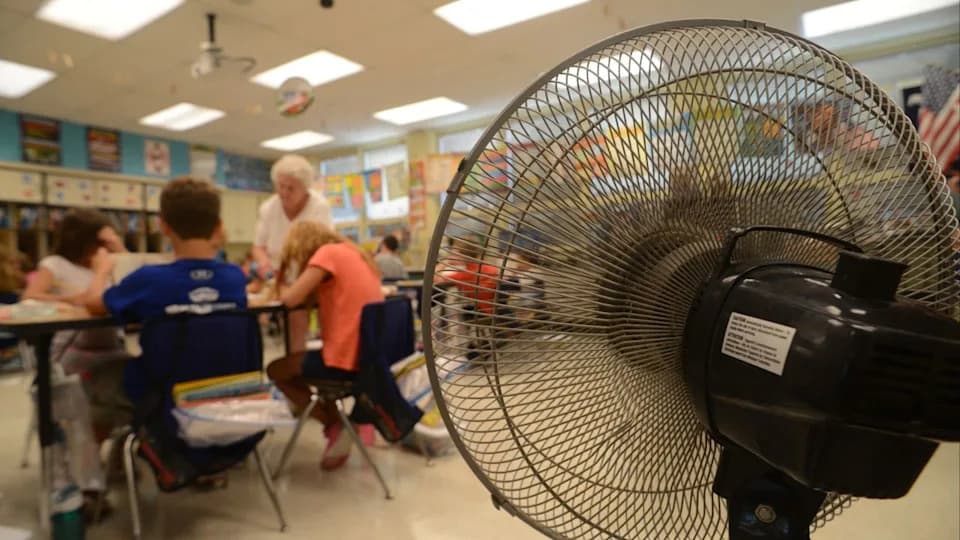
In Maine, two new elementary schools scheduled to open in 2028 will use geothermal heat pumps. Meanwhile, districts improvise: one superintendent set temperature action thresholds using Occupational Safety and Health Administration guidance (action below 40° or above 99°). The district has also used industrial fans overnight to try to lower building temperatures, but those efforts provide limited relief once buildings heat up.
'In the first week, it's very challenging for educators to do academics,' said Jeremy Ray, superintendent of the Biddeford and Dayton districts in Maine, describing classrooms that climbed to 96° in past years.
Addressing aging school infrastructure will require targeted funding, policy attention and an equity lens to ensure the students most affected by climate-driven disruptions receive timely fixes.
Help us improve.