Illinois has reworked its central clean-energy training program, launched in 2023, to make job preparation more adaptable to changing markets and federal policies. The August curriculum update adopts a five-pathway "career cluster" model—Construction, Manufacturing, Utilities, Professional Services, and Installation/Maintenance/Repair—and stresses apprenticeships and transferable competencies. Researchers say the shift will help workers move between sectors such as solar, data centers, and building electrification amid policy uncertainty. Near-term demand looks strongest for construction laborers, power-line installers, electricians and HVAC technicians.
Illinois Revamps Clean-Energy Job Training With Career-Cluster Approach
Illinois revamps clean energy jobs training for a shifting economy
Illinois is reshaping its flagship clean-energy workforce program to better prepare workers for a shifting labor market and uncertain federal policy landscape. First launched in 2023, the program has already trained hundreds through state-funded hubs that pay participants to learn job-search skills and hands-on trades tied to the clean-energy transition.
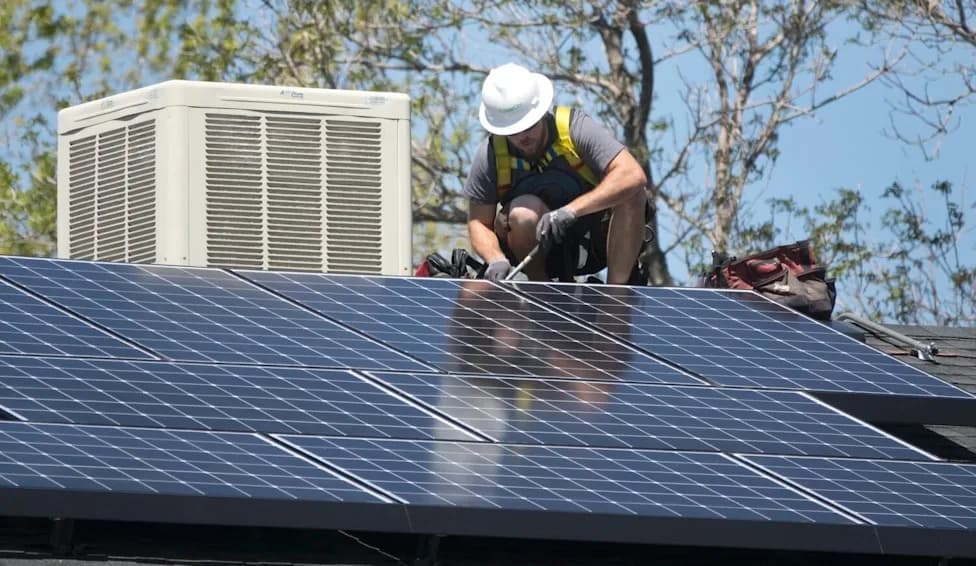
Beginning in 2023, about a dozen state-supported training hubs prioritized people from marginalized communities and regions affected by fossil-fuel pollution or job losses in fossil-fuel industries. The initiative paired basic job-readiness education with trade-focused training for roles ranging from manufacturing electric-vehicle components to performing energy-efficiency audits on buildings. Early offerings emphasized solar installer training as state and federal incentives helped spur rapid growth in Illinois' solar sector.
Why The Curriculum Changed
Illinois law requires the curriculum be updated every three years. In August the state released a revamped framework designed to make training more resilient to market swings and policy changes. The new approach emphasizes portability: workers should be able to transfer skills across industries such as housing construction, data-center development, and energy efficiency projects.
A Career-Cluster Model
The updated curriculum adopts a "career cluster" model recommended by researchers at the University of Illinois' Climate Jobs Institute. Trainees now choose from five clusters: Construction; Manufacturing; Utilities; Professional Services; and Installation, Maintenance, and Repair. The framework also increases focus on apprenticeships and on cultivating transferable competencies such as logistics, supply-chain literacy, and broader trade skills that apply across multiple occupations.
"Workers who are interested in clean energy don't need to limit themselves to only working in clean energy," said Peter Fugiel, senior research specialist at the Climate Jobs Institute. "Learning a broader trade or set of technologies gives people more opportunities when policy or market conditions shift."
Preparing For Policy and Market Shifts
Advocates say the timing is important. Federal changes under the Trump administration — including shortened deadlines for some clean-energy tax credits and proposed tariffs or stricter supply-chain rules — could slow growth in sectors like solar and electric vehicles, which have benefitted from recent federal incentives. Though solar job postings in Illinois remained strong through 2025, researchers warn that evolving federal rules could damp construction activity and employment over time.
"The new curriculum is more generalized, less specialized, so it can be more resilient when big swings happen in the market," said Mary Kuhn of the Chicago Jobs Council.
Where Jobs Are Projected To Grow
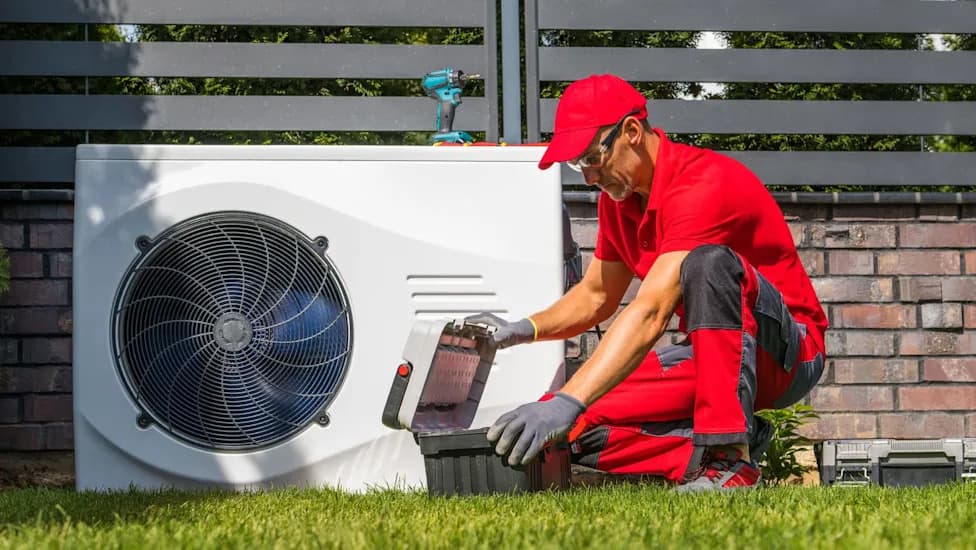
The Climate Jobs Institute's clean jobs inventory highlights near-term demand for occupations such as construction laborers, power-line installers, electricians, and HVAC technicians. Researchers expect these roles to grow partly because of continued building electrification, energy-efficiency retrofits, and a wave of data-center construction across the state. Illinois also passed a law last fall creating incentives for energy storage technologies, which could spur hiring in battery-related manufacturing and installation, though supply-chain rules and tariffs remain a potential constraint.
Linda Larsen, associate director of research at the Climate Jobs Institute, noted that sectors heavily dependent on federal subsidies may be more vulnerable to policy shifts, with electric-vehicle jobs singled out as an example. By contrast, perennial needs such as energy efficiency, component manufacturing, and HVAC work provide steady employment opportunities.
Long-Term Goal: A More Transferable Workforce
Proponents hope the broader, cluster-based training will help workers remain competitive no matter which clean-energy or adjacent industries expand. "I think of it like a garden: mix fast-growing annuals with hardy perennials," Fugiel said. "Solar and wind can grow quickly, but the steady, year-in-year-out jobs come from energy efficiency, component manufacturing, and building trades."
The revised program aims to combine rapid-entry opportunities with pathways to apprenticeships and certifications that can lead to long-term careers across multiple industries, giving trainees flexibility to navigate changing market and policy conditions.
Help us improve.