2025 was among the driest years on record: global terrestrial water storage fell about 42% below the long-term norm. Rivers experienced unusually low flows, and glaciers lost roughly 400 gigatons of ice, raising sea level by about 1.1 mm. The WMO warns climate-driven "weather whiplash" is intensifying swings between drought and flood; experts call for watershed protection, infrastructure upgrades and emissions cuts to boost resilience.
Global 'Water Savings Bank' Shrinks 42% — 2025 One Of The Driest Years On Record
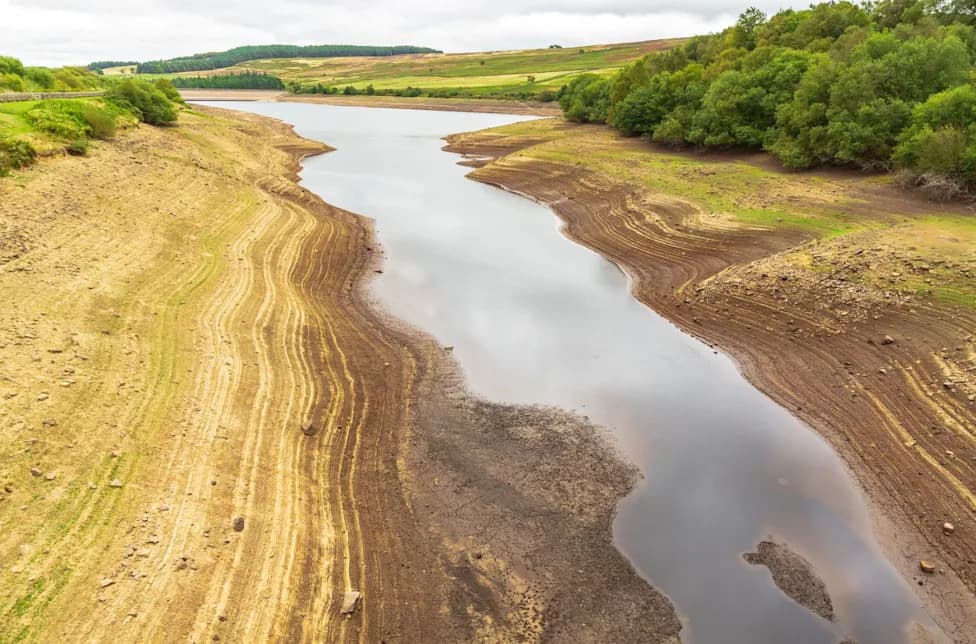
Photo Credit: iStock
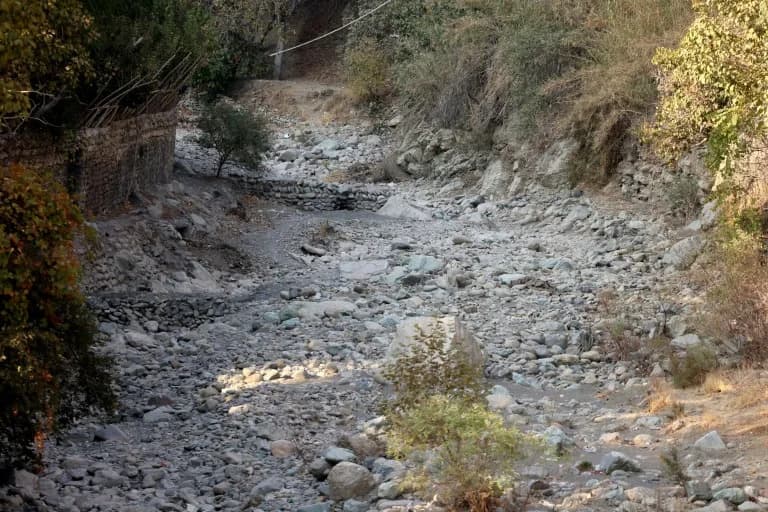
A major global assessment shows 2025 ranked among the driest years on record. The World Meteorological Organization (WMO) reported that global terrestrial water storage — the freshwater held in soils, lakes, groundwater, snow, ice and vegetation — fell about 42% below the long-term norm, putting growing pressure on water supplies, agriculture and ecosystems worldwide.
The WMO review combined observed weather data with 13 global hydrological models to map changes across river basins. The analysis found that only about a third of rivers remained within normal flow ranges in 2025. Approximately 36% of river-basin area experienced below- or well-below-normal flows, while 21% saw above- or much-above-normal flows, highlighting extreme regional imbalances.
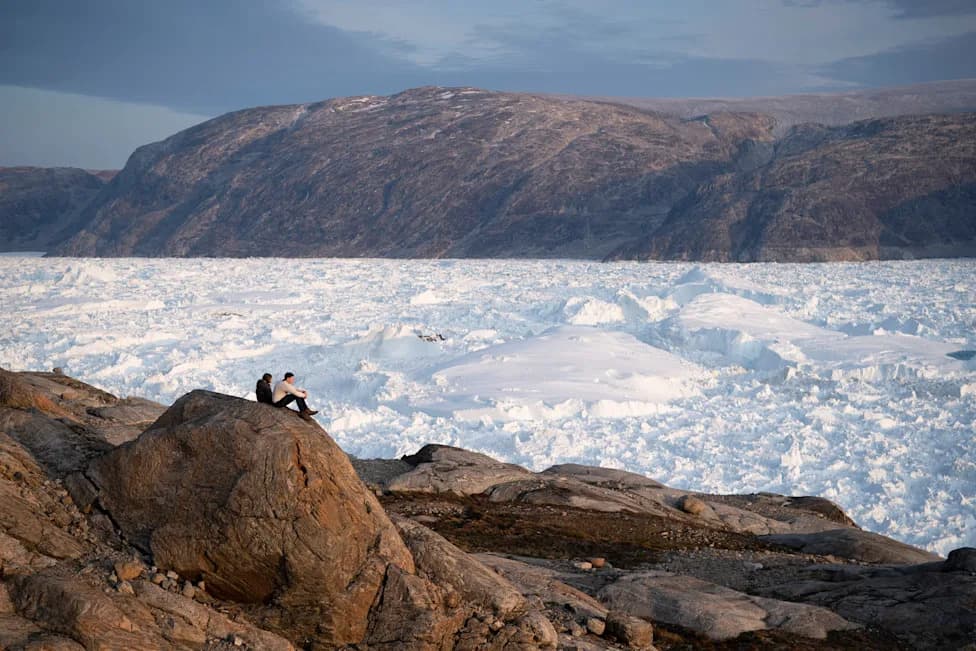
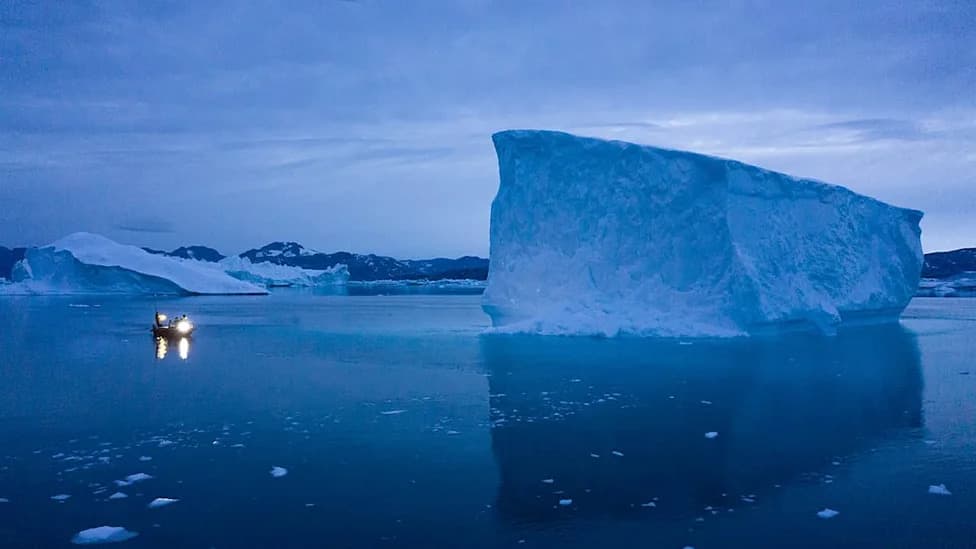
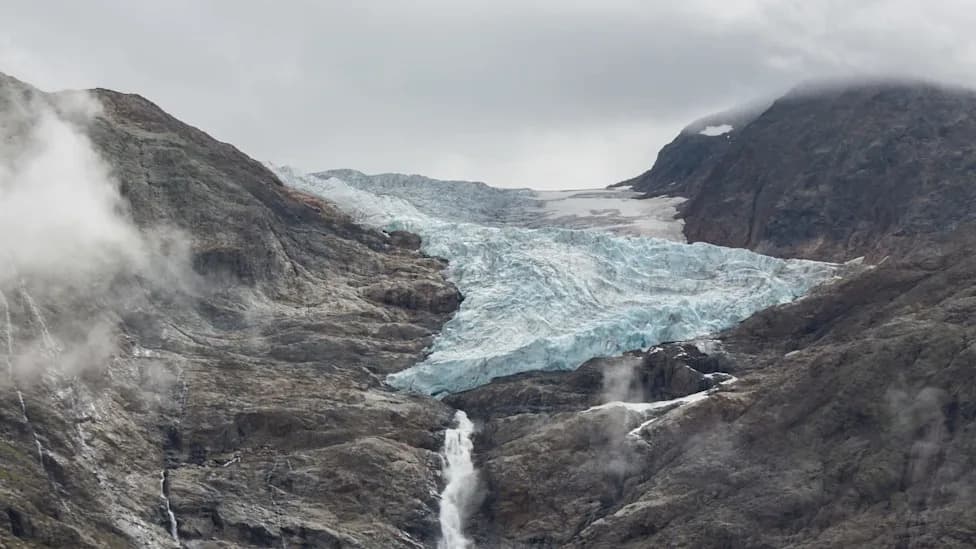
Glacier losses reinforced the trend. All 19 of the world’s major glacial regions lost ice for a fourth consecutive year. In 2025, glaciers shed roughly 441 billion U.S. tons (400 gigatons) of ice — enough to raise global sea levels by about 0.04 inches (1.1 millimeters).
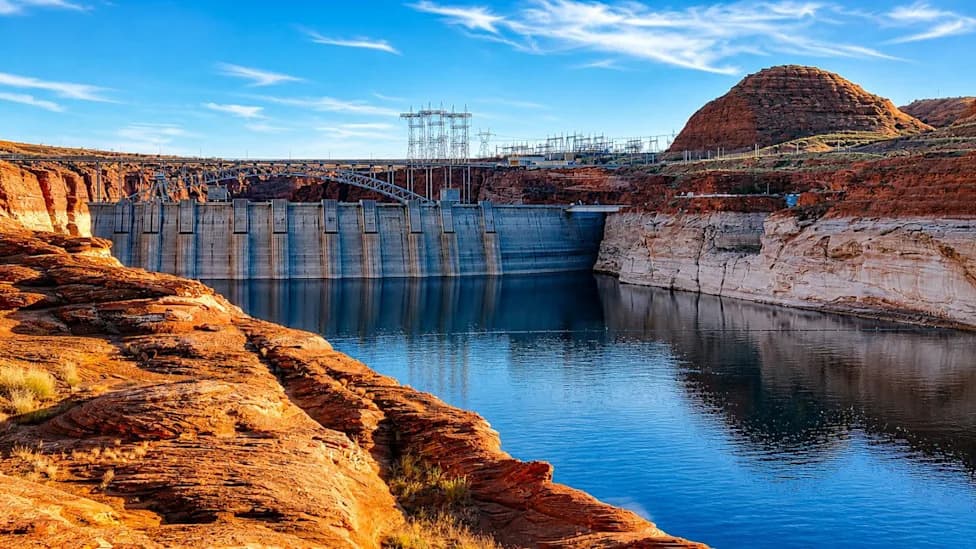
Water stored underground, in snowpacks, lakes and soil acts as a critical buffer during dry spells. When those buffers shrink, communities lose protection against droughts and other shocks, increasing risks to drinking-water supplies, agriculture, and hydropower. At the same time, intensified extremes — from prolonged droughts to sudden flash floods — threaten lives, infrastructure and local economies.
Why This Matters
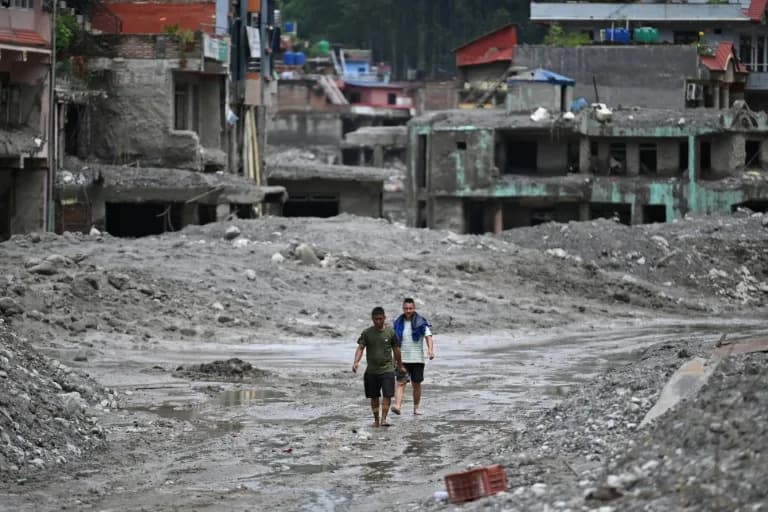
The WMO says the climate crisis is making the global water cycle more erratic, intensifying rapid swings between wet and dry conditions often described as "weather whiplash." These rapid shifts can leave one region facing dangerous shortages while another copes with destructive flooding, compounding public-health, food-security and economic challenges.
Impacts And Responses
Severe droughts can devastate crops, drive up food prices, worsen air quality through wildfire smoke, and strain water systems. Floods and flash floods can destroy homes and critical infrastructure, spread contamination and disrupt businesses. The report calls for a mix of policy and practical measures to reduce risk and build resilience.
- Priority actions: Protect and restore watersheds and wetlands, modernize water infrastructure, and improve irrigation efficiency.
- Climate action: Cut planet-warming emissions to reduce the intensity and frequency of heat, drought and extreme rainfall events.
- Local preparedness: Update drought plans, strengthen flood defenses, adopt water-use policies that reflect variability, and encourage household measures such as conservation and drought-tolerant landscaping.
Celeste Saulo, Secretary‑General of the World Meteorological Organization: "We are depleting that savings account. Global terrestrial water storage has shown a declining trend since 2014–16 — a persistent, decade-long signal."
As freshwater buffers shrink and extremes grow, the report underscores that immediate action on both local water management and global emissions is needed to protect communities and economies from worsening water stress.
Help us improve.