The Investigatory Powers Tribunal heard on 17 September 2026 a challenge to the UK government’s refusal to confirm or deny a Technical Capability Notice allegedly served on Apple in January 2025 targeting Advanced Data Protection. Civil liberties lawyers told the tribunal that NCND is "farcical" once a notice’s existence is already public; the government says secrecy remains essential. Apple disabled ADP in the UK rather than weaken its encryption, and a second, narrower TCN was reportedly issued in October 2025. The IPT’s ruling may set a new precedent for disclosure of surveillance orders.
UK Tribunal Slams Government Secrecy Over Alleged Apple iCloud Backdoor

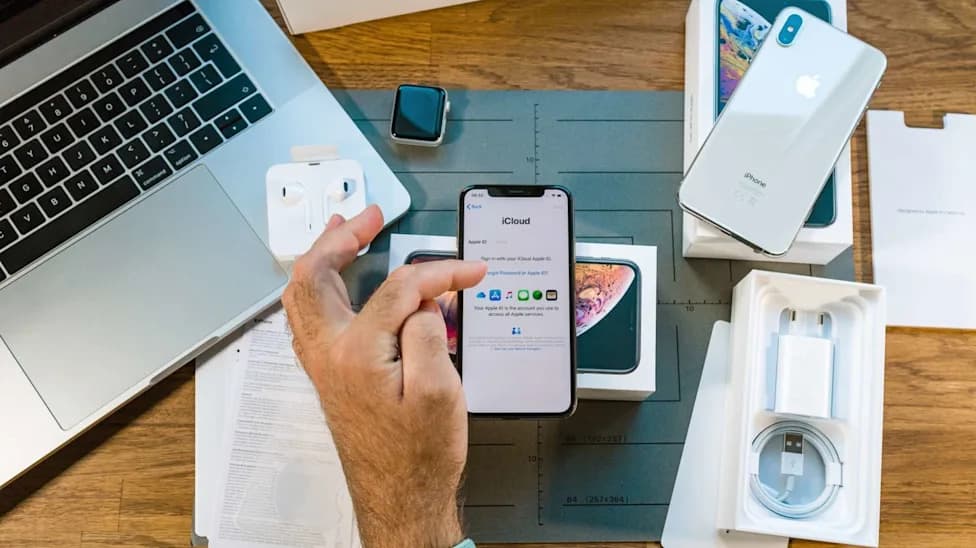
Image: Deposit Photos | Gadget Review
A barrister for two major civil liberties groups told the Investigatory Powers Tribunal in London on 17 September 2026 that the UK government’s refusal to confirm or deny whether it ordered Apple to undermine its encryption was "farcical" and "logically unsustainable." The hearing centers on whether the government can keep a Technical Capability Notice (TCN) secret once its existence has become widely known.
What Is A TCN And What Was Allegedly Sought
A Technical Capability Notice (TCN) is a binding order under the Investigatory Powers Act that can compel a company to build or retain the means to provide data to UK authorities. Court papers and reporting indicate the Home Office served Apple with a TCN in January 2025. That original notice reportedly sought access to encrypted iCloud backups worldwide by targeting Apple’s Advanced Data Protection (ADP), an opt-in end-to-end encryption feature that even Apple cannot read.
Apple’s Response
Apple declined to weaken ADP. Instead, the company made the feature impossible to enable in the UK — effectively reducing the security available to British customers rather than modifying the underlying encryption for all users. In October 2025 the Home Office reportedly issued a second, narrower TCN focused on encrypted backups belonging to UK users. Apple has challenged both notices before the IPT.
Public Disclosure And The NCND Debate
The January 2025 TCN first surfaced in a leak to the Washington Post; Home Office sources then confirmed the report to The Times. That disclosure underpins civil liberties lawyers’ argument that the government’s "neither confirm nor deny" (NCND) posture can no longer be justified. Ben Jaffey KC, representing Liberty and Privacy International, noted at the hearing that Apple reportedly sought and received permission to discuss the matter with the US government — a detail he says signals a constraining notice exists.
Investigatory Powers Commissioner Sir Brian Leveson has urged that "lawful access can be achieved in a way that strikes a balance between maintaining strong encryption and ensuring law enforcement and the government can protect the public from terrorism, serious crime, and hostile state activity." Civil liberties groups say that comment implicitly assumes such notices exist.
Government Position And Potential Consequences
The Home Office maintains that an NCND approach remains rational and necessary, arguing that confirming a TCN in a high-profile case would undermine secrecy across its surveillance toolkit and could help criminals or hostile actors infer which services are subject to compelled access. Jaffey countered that NCND reaches a tipping point: when the information being shielded is already public, continuing to refuse confirmation or denial becomes untenable.
The IPT’s eventual ruling could reshape how TCNs and similar compelled-access orders are handled in future high-profile disputes. For now, the practical effect for UK iCloud users is unchanged: Advanced Data Protection remains blocked in the UK while legal proceedings continue.
Help us improve.