A viral first-person video shows firefighter Cole Christensen stopping a spot fire without water by using what he calls a "dry mop" to pull burning fuels away from unburned areas. The clip highlights how PPE and quick, hands-on tactics let crews create breaks and cut hand lines before flames escalate. It underscores the rapid danger ember spotting poses and offers practical steps residents can take to reduce wildfire risk.
Firefighter Uses a 'Dry Mop' to Stop a Spot Fire Without Water — Viral First-Person Video
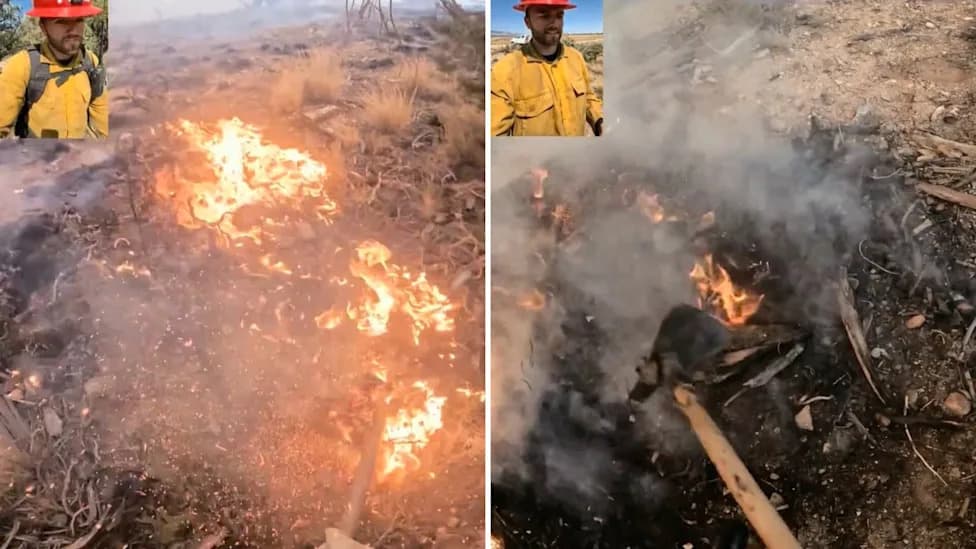
Photo Credit: TikTok
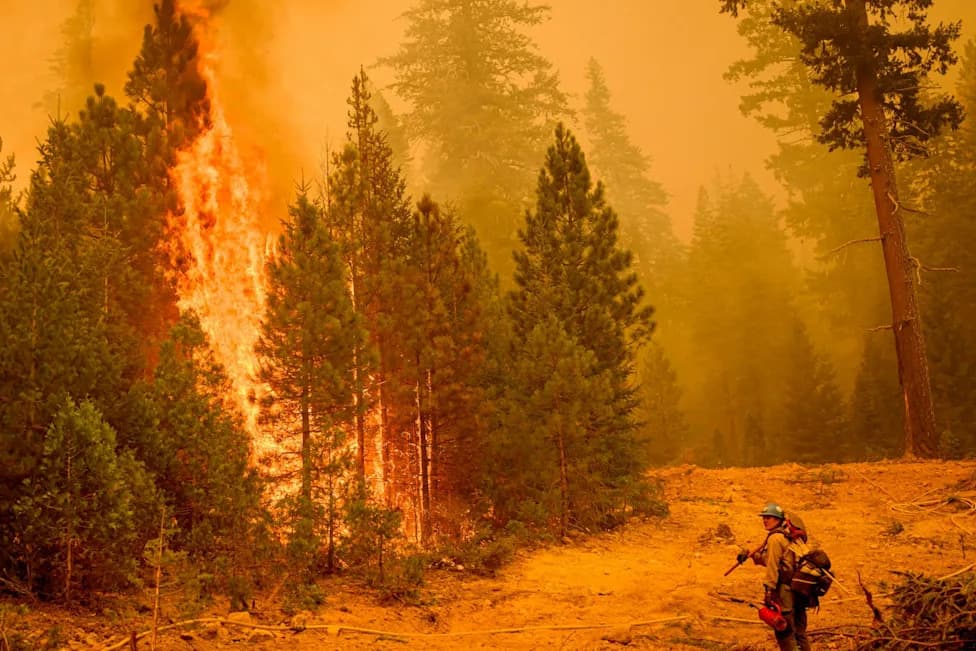
A viral first-person video shows firefighter Cole Christensen tackling a spot fire when no water was immediately available. The clip captures the tense, hands-on work crews sometimes must do to prevent a small flare-up from becoming a much larger blaze.
Improvised Tactics: In the footage Christensen describes his tool as "just a little dry mop." In a voiceover he explains that he pulled burning material away from unburned patches to create a temporary break, stopping the flame from spreading while conditions were still manageable.
"I started pulling burning fuels away from unburned ones to make a break and keep the fire from spreading," Christensen says, noting the risk that nearby branches could ignite, torch a tree and loft embers farther away.
Close Work, Protective Gear: The video also highlights how close crews sometimes must operate to active flames. Christensen points out that personal protective equipment (PPE) lets firefighters stay near heat long enough to cut hand lines, separate fuels and create a defensible space as temperatures and fire behavior intensify.
Why Spot Fires Matter
Spot fires can escalate rapidly: embers can ignite grasses, shrubs or tree canopies, sending flames and embers farther from the original blaze. Even a small flare-up becomes harder to contain once it reaches heavier surface fuels or tree crowns.
Practical Steps For Residents
The same logic firefighters use applies to homeowners in fire-prone areas. Clear dry vegetation near structures, keep roofs and gutters free of debris, follow local fire restrictions, and have an evacuation plan ready before conditions worsen. Neighborhood mitigation, local preparedness resources and donations to organizations working on fire risk reduction can also boost community resilience.
Bottom Line: When water isn't available, separating burning material from what can catch next — even by hand — is a vital, time-sensitive tactic. The video is a stark reminder of both the physical demands of wildfire response and the importance of preparedness.
Help us improve.