U.S. Forest Service research highlighted by Ross Reid shows most wildfires ignite near roads—typically within 164 feet (50 meters). Reid argues this finding challenges proposals to open more forest roads, noting that roads increase human presence and thus ignition risk. He urges protection of roadless areas, evidence-based policy, and practical precautions—like fully extinguishing campfires—to reduce wildfire starts.
Most Wildfires Ignite Within 164 Feet of Roads — Study Challenges Push To Open More Forests
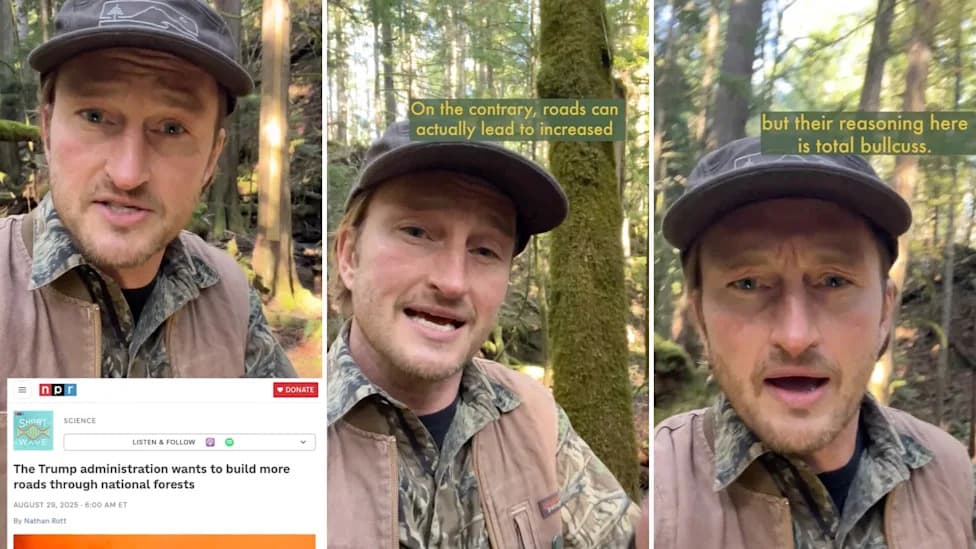
Photo Credit: TikTok
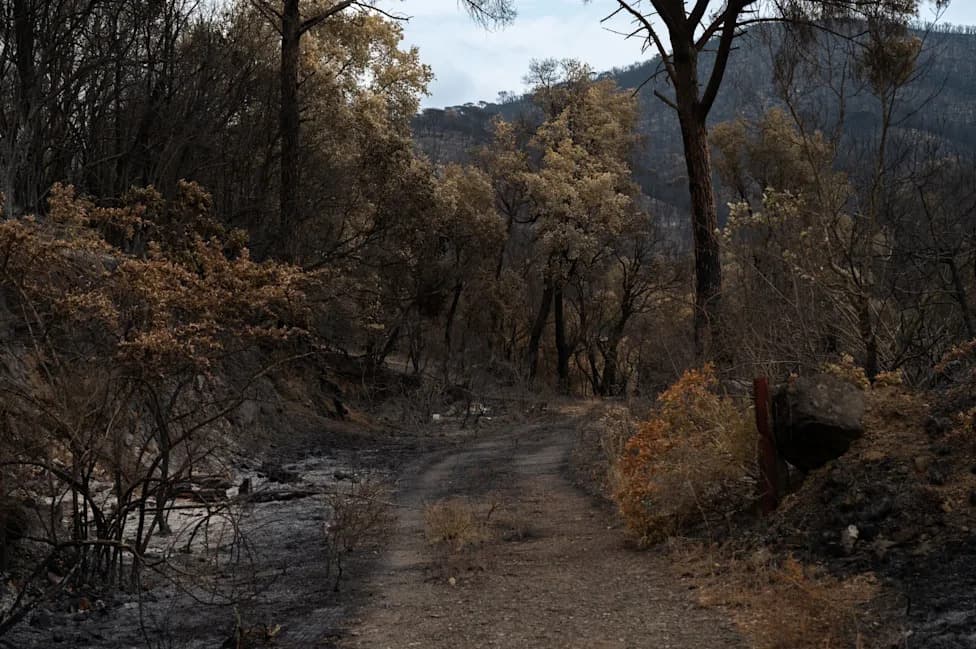
A U.S. Forest Service study highlighted by science communicator Ross Reid finds a strong link between roads and wildfire ignitions: most fires begin within about 164 feet (50 meters) of a roadway. Reid shared the finding in a social media post and argued it undercuts claims that building more roads into forests will meaningfully improve fire prevention or response.
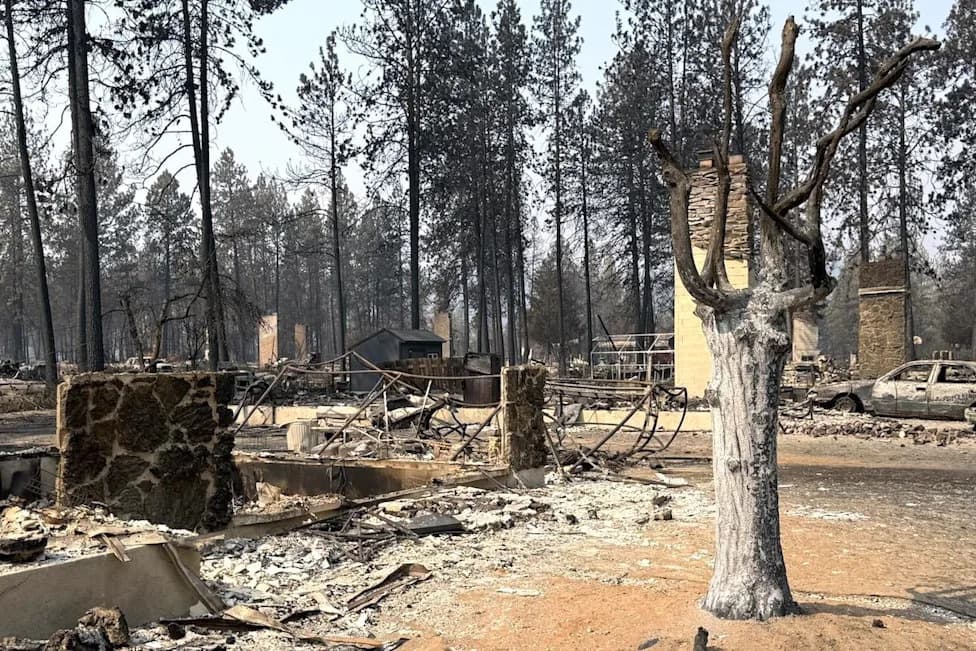
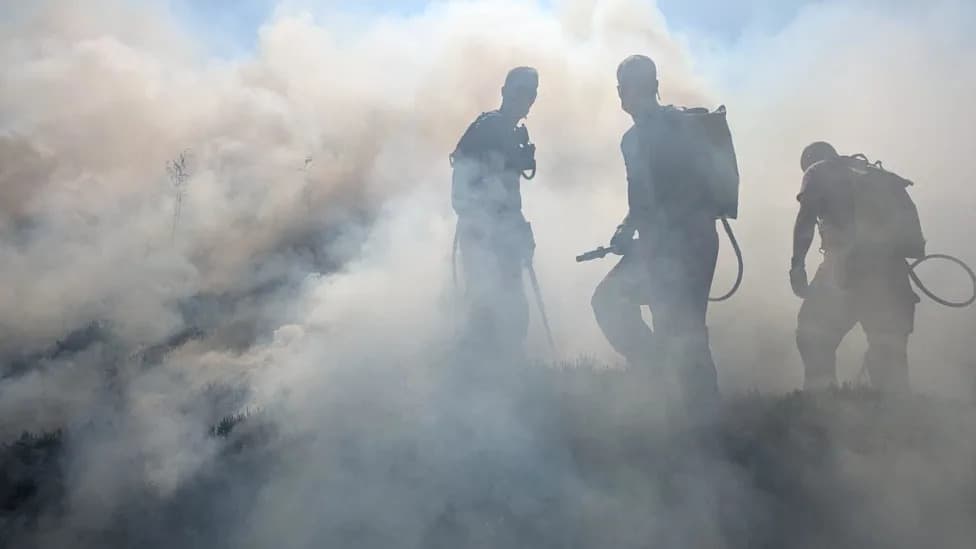
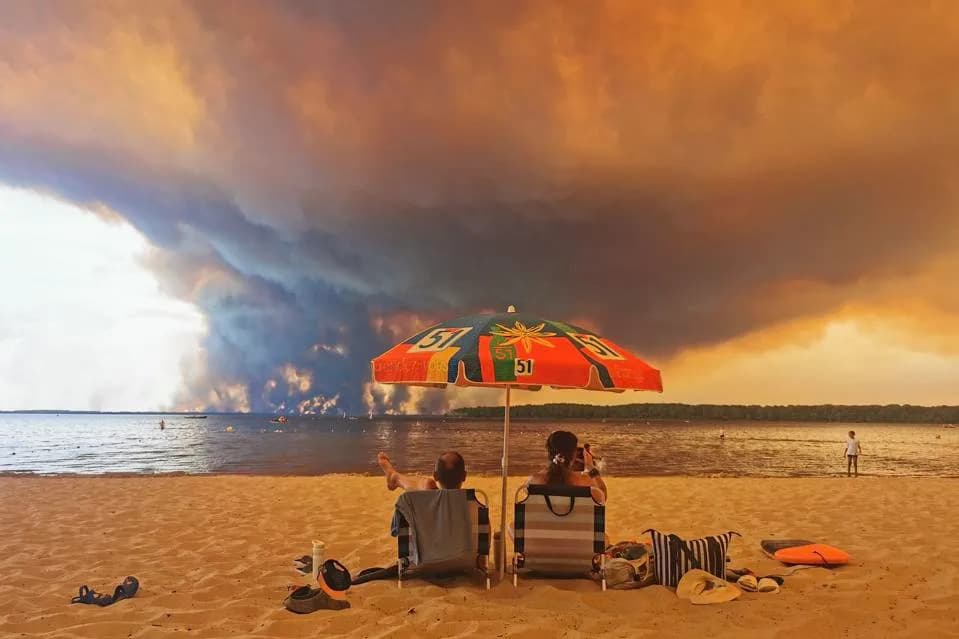
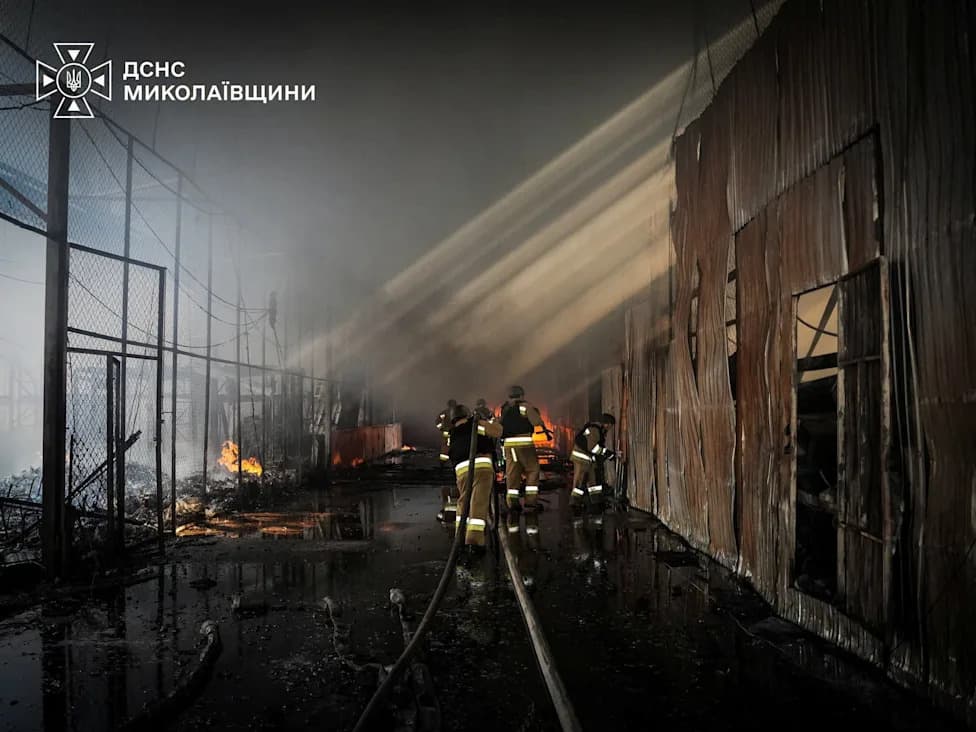
According to the research cited, many roadside ignitions are small initially, but during an active fire season their cumulative volume can overwhelm crews. When numerous small starts occur, a portion can escape initial containment and grow into the large, destructive blazes that threaten communities and make national headlines.
Why Roads Matter
Reid and others point to a simple mechanism: roads bring people, and people are the leading cause of wildfires in many regions. Reid summarized this by saying that roughly "9 out of 10 wildfires are caused by people," a figure he uses to emphasize how increased access can raise ignition risk through discarded cigarettes, hot vehicle parts contacting dry grass, escaped campfires, and other human activities.
At the same time, Reid notes that some Forest Service research finds roads make "very little to no difference at all" for reaching many areas identified for certain fire-prevention treatments—calling into question the idea that cutting additional roads will substantially improve treatment access or reduce overall risk.
Broader Context
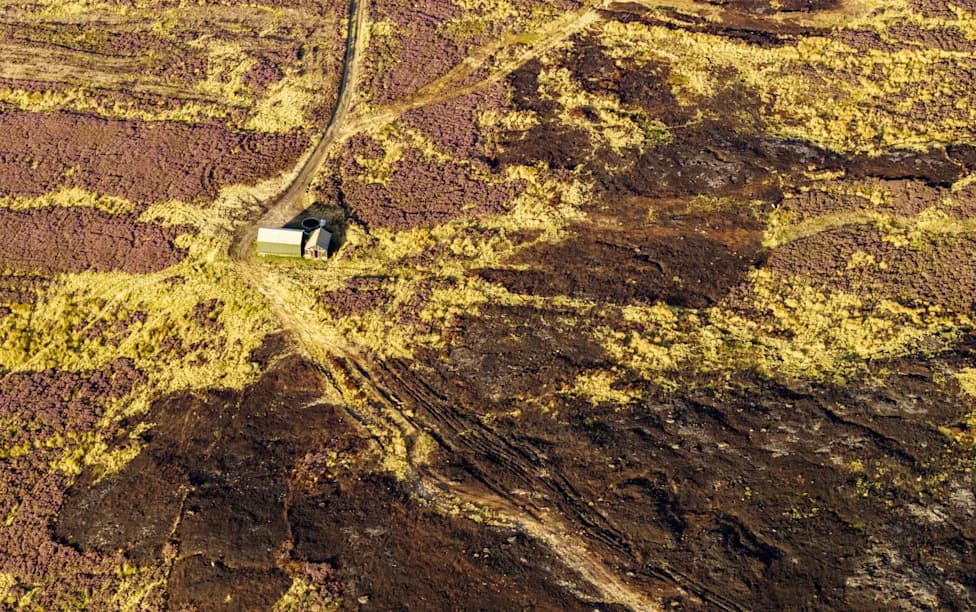
Beyond immediate ignitions, intact, roadless forests provide long-term benefits: they store carbon, protect wildlife habitat, and limit fragmentation and other ecological harms. Decisions that open previously inaccessible forest areas can produce lasting environmental and social costs.
"Instead of stoking wildfire fear misinformation and creating more problems, it's time we listen to what the best research by the brightest minds on earth tells us about this terrifying reality we face," Reid said.
Many commenters on Reid's post echoed his call for evidence-based policy. Supporters urge defenders of the roadless rule to press policymakers to adopt measures that reduce ignition risk and rely on peer-reviewed science.
Practical Steps and Policy Choices
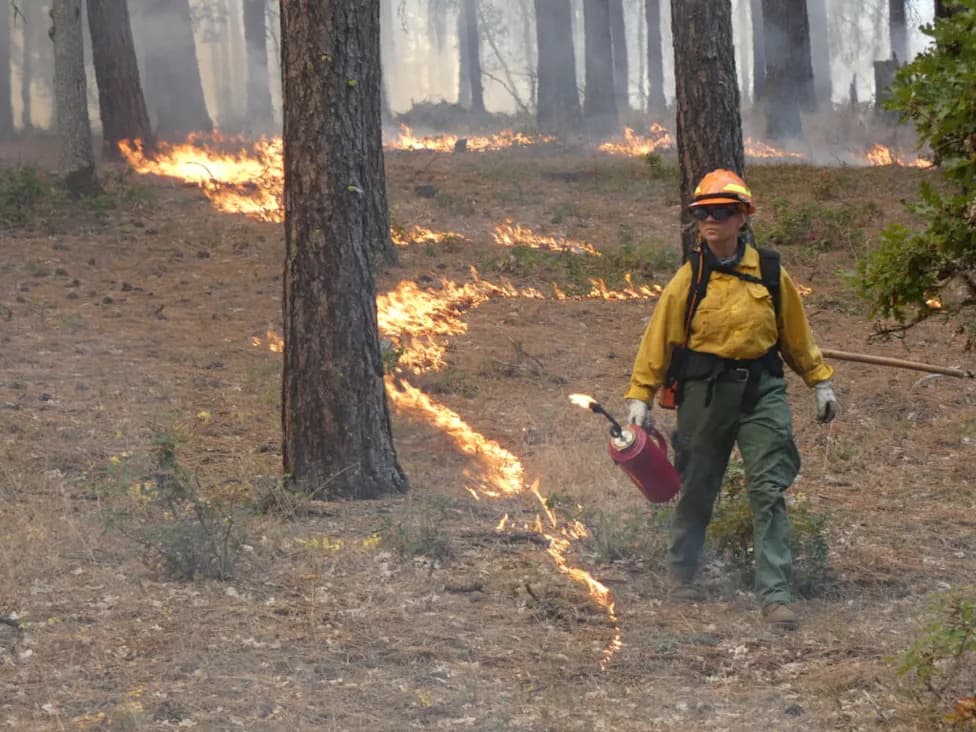
Individuals can help lower ignition risk when visiting wildlands: fully extinguish campfires, avoid driving or parking hot vehicles over dry grass, and never toss cigarettes from a car. At the policy level, debates over forest access—the roadless rule, logging and drilling access, and where to prioritize fuel treatments—remain central to wildfire management across the Western U.S.
- Roadside ignitions are often small but can accumulate and overwhelm response capacity during peak seasons.
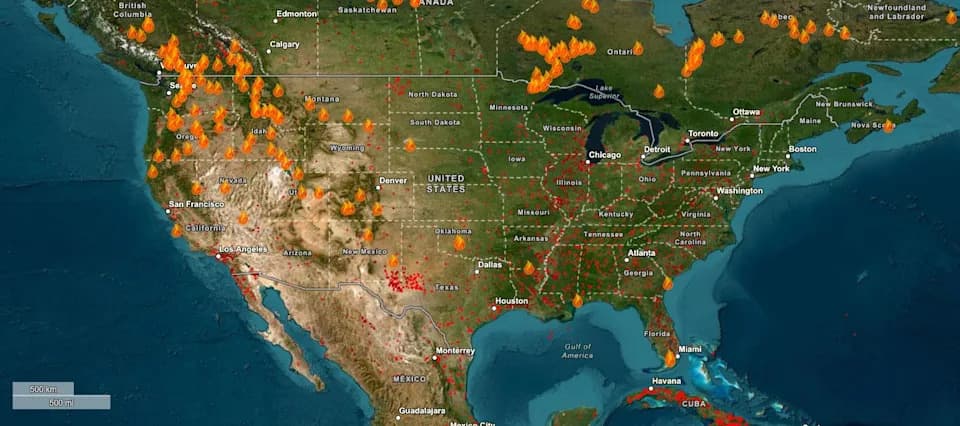
- Rising temperatures and prolonged droughts are making fires harder to suppress once they start.
- Decisions to fragment intact forests can have long-term ecological and social consequences.
Questions about roads, access, and human-caused ignitions are part of a larger wildfire debate: how to balance access, treatment effectiveness, conservation, and community safety. Continued research and transparent policymaking are critical to ensuring that strategies both reduce wildfire risk and protect forest values.
Help us improve.