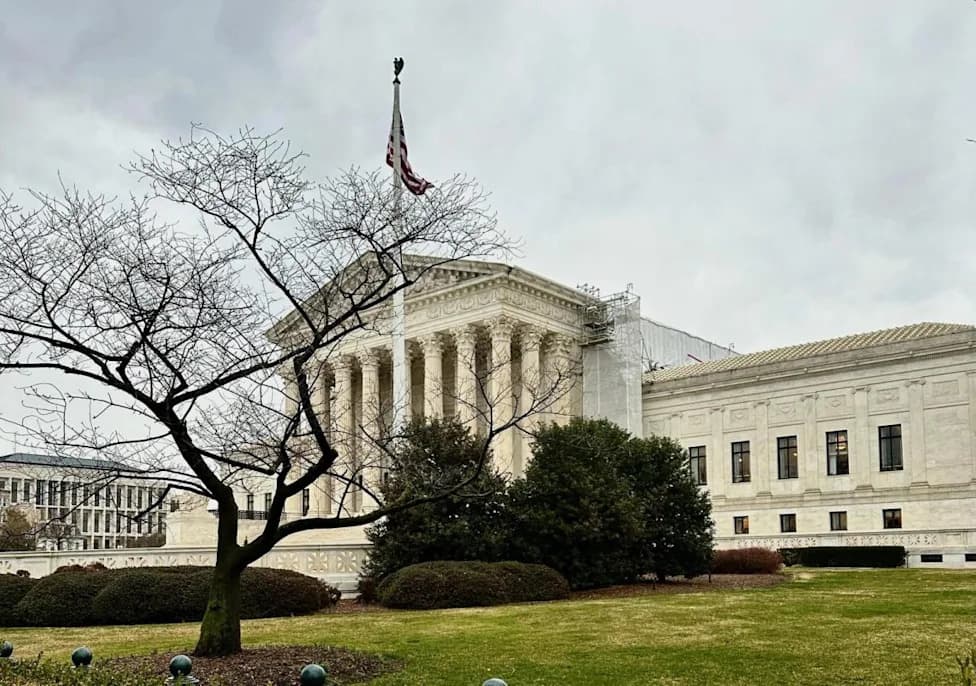
U.S. wildfire policy too often treats suppression, fuel treatments and managed wildfire as competing strategies. Researchers argue that no single approach will end the crisis — instead, linked actions before, during and after fires are required. When fuel treatments, rapid detection and community planning are coordinated, they reduce fire intensity, make suppression safer and enable controlled burns to restore landscapes. Cross-boundary collaborations, sustained funding and public engagement are essential to build resilient communities.
Wildfire Strategy Should Be Connected, Not Competitive: Why Suppression, Thinning and Managed Burns Must Work Together
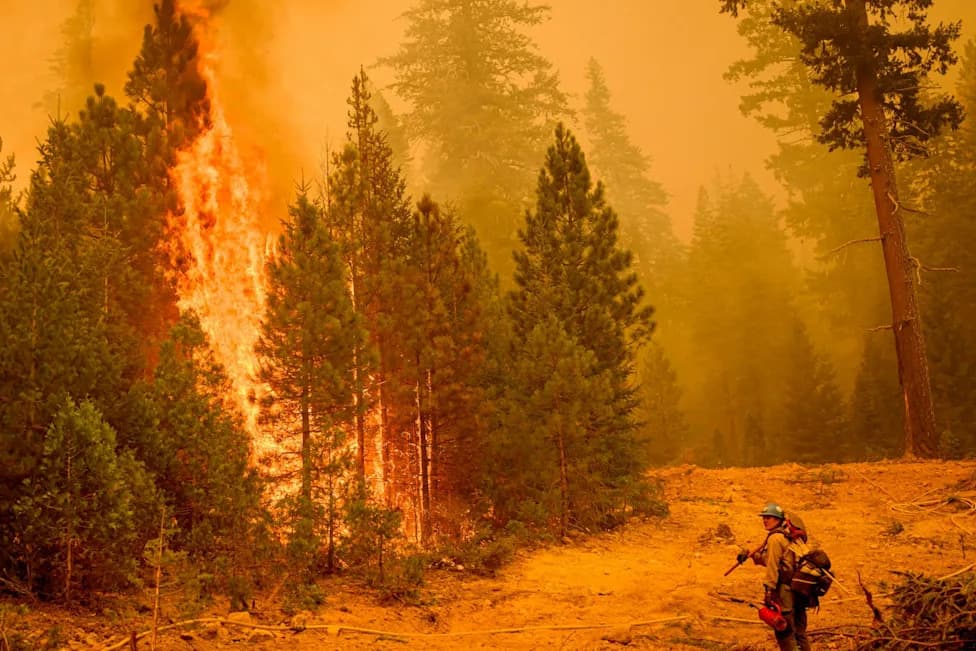
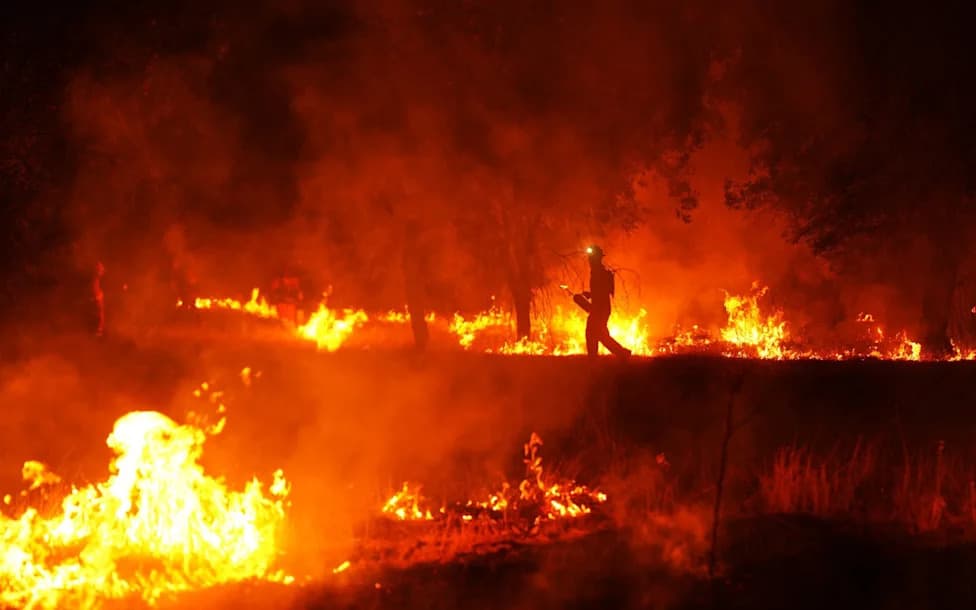
A firefighter monitors a backfire in California, set to clear away dry vegetation that could fuel wildfires.Josh Edelson/AFP via Getty Images
One persistent flaw in how the United States addresses wildfires is the idea that a single dominant strategy can solve a complex, growing problem. Whether the favored answer is to detect and extinguish every ignition, scale up logging and thinning, or allow some fires to burn under controlled conditions, policy often channels money and attention to whatever approach is fashionable at the moment.
But increasingly severe fire seasons demand a network of actions — interconnected measures that reinforce each other before, during and after fires. Our research team, together with fire ecologist Jim Menakis (recently retired from the U.S. Forest Service), has examined wildfire through social, ecological and risk-science lenses to help managers and communities turn evidence into practice that reduces harm.
Three Dominant Camps — And Why the Divide Hurts
Wildfire strategy in the U.S. tends to split into three camps:
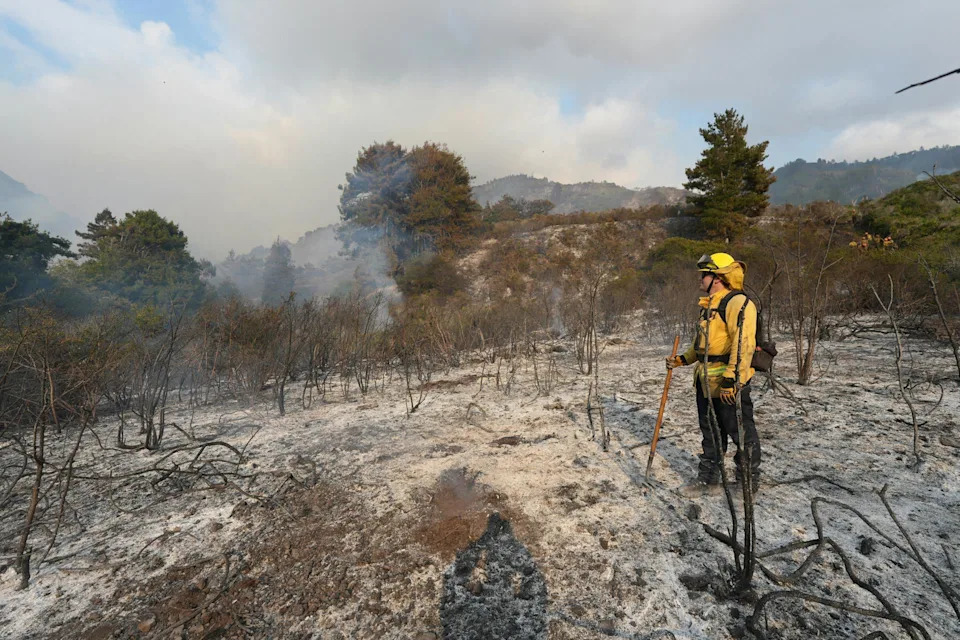
A firefighter stands on a burned area in steep, rugged mountains near Big Sur, Calif. Fires are natural parts of the landscape and can clear out excess brush, but letting them burn, unless they're carefully managed fires, is rarely considered.Wai Lee Michael Ho/SOPA Images/LightRocket via Getty Images
- Aggressive Suppression: Rapidly detecting and extinguishing every ignition to prevent immediate loss. This approach has shaped federal wildfire policy since the early 1900s.
- Fuel Reduction: Scaling up thinning, logging and prescribed burns to reduce accumulated flammable vegetation that drives high-intensity fires.
- Managed Wildfire / Living With Fire: Accepting that some fire is inevitable and using deliberate, controlled burns and landscape design so ecosystems and communities can survive and recover.
Each camp has legitimate strengths, but when organizations and funders operate in silos — with separate budgets, workforces and cultures — opportunities for cooperation are missed and the overall system underperforms.
How The Approaches Complement One Another
Rather than asking which approach is "right," the useful question is where and how they reinforce one another. In practice these strategies intersect in several important ways:
- Fuel Treatments Improve Suppression: Targeted thinning and prescribed burns lower fire intensity, making suppression operations safer and more likely to succeed.
- Treatments Enable Managed Fire: Fuel-reduced areas provide the safe edges that allow managers to let lower-intensity fires spread under favorable weather, reducing future risk and restoring ecological functions.
- Shared Tools and Information: The detection, mapping and real-time decision tools used to find and fight fires fast are the same systems that let managers monitor and safely permit managed fires.
Put together, these linked actions reduce the chance that any single fire becomes a catastrophic event — but they require planning, funding and coordination across jurisdictions and sectors.
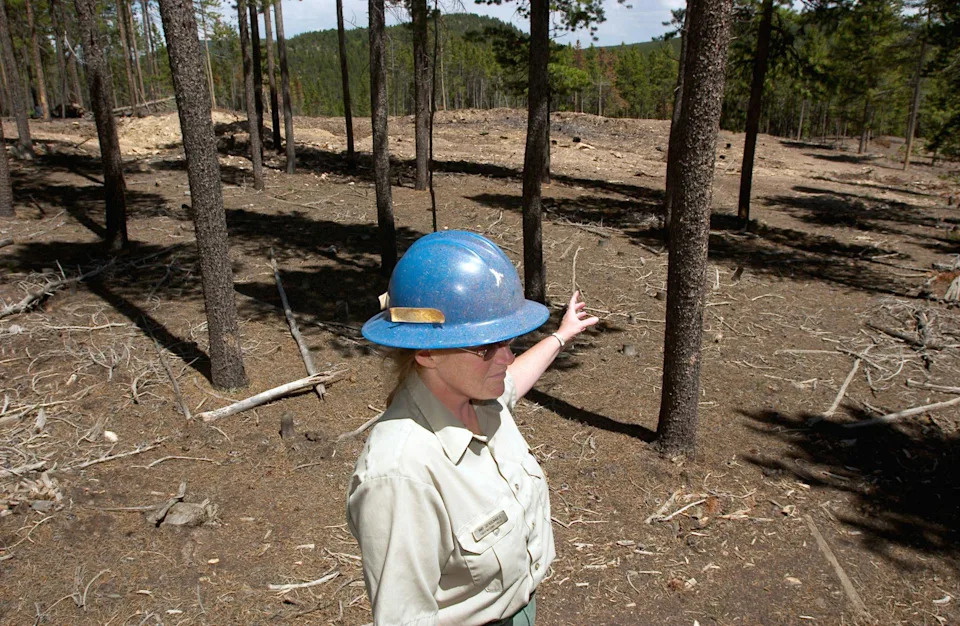
A U.S. Forest Service staff member points to a patch of forest where the trees were removed to thin the amount of vegetation. The area in the background was clear-cut as a break to help slow fires.Kevin Moloney/Getty Images
What Effective Integration Looks Like
Integration must begin long before an ignition, continue while a fire burns and persist through recovery. That means:
- Designing research and risk-reduction projects with cross-boundary outcomes in mind.
- Engaging communities early to build trust, buy-in and capacity for local risk reduction (home hardening, defensible space, evacuation routes).
- Aligning funding so fuel treatments, preparedness and response tools are sustained rather than episodic.
Successful examples already exist. The Northern Colorado Fireshed Collaborative brings federal and state agencies, local governments, water utilities and residents together to coordinate vegetation reduction across ownership boundaries, support homeowners with education and financial assistance, and organize response and recovery as a connected system rather than as separate, disjointed efforts.
What Communities And Individuals Can Do
Reducing wildfire risk is not the job of a single agency or organization — it requires contributions from all sectors of society. Practical steps include checking whether your area has a fire collaborative or community wildfire protection plan, participating in public meetings, creating defensible space and hardening homes, and helping neighbors clear dry brush. These local actions, combined with regional fuel treatments and capable detection systems, build resilient landscapes and safer communities.
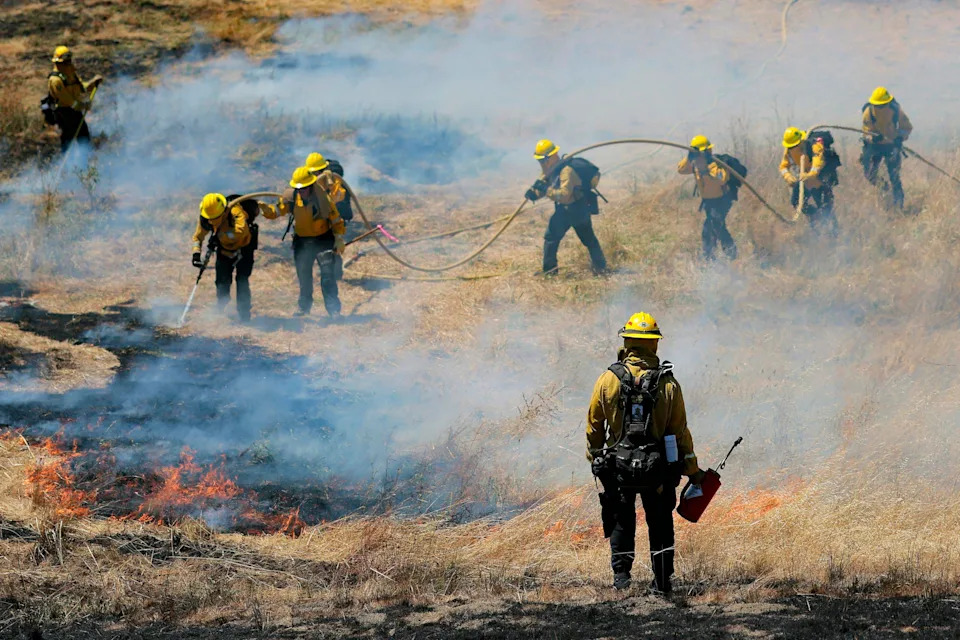
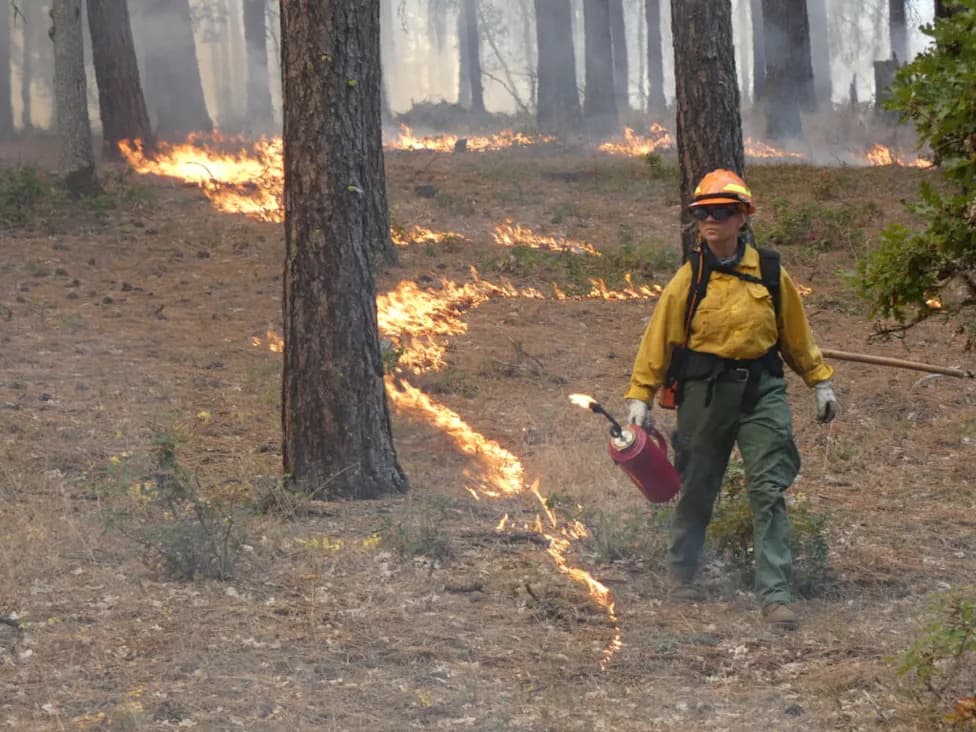
Firefighters practice their skills while conducting a prescribed burn to remove dry, flammable vegetation that could fuel intense, destructive fires. Prescribed burns can also make fighting future fires there safer.Heather Diehl/Getty Images
The path to more resilient wildfire strategy is practical collaboration: designing systems that connect suppression, fuel management and managed fire — not picking a single "winner."
Authors: Tony Cheng and Matt Thompson, Colorado State University.
Disclosure: The authors receive funding from the Colorado State University System, the National Science Foundation, USDA Forest Service, Headwaters Economics, Vibrant Planet and CWE Strategies for wildfire risk science and analysis.
Help us improve.