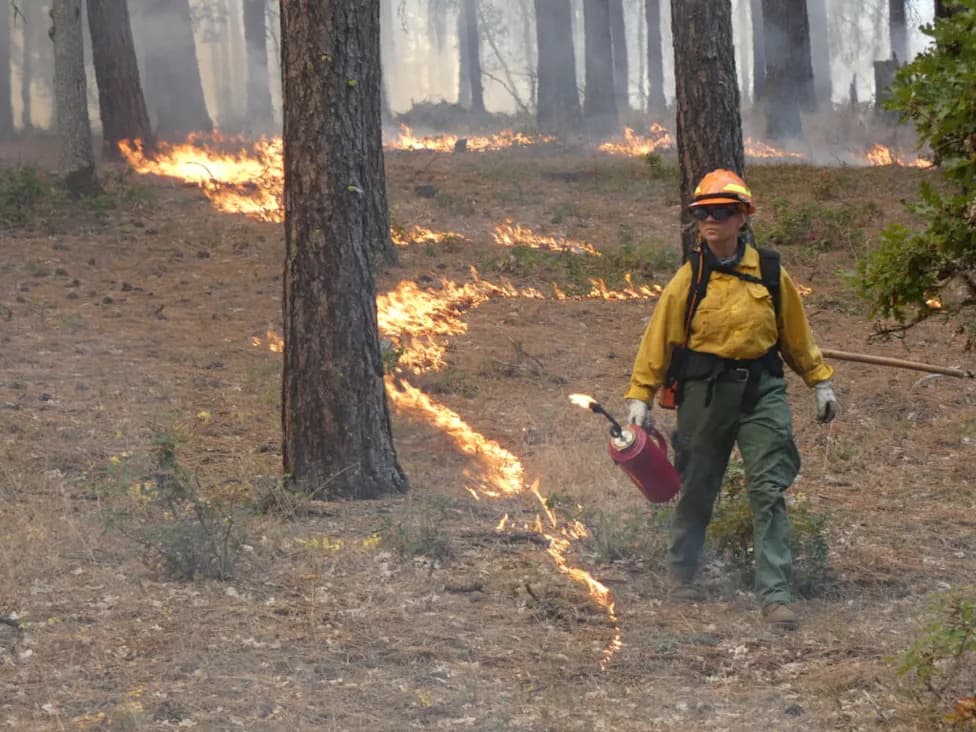
California now requires homeowners in Very High Fire Hazard Severity Zones and State Responsibility Areas to clear combustibles from the five-foot perimeter around their homes, a zone experts call "Zone Zero." The Board of Forestry and Fire Protection also mandates clean roofs and gutters, 5-foot clearance between trees and roofs, and 10-foot clearance to chimneys, with three years to comply. Officials say the narrow buffer can prevent ember-driven ignitions and make structures easier for firefighters to defend.
Clear the Five Feet: California Orders Homeowners in High-Risk Zones to Remove Combustibles

Photo Credit: iStock
California has tightened wildfire-safety rules for homeowners in some of the state’s most fire-prone neighborhoods by targeting the narrow strip of land immediately around a home known as Zone Zero. The Board of Forestry and Fire Protection now requires residents in Very High Fire Hazard Severity Zones and in State Responsibility Areas to remove combustible materials from the first five feet around their houses.
What The Rules Require
The updated regulations single out items that can ignite when wind-driven embers land nearby: mulch, stacked firewood, dry leaves, dead vegetation and accumulated debris. The initial compliance phase also directs homeowners to:
- Keep roofs and rain gutters free of debris;
- Maintain at least 5 feet of clearance between tree branches and roofs;
- Maintain at least 10 feet of clearance between tree branches and chimneys;
- Complete required work within a three-year window.
Why Zone Zero Matters
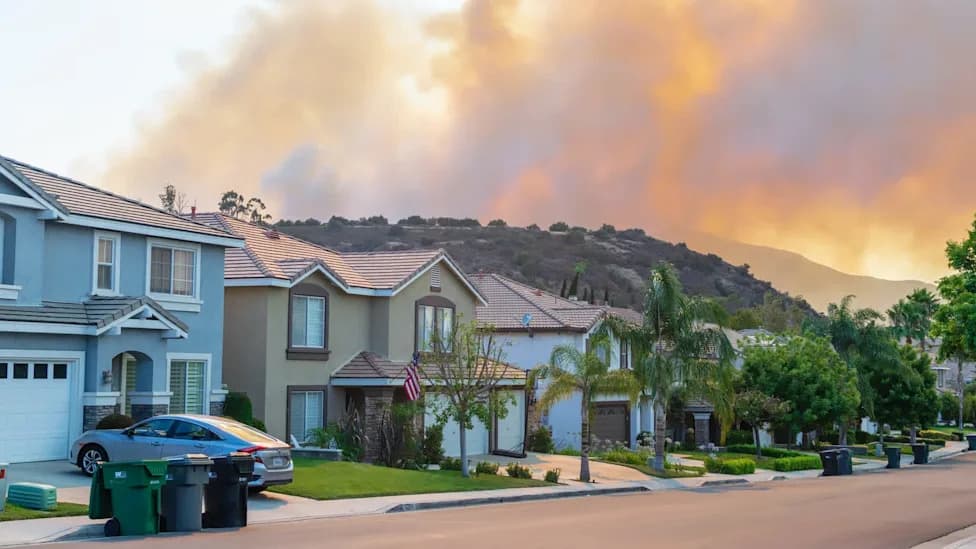
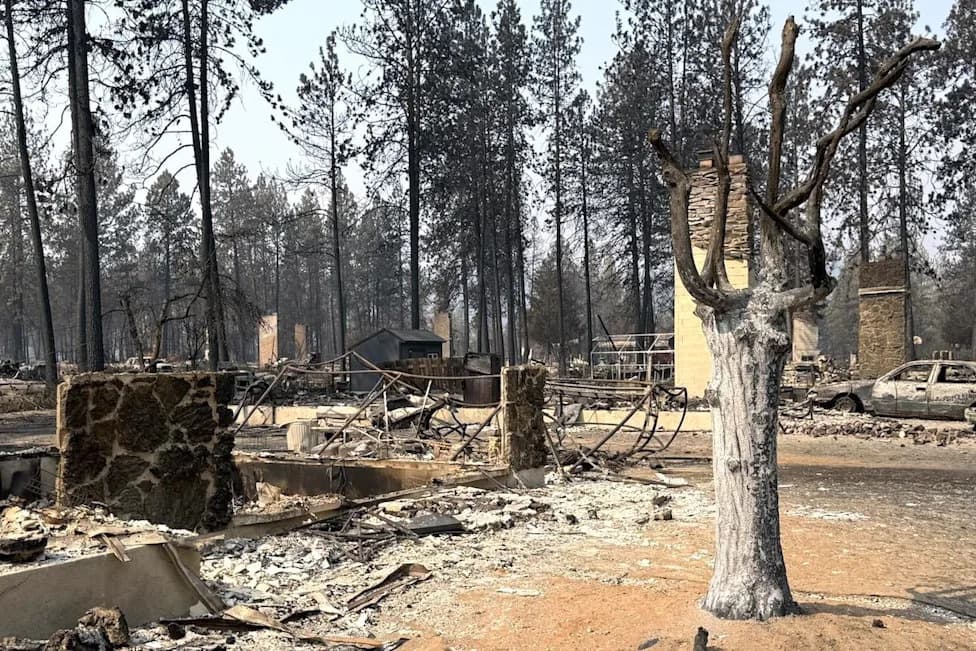
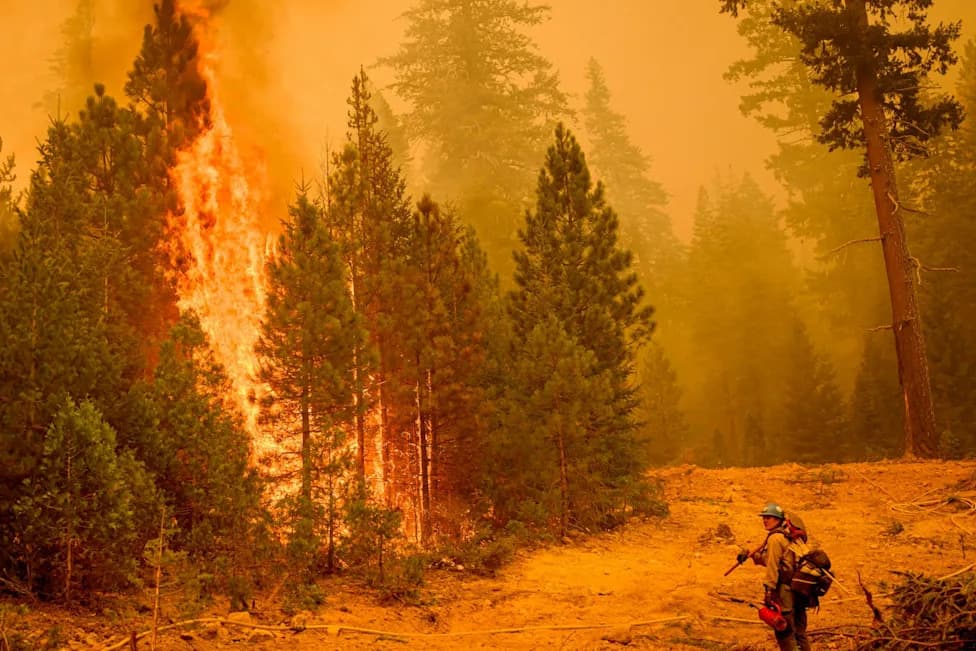
Officials and fire experts emphasize that homes are frequently lost not because flames reach them directly, but because embers blown ahead of a wildfire ignite materials next to or on the structure. Clearing Zone Zero reduces the chance that embers will find fuel and turn a nearby wildfire into a house fire.
LA County Fire Captain Aaron Caton: "If the homeowner has done their work and made their house defensible... that makes their house much more easy to defend."
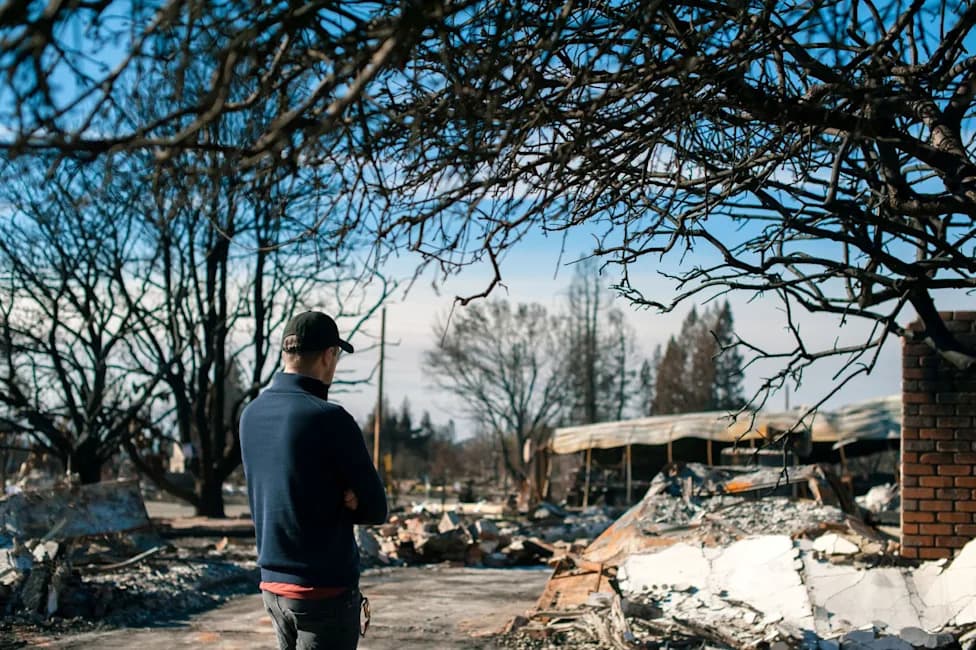
Survivors and community members underscore the stakes. Freddie Sage, whose family lost multiple homes and businesses in the Eaton Fire, told reporters that neighbors must take responsibility for how they manage their properties to help protect entire communities.
Practical Steps for Homeowners
Residents in covered high-risk areas can take immediate action:
- Inspect and remove mulch, stacked firewood, dead brush and leaf litter within five feet of the home.
- Clear roofs and gutters of needles, leaves and debris.
- Trim tree branches to meet the 5-foot (to roofs) and 10-foot (to chimneys) clearance standards.
- Store flammable materials away from exterior walls and vents.
Broader Context
These rules are part of a wider statewide push to increase home and neighborhood resilience as destructive wildfires remain a recurring threat. The changes come amid debates about defensible-space requirements, legislative fights in Sacramento over who should fund prevention, and recent fast-moving fires and evacuation orders in regions such as Napa Valley and Southern California.
While Zone Zero addresses only a small band of land around each house, officials say it can be decisive during wind-driven fires when embers are the primary ignition source.
Help us improve.