The 1910 Big Burn—about 3 million acres scorched—helped embed an aggressive 'put out every fire' policy that, combined with climate change, has left Western forests loaded with fuel and vulnerable to megafires. Recent gigafires and fires that crossed the Sierra Nevada demonstrate how fire behavior is changing. Experts call for a shift toward prescribed and Indigenous cultural burning, stronger public education, and smarter land-use planning to reduce catastrophic risk and build resilience.
From the 1910 “Big Burn” to Gigafires: Rethinking How America Lives With Fire
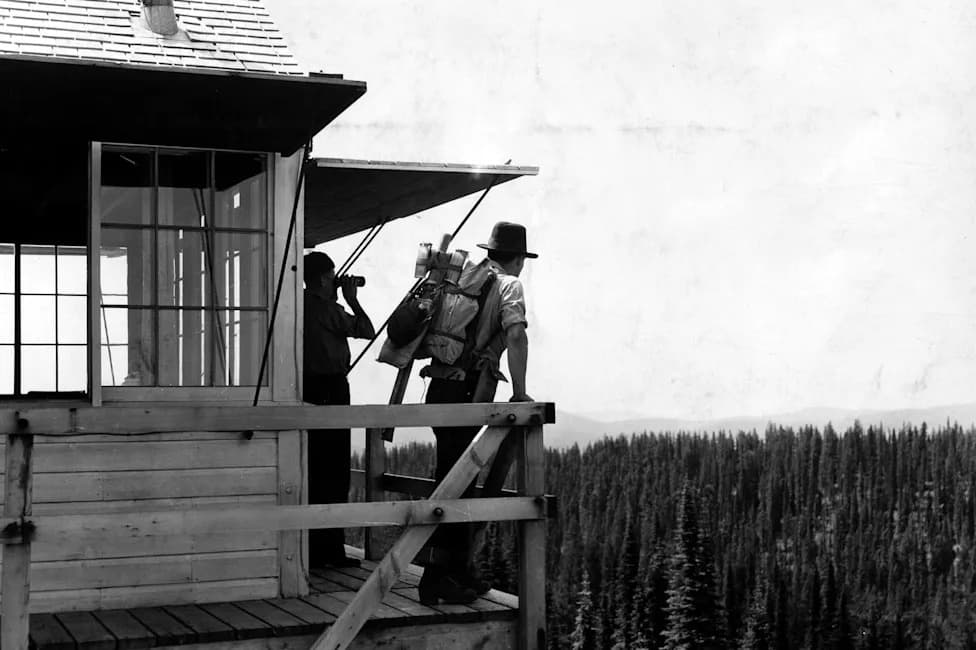
Before satellites, fire crews watched for smoke from fire towers across the national forests. K. D. Swan, U.S. Forest Service
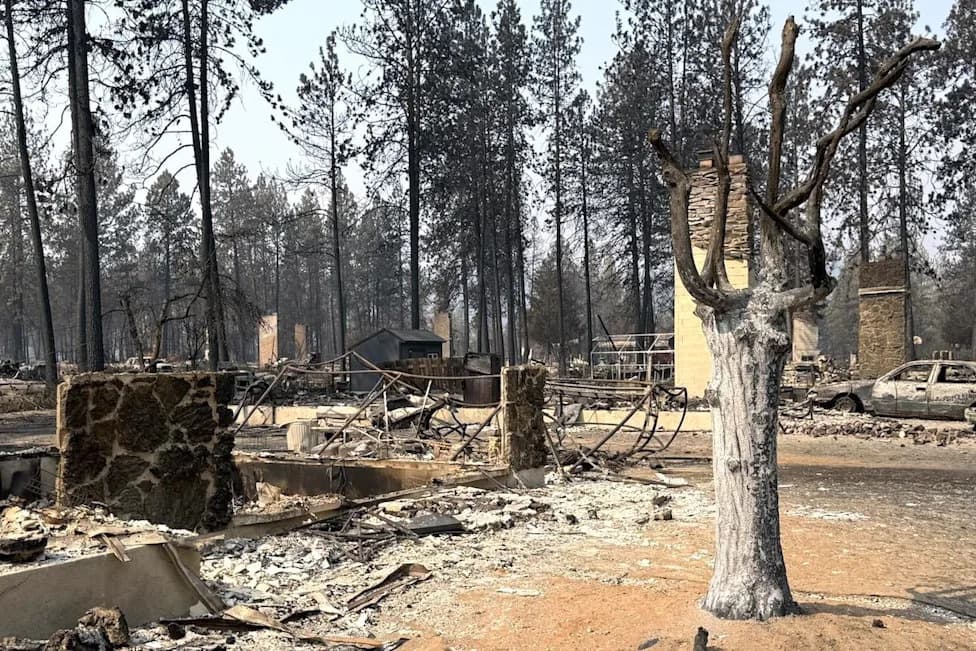
Over two days in the summer of 1910, raging wildfires swept through the parched forests of the inland Northwestern United States, the Rocky Mountains and parts of British Columbia. Entire towns were engulfed and roughly 3 million acres burned—an area about the size of Connecticut. That event, known as the Big Burn, reshaped U.S. wildfire policy and set a suppression-first approach that still affects how forests burn today.
How a Single Event Shaped Policy
The devastation shocked the newly formed U.S. Forest Service and the leaders who survived that crisis. Veterans of the 1910 fires rose through agency ranks and carried a strict doctrine: extinguish every forest fire. The result was the so-called "10 a.m. policy"—an expectation that fires should be controlled by 10 a.m. the morning after detection. This absolutist stance was later popularized by the Smokey Bear campaign and became a defining attitude toward fire management.
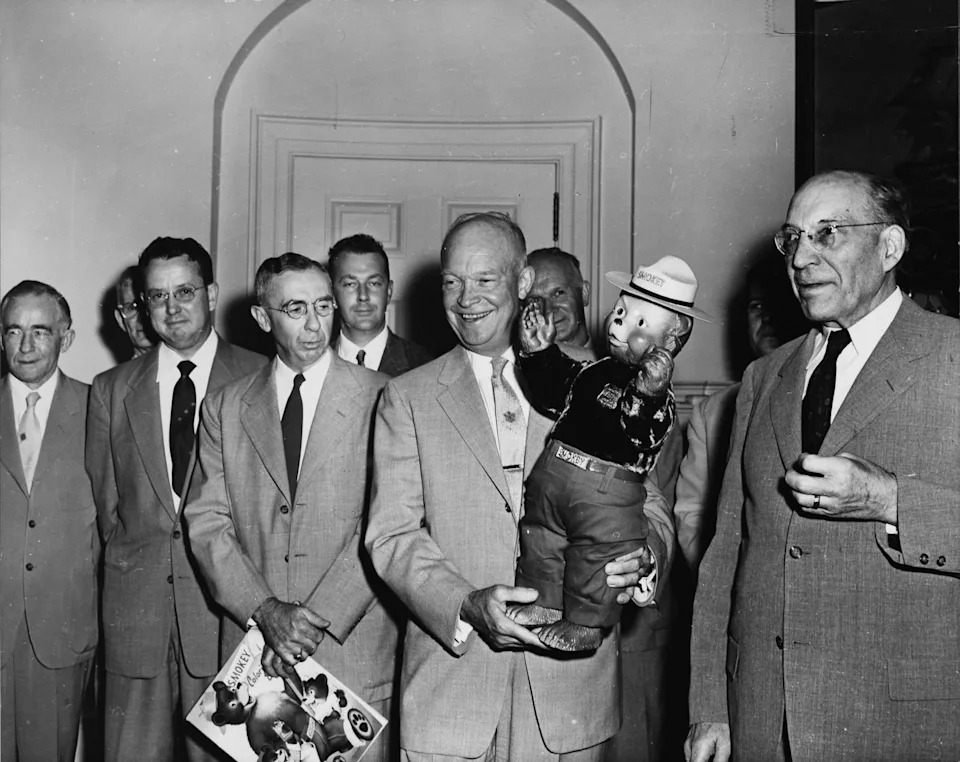
President Dwight D. Eisenhower holds a Smokey Bear doll. The mascot, introduced in 1944, and its long-running public service campaigns represented the Forest Service strategy of putting out every fire, a strategy that left forests across the West primed to burn. U.S. Forest Service
Unintended Consequences
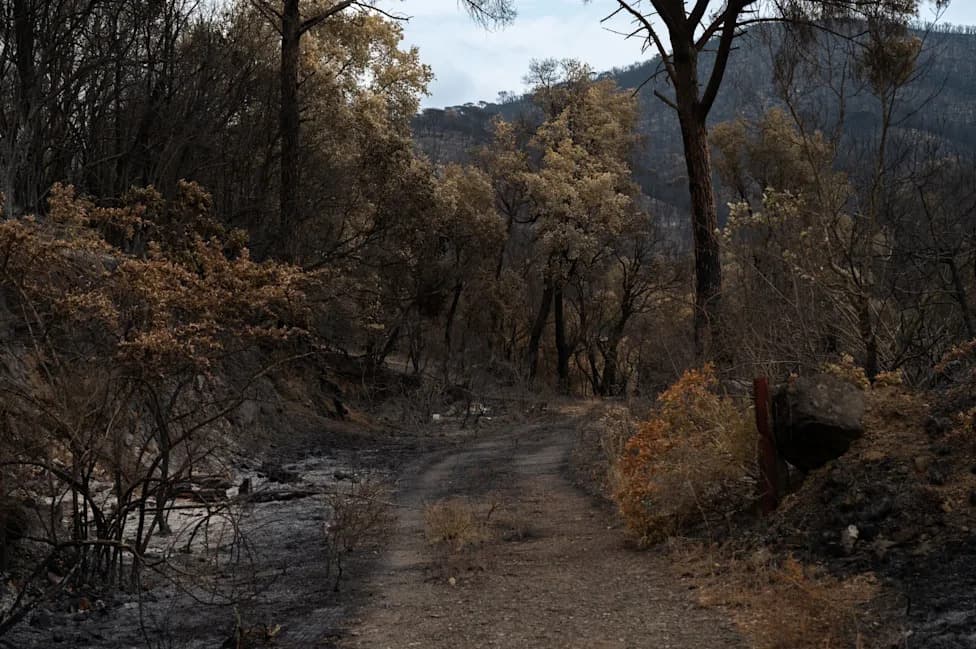
In the decades that followed, suppression became militarized, technologically sophisticated, and costly. While highly effective at stopping many small fires, this approach sidelined other management methods and discounted Indigenous ecological knowledge about intentional burning and landscape stewardship. Over time, landscapes that historically burned at multi-decade intervals accumulated ladder and surface fuels, leaving forests primed for far more extreme fires.
Climate Change and Changing Fire Behavior
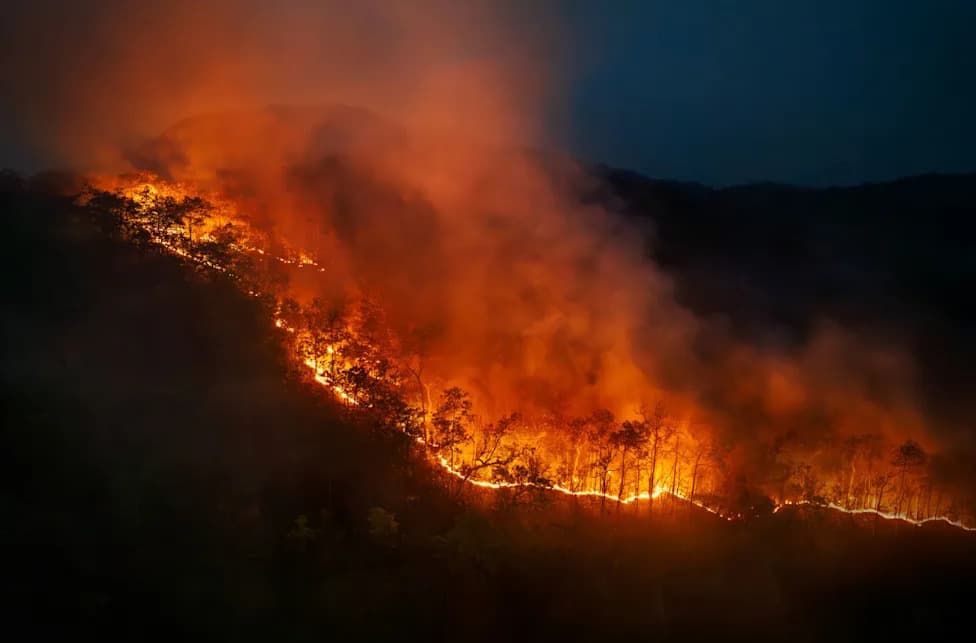
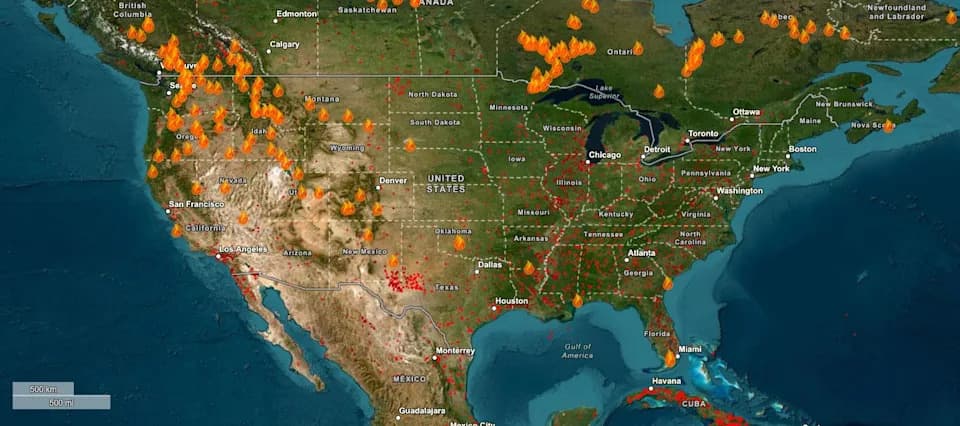
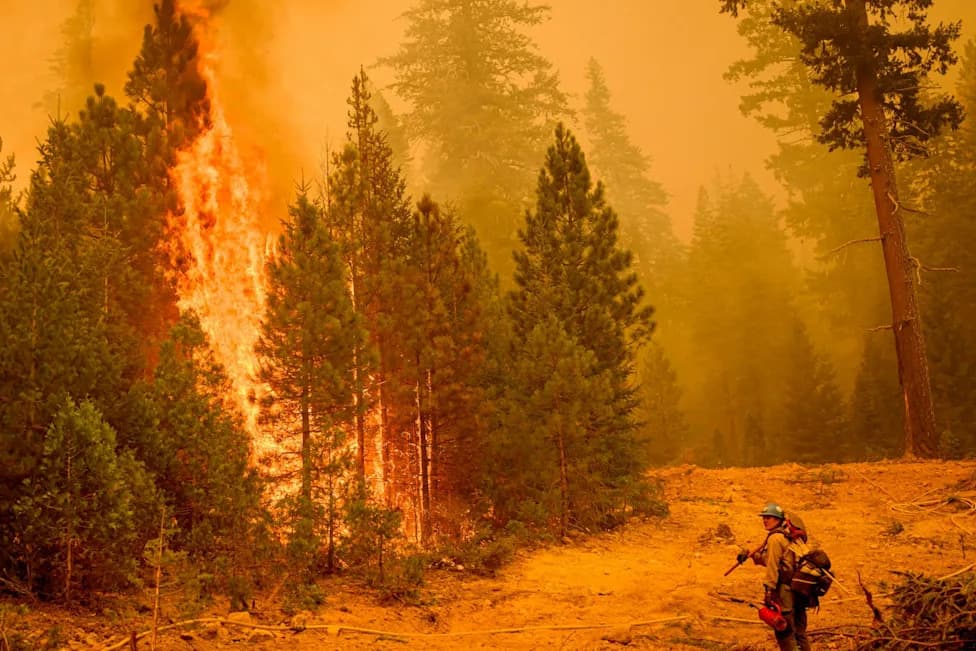
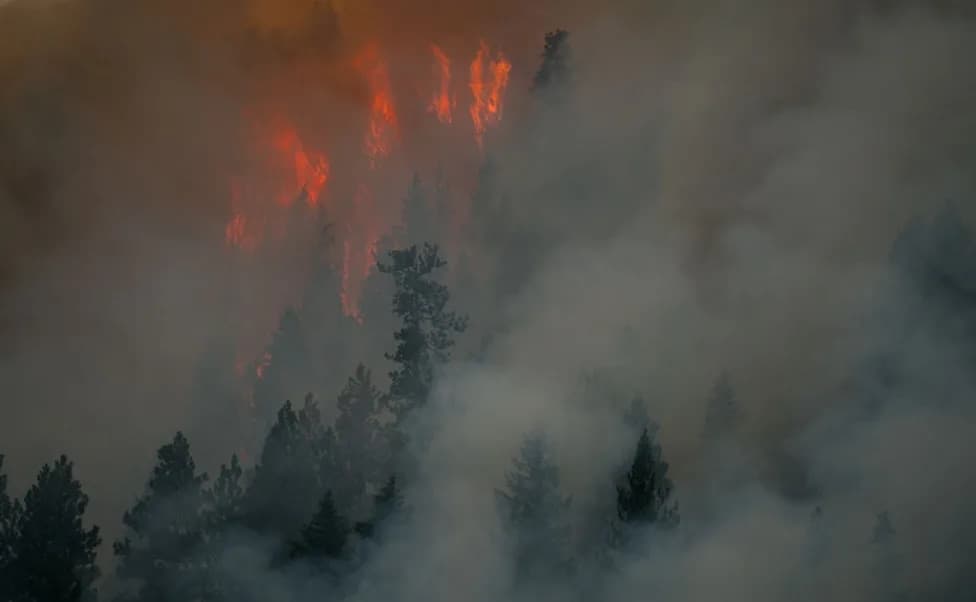
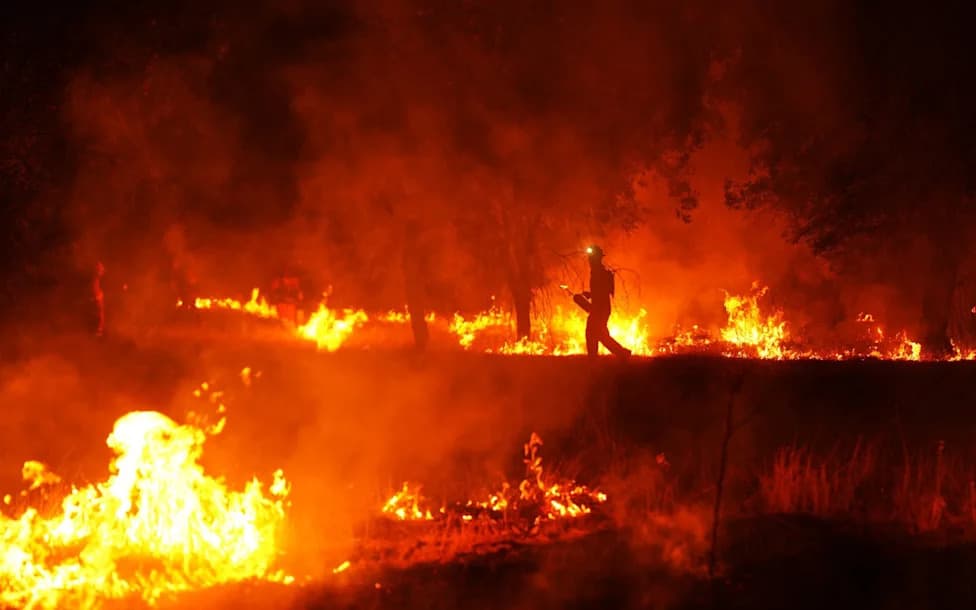
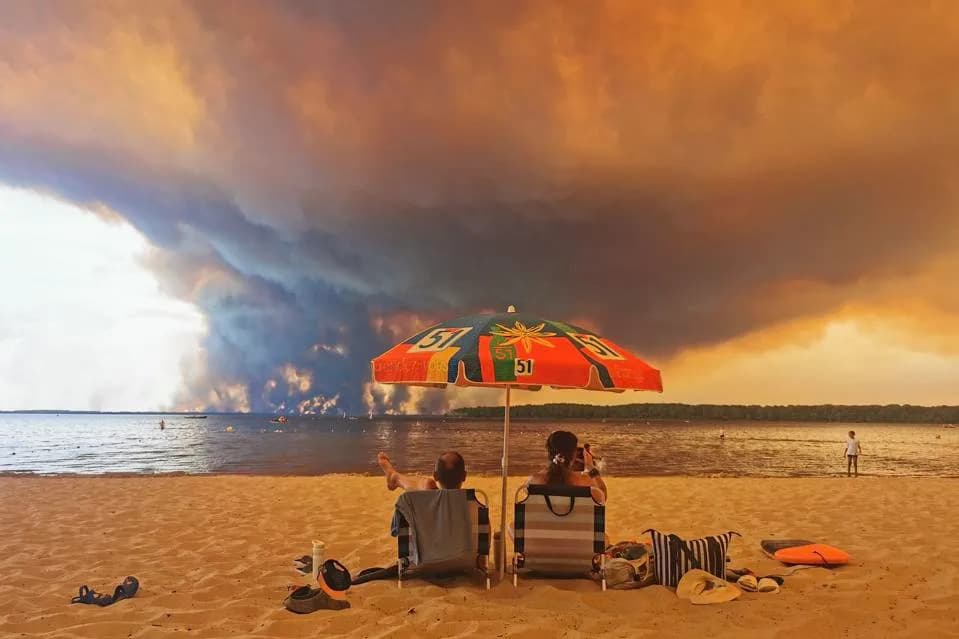
Today climate change compounds those historical legacies. Higher temperatures and longer droughts are producing larger, hotter and more dangerous fires. Fire seasons are extending, droughts are creating abundant dry fuel, and extreme 'fire weather' is becoming more frequent. Recent years have produced alarming examples: in 2020 California experienced more than 4 million acres burned and saw the emergence of the term 'gigafire'—fires that exceed 1 million acres. The August Complex is recognized as the first modern gigafire in the U.S.
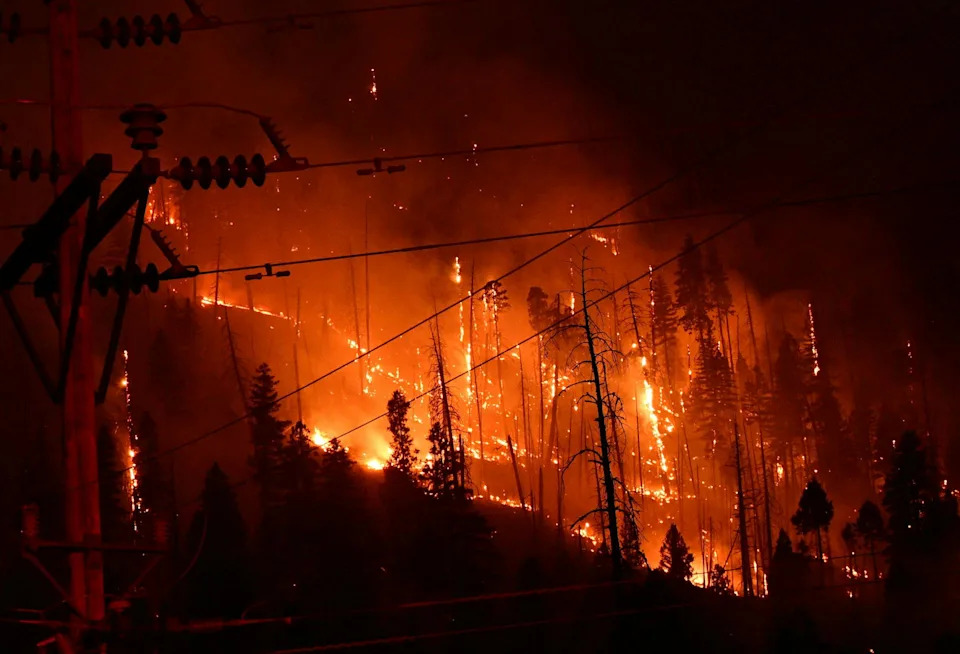
More people living in the wildland urban interface creates more potential ignition sources, like power lines.Robyn Beck/AFP via Getty Images
Fire behavior is also changing in ways many firefighters have not encountered. Officials reported that, for the first time on record in one recent season, a wildfire crossed the Sierra Nevada from west to east—the Dixie Fire did so, and weeks later the Caldor Fire did the same. Some fires have been so intense they generated their own weather, and in extreme cases crews considered steering new fires into old burn scars to halt their advance.
Human Factors And Short-Term Responses
Human settlement patterns amplify the risks: more people living in the wildland-urban interface mean more ignition sources, such as aging power lines. The U.S. routinely puts out about 98% of fires before they grow larger than half a square mile, which has allowed fuels to build where fires would historically have reduced them. In response to extreme conditions, agencies have temporarily closed entire national forests to reduce ignition risk and protect public safety—but those closures are not a sustainable long-term solution.
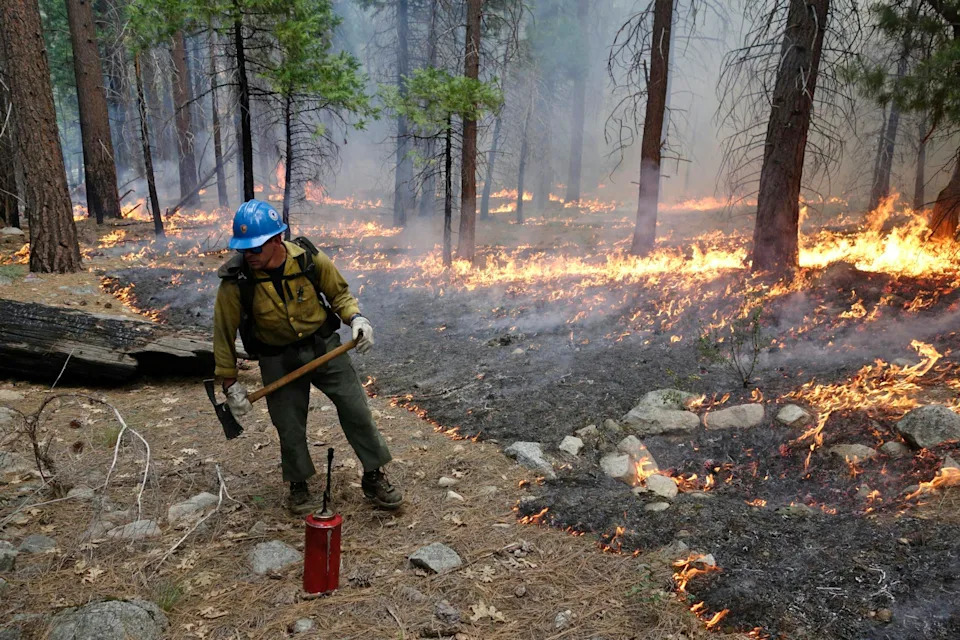
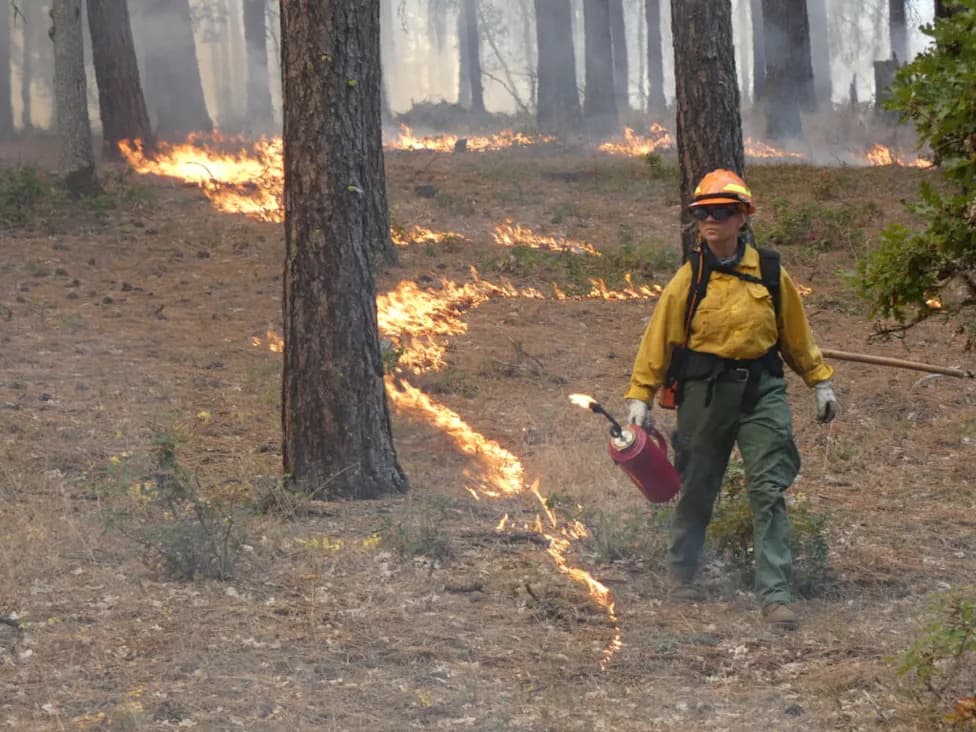
Firefighters use prescribed burns – low-intensity, closely managed fires – to clear out undergrowth and protect the heart of Kings Canyon National Park in California's Sierra Nevada.AP Photo/Brian Melley
A New Path Forward: Coexistence With Fire
A 21st-century fire paradigm requires nuance, collaboration and plural sources of knowledge. Key elements include:
- Prescribed and cultural burning: Carefully managed, low-intensity fires—including Indigenous cultural burning practices—can reduce fuels and restore ecological resilience.
- Respecting Indigenous Knowledge: Indigenous communities have long used fire to cultivate healthy landscapes; integrating that knowledge with contemporary science improves outcomes.
- Education: Teaching the science, history and cultural practices of fire in schools and communities can build broader public understanding and preparedness.
- Smart land use: Rethinking where and how we build, and reconsidering rebuilding decisions after major fires, will reduce long-term community risk.
Living with fire demands cooperation, respect, adequate resources and a willingness to change. No single tactic will suffice; combining prescribed and cultural burning, improved land-use planning, community education and better integration of Indigenous and scientific knowledge offers the most promising path to safer landscapes and communities.
By William Deverell and Elizabeth A. Logan, USC Dornsife College of Letters, Arts and Sciences.
This article is republished from The Conversation, a nonprofit, independent news organization providing evidence-based analysis.
Help us improve.