Fire managers and scientists warn that extinguishing nearly every wildfire can worsen long‑term risk by letting flammable fuels accumulate. U.S. Forest Service incident commander Dan Dallas says repeatedly putting out fires only 'defers risk' after he and partners allowed low‑intensity fire to consume built‑up fuels during favorable conditions. Experts call for more prescribed burns, mechanical fuel reduction, and judicious use of naturally started fires, but staffing, funding, and public resistance limit progress.
Suppressing Every Fire May Only 'Defer Risk,' U.S. Forest Service Commander Warns
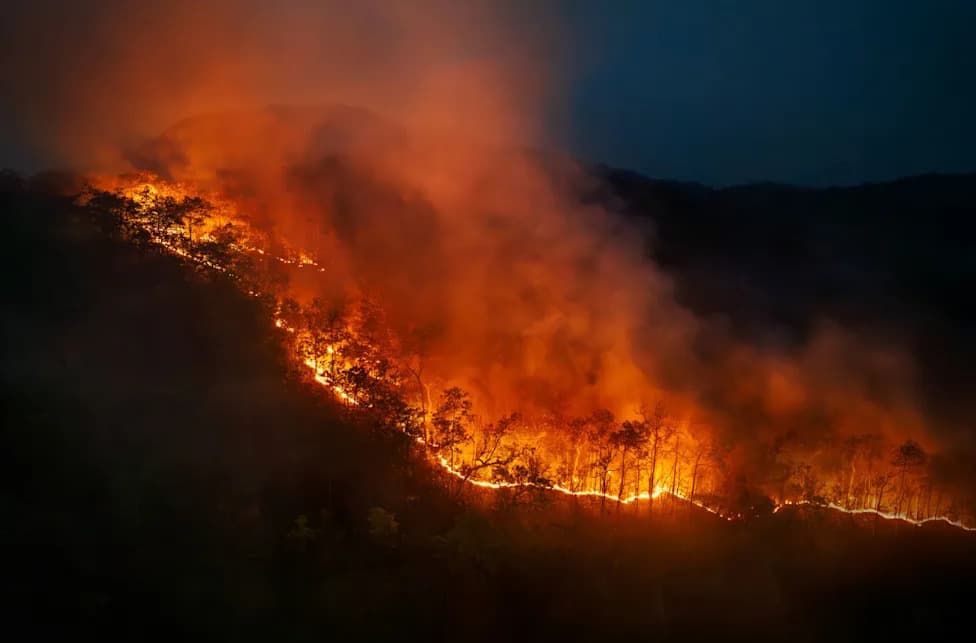
Photo Credit: iStock
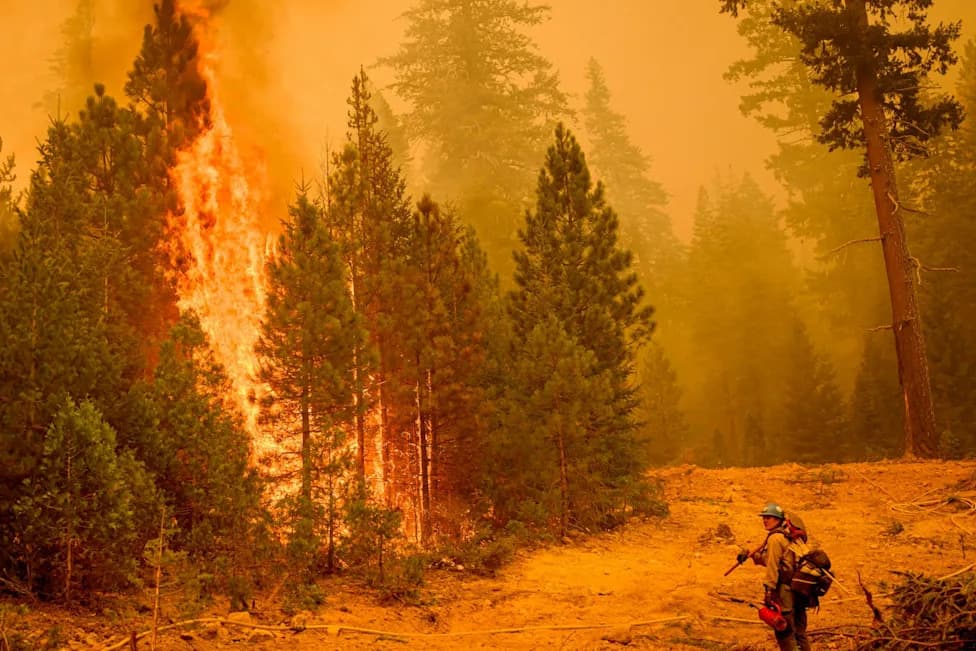
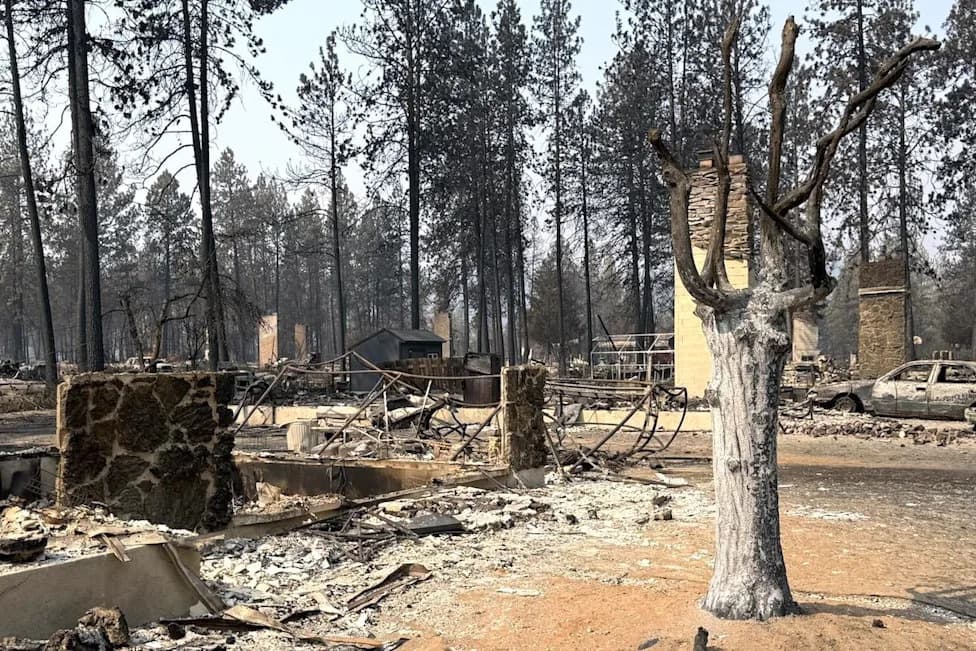
A senior U.S. Forest Service incident commander warns that a near‑total firefighting approach may be trapping landscapes and communities in a worsening cycle: by extinguishing almost every ignition, agencies can allow flammable material to build up and increase the odds of future, far larger blazes.
Lessons From the Field
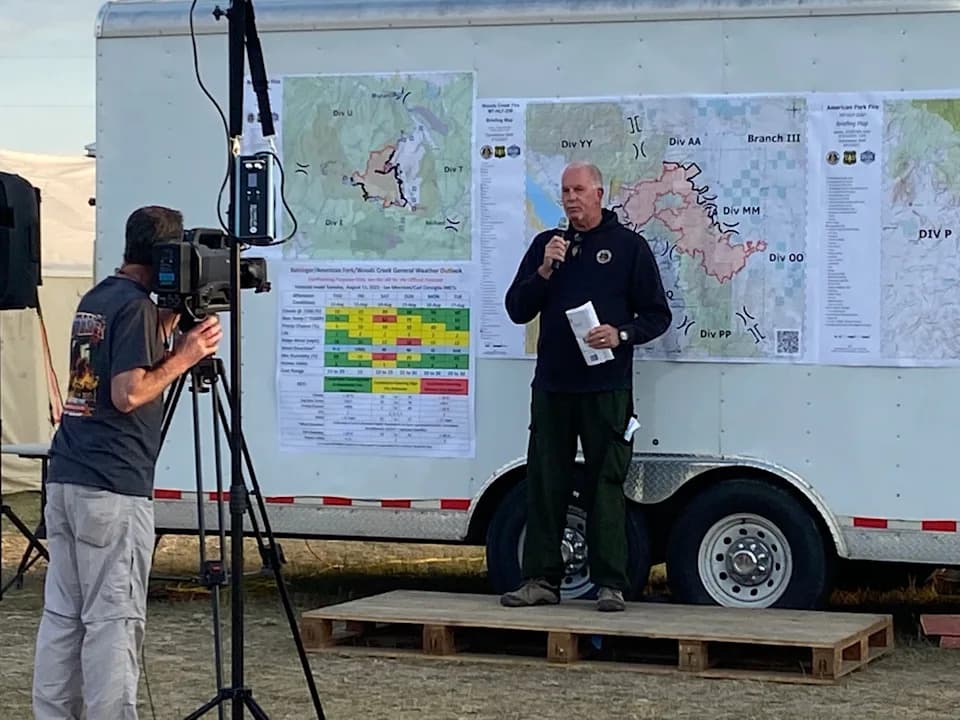
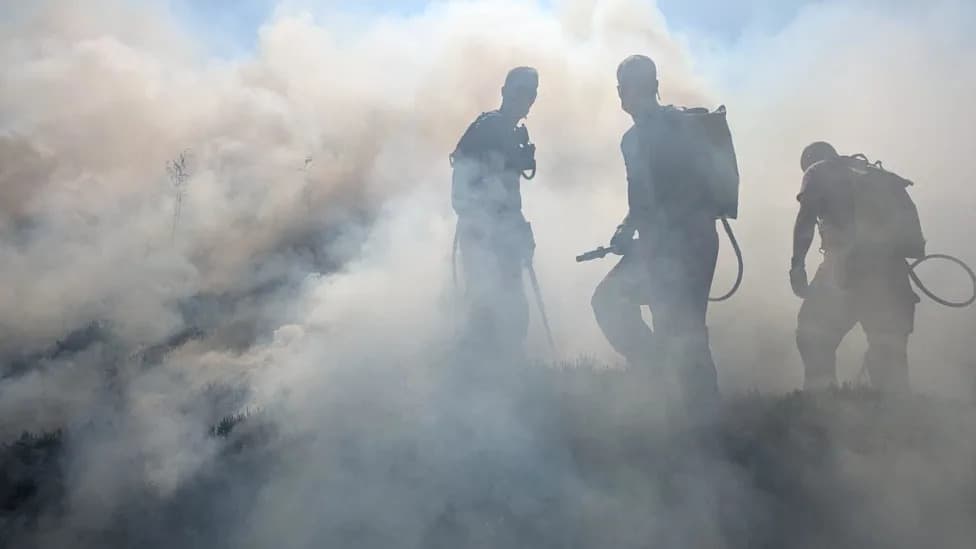
Dan Dallas, an incident commander and the Forest Service's director of renewable resources for the Rocky Mountain region, said a turning point came while battling a California blaze. Working with a local forest supervisor and the Karuk Tribe, Dallas recalled choosing not to extinguish every part of the fire during a period of mild, wet weather. Letting low‑intensity flames move across the forest floor consumed accumulated dead wood and brush — fuel that otherwise would have remained on the landscape.
"Finally, I figured out all I'm doing is deferring risk to this place. I'm going to come back and protect it again," Dallas said.
Why Complete Suppression Can Backfire
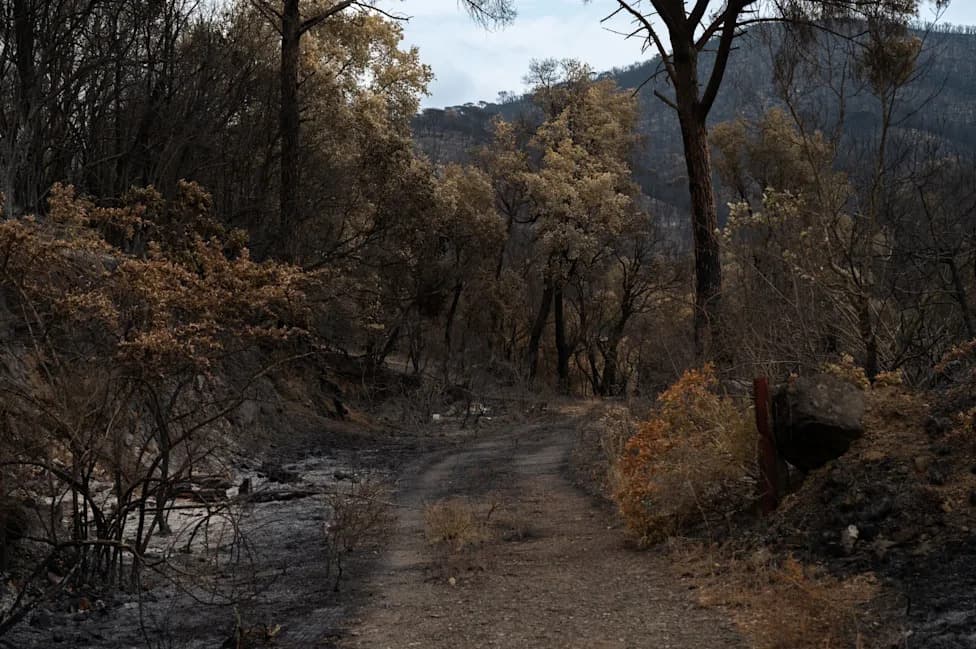
Fire ecologists and land managers note that fire is a natural process in many forest ecosystems. Regular, low‑intensity burns clear dried brush and small trees that, if left unchecked, can feed catastrophic wildfire. A return to 'full suppression' policies — which aim to put out nearly every ignition, even those far from homes and infrastructure — can therefore unintentionally increase long‑term risk by allowing fuels to accumulate.
Research and official reviews have warned of this dynamic for years. A 2015 Forest Service futures report concluded that "the existing fire suppression approach will fail across the whole range of plausible future conditions." Federal crews currently contain the vast majority of ignitions — more than 98% of wildfires, according to University of New Mexico forest ecologist Matt Hurteau — but that success can let fuels build up until extreme weather produces a fire that is uncontrollable.
Managing Fire, Not Eliminating It
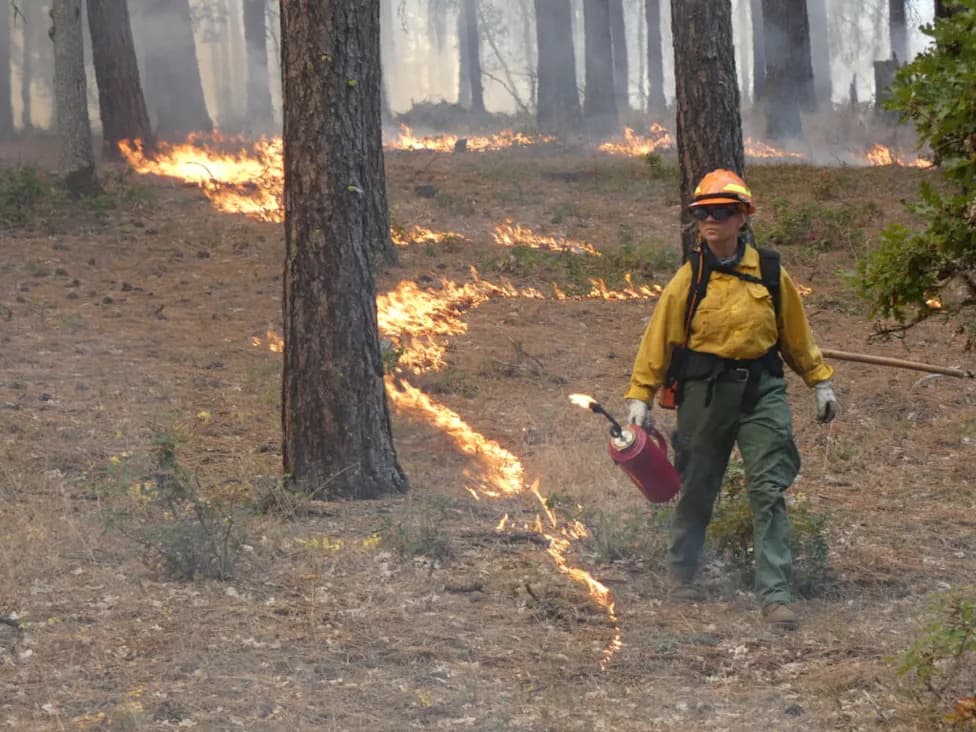
Many experts argue the goal should not be zero fires but better management of fire through a mix of tools: prescribed burns, mechanical fuel reduction, and allowing some naturally sparked fires to burn when conditions make it safe to do so. As Adam Mendonca, the Forest Service's deputy director of Fire and Aviation Management, put it: "No two ways about it. Science will tell you, you need more fire on the landscape."
Despite that consensus, the scale of preventive work remains well below what scientists say is necessary. The Forest Service reportedly carried out roughly 1.2 million acres of prescribed burns in 2025, down from about 2.2 million acres in 2024. Limited staffing, constrained budgets, and public resistance to mitigation measures are major barriers: emergency suppression funds move quickly when fires ignite, while preventive programs rely on slower annual budgets and many of the same personnel who fight active fires.
Trade‑Offs and Policy Challenges
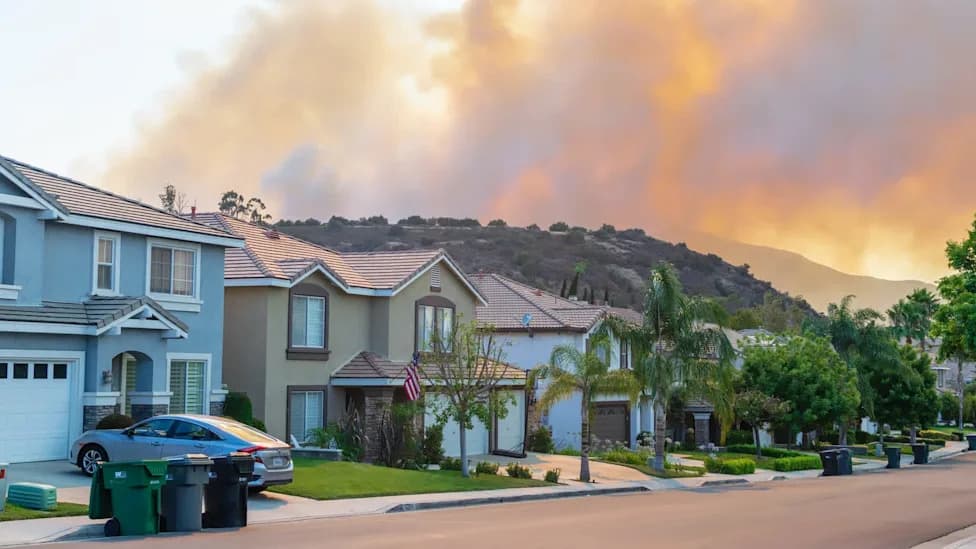
Communities can reduce risk through home hardening and defensible landscaping, but residents still depend on agencies to respond to megafires. Dallas warned that the current system is strained: "Our system is taxed beyond capacity to respond. It's already falling apart."
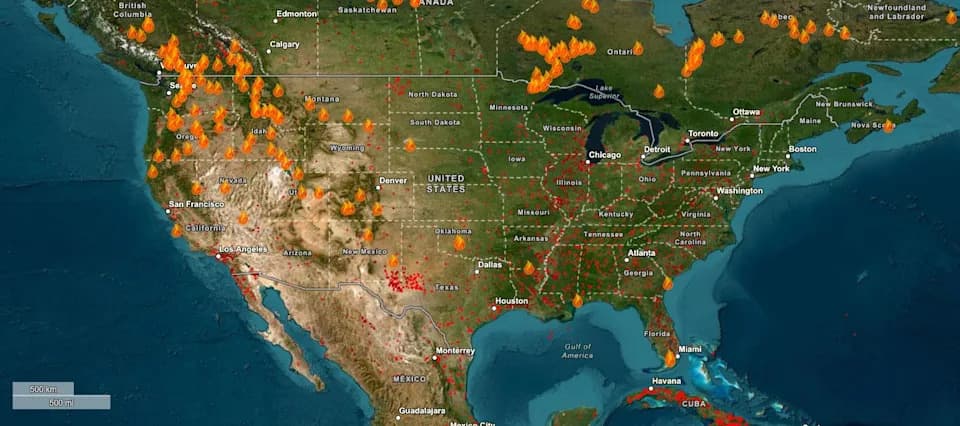
The debate over suppression versus prescribed fire is playing out across California and other states. Proposed changes to wildfire response, mitigation zones, and landscaping rules have sparked public pushback, and post‑fire consequences — including contamination of water supplies after major incidents — add urgency to finding more resilient approaches. Rising wildfire losses are also driving insurance costs upward in regions far from where most fires occur.
What Needs To Change
- Scale up prescribed burns and mechanical fuel treatments to reduce accumulated fuels.
- Secure dedicated, predictable funding and staffing for preventive work, separate from emergency suppression funds.
- Engage communities earlier to build support for mitigation measures like defensible space and adjusted landscaping regulations.
- Adopt policies that allow low‑risk fires to burn under controlled conditions to restore natural fire regimes.
Help us improve.