Recent SNAP changes tied to the One Big Beautiful Bill Act have already reduced benefit rolls and could cut automatic eligibility for free school meals, experts say. The Center on Budget and Policy Priorities estimates about 4.5 million people (including 1.5 million children) lost SNAP benefits, and the Urban Institute warns up to 18.3 million students could lose access to free meals. Miami-Dade Schools are among the first districts scaling back universal meals; some lunches will cost $4.20 after a 30-day grace period. Lawmakers have proposed responses, including a $60/month pilot for produce.
Millions of U.S. Children Could Lose Free School Meals This Fall as SNAP Rule Changes Take Effect
Millions of Kids Could Lose Free School Lunch This Fall as Experts Warn of SNAP 'Ripple Effect'
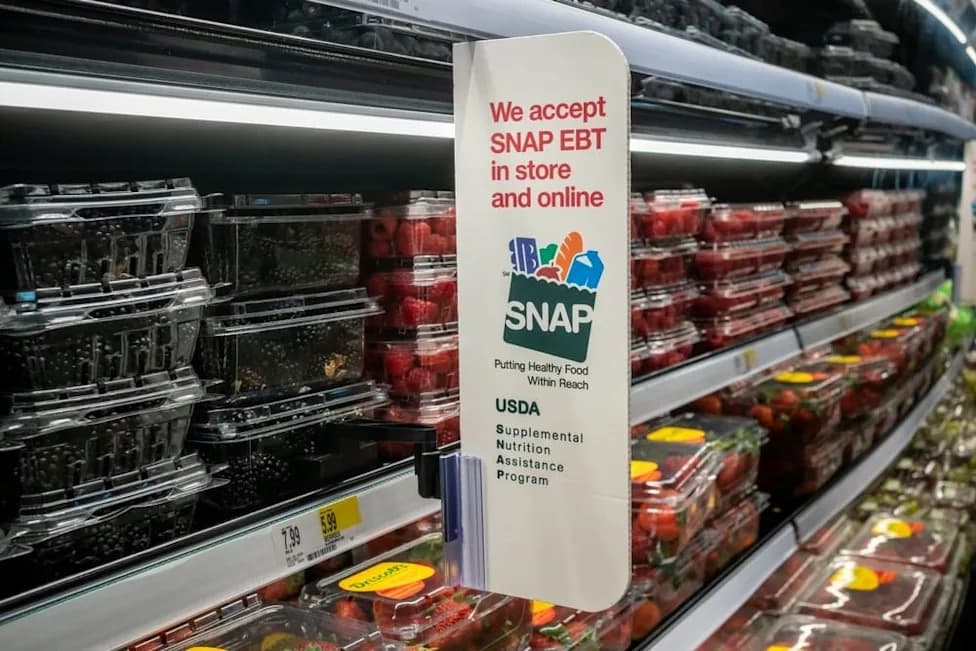
Millions of U.S. children may lose access to free school meals this fall as recent changes to the Supplemental Nutrition Assistance Program (SNAP) begin to affect eligibility, experts warn.
What Changed and Why It Matters
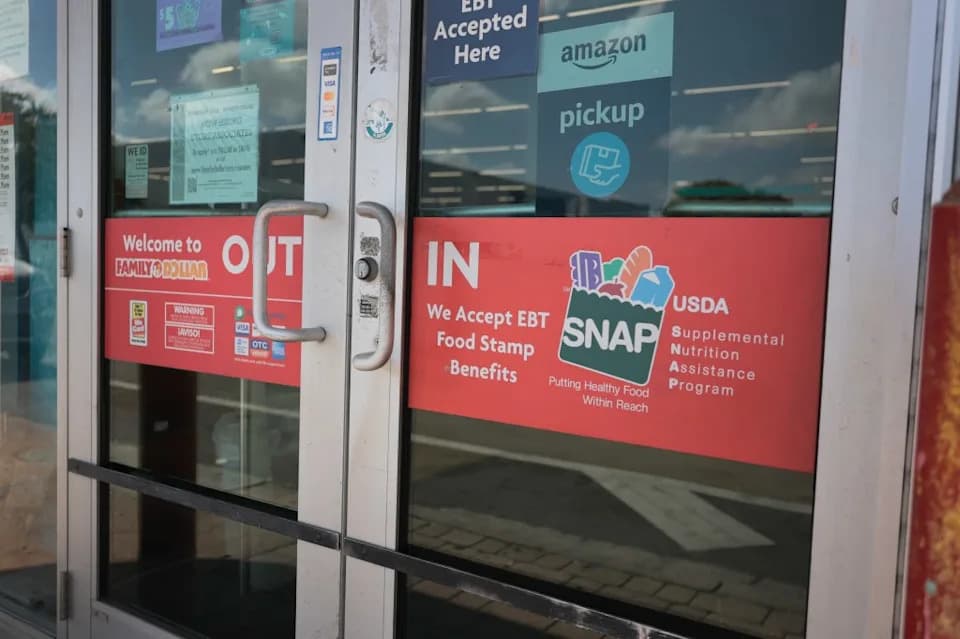
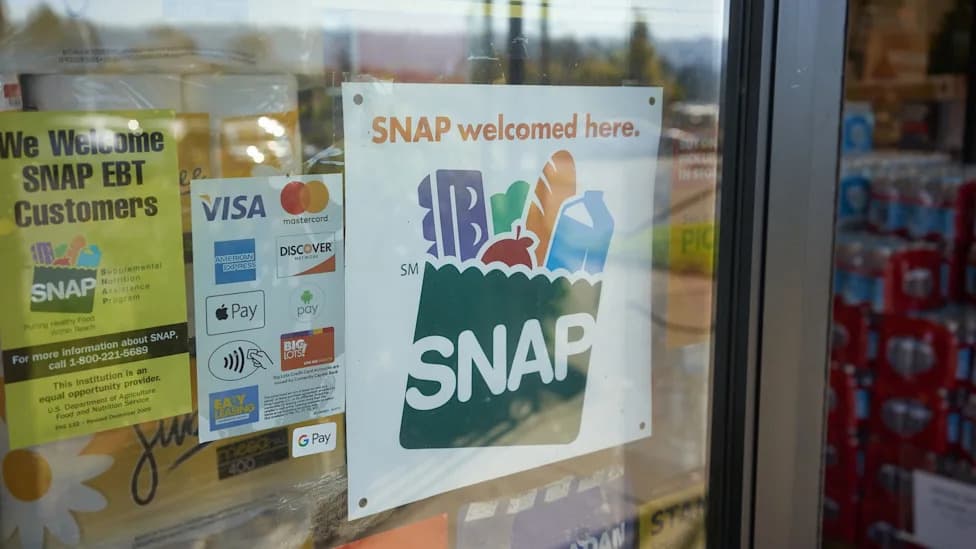
A CBS News report and several policy analyses say revisions to SNAP enacted as part of the Republicans' One Big Beautiful Bill Act — a tax-and-spending package that amended parts of the federal food assistance program — have already reduced SNAP participation and could also shrink the number of schools that qualify for the Community Eligibility Provision (CEP).
CEP allows high-poverty schools to offer breakfast and lunch to all students at no charge without individual household applications. Because schools determine CEP eligibility using counts of students in certain assistance programs (including SNAP), declines in SNAP enrollment can remove the automatic link that previously made many students eligible for universal free meals.
Scope of the Impact
Analysts estimate substantial losses: the Center on Budget and Policy Priorities (CBPP) reported that about 4.5 million people — including roughly 1.5 million children — have lost SNAP benefits since the law took effect. An Urban Institute analysis warned that up to 18.3 million students could ultimately lose access to free school meals if the trend continues.
"One of the things that we are very concerned about is the ripple effect," said Katie Bergh, a SNAP expert at the Center on Budget and Policy Priorities. "As kids lose access to SNAP, the next school year they may lose that automatic link to free school meals, even if they are still eligible."
Real-World Consequences
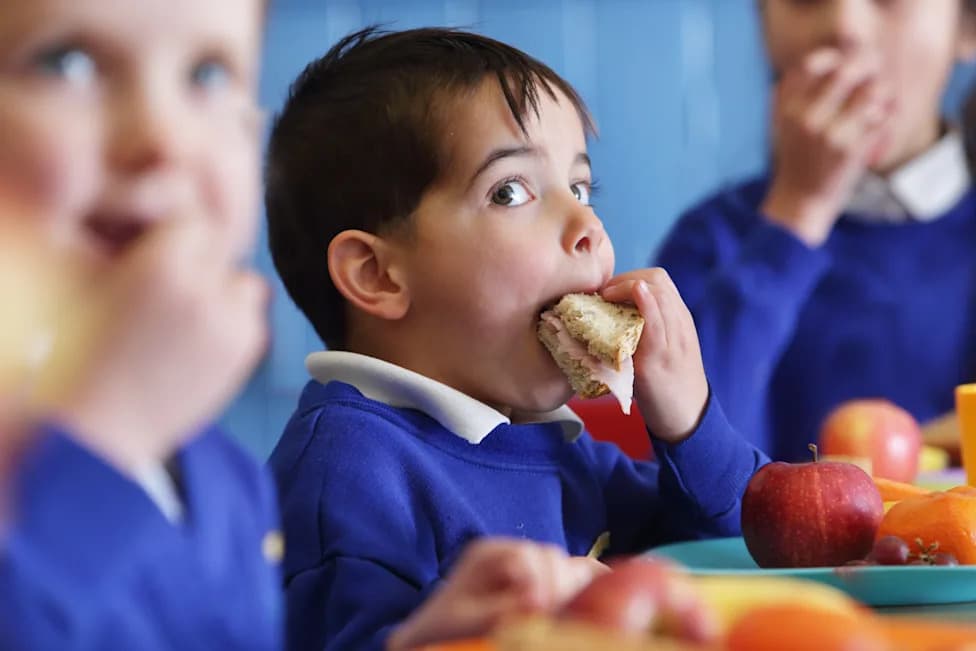
Miami-Dade County Public Schools is among the first large districts to feel the change. District officials said fewer schools now meet the CEP threshold, so they will no longer provide free breakfast and lunch to all students. About 121 schools will continue offering free meals; other schools will begin charging $4.20 per lunch after a 30-day grace period.
Experts and advocates warn families who lose both SNAP benefits and school meal access may face difficult trade-offs between groceries and other essentials such as rent, medication, or utilities. The timing compounds a broader affordability squeeze: earlier reporting estimated U.S. households could spend nearly $4,000 per child for the 2026–27 school year on supplies and lunches, and surveys show groceries remain many Americans' top household cost concern.
Policy Responses and Options
Lawmakers are considering proposals to address food insecurity. Representative Pramila Jayapal (D-Wash.) introduced the Fresh Bucks for Fresh Produce Act, a bill to establish a pilot program that would provide participating states with the option to give eligible households an additional $60 per month for fruits and vegetables.
Diane Pratt-Heavner, director of media relations for the School Nutrition Association, noted that some families may still qualify for free meals via individual applications but cautioned that extra paperwork often prevents eligible children from receiving benefits. "Our organization advocates for free meals for all, because so many children and families fall through the cracks of that application process," she said.
What Families Can Do
- Check school and district communications for changes to meal programs and grace-period deadlines.
- Submit individual free-or-reduced-price meal applications if automatic qualification is lost.
- Contact local school nutrition offices or community food-assistance organizations for help with enrollment and emergency resources.
- Stay informed about proposed federal and state policy changes that could restore or expand benefits.
Sources: CBS News, Center on Budget and Policy Priorities, Urban Institute, Miami-Dade County Public Schools, School Nutrition Association, McKinsey Institute (survey data referenced).
Help us improve.