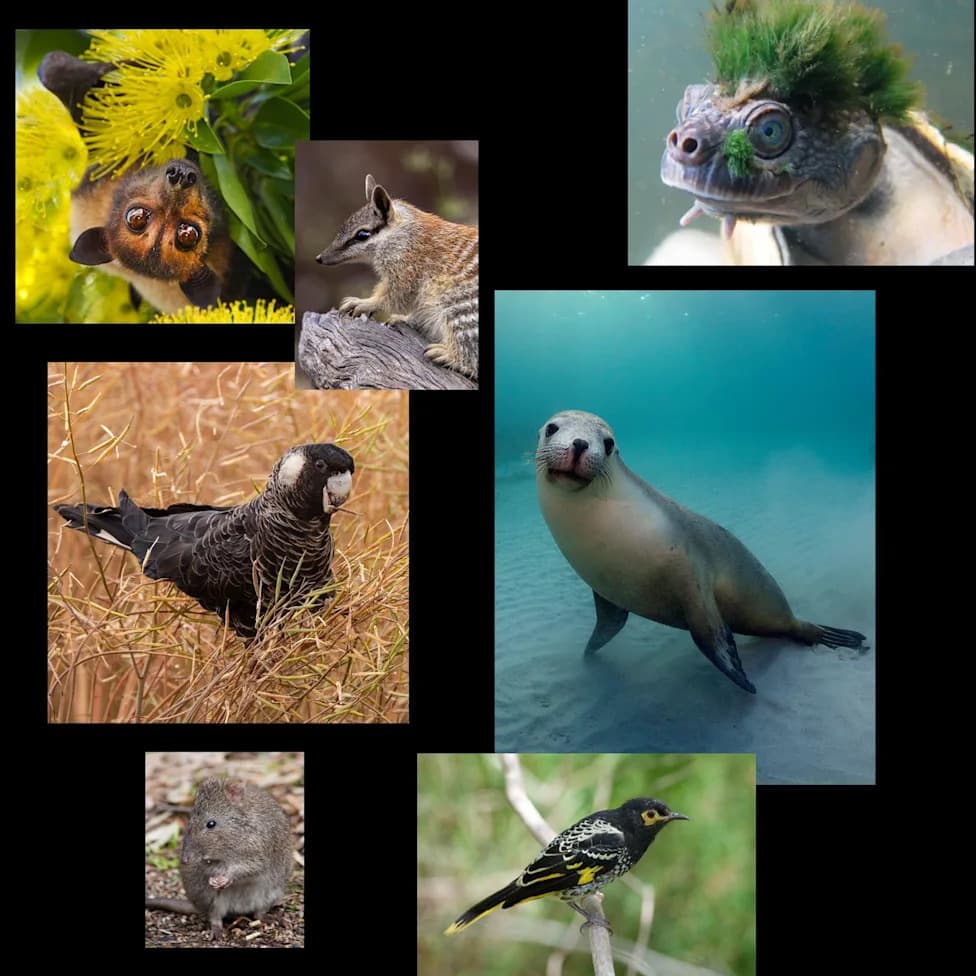
Australia — home to many species found nowhere else — is now a global extinction hotspot, losing about four species per decade. Dryandra Woodland in Western Australia offers a rare success: coordinated conservation has lifted the numbat from endangered to near‑threatened, with roughly 3,000 individuals nationwide. But feral predators, disease, habitat loss, climate change and a large funding shortfall mean most species remain at risk. Experts say sustained investment, enforceable standards and political will are essential to prevent further losses.
Australia's Extinction Crisis — And Why the Numbat's Comeback Offers Fragile Hope
[BBC]
"Eyes peeled," comes the instruction from the passenger seat as we creep along narrow bush tracks in south‑west Western Australia. We sweep the ends and crowns of fallen logs, peer into low scrub and bright wildflowers, searching for a streak of stripes or a sudden dart of movement.
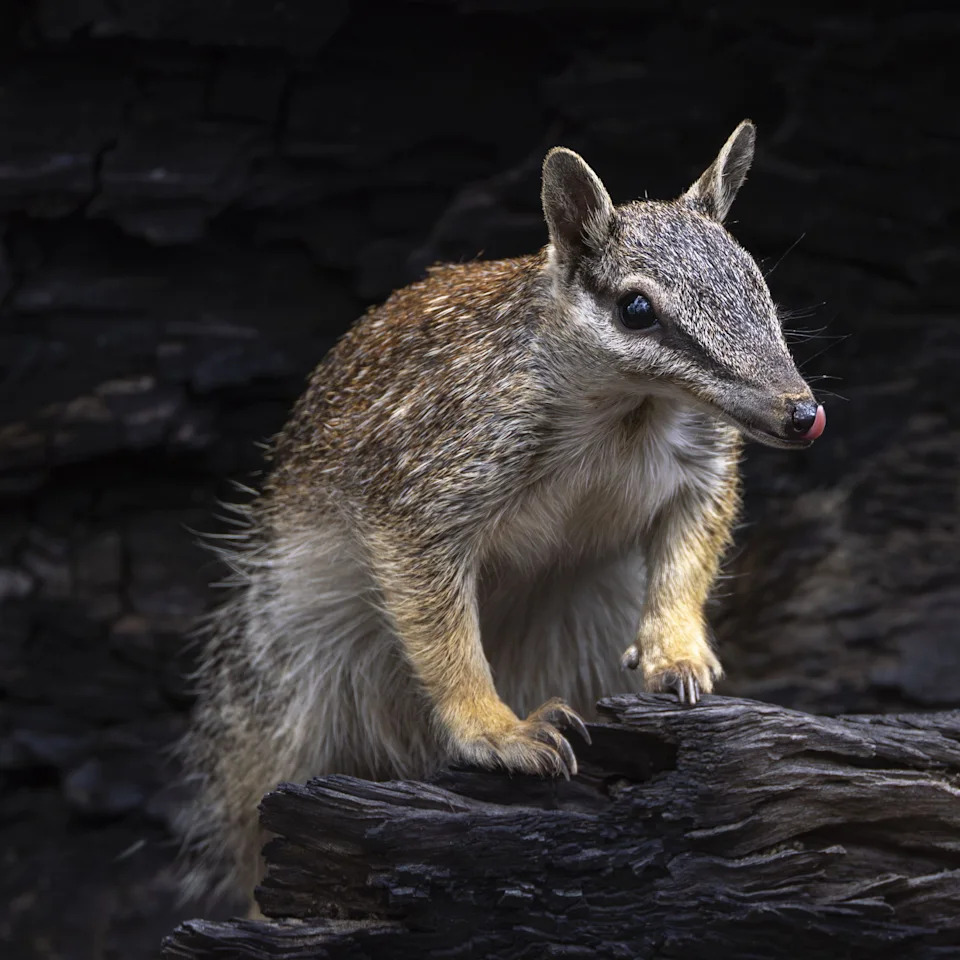
Dryandra Woodland is one of the few places you can still find wild numbats [Sharon Jones/BBC]
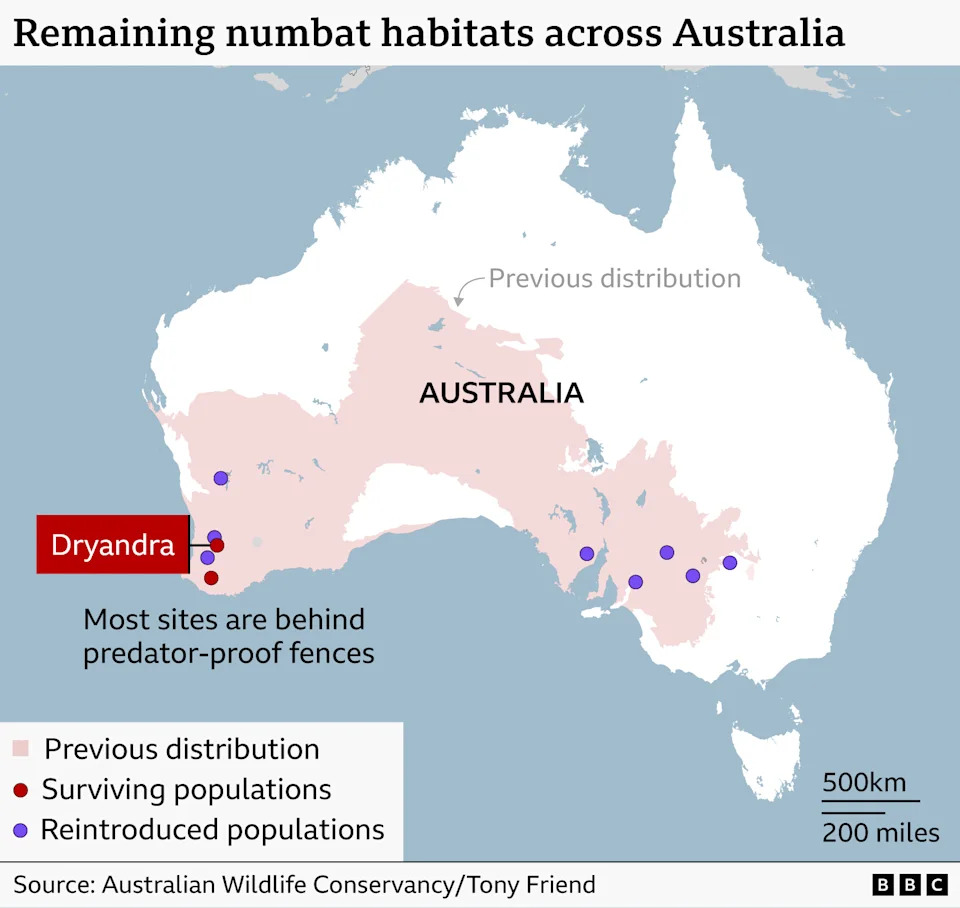
What we are looking for is the numbat: a small, striped marsupial that looks a little like a chipmunk crossed with an anteater. Once widespread across southern Australia, numbats now survive in only a few strongholds; Dryandra Woodland is one of the most important.
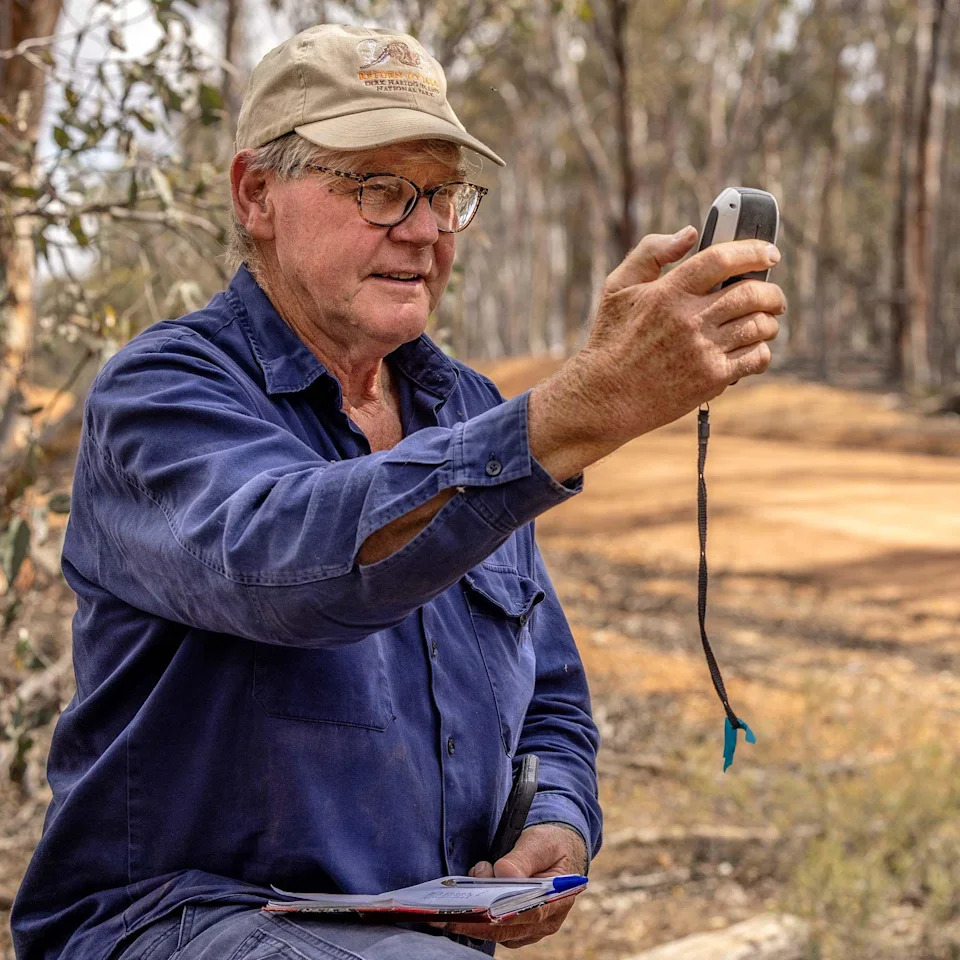
Dr Tony Friend first started working at Dryandra in the 80s [Sharon Jones/BBC]
Dryandra Woodland: A Rare Conservation Win
Volunteer teams and under‑resourced researchers run annual surveys at Dryandra, logging GPS coordinates, road distance and sighting density to monitor recovery. Thanks to long‑running predator control, breeding programs and targeted releases from Perth Zoo, national numbat numbers have risen to roughly 3,000 and Dryandra's population has increased about tenfold. The species has recently been moved from endangered to near‑threatened on international lists — a rare positive amid a national biodiversity emergency.
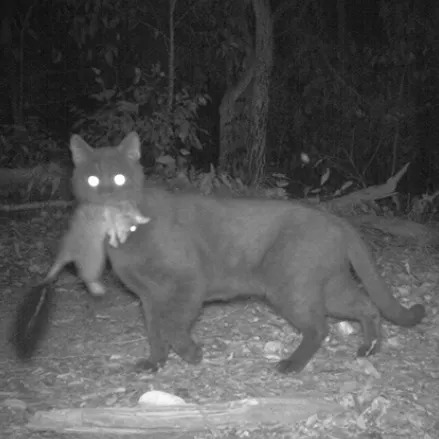
Feral cats kill an estimated three billion animals in Australia each year [Courtesy WA DBCA]
The Bigger Picture: Why Australia Is So Vulnerable
Australia is famed for uniquely endemic wildlife — more than 80% of its species occur nowhere else — but it has become a global extinction hotspot. The recorded rate is roughly four species lost per decade, and Australia leads the world in documented mammal extinctions.
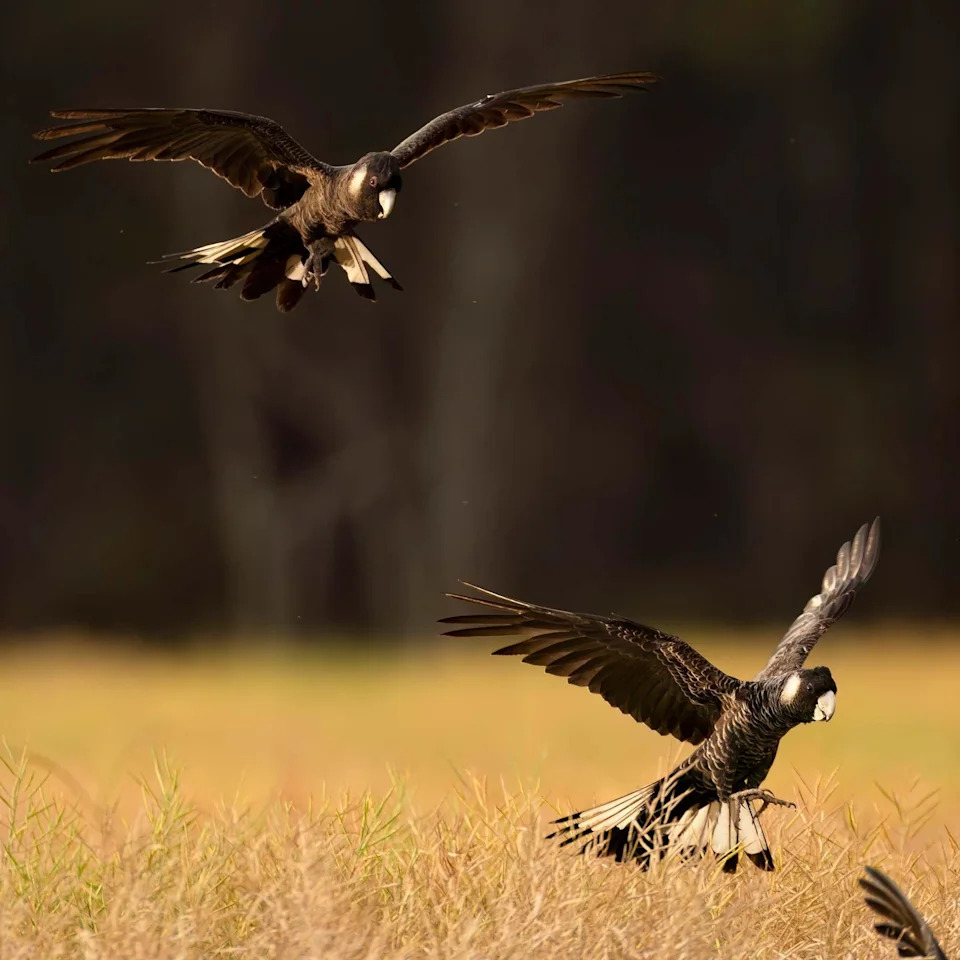
The Carnaby's black cockatoo is another species barely hanging on in south-western Australia [Sharon Jones/BBC]
Multiple, interacting threats drive these declines: large‑scale habitat clearing for farming, mining and development; invasive plants and animals (including foxes, rabbits, cane toads and feral cats); diseases such as koala chlamydia and the chytrid fungus that has wiped out frogs; and climate change, which alters habitat and increases extreme events like the Black Summer fires (2019–20) that are estimated to have killed about three billion animals.
[BBC]
What Conservationists Are Doing — And Where It Falls Short
Efforts include predator baiting and trapping, captive breeding and translocations, fenced refuges, habitat restoration and disease research. These measures have delivered local successes, but many are expensive, temporary or high‑maintenance. Fenced reserves face inbreeding and overpopulation challenges; disease control is slow and costly; and predator control must be relentless.
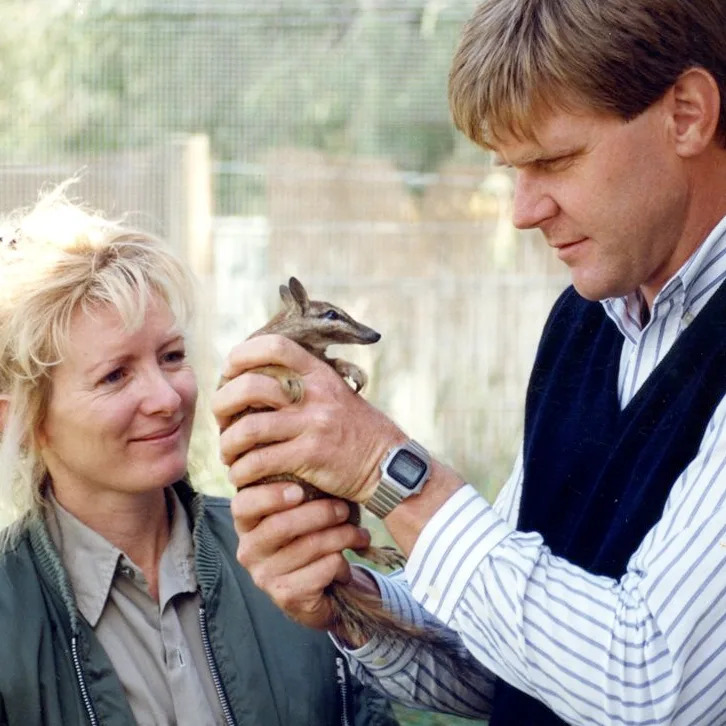
Vicki Power and Tony Friend have spent decades trying to save the numbat [Courtesy Perth Zoo]
"We know what the problems are. We know how to address them," says Professor Euan Ritchie. "But without political will and sustained investment, solutions remain incomplete."
Policy And Funding Gaps
Federal reforms passed recently create a stronger framework for nature protection and set a goal to halt and reverse biodiversity loss by 2030. But key instruments — National Environmental Standards and an independent federal watchdog — are still being finalised, and critics say political will to enforce strict protections is inconsistent.
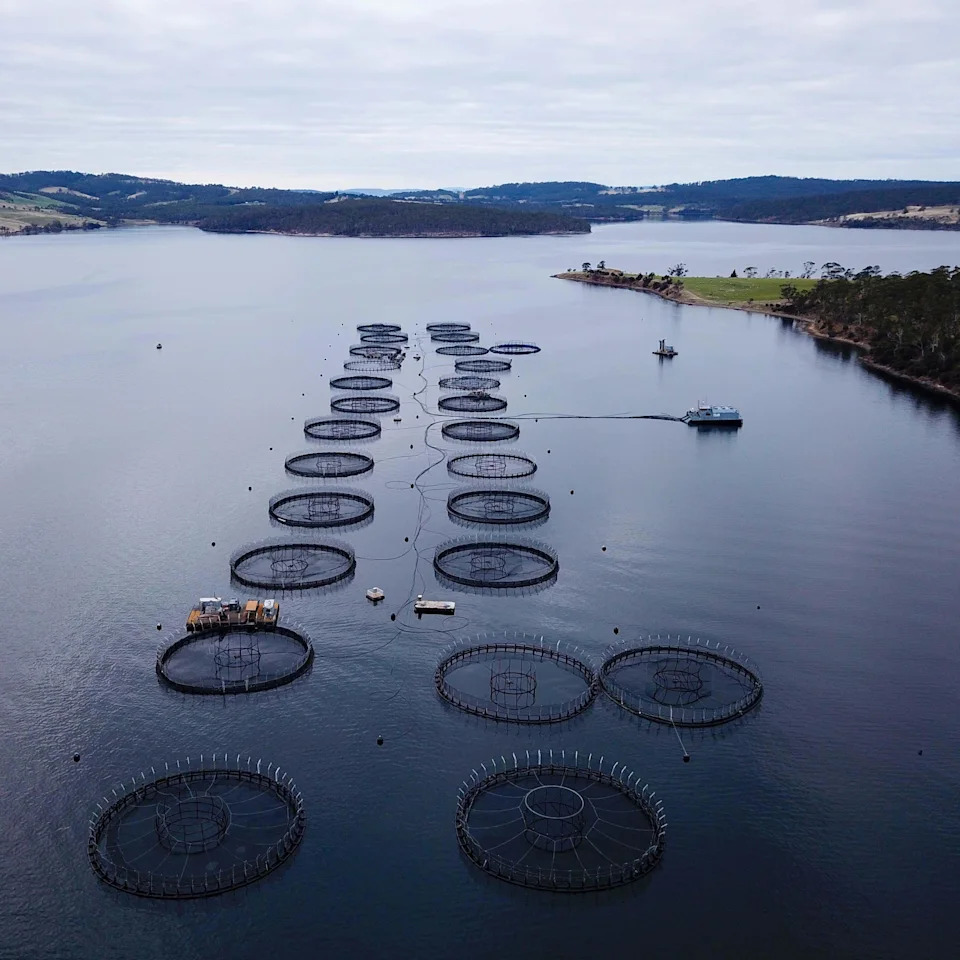
The Albanese government passed legislation to protect salmon farming after lobbying by Tasmanian state officials [Getty Images]
Funding is a major constraint: the federal government spends about A$700 million a year on nature protection, while conservationists estimate roughly A$33 billion is needed. Researchers also highlight billions in subsidies that continue to support activities harmful to nature.
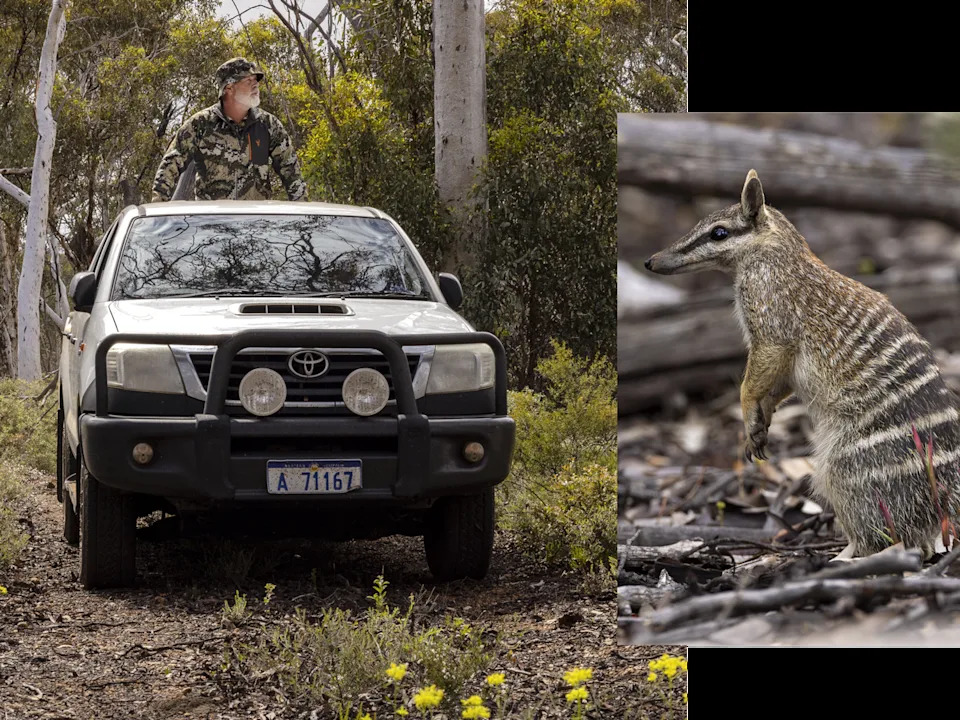
Volunteer 'Jacko' keeps watch from the back of the truck [Sharon Jones/BBC]
Why It Matters
Biodiversity underpins agriculture, tourism and many ecosystem services, and it supports potential scientific breakthroughs in medicine, agriculture and climate adaptation. For First Nations Australians, species loss also threatens cultural heritage and knowledge.
A Cautious Celebration
After hours of searching we finally spot a numbat perched at the end of a hollow log — then another, and soon eight individuals, including two pairs of young. The moment is joyful but sober: past recoveries such as the woylie (brush‑tailed bettong) have reversed, reminding conservationists that short‑term wins require long‑term commitment.
Tony Friend, who began working at Dryandra in the 1980s when fewer than 50 numbats remained, warns: "They're not out of the woods yet. Continued work is needed to keep that animal on the planet."
Small victories like the numbat's rebound offer hope and an argument for scaling up effective conservation: consistent funding, enforceable standards, stronger predator control and political courage to prioritise nature alongside economic interests.
Help us improve.