Koalas face a serious extinction risk in the next 20–30 years due to habitat loss, disease, drought, extreme heat and wildfires. Save the Koala Day on September 25, 2026 highlights these threats and ongoing conservation efforts. A newly approved single‑dose chlamydia vaccine offers hope, but experts stress vaccination must be paired with habitat protection, restoration and monitoring to secure koalas' future.
New Vaccine Offers Hope — Can Koalas Be Saved Before They Vanish?
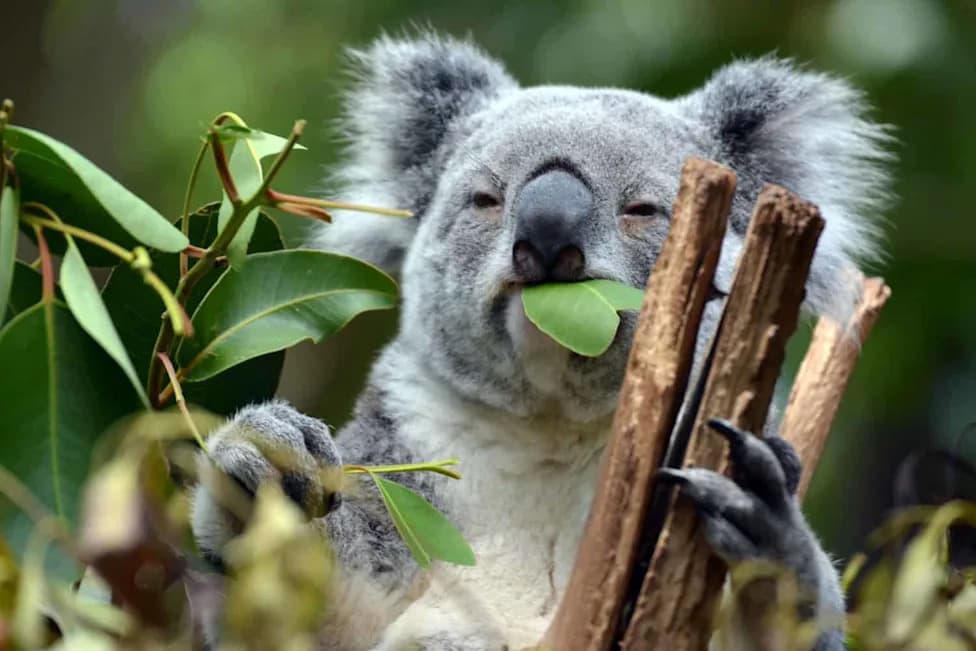
Koala at Lone Pine Koala Sanctuary Brisbane© Manon van Os/Shutterstock.com
September 25, 2026, marks the 18th Save the Koala Day, an annual awareness event founded in 2008 by the Australian Koala Foundation (AKF). The day highlights growing concerns for one of Australia’s most recognisable native mammals and the conservation efforts underway to protect it.
Why Koalas Are in Peril
Koala Conservation Australia (KCA) warns that koalas could face extinction within the next 20–30 years unless urgent action is taken. Multiple, interacting threats drive this risk: habitat loss and fragmentation, disease (notably chlamydia), prolonged drought and heat, and increasingly severe bushfires. Because koalas rely almost exclusively on eucalyptus leaves, their survival is tightly linked to the health and availability of specific eucalyptus trees and stands.
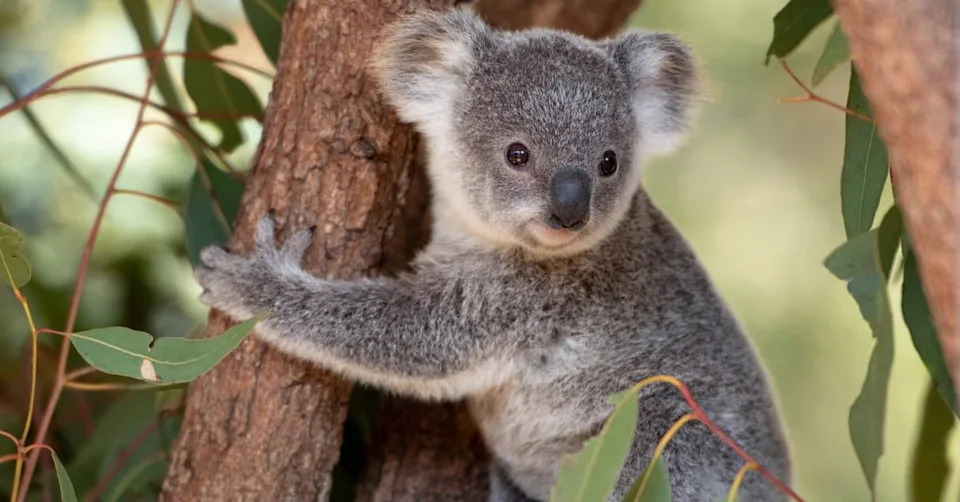
Koalas eat around 1 to 2 pounds of eucalyptus leaves per day and sleep about 18 to 20 hours.©Andras Deak/Shutterstock.com
Diet, Biology and Vulnerability
Adult koalas typically eat about 1–2 pounds of eucalyptus leaves per day and sleep roughly 18–20 hours to conserve energy. Though often called "koala bears," they are marsupials — mammals that carry and nurse young in a pouch. Koalas have a specialised digestive system, including an elongated caecum that hosts microorganisms to break down tough, toxic eucalyptus foliage. Newborn joeys receive essential gut microbes from their mothers through a nutritious faecal secretion called pap, enabling them to digest eucalyptus when they begin eating leaves.
Population Estimates and Habitat Pressures
The Australian government estimated that between 398,000 and 569,000 koalas lived in the wild across Queensland, New South Wales and the Australian Capital Territory in 2025. Researchers note these higher figures reflect broader and more intensive survey methods, and do not eliminate local declines driven by land clearing for agriculture, development and resource extraction. Fragmentation forces koalas into remnant patches where competition, stress and vehicle collisions increase.
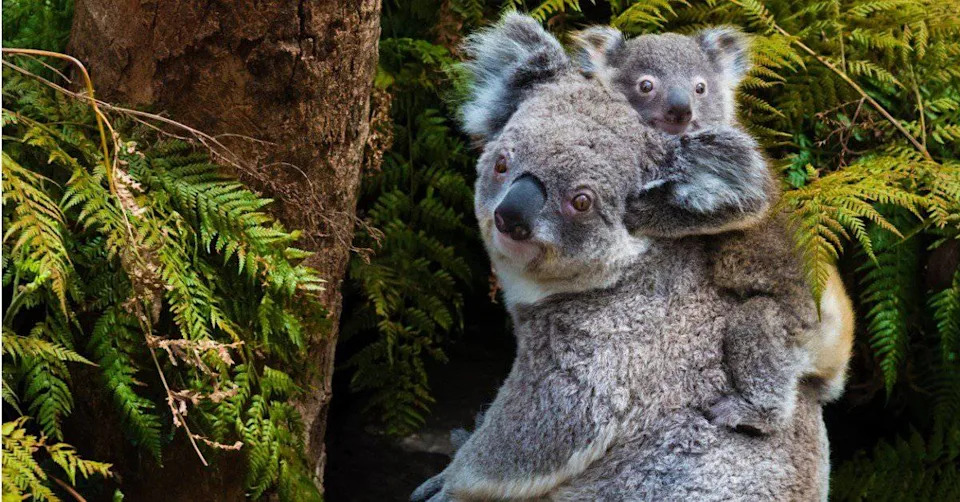
Koala babies stay with their moms for about a year before they go off to find their own territory.©Constantin Stanciu/Shutterstock.com
Disease: Chlamydia and a New Tool
Chlamydia is among the most significant health threats to koalas, causing conjunctivitis, blindness, urinary tract disease and reproductive failure. Researchers believe modern, disease-causing strains may have origins linked to livestock introduced by European settlers. Incidence is often higher in fragmented, stressed populations where malnutrition, crowding and reduced genetic diversity increase vulnerability.
In a hopeful development, Australian authorities have recently approved a single-dose chlamydia vaccine for koalas. While vaccination is not a stand-alone solution, scientists and conservationists see it as an important tool alongside habitat protection, genetic management and population monitoring to reduce disease impacts.
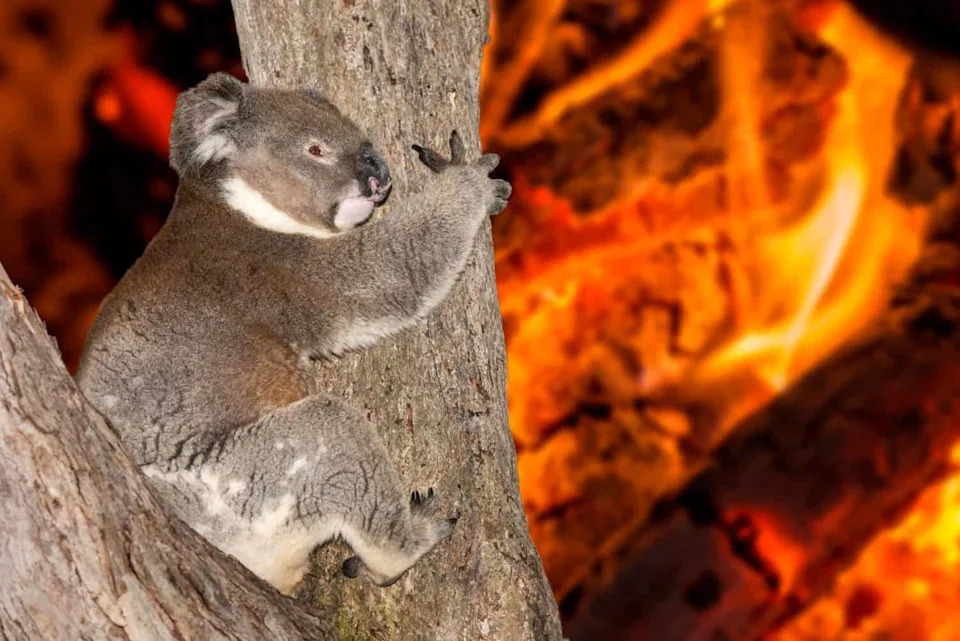
The bushfires in the summer of 2019 and 2020 were so severe that the season is known as the "Black Summer."©Andrea Izzotti/Shutterstock.com
Climate Change and the Threat of Fire
Climate-driven heat and drought reduce the water and nutrient content of eucalyptus leaves and increase the frequency and severity of bushfires. The 2019–2020 "Black Summer" fires were particularly devastating: the Australian government estimated that about three billion native animals were killed, injured or displaced and roughly 61,000 koalas were affected. Such events can cause local extinctions and long-term habitat loss.
Conservation Actions Underway
National efforts such as Australia’s National Koala Recovery Plan and the National Koala Monitoring Program combine habitat restoration, stronger planning protections, translocation and genetic management, plus newer technologies like drone monitoring to improve population estimates. Save the Koala Day (the last Friday of September, during National Koala Month) raises public awareness and support for these initiatives.
What You Can Do
- Support reputable conservation groups (AKF, local koala rescue organisations).
- Advocate for stronger habitat protection and land‑use planning.
- Drive carefully in koala habitats and reduce disturbance near remnant woodlands.
- Donate or volunteer for habitat restoration and surveillance programs that use drones and community science.
Protecting koalas means protecting the eucalyptus ecosystems they depend on. The newly approved vaccine is a promising step, but long-term recovery will require coordinated action on habitat, disease management and climate resilience.
Help us improve.