The International Rhino Foundation's 2026 report estimates about 26,700 rhinos remain globally. Black and greater one-horned rhinos are notable conservation successes, while white rhinos have increased overall and nearly 16,000 live in Africa. Javan rhinos remain at roughly 50 individuals and Sumatran rhinos have plunged to 34–47. Poaching is declining in many countries, but remains a serious threat in places like South Africa; expanded protected habitat and responsible tourism are critical to sustaining gains.
Rhinos on the Rebound: Which Species Are Recovering—and Which Remain in Peril
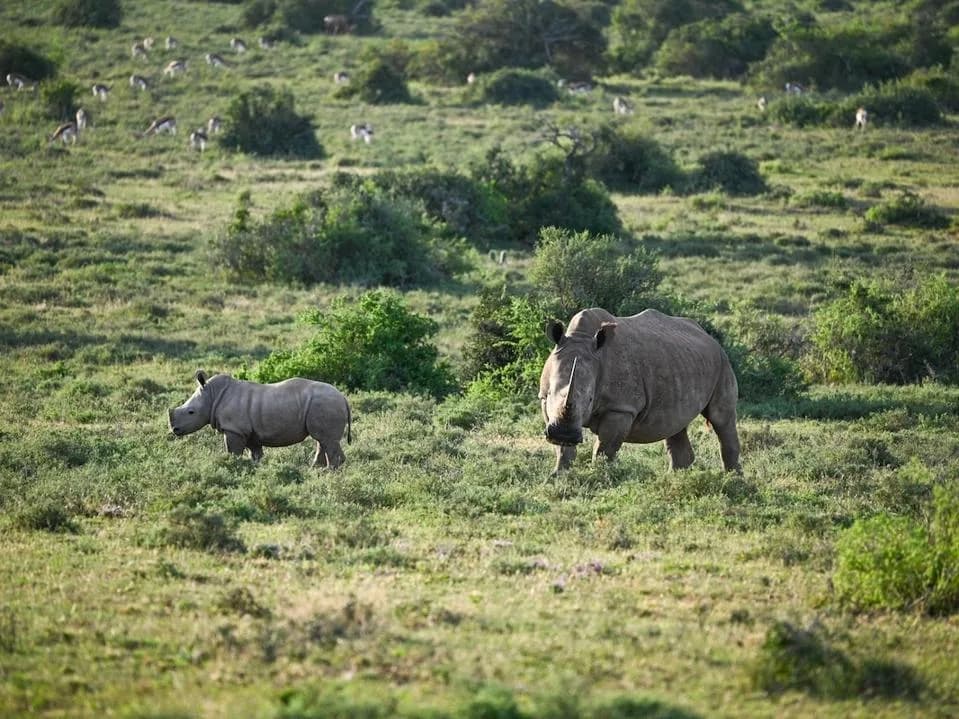
White rhino numbers are the highest of the 5 rhino species, with nearly 16,000 individuals in Africa.Brian Hudson / International Rhino Foundation
On a family safari in Tanzania in January, my children were desperate to see one of the planet's rarest mammals: a rhino. It took until our final day before we spotted two black rhinos — a mother and her calf — grazing in the Ngorogoro Crater.
"They look prehistoric, like dinosaurs," my son whispered as he watched them through binoculars. For many visitors, seeing a wild rhino is unforgettable. "Seeing a rhino in the wild is life-changing," Nina Faccione, executive director of the International Rhino Foundation, said in a phone interview. "It's really a positive experience. You just fall in love with the animals."
Global Snapshot
The International Rhino Foundation's 2026 status report estimates roughly 26,700 rhinos remain worldwide, a figure similar to the IUCN's 2025 estimate. The report highlights notable conservation successes alongside urgent threats: two species have made strong recoveries, while others remain critically low.
Species Highlights
- Black Rhino: Numbers in Africa have more than doubled over the past 25 years to about 6,788 today. The IUCN projects this could approach ~9,000 by 2032, but expanding populations create pressure to find safe new habitat.
- White Rhino: The white rhino is the most numerous of the five species — nearly 16,000 in Africa — and populations are increasing overall. In March 2025, 18 white rhinos were relocated from South Africa to Ngorogoro Crater, marking the species' return to Tanzania since the 1980s.
- Greater One-Horned (Indian) Rhino: A conservation success: this species rose from fewer than 100 individuals in the early 1900s to more than 4,000 today, largely thanks to protection in India and Nepal.
- Javan Rhino: Numbers remain critically low at roughly ~50 individuals, though camera traps showing newborn calves confirm ongoing reproduction in the wild.
- Sumatran Rhino: The most imperiled: estimates place only 34–47 individuals left, all confined to Indonesia, reflecting a steep decline over the past 25 years.
Threats and Protections
Poaching devastated rhino populations across Asia and Africa during the 20th century. The 2026 report finds encouraging declines in poaching in many places, driven by stronger laws, better prosecutions and improved protections. Nepal and India's Assam state — home to roughly 80% of the greater one-horned rhinos — reported zero poaching incidents last year. Namibia recorded its lowest poaching numbers in a decade, and Zimbabwe reported zero incidents in 2026.
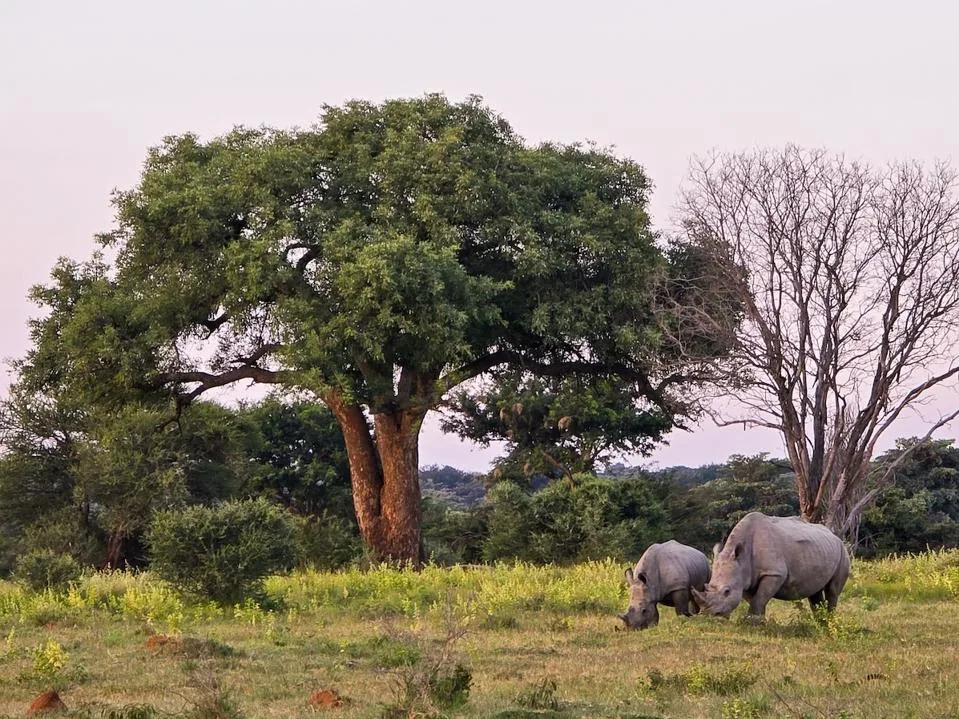
The total global population of rhinos is approximately 26,700, according to the 2025 IUCN estimations.
"Strong government protections are helping. Convictions are getting more consistent and longer in duration, which hopefully serves as a deterrent to future poaching," said Nina Faccione.
Still, threats persist. South Africa reported 420 poaching incidents in 2024 and 352 in 2025, and the southern white rhino remains especially vulnerable in some areas.
Conservation Tools: Habitat, Translocations and Tourism
Recoveries create new conservation challenges. As black rhino populations grow, conservationists must find secure, protected land and establish conservancies to accommodate expanding numbers. Translocations, like the 2025 Ngorogoro reintroduction of white rhinos, help reestablish populations in parts of their historical range.
Tourism plays a powerful role: entrance fees, lodging and visitor spending provide economic incentives for local communities to protect wildlife. "If done well, tourism can help protect biodiversity, create jobs, keep money local, and even preserve cultures," Faccione said. Carefully managed tourism paired with secure protected areas and community engagement remains essential to sustaining rhino recoveries.
Looking Ahead
Conservation progress for some rhino species is cause for cautious optimism, but critically low populations of Javan and Sumatran rhinos demand urgent, continued action. Success will require coordination among governments, conservation groups, private landowners and local communities to expand protected habitat, enforce anti-poaching laws and support recovery programs.
This article is based on the International Rhino Foundation's 2026 status report and related IUCN estimates.
Help us improve.